
Frass on a sill, swarmers at a slider, or trim that gives under your thumb point to termites. Our family-owned crew has handled them in Encinitas since 1992, from inspection to wood repair.
Termite trouble in Encinitas often starts small: pellets on a sill, a soft deck board, or a swarm on a warm afternoon. Our inspector traces it to the source, writes up what’s active and what’s damaged, and lays out treatment and repair before any work starts.
We don’t pick a service until the inspector has seen the wood. No signs yet? Here’s why an inspection still makes sense.

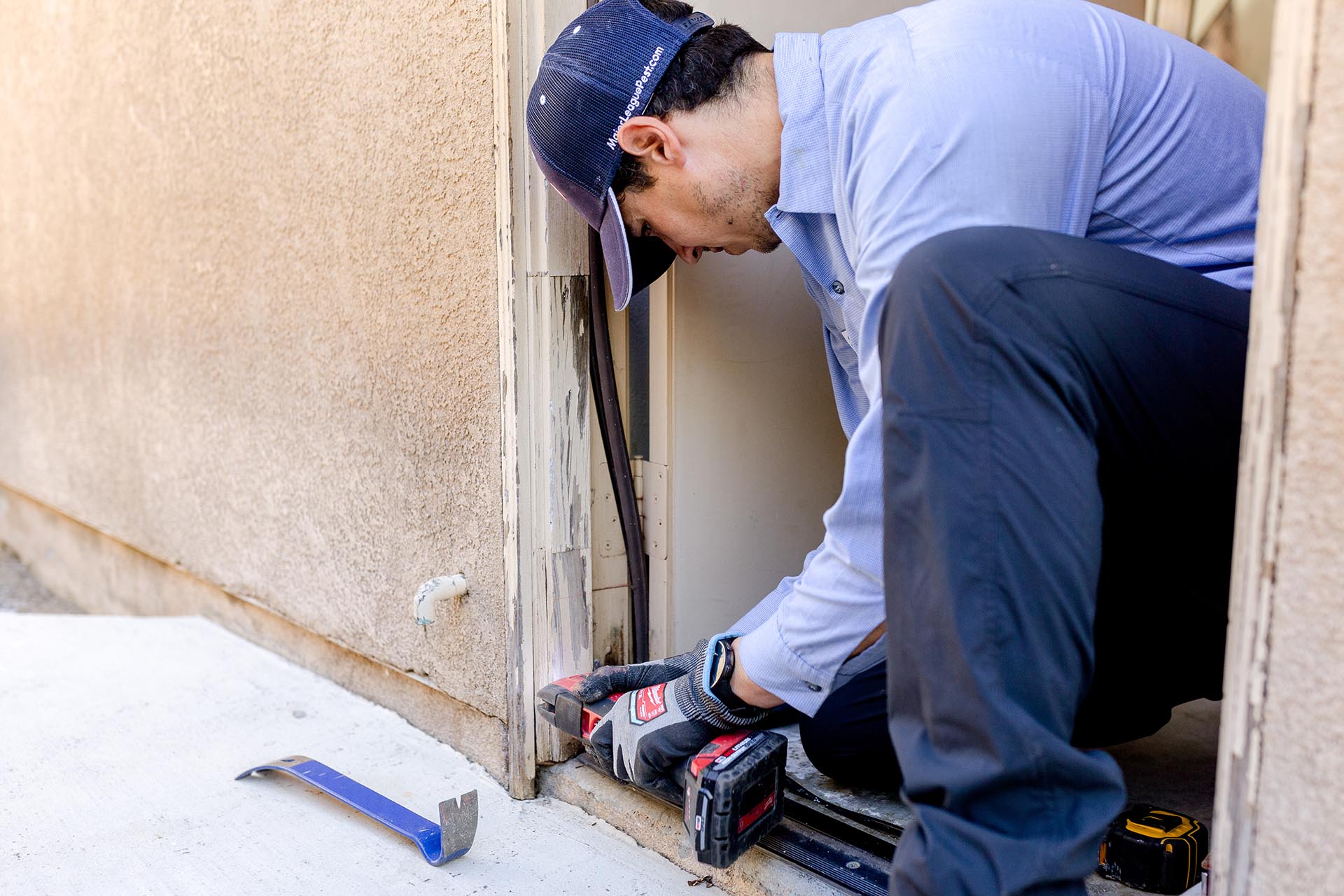
The inspector checks trim, eaves, attic framing, decks, and foundation edges, then records frass, wings, mud tubes, and moisture in a written report.

If activity sits in a few boards we can reach, we treat just that section with injected products or heat, and the rest of the house stays untouched.

Tenting makes sense when drywood termites show up in several rooms or inside finished ceilings. The gas reaches wood throughout the house, including boards behind stucco.

Subterranean colonies live in the soil, so a treated barrier along the foundation blocks their path to posts, sill plates, and framing.

Stations placed where termites forage get checked on a schedule, and the bait spreads through the colony over time.

Our crew replaces damaged fascia, trim, and deck boards after treatment. Here's why repair should follow treatment instead of covering live termites.


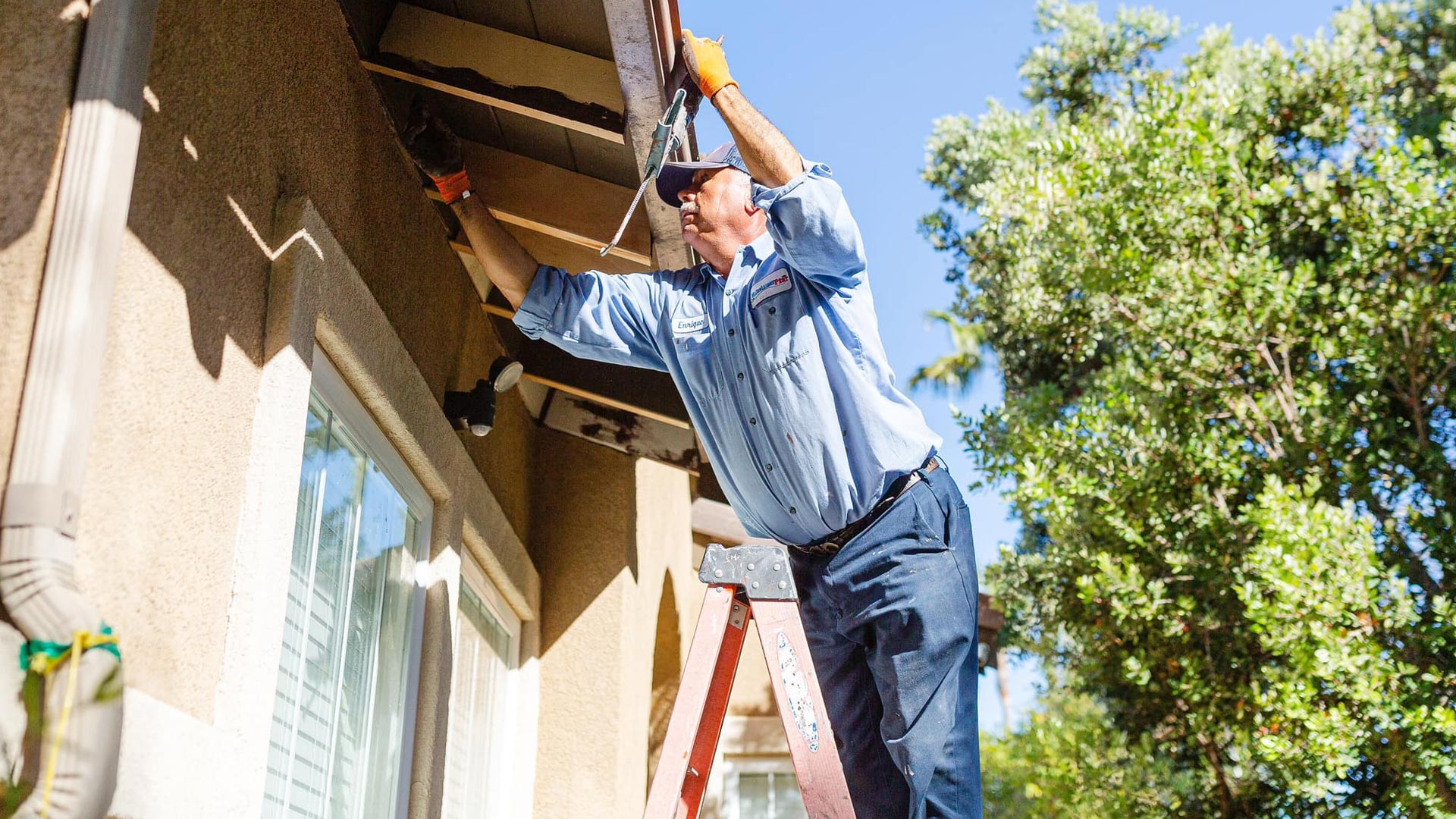
Enrique, Alex and Daniel did an excellent job repairing the fascia and shade structure that were damaged by termites and dry rot.


So far, it's been a 5 star experience. Dan is extremely knowledgeable and friendly. I really feel like they focus on your needs and don't try to up sale on unnecessary service. I would highly recommend Major League Pest to anyone in the area.


I’ve had a fantastic experience with Major League Pest Control for years! My technician, Tony, is absolutely the best—professional, knowledgeable, and always goes above and beyond.


Working with Paul was a complete breath of fresh air. I completely trust him as he went above and beyond to show me exactly what was going on and not try to oversell me on any treatment.
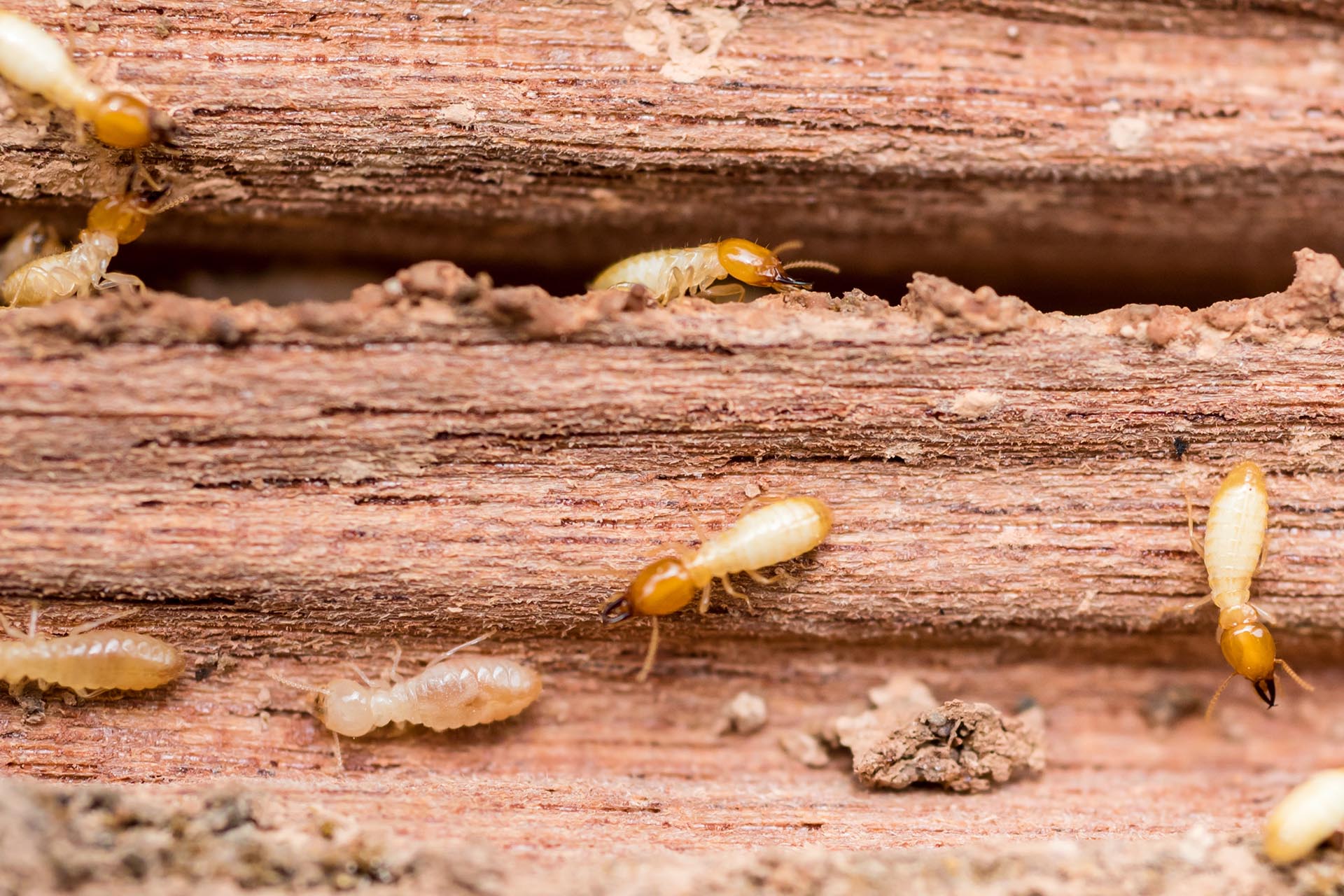
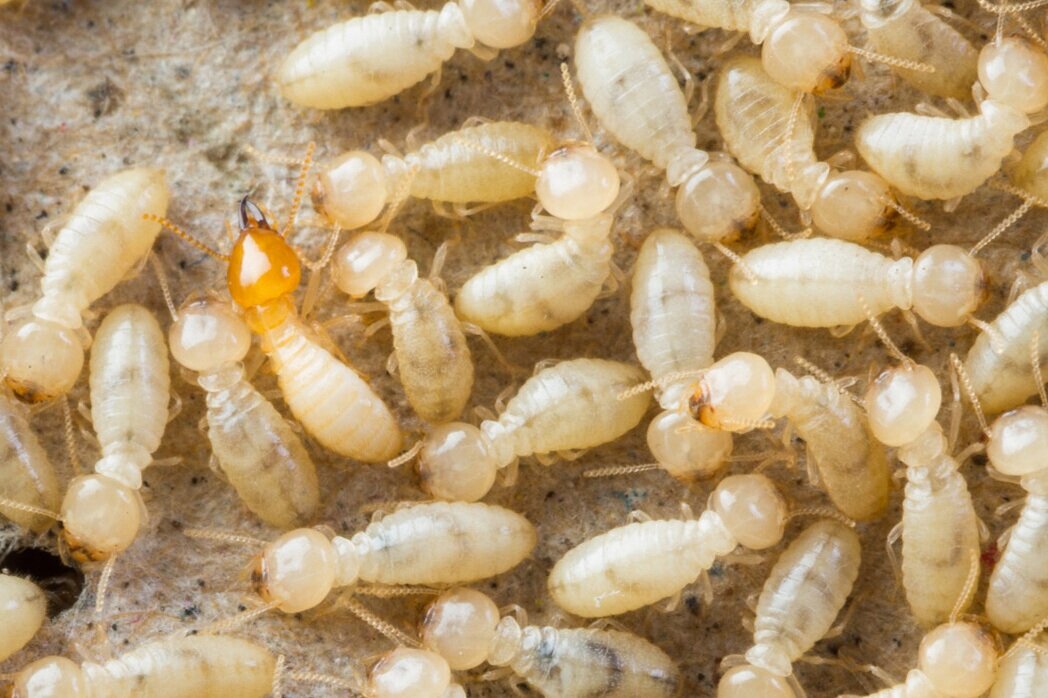
A pile of pellets, a mud tube on the stem wall, and a soft spot by a leak are three different termites. Drywood colonies live in the wood itself, subterranean ones travel up from the soil, and dampwood termites settle only in wood that stays wet. The species decides the treatment, so we name it first. Near the coast we check for dry rot at the same time, since moisture often explains both. Here’s how moisture control helps prevent termites.
Each termite needs its own approach, and the inspection tells us which one we’re dealing with.

Dampwood termites turn up most in cool, humid spots near the coast, wherever a leaky irrigation line, clogged downspout, or peeling paint keeps wood wet. Drying the area and replacing the soft wood leaves them nowhere to live.
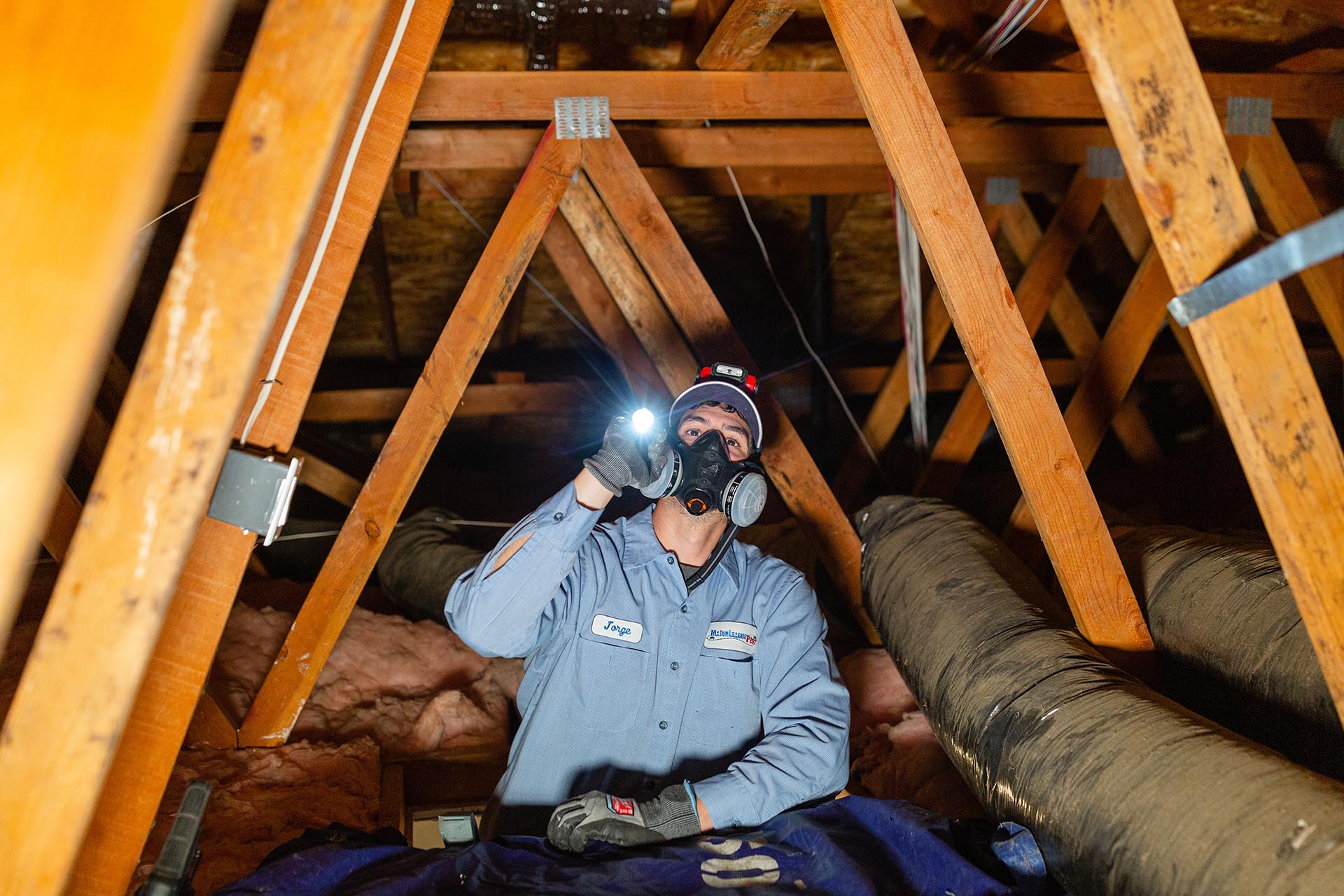
Drywood colonies hide in rafters, fascia, and wall voids with little to show outside. Small, reachable colonies get local treatment or heat, and scattered activity calls for tenting.

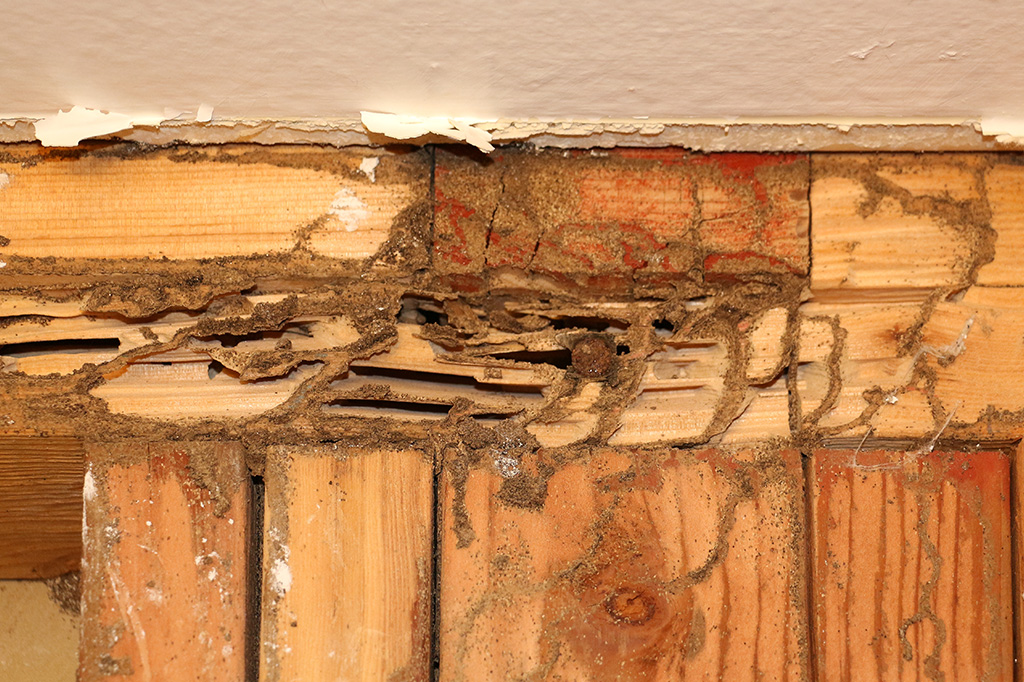
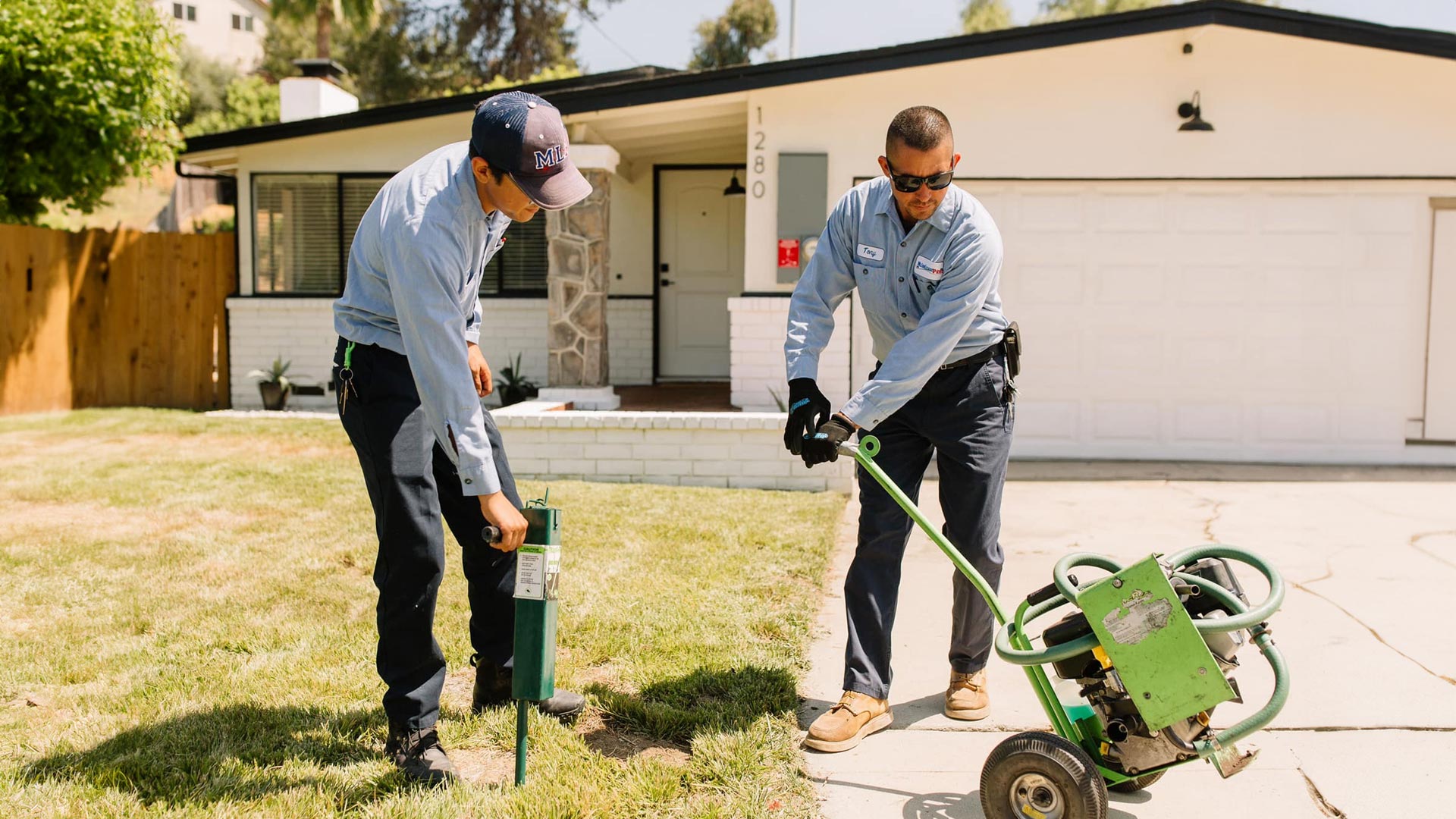
Subterranean termites build mud tubes up the foundation from the soil. We check the stem wall and any wood touching dirt, then use a soil barrier or bait stations.
Here’s what Encinitas owners get from our termite team.
Yes. Pulling trim, opening walls, or lifting deck boards often exposes old damage, and inspecting first lets us treat and repair before new materials cover it. Repainting instead? A pre-painting termite inspection does the same for siding and trim.
Yes. Pergolas, patio covers, sheds, and fences take the most sun and sprinkler water, so they often show damage first. We check what we can reach and mark which pieces need repair and which only need watching.
We sort private areas from shared ones first, since that decides who approves the work. Owners, managers, and boards get the same written findings. Board members can start with our property management services.
Yes. New wood can hide old activity next to it. We check the framing, trim, and soil contact around the repair and tell you if the job looks complete. Here’s how to spot termite damage early.
We start with what we can reach: trim, cracks in the stucco, nearby wood, and moisture stains. If the clues point inside the wall, we explain the options, from monitoring to opening a small section, before anyone cuts.
Yes. We check reachable wood for leaks, drainage problems, failed paint, and fungal decay, since they weaken wood and draw dampwood termites. If a repair falls outside termite work, we tell you.
Usually. Inspections and small treatments can run before opening, after the rush, or in sections. If a job needs the whole building, the manager hears early so the schedule can shift.
A written record of the areas checked, what we found, the work done, and anything to keep an eye on. Keep it with your home records for future inspections and repairs.
Call 760-737-6810 to talk through what you’ve found, the treatment options, and any repairs. For ants, rodents, and other pests, see pest control in Encinitas.