
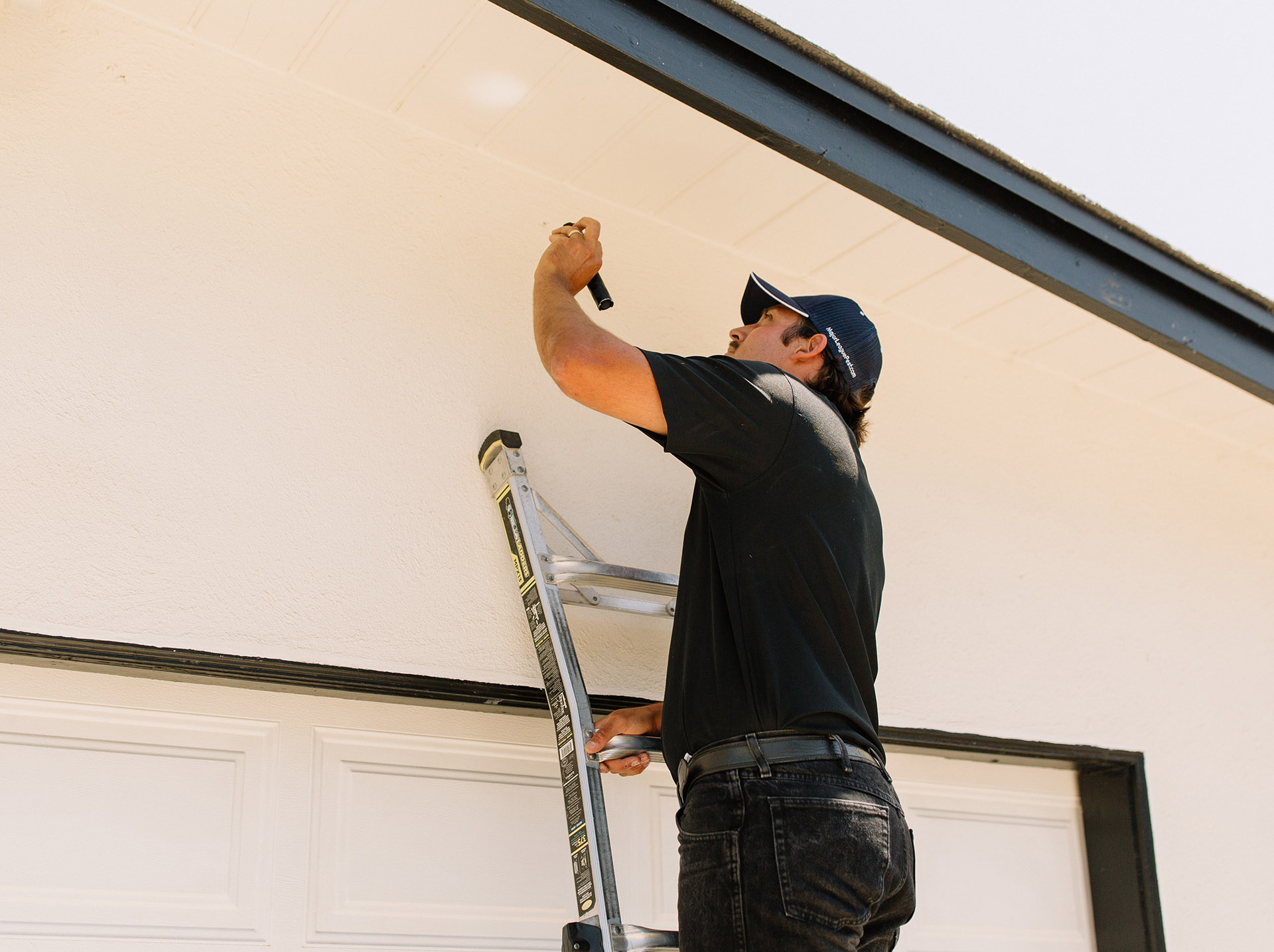
Termites can damage structural wood long before a homeowner notices a serious problem. Because much of their activity stays inside wood, below floors, or behind finished surfaces, early warning signs are easy to overlook. By the time boards feel weak or repairs become obvious, the affected area may already be larger than expected.
Recognizing subtle changes around the home gives property owners a better chance to act before damage becomes more extensive. Professional termite control begins with inspection, species identification, and an evaluation of the conditions supporting activity. That process helps separate termite damage from moisture deterioration, dry rot, or ordinary aging so repairs are based on the actual cause.
Look For Changes In Wood And Finished Surfaces
Termite damage does not always appear as a dramatic hole in a beam. Early evidence may be visible only as slight surface changes, weakened wood, or material that sounds different when inspected.
Watch for:
- Ripples or blistering across otherwise flat wood surfaces
- Small holes or channels appearing in trim or framing
- Wood that sounds hollow when professionally evaluated
- Sagging or weakened sections around doors and windows
- Crumbling wood beneath paint or finished surfaces
- Unexplained changes near previously repaired structural areas
These signs deserve closer inspection because cosmetic repairs can cover the symptom without addressing active termites. Current termite inspection practices may include wood-sound testing, moisture mapping, and review of previous repair zones before a treatment plan is chosen.
Moisture Problems Can Increase Structural Risk
Moisture does not mean termites are automatically present, but persistent dampness can create conditions that deserve attention. Subterranean termites depend on soil moisture and protected travel routes, while leaks and water-damaged wood can make structural problems harder to recognize.
Roof leaks, plumbing failures, irrigation overspray, poor drainage, and damp crawl spaces can all affect wood condition. Guidance on moisture management explains why inspectors look at water patterns alongside termite evidence rather than treating the two issues separately.
Professional evaluation is especially useful when stained, soft, blistered, or weakened wood could have more than one cause. Correct identification helps determine whether the next step should involve termite treatment, moisture correction, structural repair, or a combination of services.
Check Foundations, Soil Contact, And Hidden Access Areas
Some of the most important termite clues appear where structural wood, soil, moisture, and concealed spaces meet. Homeowners may not see active insects even when termites are moving through protected areas.
An inspection may focus on:
- Mud tubes along foundations or structural surfaces
- Wood-to-soil contact around posts, siding, or steps
- Crawl-space framing near plumbing or damp soil
- Fascia and trim affected by recurring water intrusion
- Stored lumber or cellulose debris beside the structure
- Garages, decks, patios, and sub-areas with hidden wood
Subterranean and drywood termites behave differently, which is why locating evidence matters before selecting treatment. A thorough inspection can determine whether activity is localized, connected to the soil, or spread through accessible woodwork.
Seasonal Conditions Can Reveal Problems That Were Already Developing
Termite activity can become more noticeable during warmer periods, but visible signs do not necessarily mark the beginning of an infestation. Swarmers, discarded wings, pellets, or newly noticeable surface damage may simply reveal activity that has been developing out of sight.
San Diego County homes also face changing summer conditions involving heat, irrigation, coastal moisture, and other pest pressures. Broader summer pest activity can make routine inspection especially useful because technicians can evaluate structural conditions while checking for other signs around the property.
Waiting for obvious damage can narrow repair options. Early inspection gives professionals more information about where activity is concentrated and whether treatment can remain localized or needs to address a wider area.
Address Active Termites Before Repairing The Damage
Repairing damaged wood is important, but replacing material before the infestation is properly evaluated can leave active termites elsewhere in the structure. Treatment and repair should be coordinated so the source is addressed before damaged components are restored.
A complete termite control plan may include:
- Identifying whether drywood or subterranean termites are present
- Mapping damaged and suspicious structural areas
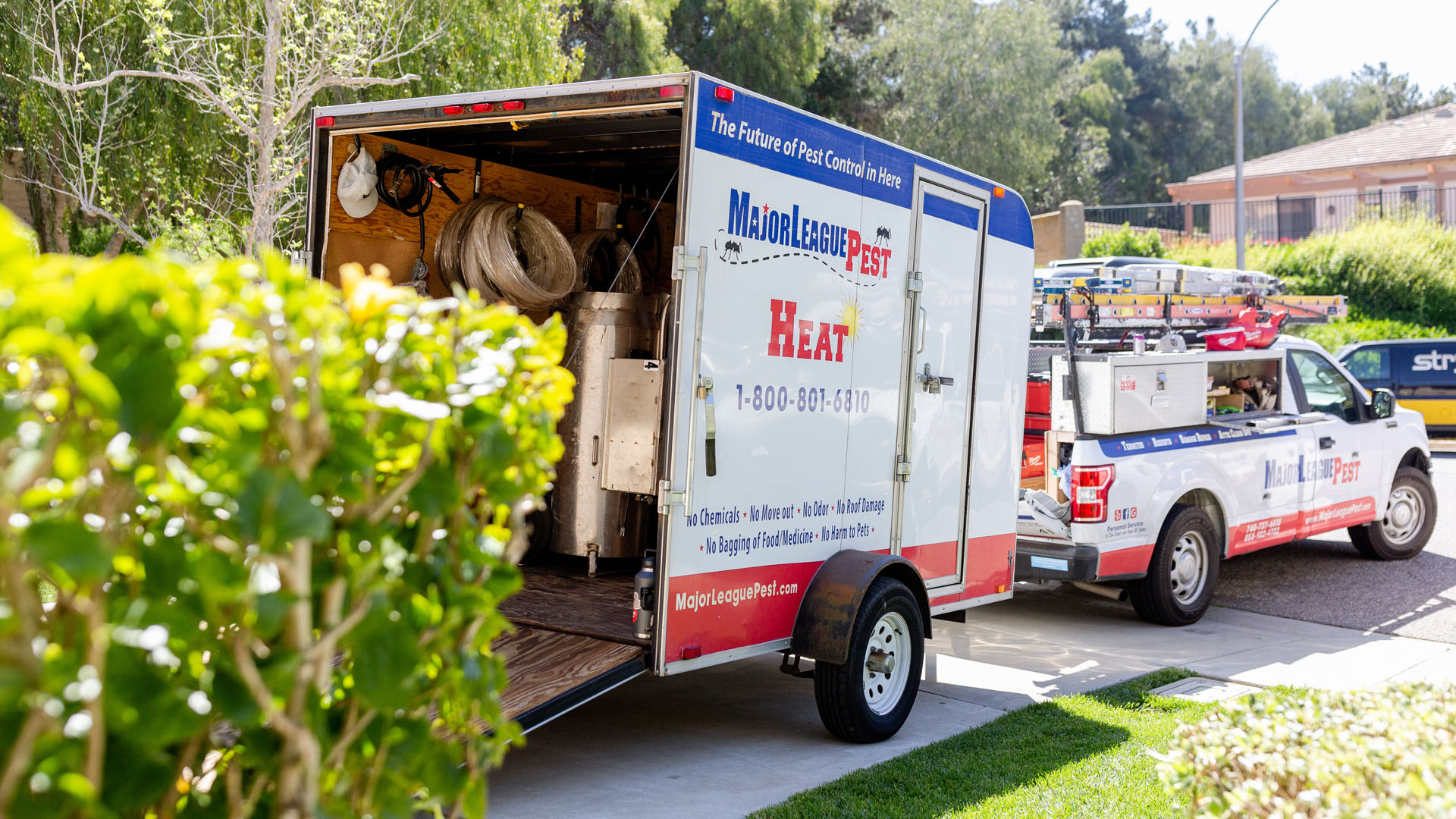
- Selecting localized, barrier, baiting, heat, or fumigation options when appropriate
- Correcting moisture or wood-to-soil conditions that increase risk
- Repairing damaged wood after treatment priorities are established
- Scheduling long-term monitoring to watch for renewed activity
Professional inspection helps determine which combination is appropriate for the property. Some infestations may be accessible enough for localized treatment, while widespread activity may require a broader approach.
The goal is to avoid spending money on repairs that address only visible damage. When termite activity, moisture conditions, and structural concerns are evaluated together, homeowners can make more informed decisions and reduce the chance of repeated repair work.
Catch The Damage Before It Gets Expensive
If you notice suspicious wood damage, mud tubes, pellets, or other termite warning signs, contact Major League Pest for professional inspection, targeted termite control, repair guidance, and long-term monitoring.
