800+ reviews








Standing water around drains, plant saucers, pools, gutters, and irrigation can invite mosquitoes, ants, roaches, and termites. Source checks come before treatment starts.

Older framing, crawlspace gaps, mature trees, and newer open-space walls need different entry-point checks. Service should match each property, not a template.

Restaurants near Third Avenue, retail spaces, offices, and business parks face food, trash, loading, and shared-wall pressure. Local exterminators should explain risks clearly before any recurring plan is chosen.


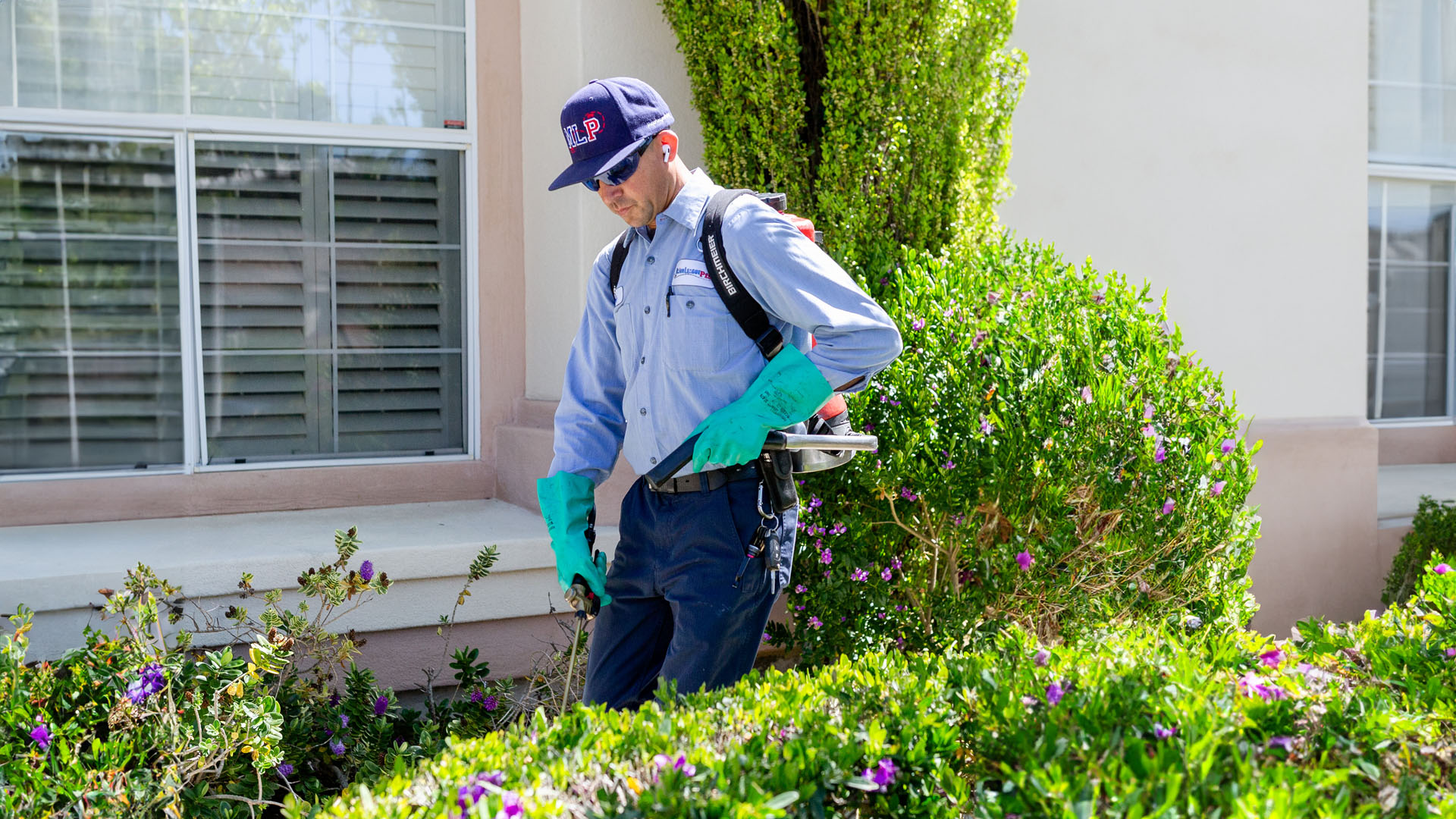
Argentine ants often trail along irrigation lines, patios, kitchens, bathrooms, citrus trees, mulch beds, and foundation plantings. A pest expert traces those routes before placing targeted treatment.

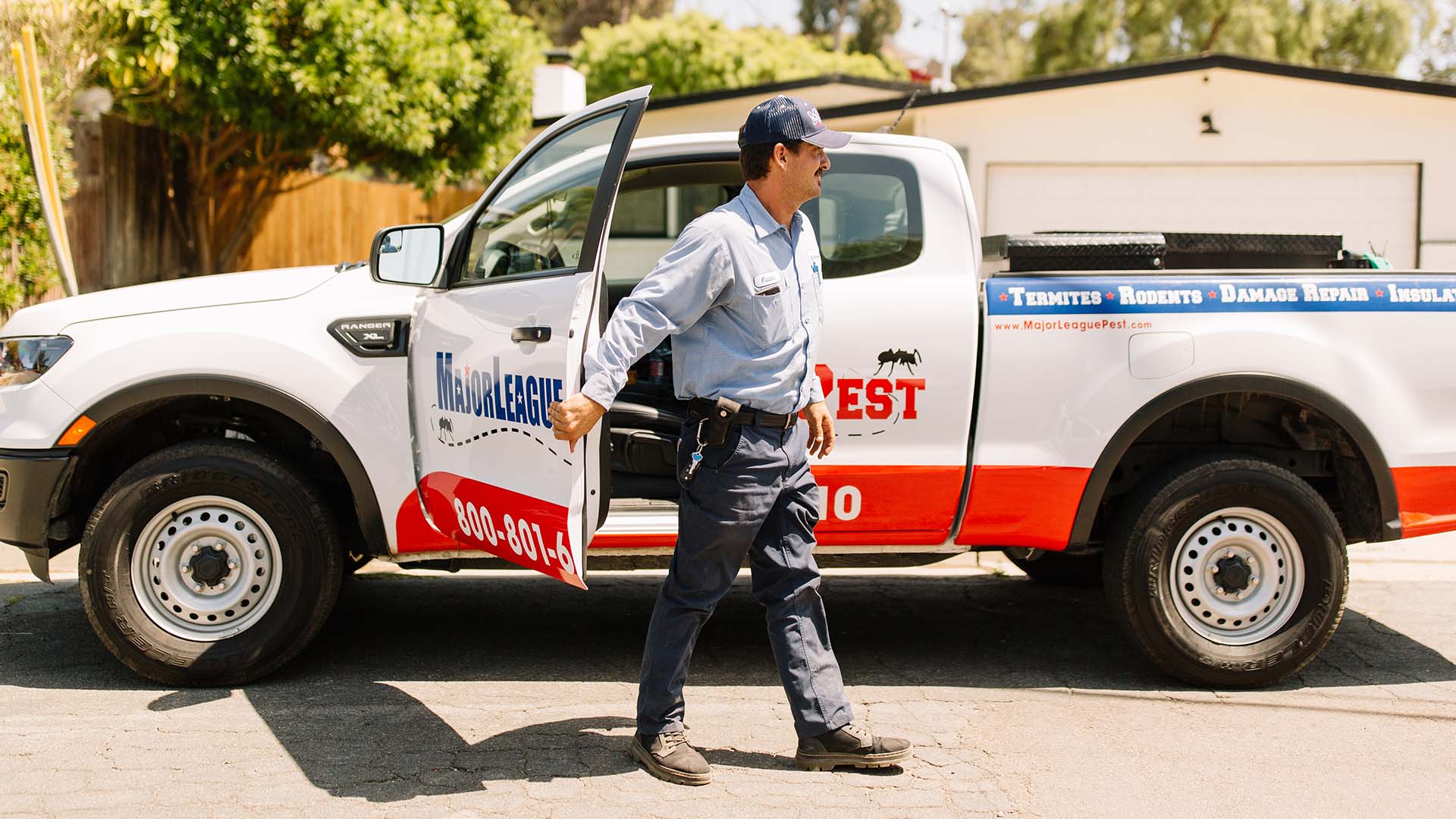
A roofline buzz, shed cluster, or wall-gap hum gets checked first. Major League Pest removes bees around pets, doors, and tight access.

Roaches move through drains, meter boxes, shared walls, garages, and kitchens. Service separates German roach activity indoors from outdoor invaders around utility areas.

Crickets gather near lights, doors, garages, and yard debris after warm evenings. Reducing exterior shelter helps lower noise, droppings, and indoor movement.

Earwigs hide in damp mulch, planters, and shaded cracks. A pest control exterminator can pair moisture reduction with treatment for harborage areas.

Fleas can build in pet resting spots, shaded patios, crawlspaces, and wildlife pathways. Spring and early summer often need closer inspection.

Roof rats climb trees, fences, utility lines, and vines to reach attics or garages. Pest control for indoor and outdoor seals gaps, trims cover, and removes fruit, trash, pet food.

Silverfish prefer damp storage areas, bathrooms, garages, and paper goods. Moisture correction and crack treatment help reduce feeding damage indoors.

Snails gather around irrigated beds, walls, and dense plantings. Recommendations limit movement toward doors and patios while protecting landscape priorities.

Most spiders help control insects, but widows matter around garages, block walls, furniture, clutter, and storage. Brown recluse spiders are not established in California homes.

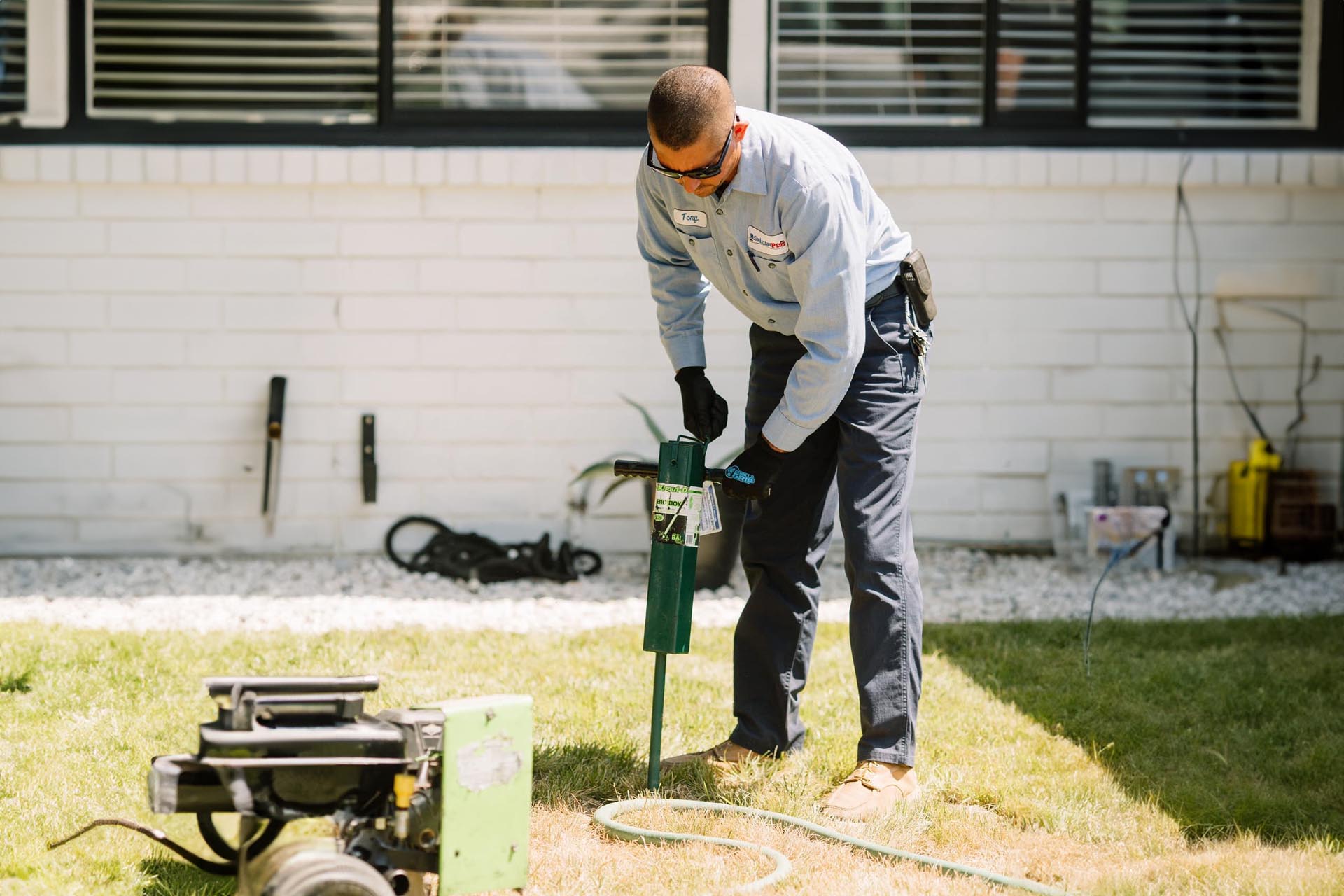
Drywood and subterranean termites behave differently. Major League Pest checks pellets, kickout holes, eaves, fascia, soil contact, and moisture before treatment.