
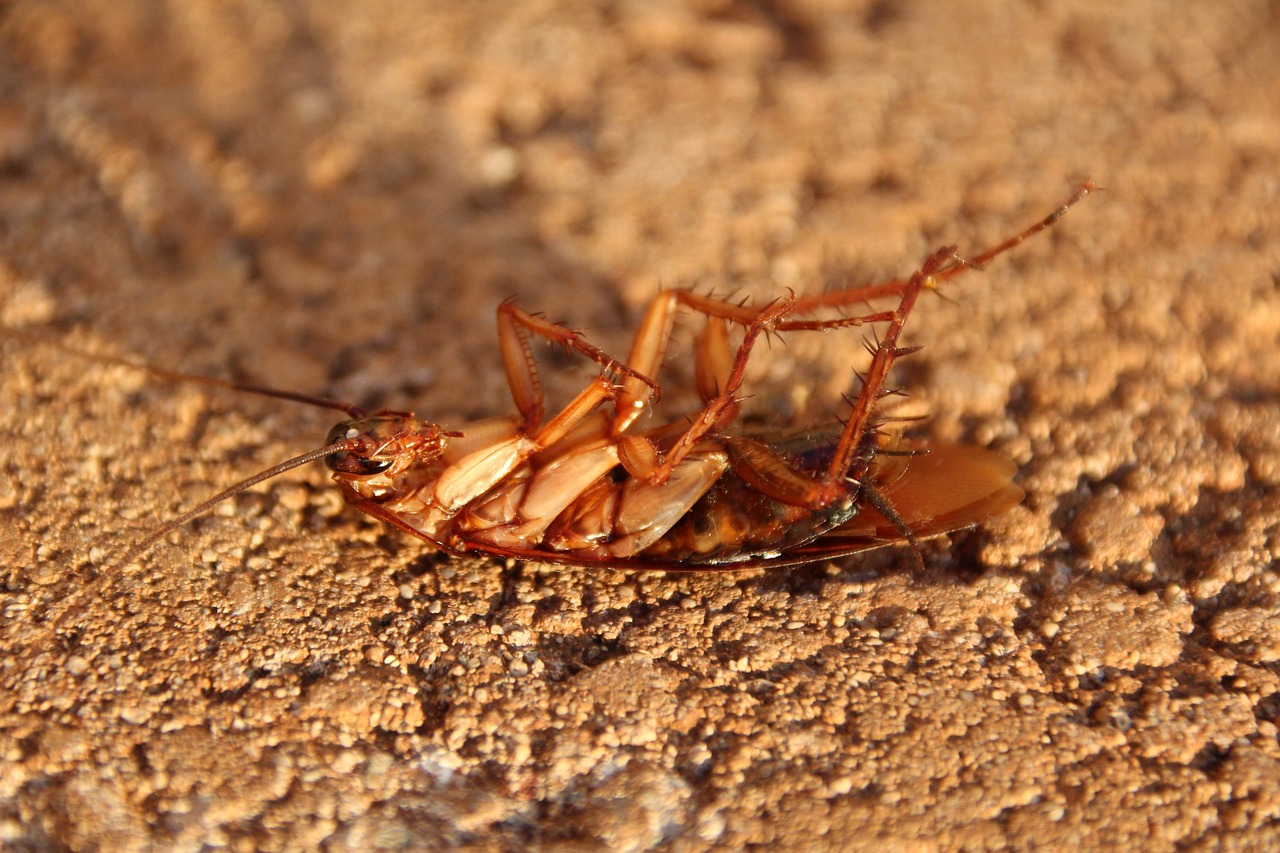
Fall in San Diego County does not always feel cold, but even modest changes in temperature and moisture can influence where cockroaches spend their time. Kitchens become especially attractive because they combine warmth, food, water, tight hiding places, and easy access to plumbing or wall voids. Once roaches find those conditions, they can remain active even when outdoor temperatures become less favorable.
Our team approaches cockroach control by looking at the entire route that supports activity. A roach seen near the sink may be connected to moisture under a cabinet, a drain line, a shared wall, an appliance gap, or an exterior access point. Professional inspection helps us determine which conditions matter most before treatment begins, making the response more precise and less disruptive.

Fall Conditions Can Push Roaches Toward Stable Indoor Shelter
Cockroaches prefer protected environments where temperature and moisture remain relatively steady. As outdoor conditions shift in fall, kitchens can provide the consistency they need. Warm appliance motors, plumbing lines, cabinet voids, and gaps behind fixtures can create sheltered areas that remain comfortable day and night.
Our guide to choosing pest experts explains why proper inspection and identification should come before treatment. That is especially important with cockroaches because different species can use different parts of the property.
Common kitchen pressure points include:
- Spaces behind refrigerators, ovens, and dishwashers
- Gaps around plumbing lines beneath sinks
- Cabinet voids that stay dark and undisturbed
- Drains or utility areas with recurring moisture
- Shared walls that connect kitchens with neighboring spaces
- Exterior gaps near doors, vents, or service penetrations
These areas can support activity even when only a few roaches are visible in the open.
Food And Moisture Can Keep A Kitchen Infestation Active
Cockroaches do not need large amounts of food to remain established. Crumbs, grease, food residue, pet food, trash, and organic buildup around appliances can all provide enough nutrition to sustain activity. Moisture can be just as important, especially around sinks, dishwashers, refrigerators, and plumbing.
Our technicians inspect these conditions together because treating visible roaches without correcting what keeps them there can lead to recurring activity.
Conditions that can support roaches include:
- Grease and crumbs beneath or beside kitchen appliances
- Open food packages stored in cabinets or pantries
- Pet food left accessible for long periods
- Leaks or condensation around sinks and appliance lines
- Trash containers that do not close securely
- Damp cleaning materials stored in enclosed spaces
Sanitation can reduce available resources, but it does not eliminate an established infestation by itself. Roaches may already be hiding in cracks, wall voids, drains, or appliance spaces where surface cleaning cannot reach them.
Low-Impact Treatment Works Best When It Reaches The Hidden Source
The most effective cockroach control is based on pest biology, harborage, moisture, and movement rather than broad treatment of every surface. Our article on low-impact treatments explains how targeted applications can reduce unnecessary product use while concentrating treatment where pests actually live and travel.
A professional cockroach-control plan may include:
- Identifying the cockroach species before selecting treatment
- Locating warm, damp, and low-disturbance harborages
- Treating cracks, crevices, and other confirmed activity zones
- Using baits or targeted materials where appropriate
- Monitoring problem areas to measure changes in activity
- Reviewing moisture, food, and access conditions during follow-up
This approach helps interrupt the infestation at the source instead of reacting only to individual sightings.
Fall can also make cockroach problems seem inconsistent. A cooler night may push activity deeper indoors, while a warm afternoon may reduce what homeowners see. That fluctuation can make it seem like the problem is improving when the hidden population is still active.
Professional monitoring is useful because it provides evidence over time. Traps, sighting patterns, droppings, egg cases, and recurring activity around the same appliance or cabinet can help our technicians determine whether treatment is working or whether another source remains.
San Diego County homes can also experience several cockroach species with different habits. Some are more strongly associated with kitchens and indoor spaces, while others may begin outdoors and enter through doors, drains, utility lines, or structural gaps. Accurate identification keeps treatment focused and avoids unnecessary applications in areas that aren’t contributing to the problem.
Long-term control works best when treatment, moisture correction, sanitation, exclusion, and follow-up support one another. Kitchens will always contain food and water because they are designed for daily use, so the goal is not to make the room sterile. It is to reduce the conditions that allow roaches to hide, feed, reproduce, and move through the structure unnoticed.
A fall cockroach problem should therefore be treated as more than a seasonal nuisance. When roaches repeatedly appear near sinks, appliances, cabinets, or drains, professional inspection can reveal whether the activity is localized or connected to a larger hidden infestation.
Keep Fall Roach Activity From Settling Into The Kitchen
If cockroaches are becoming more noticeable in your kitchen this fall, contact Major League Pest for professional cockroach control focused on inspection, targeted treatment, prevention, and long-term monitoring.
