
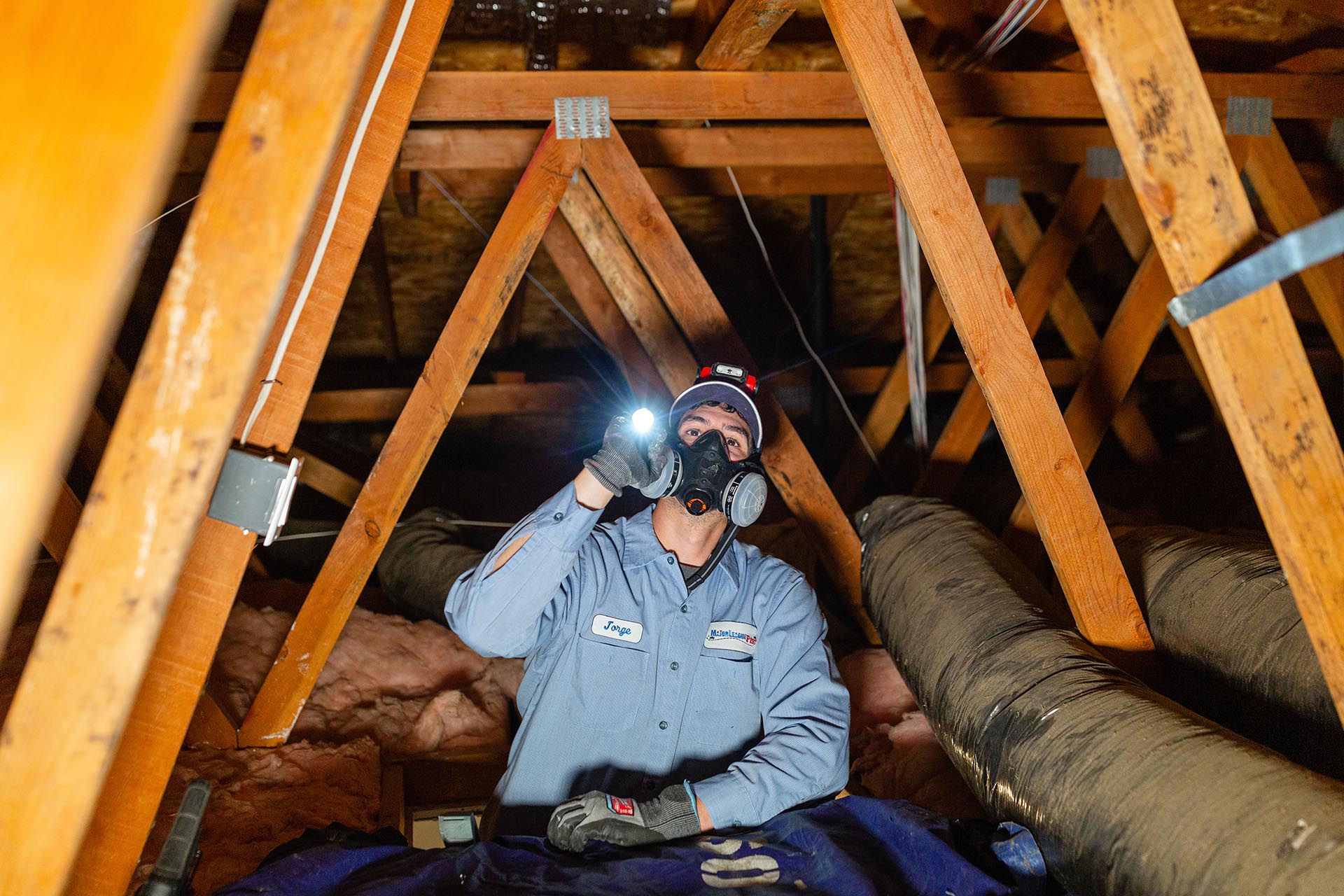
Low-impact pest treatments are built on precision, not guesswork. The goal is to solve pest activity while reducing unnecessary product use, limiting exposure, and focusing on the conditions that allow infestations to continue. This approach is especially important for homes and properties dealing with ants, fleas, cockroaches, spiders, termites, rodents, mosquitoes, rats, mice, gophers, squirrels, and related structural concerns.
A low-impact pest treatment does not mean a weaker service. It means the treatment is selected and applied with better information. Professional pest control considers pest biology, nesting sites, entry points, food sources, moisture, and seasonal patterns before deciding what method belongs where. When science guides the plan, results become more targeted and less disruptive.
Identification Comes Before Treatment
Every pest behaves differently. Ants follow trails and colony structures. Cockroaches hide in warm, tight, moisture-rich spaces. Fleas develop through several life stages. Spiders often appear where prey insects are active. Rodents use routes, gaps, and nesting materials. Termites work quietly inside wood or soil-connected areas.
- Identify the pest species before choosing a treatment method.
- Locate where pests nest, feed, breed, or travel.
- Evaluate moisture, food, shelter, and access points around the structure.
- Match the treatment to the pest’s behavior instead of treating every space equally.
Correct identification prevents unnecessary applications and helps avoid missed sources. A treatment that works for ants may not solve roaches, and a rodent issue requires a different approach than a termite concern.
Targeted Applications Reduce Unnecessary Exposure
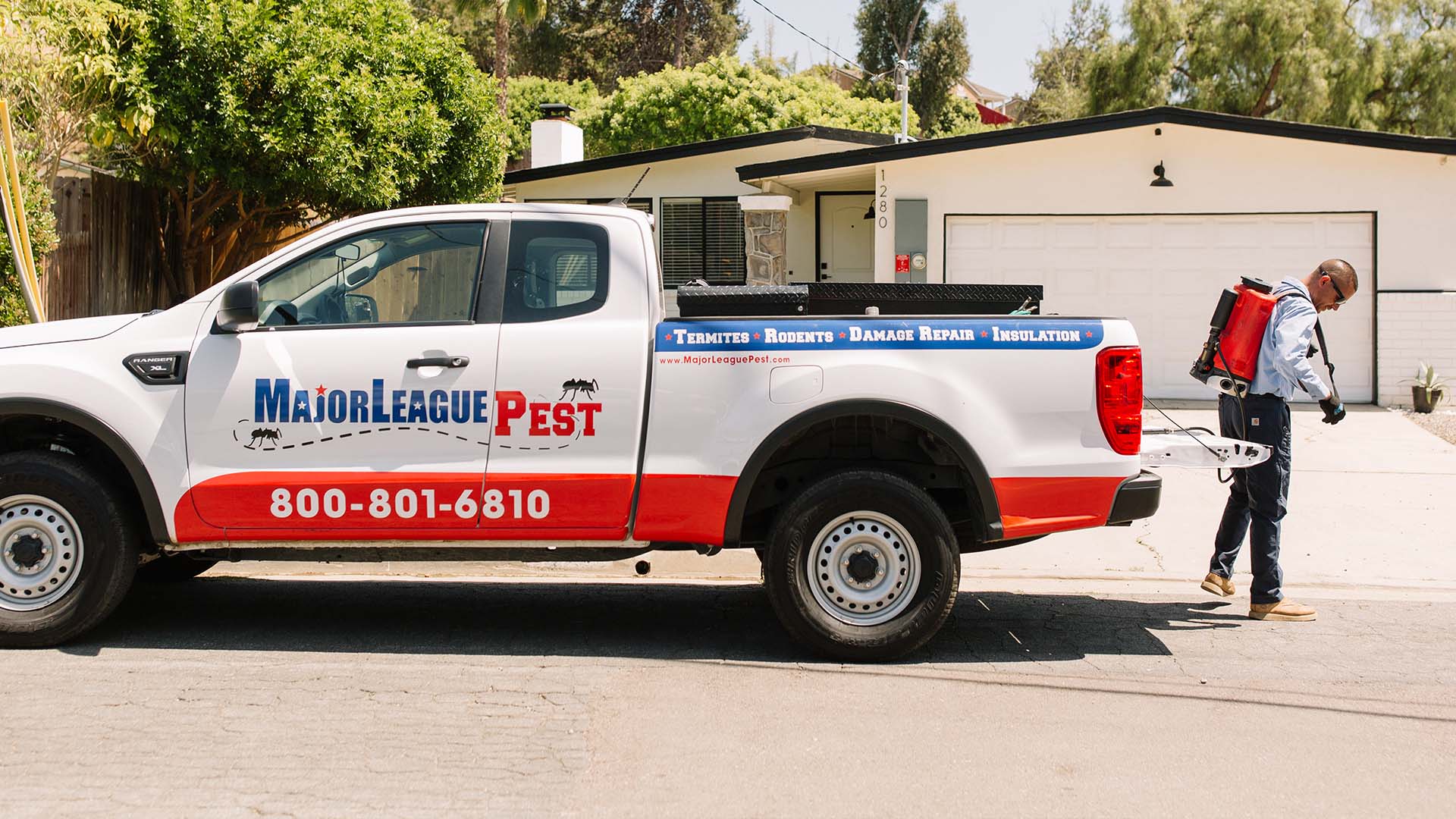
Low-impact service depends on placing the right material in the right location. Instead of broad, heavy applications, technicians focus on cracks, crevices, entry points, nesting areas, exterior routes, and active zones. This keeps the plan more efficient and helps protect surrounding spaces.
Targeted application also supports environmental responsibility. A resource on eco pest impact explains how precision, prevention, and reduced overuse can limit unnecessary chemical exposure and support healthier property conditions. The science is straightforward: when treatments are placed where pests live and move, less material is needed to create meaningful results.
This approach is useful for recurring pests such as ants, cockroaches, spiders, fleas, mosquitoes, and rodents. It also supports more careful termite work, where inspection and placement are critical.
Prevention Changes The Pest Environment
Pests thrive when the environment supports them. Low-impact treatments work best when paired with prevention because the property becomes less attractive over time. This can reduce pressure before pests become established again.
- Seal gaps around doors, vents, utility lines, and foundation openings when appropriate.
- Reduce moisture under sinks, near exterior walls, and around crawl spaces.
- Keep food, trash, pet food, and storage areas managed carefully.
- Address clutter, vegetation, debris, and nesting opportunities near the structure.
Prevention is not separate from treatment. It is part of the science. If rodents still have openings, roaches still have moisture, or ants still have access to food, visible activity may return. Professional evaluation helps identify which conditions matter most for the specific pest and property.
Monitoring Helps Treatments Stay Measured
Low-impact pest control relies on observation over time. Pests respond to weather, building conditions, food availability, landscaping, and seasonal changes. Monitoring allows technicians to adjust service based on evidence instead of repeating the same treatment automatically.
This is especially important for properties with recurring ants, rodents, cockroaches, fleas, mosquitoes, termites, spiders, gophers, or squirrels. Activity may shift from one side of the home to another, or a new entry point may appear after repairs, landscape changes, or weather events. Monitoring helps catch those changes early.
Choosing the right provider matters because low-impact work requires inspection skill, product knowledge, and clear communication. Guidance on choosing eco experts highlights the importance of methods that balance effectiveness, safety, and long-term planning. The most efficient service is not necessarily the strongest-looking one. It is the one that is accurate.
Long-Term Results Depend On Integrated Strategy
The strongest low-impact programs combine inspection, identification, targeted application, prevention, monitoring, and follow-up. This integrated approach is why professional service outperforms random products or broad one-time efforts. It treats the pest issue as a system instead of a single sighting.
- Ant service may include trail analysis, colony behavior, and exterior pressure points.
- Rodent work may require exclusion, trapping, sanitation review, and damage repair.
- Termite service may involve inspection, treatment, placement, and structural awareness.
- Spider, flea, and mosquito service may focus on harborage, hosts, and environmental conditions.
Low-impact pest treatment is scientific because it respects how pests survive. It also respects the home by limiting unnecessary disruption. When the plan is tailored to the pest and property, homeowners gain more reliable protection with a more thoughtful use of materials, tools, and preventive guidance.
Choose Smarter Pest Protection
For low-impact pest control, targeted treatments, termite service, rodent solutions, repairs, insulation support, and prevention-focused care for ants, fleas, cockroaches, spiders, mosquitoes, rats, mice, gophers, squirrels, and other common pest concerns, contact Major League Pest for professional service built around careful inspection and long-term protection.
