

Rodent problems in managed properties rarely stay confined to one unit or one corner of a building. Rats and mice can travel through garages, attics, utility routes, wall voids, landscaped areas, and shared storage spaces, creating concerns for residents, maintenance teams, and property managers.
Effective rodent control starts with understanding how the property functions as a connected environment. Food, water, shelter, and structural openings can support activity across several units at once. Professional inspection, exclusion, trapping, sanitation guidance, documentation, and follow-up help managers respond systematically instead of treating every sighting as an unrelated complaint.
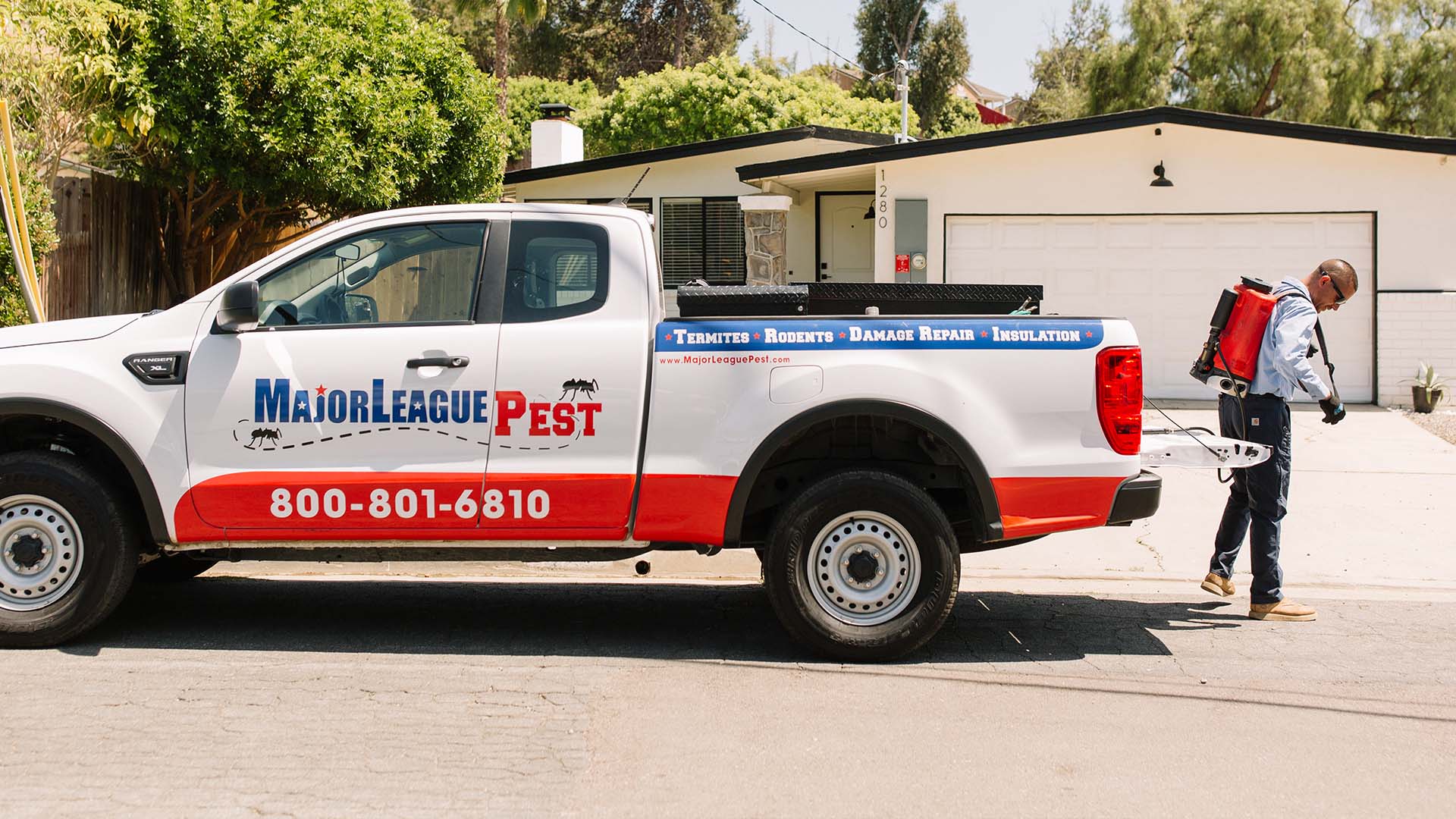
Inspections Should Cover Shared And Private Risk Areas
Property managers need a clear picture of where rodent activity begins and how far it extends. One resident may report scratching in a wall while the actual access point is near a shared roofline, utility area, dumpster, or garage.
A professional inspection may focus on:
- Roof edges, attic vents, and utility penetrations
- Garage-door gaps and worn weatherstripping
- Shared trash and recycling areas
- Storage rooms, crawl spaces, and mechanical areas
- Landscaping that provides cover near structures
- Droppings, gnaw marks, rub marks, or nesting material
A broader HOA pest strategy shows why coordinated inspections are especially useful in communities where multiple buildings and common areas share the same pest pressures. The goal is to map activity before deciding where treatment or exclusion belongs.
Exclusion Is Just As Important As Removing Rodents
Trapping addresses rodents already present, but long-term rodent control depends heavily on preventing new animals from using the same routes. Rats and mice can exploit gaps around doors, vents, roof intersections, pipes, cables, and damaged exterior materials.
Professional exclusion is more precise than simply sealing every visible opening. Technicians look for evidence that a gap is actively being used and consider whether rodents may still be inside before closing it. This sequencing reduces the chance of trapping animals within walls or forcing them into another part of the property.
For managers, exclusion also becomes a maintenance issue. Repairs may involve vendors, association responsibilities, or access to tenant-occupied areas, so documentation helps everyone understand which openings were identified and what corrective work is recommended.
Sanitation And Landscaping Can Influence Recurring Activity
Rodents remain where reliable resources are available. Shared dumpsters, pet food, bird seed, dense vegetation, stored materials, and irrigation can all make a property more supportive.
Management priorities may include:
- Keeping dumpster lids closed and surrounding areas clean
- Reducing spilled food around common-use spaces
- Trimming vegetation away from walls and rooflines
- Correcting irrigation leaks near foundations
- Organizing storage so inspection routes stay visible
- Removing unnecessary debris that creates protected shelter
These conditions do not replace professional treatment, but they influence how quickly activity returns after service. A property with good sanitation but an open attic vent can still have rodent problems, just as a well-sealed building can attract rodents if food and shelter remain abundant outside.
Prevention Plans Should Change As The Property Changes
Managed properties are rarely static. Landscaping grows, roofs age, storage patterns change, renovations create new penetrations, and seasonal weather shifts rodent movement. A rodent plan that worked last year may not address current conditions.
A guide to updating prevention plans highlights why managers should review entry points, moisture, food sources, pest history, and seasonal pressure regularly. Rats and mice may use different parts of a property as temperatures, rainfall, and outdoor resources change.
Professional monitoring makes these adjustments easier because technicians can compare new findings with earlier service records. If activity moves from a dumpster area to a roofline, or from a garage to an attic, the plan can shift based on evidence rather than repeating the same response.
Documentation And Communication Improve Long-Term Results
Rodent control works more efficiently when property managers, residents, and pest professionals share accurate information. A single complaint may seem isolated until records show that several nearby units have reported similar activity.
A stronger management process may include:
- Recording dates and locations of rodent sightings
- Tracking inspection findings and exclusion repairs
- Giving residents clear preparation or access instructions
- Documenting trapping and monitoring locations
- Following up after structural repairs are completed
- Reviewing recurring complaints for patterns across the property
Professional rodent control also reduces the risk of fragmented responses. One vendor may repair a gap, another may clean an area, and residents may report activity separately. Without coordination, important details can be missed. A documented plan creates continuity and helps managers see whether activity is declining, shifting, or returning. This record also helps managers explain completed work and outstanding recommendations during board or resident discussions.
The strongest rodent-management programs treat the property as a system. Inspection identifies where rodents are active, exclusion addresses access, sanitation reduces attractants, and follow-up confirms whether the plan is working. That structure helps property managers reduce repeat complaints and protect shared spaces without relying on one-time reactions.
Keep Rodent Management Organized Property-Wide
If rats or mice are creating recurring concerns across your property, contact Major League Pest for professional inspection, rodent control, exclusion guidance, monitoring, and long-term property-management support.
