
A pest prevention plan should not stay the same year after year. Homes change, weather patterns shift, landscaping matures, and pest pressure can increase quietly before visible activity appears. What worked last season may not fully address current risks around the property, especially when pests are adapting to new food, shelter, and moisture conditions.
A strong pest prevention plan looks at the entire property, not just the rooms where pests were last seen. Ants, cockroaches, rats, mice, termites, gophers, squirrels, spiders, and mosquitoes can all respond differently to seasonal changes and structural conditions. Updating the plan helps keep pest control more precise, practical, and long-term focused.
Review What Changed Around The Property
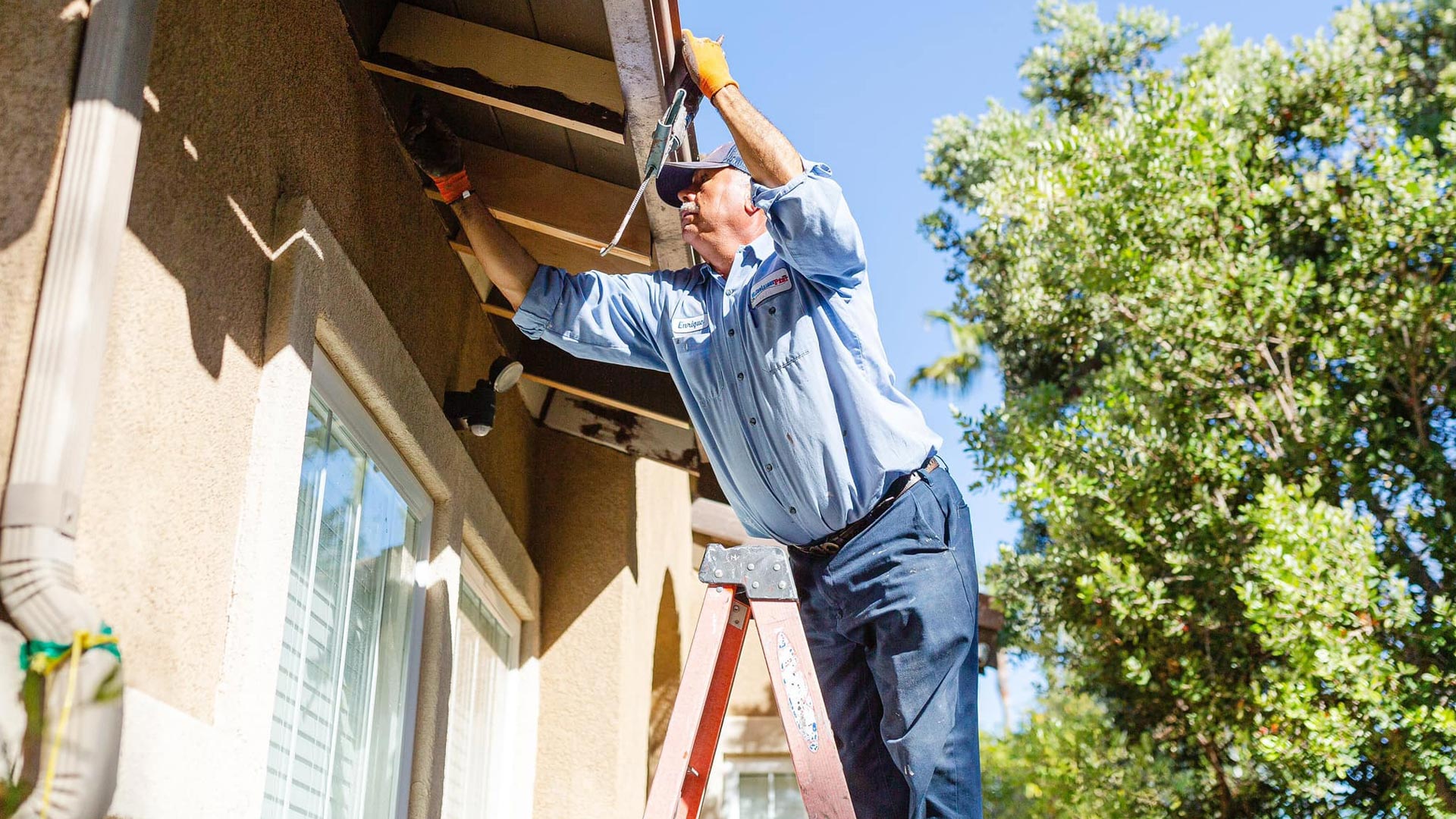
The first step is identifying what has changed since the previous service plan was created. Even small adjustments around a home can influence pest movement. New landscaping, storage changes, plumbing repairs, garden additions, or exterior wear can create new opportunities for pests.
- Inspect new gaps around doors, vents, siding, and utility lines
- Review landscaping growth near foundations, walls, and rooflines
- Check storage areas for clutter that may shelter rodents or insects
- Look for moisture near plumbing, irrigation, drains, and crawl spaces
- Note whether pest sightings have shifted to different areas
A pest prevention plan should reflect the current condition of the home. If rodents are appearing near garages, ants are entering kitchens, or termites are becoming a concern around wood features, the plan may need different inspection priorities and treatment focus.
Exterior preparation also plays a major role before seasonal services. This guide on spring exterior prep explains why outdoor conditions often shape what happens indoors later.
Consider Seasonal Pest Pressure
Pest activity does not remain steady throughout the year. Warmer weather may increase ant trails, cockroach movement, mosquito pressure, and termite activity. Cooler periods can push rats and mice into garages, attics, and wall voids. Seasonal patterns should guide how often inspections occur and which areas receive closer attention.
- Spring may bring increased insect and termite activity
- Summer can intensify mosquito, ant, and cockroach pressure
- Fall often encourages rodents to look for sheltered spaces
- Winter may hide activity inside attics, walls, and crawl spaces
- Rain, heat, and dry periods can change pest movement quickly
Updating a plan also means recognizing when activity becomes urgent. Chewed wiring, strong odors, repeated rodent noises, termite signs, or widespread cockroach activity may require faster attention than routine prevention. Homeowners can review pest emergency signs to understand when a developing issue may need prompt professional evaluation.
Professional pest control planning helps match service timing with local pest behavior instead of relying on a one-time schedule that may miss seasonal changes.
Evaluate Entry Points, Moisture, And Food Sources
Most infestations persist because pests continue finding access, moisture, food, or shelter. Updating a pest prevention plan should include a careful review of the conditions that attract pests in the first place.
- Seal structural gaps where rodents, ants, or cockroaches may enter
- Correct moisture issues that support termites and insects
- Keep food storage areas clean, sealed, and regularly inspected
- Reduce outdoor debris that may shelter gophers, squirrels, or rodents
- Monitor trash areas, pet-food spaces, and garage storage carefully
This step is important because visible pests are often only symptoms of a larger condition. A cockroach sighting may point to moisture. Rodent activity may reveal an opening. Termite concerns may connect to wood-to-soil contact or drainage problems.
Eco-conscious planning can also be part of a modern pest prevention strategy. Targeted treatments, monitoring, and prevention-focused methods may reduce unnecessary product use while still addressing pest activity effectively.
Make The Plan More Long-Term And Inspection-Based
A stronger pest prevention plan should not focus only on reacting after pests appear. It should prioritize inspection, documentation, adjustment, and long-term monitoring. This helps identify early activity before it becomes more expensive or difficult to manage.
Professional inspections can reveal termite risk, rodent entry points, cockroach harborage, ant pathways, moisture concerns, and exterior vulnerabilities that are easy to miss during routine household maintenance. They also help determine whether treatment areas should change based on current pest pressure.
A good plan should also include follow-up expectations. If activity continues after treatment, the plan may need refinement rather than repetition. Pest behavior changes, and prevention strategies should adapt to it.
Build A Smarter Protection Strategy
Updating your pest prevention plan helps protect the home from hidden activity, seasonal pressure, and recurring infestations before they become harder to manage. A professional review can identify current risks, adjust treatment priorities, and support more reliable long-term pest control. For expert help creating a more effective prevention strategy, contact Major League Pest.
