
Pest activity is a common challenge for both residential and commercial properties. From ants and cockroaches to rodents, termites, spiders, and mosquitoes, these pests can disrupt daily life and compromise structural conditions. As awareness around environmental impact grows, many property owners are looking for better ways to manage infestations without creating additional concerns.
Eco-conscious pest control focuses on reducing environmental strain while still addressing pest activity effectively. Rather than relying on broad, one-time treatments, this approach emphasizes targeted application, long-term planning, and thoughtful use of materials. When applied correctly, it becomes an eco-friendly solution that balances pest control with environmental responsibility.
What Defines Eco-Friendly Pest Control Practices
Eco-friendly pest control is not limited to using different products. It involves a broader strategy that considers how treatments interact with the surrounding environment. This includes minimizing unnecessary chemical exposure, improving precision in application, and focusing on prevention rather than repeated reaction.
Traditional methods often rely on widespread treatments that may affect areas beyond the intended target. In contrast, eco-conscious practices prioritize specific zones where pests are active. This reduces overall impact while maintaining effectiveness.
Many modern pest control programs also incorporate monitoring and evaluation. Instead of applying treatments on a fixed schedule without adjustment, these methods adapt based on pest behavior and environmental conditions. This flexibility helps maintain results while avoiding unnecessary applications.
Environmental Benefits Of Targeted Pest Control Approaches
- Reduced chemical exposure. Targeted treatments limit the amount of product introduced into the environment
- Protection of beneficial insects. Focused applications help avoid disrupting pollinators and other non-target species
- Improved soil and water conditions. Lower runoff reduces the risk of contamination in surrounding areas
- Less waste generation. Strategic use of materials prevents overuse and excess product disposal
- Balanced ecosystem support. Maintaining natural predator-prey relationships helps regulate pest populations
These benefits highlight how eco-friendly solution strategies extend beyond immediate pest control results. They contribute to a healthier outdoor environment while still addressing active infestations.
How Eco-Friendly Methods Address Common Pests
- Ants and cockroaches. Targeted baiting systems reduce colony growth without widespread application
- Rodents. Exclusion and monitoring limit access points and reduce reliance on repeated treatments
- Termites. Precision-based treatments focus on structural vulnerabilities rather than blanket coverage
- Mosquitoes. Habitat reduction and focused treatment areas limit breeding conditions
- Spiders and general pests. Managing entry points and environmental factors reduces indoor activity
This approach aligns with how pests behave in real-world conditions. Instead of treating every area equally, eco-friendly pest control concentrates on the zones where pests live, breed, and travel. This improves efficiency while lowering environmental impact.
Why Prevention Plays A Central Role In Eco-Friendly Solutions
One of the defining aspects of eco-friendly pest control is its focus on prevention. Rather than waiting for infestations to develop, these methods aim to reduce the conditions that allow pests to thrive in the first place.
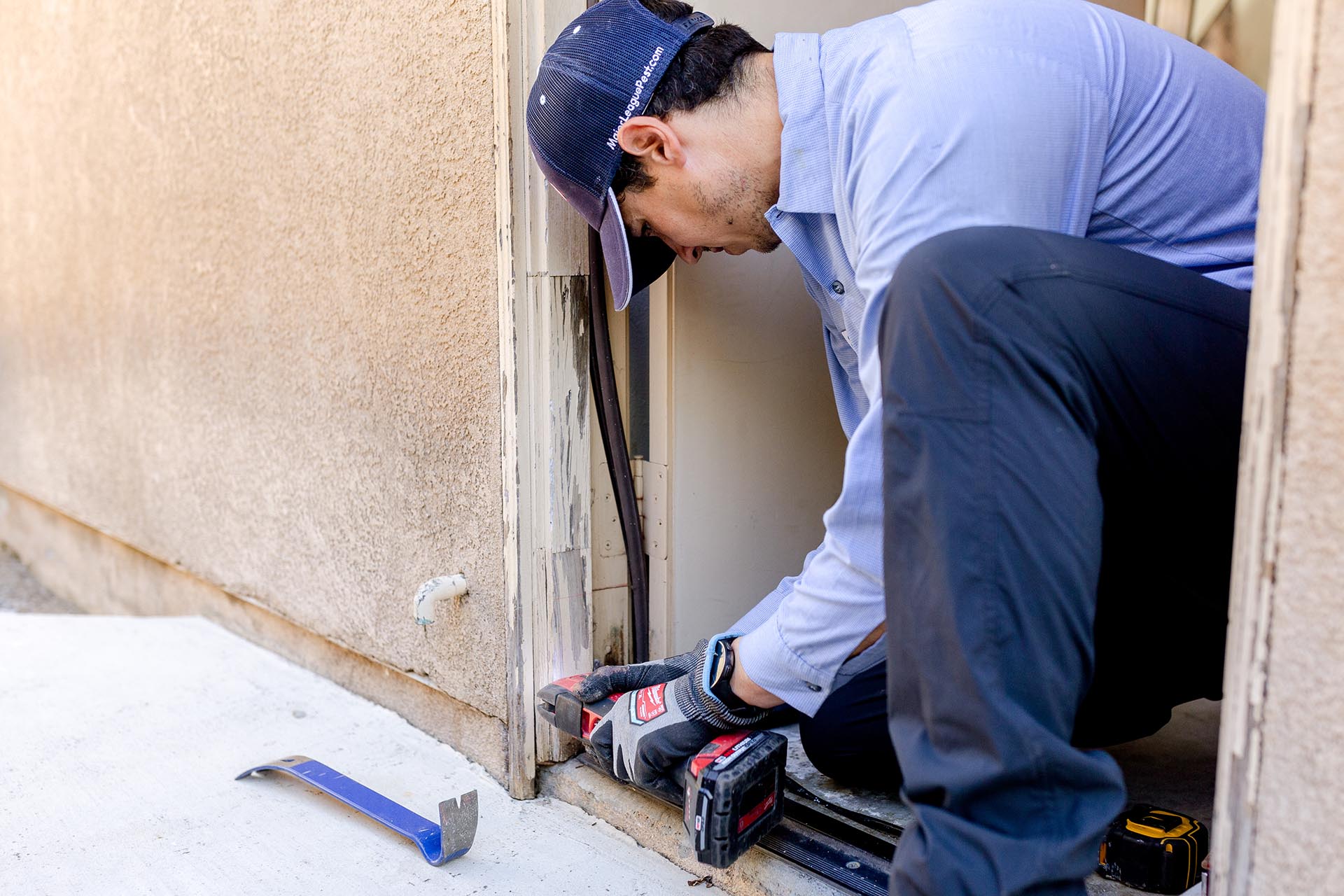
Preventive strategies include sealing entry points, managing moisture levels, and maintaining clean outdoor spaces. These steps reduce the need for repeated treatments and support long-term stability.
Understanding how eco-conscious methods apply in different living environments can provide additional insight. For example, exploring apartment pest eco-solutions shows how targeted strategies adapt to shared spaces and multi-unit properties.
The Limitations Of One-Time Pest Control Treatments
- Short-term results. One-time treatments often address visible pests without resolving root causes
- Increased product use. Repeated reactive treatments can lead to higher overall material use
- Environmental strain. Frequent applications may impact surrounding ecosystems over time
- Inconsistent outcomes. Without ongoing monitoring, pest activity can return unpredictably
- Missed prevention opportunities. Reactive approaches do not address long-term vulnerabilities
These limitations highlight why eco-friendly pest control emphasizes consistency and planning. A structured approach reduces the need for repeated intervention while supporting a more stable environment.
Choosing The Right Approach For Long-Term Impact
Eco-friendly pest control is not about eliminating treatment altogether. It is about applying the right methods at the right time, using the least amount of product necessary to achieve effective results. This balance requires an understanding of pest behavior, environmental conditions, and property-specific factors.
Selecting the right approach often involves evaluating how different strategies perform over time. Learning how to identify effective providers and treatment plans can make a significant difference. This is explored further in choosing eco pest experts, where decision-making plays a key role in long-term success.
Creating A Sustainable Approach To Pest Control
A sustainable pest control plan considers both immediate needs and future impact. Eco-friendly solutions are designed to work gradually, reducing pest activity while maintaining environmental balance. This approach supports healthier outdoor spaces and more consistent indoor conditions.
While some adjustments can be made through routine maintenance, long-term success often depends on a structured strategy. Pest control that adapts to changing conditions provides more reliable outcomes than methods that rely solely on quick fixes.
A Smarter Way To Protect Your Property
If you are looking for a pest control approach that prioritizes both effectiveness and environmental responsibility, professional guidance can help you find the right balance. Reach out to Major League Pest to explore eco-friendly solution options designed for long-term pest control and sustainable results
