
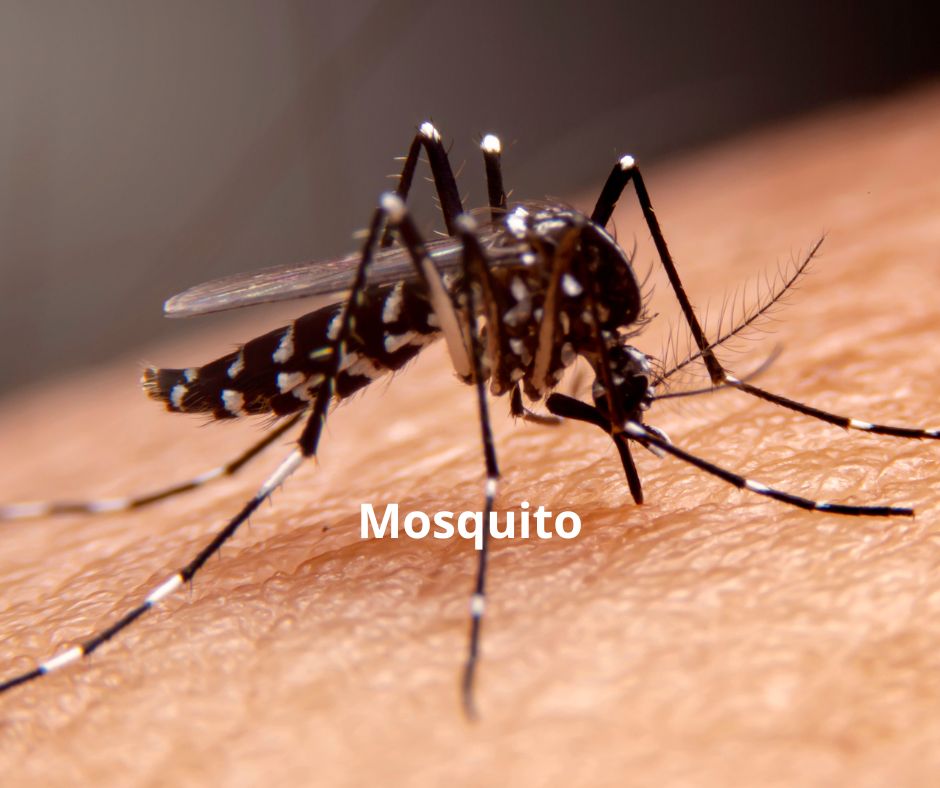
Southern California summers combine long dry periods, coastal humidity, irrigation, warm evenings, and occasional moisture from storms or marine influence. One property may remain relatively dry, while another contains shaded planters, clogged drains, dense vegetation, or containers that hold enough water for mosquitoes to develop.
Effective mosquito control begins with understanding how temperature, water, shade, and wind influence where mosquitoes breed, rest, and seek hosts. Professional inspection connects biting activity with the conditions producing it. This makes treatment more precise than reacting to insects seen around a patio.
Heat Speeds Mosquito Development And Feeding
Warm temperatures can accelerate mosquito development when water is available. Eggs and immature stages may progress more quickly in small, protected water sources, while adult mosquitoes become more active during favorable parts of the day. Extreme midday heat may push them into shaded resting areas, followed by stronger activity during mornings, evenings, or cooler periods.
Technicians look for conditions such as:
- Warm standing water in buckets, plant saucers, drains, and decorative containers
- Shaded vegetation where adult mosquitoes can rest during hotter hours
- Irrigated soil and landscape edges that remain damp
- Protected patios, side yards, and entry areas with limited airflow
- Repeated biting activity near outdoor seating or pet-use zones
Inspection helps determine whether the pressure begins on the property or is being reinforced by nearby conditions.
Property Reports Help Identify Contributing Conditions
A professional inspection report can clarify why mosquito activity is concentrated in certain parts of a yard. It may document standing-water sources, dense vegetation, drainage trouble spots, shaded resting zones, and other conditions that support breeding or adult activity. Understanding inspection report findings helps property owners see how observations connect with treatment and follow-up recommendations.
Mosquito pressure can also overlap with other pests handled by the service provider, including ants, bees, cockroaches, crickets, earwigs, fleas, gophers, ground squirrels, mice, rats, silverfish, snails, spiders, and termites. A mosquito-focused inspection keeps recommendations tied to confirmed breeding and resting conditions rather than treating every outdoor insect concern the same way.
Irrigation Can Create Reliable Breeding Opportunities
Southern California landscapes often depend on regular watering during summer. Irrigation supports lawns and plants, but overspray, clogged drainage, leaking valves, and poorly draining containers can create recurring water sources. Mosquitoes do not need a large pond. Small amounts of water that remain undisturbed may be enough.
A property review may include:
- Sprinkler zones that repeatedly soak shaded soil or hardscape depressions
- Plant saucers and pots that retain water after irrigation
- Drainage channels containing debris or slow-moving water
- Leaking hose connections, valves, fountains, or outdoor fixtures
- Tarps, toys, furniture, and equipment that collect shallow water
Simply emptying one container may not solve the larger pattern when irrigation recreates moisture every few days. Professional mosquito control evaluates how water returns, which sites remain active, and where source reduction should be paired with targeted treatment.
Natural Remedies May Disrupt A Focused Plan
Homeowners often try strongly scented plants, oils, candles, or broad outdoor sprays when mosquitoes become noticeable. These measures may provide limited, temporary relief in a small area, but they do not necessarily identify breeding sites or reduce resting populations. Some poorly selected approaches can also scatter activity, affect non-target areas, or create false confidence while water sources remain active.
The discussion of remedy-related problems reinforces why pest methods should be chosen according to behavior, site conditions, and product science. Professional mosquito service may involve:
- Inspecting breeding sources and shaded resting locations
- Reducing or correcting water-holding conditions
- Applying targeted treatment to active mosquito zones
- Explaining preparation, drying, and reentry instructions
- Returning for seasonal adjustment when activity changes
This measured approach avoids assuming that a natural label automatically makes a method effective, suitable, or low-impact for every property.
Coastal Moisture And Seasonal Change Require Follow-Up
Southern California is known for dry summers, but coastal areas can still experience humidity, marine-layer moisture, and cooler shaded zones. These microclimates may help vegetation and containers stay damp longer than expected. Inland properties face different patterns, including intense heat, heavy irrigation demand, and warm evening activity.
Long-term mosquito control therefore depends on monitoring rather than one-time treatment alone. Technicians compare current biting pressure with earlier findings, check whether water sources have returned, and adjust treatment areas as vegetation, weather, and yard use change.
Follow-up is especially useful when mosquitoes continue entering from neighboring properties or public spaces. No service can prevent every mosquito from flying into a yard, but reducing breeding opportunities and treating confirmed resting zones can lower local pressure. A professional plan sets realistic expectations while focusing effort where evidence shows it will have the greatest effect.
Summer weather shapes mosquito behavior through heat, moisture, shade, and changing access to water. Understanding those factors allows treatment to remain targeted, efficient, and responsive throughout the season.
Make Outdoor Time Feel Comfortable Again
Contact Major League Pest for professional inspection, source reduction, targeted mosquito control, and seasonal follow-up tailored to Southern California conditions.
