
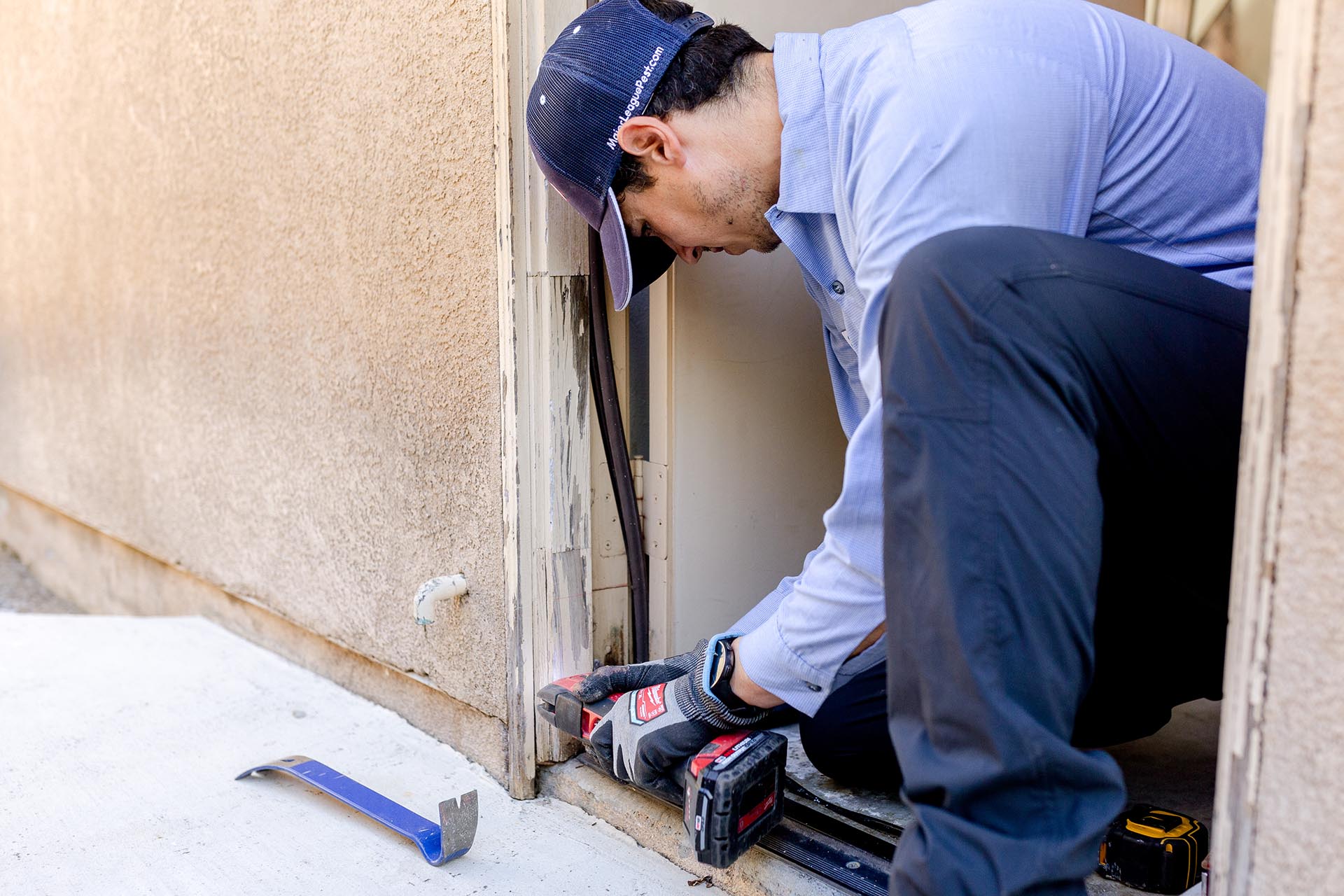
Natural pest products sound reassuring because they appear simple, familiar, and low-risk. Homeowners may reach for vinegar, essential oils, baking soda, citrus sprays, herbs, or homemade traps when ants, cockroaches, spiders, fleas, mosquitoes, rodents, or termites become noticeable. The intention is understandable. No one wants unnecessary exposure inside the home.
The problem is that a natural pest remedy can sometimes disturb pests without solving the source. It may move activity into harder-to-reach areas, delay proper inspection, or create a false sense of progress while the infestation grows. Effective pest control depends on identification, placement, timing, and property conditions, not just whether a product sounds safe. That distinction matters in coastal and inland Southern California homes, where pest pressure can stay active across seasons.
Repellents Can Scatter The Problem
Many natural products work, if they work at all, by irritating pests or masking scent trails. That can seem helpful at first, especially with ants or cockroaches. However, scattering does not equal elimination. Pests may avoid the treated spot and relocate behind walls, under appliances, into cabinets, or deeper into cracks.
- Ants may split trails and form new routes when surface repellents disrupt movement.
- Cockroaches can retreat into tighter voids where moisture and food remain available.
- Spiders may return if the insects they feed on are still active.
- Rodents may shift travel paths without leaving the structure.
This is why repeated surface applications can make activity feel unpredictable. A professional inspection looks for entry points, nesting areas, moisture, food sources, and pest behavior before deciding where treatment should go.
Natural Ingredients Can Be Misused
“Natural” does not automatically mean harmless or effective. Essential oils, powders, strong-smelling sprays, and homemade mixes can irritate people, pets, or sensitive surfaces when used too heavily. Some ingredients may stain materials, leave residues, or create odors that do little to reach the actual infestation.
Misuse can also happen outdoors. Spraying random mixtures around patios, foundations, or landscaping may miss the real pest routes while disturbing beneficial areas. For mosquitoes, fleas, ants, spiders, and roaches, the result is often temporary avoidance rather than long-term reduction.
The better question is not whether a product is natural. It is whether the method matches the pest, the location, and the level of activity. Professional pest control uses that context to reduce unnecessary treatment and focus on the areas that matter most.
Termites Are Too Hidden For Guesswork
Termites are one of the clearest examples of why natural remedies can backfire. They often work behind walls, flooring, trim, sub-areas, decks, and other hidden wood components. A homeowner may see wings, tubes, frass, soft wood, or surface damage and try a quick application, but the visible sign may be far from the main colony activity.
- Surface sprays may never reach the active galleries.
- Delayed inspection can allow wood damage to continue quietly.
- Moisture, wood-to-soil contact, and faulty grades may remain uncorrected.
- Damaged areas may require evaluation beyond the visible surface.
The risks are especially serious because termite issues involve structure, moisture, and long-term monitoring. Guidance on termite treatment risks reinforces why inspection-driven service is more reliable than guessing from a few visible clues.
Quick Fixes Can Hide Urgent Warning Signs
Some pest situations need faster attention than a homemade solution can provide. Rodents inside living areas, large cockroach activity, recurring flea bites, wasps near entries, or suspected termite damage can point to health, safety, or structural concerns. Natural products may reduce what is visible for a short time while the underlying issue keeps advancing.
This matters because pests often leave patterns. Droppings, gnaw marks, grease trails, shed wings, damaged wood, scratching sounds, nests, odors, and repeated sightings all help determine urgency. Masking odors or disturbing trails can make those signs harder to read.
A helpful resource on urgent pest signs explains why certain activity should be evaluated promptly. When the issue is escalating, waiting through several one-time experiments may make the final solution more complicated.
Prevention Works Better Than Random Treatment
The strongest approach is prevention guided by inspection. Pests enter homes for food, water, shelter, warmth, nesting space, or access to other insects. If those conditions remain, natural sprays and homemade mixtures rarely deliver lasting results.
- Seal gaps around doors, utility lines, vents, and foundation openings when appropriate.
- Reduce moisture under sinks, around plumbing, and near exterior walls.
- Store food, pet food, and trash in tight-fitting containers.
- Keep vegetation, debris, and clutter from creating pest-friendly shelter.
Professional service helps connect these details. Ants may indicate food trails, roaches may point to moisture and harborage, rodents may reveal openings, spiders may reflect insect activity, and termites may signal hidden wood or soil conditions. A careful plan treats the current problem while reducing the reasons pests keep returning.
Choose Protection That Looks Deeper
For inspection-focused service, targeted treatments, and long-term prevention support, contact Major League Pest for help managing pest concerns responsibly.
