
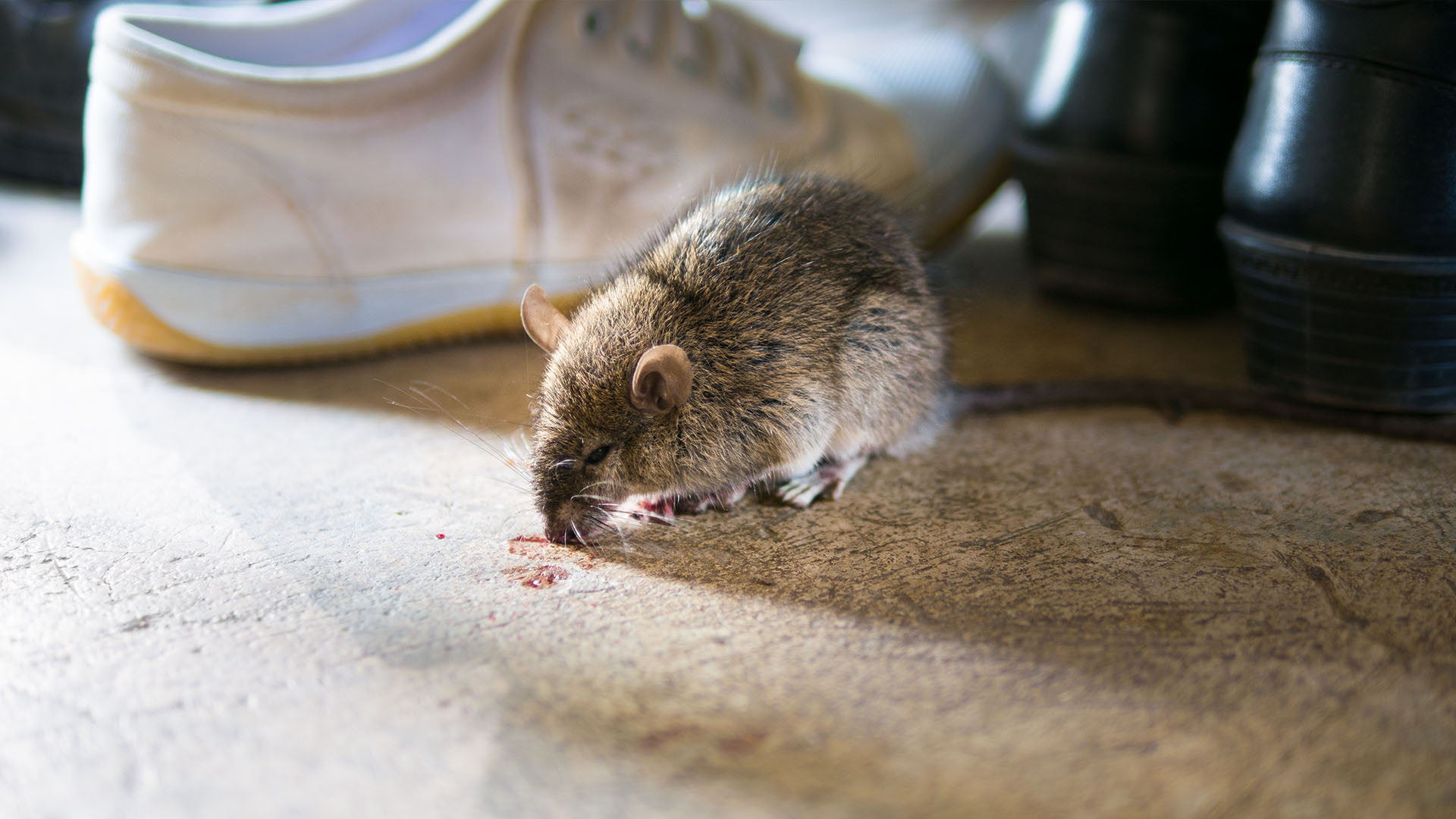
A rat running along a backyard fence can disappear into a tree before anyone gets a clear look. Later, scratching comes from above the bedroom, even though the garage and ground-level doors appear secure. In Oceanside, that combination deserves a closer look at the roofline, not just the foundation.
Roof rats are agile climbers that can use landscaping and connected structures to approach elevated openings. We investigate how the animal reaches the building, where it may be entering, and whether current evidence indicates activity inside. Seeing a rat in a tree does not automatically mean it has moved into the attic.
Trace the Climbing Routes Around Your Property
A mature fruit tree may offer food and cover, while a nearby fence, vine, or utility route can help roof rats travel above ground. Coastal San Diego County’s relatively mild climate supports activity through much of the year.
Places worth reviewing include:
- Tree branches: Limbs close to eaves may give climbing rats an easier approach to upper building surfaces.
- Fences and trellises: Connected structures can form pathways from yard boundaries toward patios and roofs.
- Vines and dense planting: Vegetation against walls can conceal movement and make exterior inspection harder.
- Outdoor food: Fallen citrus, birdseed, and unsecured pet food may encourage rodents to revisit the area.
- Storage near walls: Stacked materials can provide cover around a route leading toward the house.
Trimming branches may remove a convenient crossing, but it cannot fix a damaged vent screen. Similarly, a rat seen on a fence might be foraging without living inside. We look for consistent paths, fresh droppings, and evidence near access points before deciding what needs correction.
Our article on coastal roof rat activity explains how landscaping, available food, and openings can work together. Reducing one attraction is useful, but a roofline inspection often reveals the more important vulnerability.
Look Closely at Eaves, Vents, and Attic Openings
Roof rats can approach high parts of a building without crossing the lawn in plain view. Gaps where fascia meets roofing, loose soffit panels, or damaged attic vent screens may provide access. Once inside, rats can move along framing and wall cavities, so the sound you hear may be some distance from the actual opening.
Our roofline assessment can cover:
- Soffit joints: Separated edges or damaged materials beneath eaves can expose sheltered cavities.
- Attic vents: Torn screening or loose fittings may create openings while the vent looks normal from below.
- Roof intersections: Flashing transitions and adjoining structures can hide defects that need qualified repair.
- Utility penetrations: Openings around cables and pipes may connect elevated exterior routes to interior spaces.
- Garage connections: Attached garages and adjacent roof sections may offer less obvious routes toward the attic.
Fresh droppings, rub marks, gnawed materials, or displaced insulation can strengthen the case for active rodent movement. Noises alone cannot identify the species. We inspect accessible areas and compare multiple clues rather than describing every attic sound as a roof rat.
Avoid climbing steep roofs, handling electrical lines, or covering attic vents to stop rodents. Vents must continue to function, and roof repairs may require a qualified contractor. Sealing a suspected active entrance before checking whether rats remain inside can also trap animals in concealed spaces.
Combine Removal With Exclusion and Follow-Up
Trapping may address rodents already occupying an attic, but it does not prevent another rat from using an unrepaired opening. Exclusion tackles the route itself. The right sequence depends on confirmed activity, available access, and building conditions, so we develop a property-specific plan rather than applying one fix to every home.
A practical response may include:
- Rodent identification: Confirm likely rats or mice through physical evidence and observed travel patterns.
- Targeted control: Use suitable traps or other approved methods in locations selected through inspection.
- Entry-point repairs: Recommend appropriate screening and durable sealing once animals are accounted for.
- Attractant reduction: Address accessible food, clutter, and vegetation that support repeat visits.
- Monitoring: Recheck previously active areas for new droppings, gnaw marks, or other signs.
Our guide to rodent exclusion and sealing outlines why closing established access routes matters after an initial response. We provide rodent inspections, targeted treatments, exclusion work, and follow-up for Oceanside properties, with recommendations based on the actual findings.
If wiring appears chewed, have a qualified electrician evaluate it. Do not sweep or vacuum dry rodent droppings, which can release contaminated particles. Appropriate cleanup and repairs may be needed after the animals are gone.
A roof rat problem is rarely solved by pruning a single tree or setting a trap beneath one noise. Understanding the approach route, confirming interior activity, and correcting the relevant opening gives homeowners a more dependable plan.
Stop Roof Rats Before They Settle Overhead
If you notice rats in nearby trees, roofline gaps, or scratching above your ceiling, contact Major League Pest for an Oceanside rodent inspection. We can investigate access routes, explain removal and exclusion options, and recommend follow-up suited to your home.
