
Apartment living offers convenience, community, and efficient use of space, but it also presents unique challenges when pests appear. Shared walls, connected plumbing lines, and high resident density allow insects and rodents to travel quickly from one unit to another. Once activity begins in one apartment, it can spread quietly through neighboring spaces.
Because of these conditions, many residents seek eco-friendly pest control options that address infestations without introducing unnecessary chemicals into small living areas. Modern pest management now focuses on targeted treatments, careful monitoring, and preventative practices designed to reduce environmental impact while still delivering effective results. When applied correctly, these strategies help control pests commonly found in apartments, including ants, cockroaches, spiders, rodents, wasps, termites, fleas, ticks, and bed bugs.
Understanding how eco-conscious pest solutions work helps residents make informed decisions that protect both their living environment and the larger apartment community.

Why apartments require a different pest control strategy
Unlike single-family homes, apartment buildings create interconnected ecosystems. Pipes, ventilation shafts, electrical conduits, and shared hallways provide easy travel routes for pests. Because of this, pest management in apartment complexes often requires a broader strategy that considers the entire structure rather than just one unit.
Eco-friendly pest control methods focus on long-term prevention rather than simply eliminating visible pests. This approach limits the need for repeated chemical treatments while still addressing the root causes of infestations.
Key factors that influence pest activity in apartments include:
- Shared structural pathways such as plumbing and wiring channels that allow ants, cockroaches, and rodents to move between units
- Food storage patterns where crumbs, pet food, or uncovered garbage attract pests quickly
- Moisture accumulation from bathrooms, kitchens, or leaking pipes that encourage cockroaches and termites
- High human activity that unintentionally introduces pests through packages, luggage, and furniture
Eco-conscious pest management begins with understanding these conditions and identifying where pests gain entry or access to resources.
Common apartment pests that benefit from eco-conscious control
Several pests frequently appear in apartment environments due to shared spaces and constant human activity. Eco-friendly pest control programs are designed to target these pests with precision while minimizing unnecessary exposure to chemicals.
The most common pests found in apartment communities include:
- Ants, which often enter through small cracks while searching for food or moisture
- Cockroaches, particularly German cockroaches, which thrive in warm kitchens and bathrooms
- Spiders, attracted by other insects that serve as food sources
- Rodents, including mice that travel easily through wall cavities and utility openings
- Wasps, which may build nests around balconies, windows, or rooflines
- Bed bugs, which spread through furniture, luggage, and shared laundry areas
- Fleas and ticks, often introduced through pets or outdoor exposure
- Termites, which can quietly damage structural wood components if left unchecked
Eco-friendly pest control strategies focus on interrupting the life cycles of these pests while preserving safety within residential environments.
Apartment residents who want to understand seasonal pest activity may find helpful insights in the article about spring pest prevention steps, which explains how preparation reduces infestations before they begin.
Core techniques used in eco-friendly pest control programs
Modern eco-friendly pest control methods rely on targeted solutions rather than broad pesticide application. This approach is often referred to as integrated pest management, which emphasizes monitoring, prevention, and selective treatment.
Professionals commonly use several techniques to achieve effective results while reducing environmental impact.
- Targeted bait systems that attract ants or cockroaches to specific locations rather than spraying entire areas
- Precision crack and crevice treatments that focus only on pest entry points instead of open living spaces
- Mechanical traps and monitoring devices to track rodent activity and identify movement patterns
- Low-impact formulations designed to break down quickly while remaining effective against pests
- Building inspections that identify structural gaps where insects or rodents gain entry
These approaches allow technicians to control pests efficiently without unnecessary chemical exposure inside apartments.
The goal is not simply removing pests but establishing conditions where they cannot return easily.
Preventive practices that support eco-friendly pest management
While professional pest services provide the technical solutions, prevention remains an important part of maintaining a pest-free apartment environment. Eco-friendly pest control programs often include education about habits that reduce pest attraction.
Preventive practices commonly recommended for apartment living include:
- Sealing small gaps and cracks around windows, baseboards, and plumbing openings
- Storing food in airtight containers to remove easy food sources for ants and cockroaches
- Keeping garbage sealed and disposed of regularly to reduce odors that attract pests
- Managing moisture levels by fixing leaks and improving ventilation in kitchens and bathrooms
- Reducing clutter where insects such as spiders or bed bugs may hide
Although these actions help reduce risk, apartment infestations often involve multiple units, making professional monitoring and treatment essential for complete control.
Residents concerned about maintaining safe environments around family members may also benefit from reading about safe pest treatment methods, which explain how professionals apply pest solutions responsibly.
Why professional eco-friendly pest solutions work best in apartments
Apartment pest problems rarely remain isolated to a single residence. Because buildings are interconnected, pests can migrate between units quickly when untreated areas remain nearby.
Professional eco-friendly pest control services provide several advantages that individual efforts cannot easily replicate:
- Comprehensive inspections that identify hidden pest pathways inside walls and structural spaces
- Coordinated treatment plans designed for multi-unit environments
- Access to specialized equipment and monitoring tools that improve detection accuracy
- Knowledge of pest behavior patterns that helps technicians target infestations effectively
- Ongoing monitoring programs that detect activity before it grows into larger infestations
Eco-conscious pest management combines these professional insights with safer treatment methods that align with modern environmental standards.
This balanced approach allows apartment residents to maintain comfortable living conditions while reducing unnecessary chemical exposure.
Start Building A Safer Pest Control Plan Today
Eco-friendly pest management works best when prevention, monitoring, and targeted treatment operate together. Apartment residents who notice pest activity should seek professional evaluation before infestations spread to neighboring units.
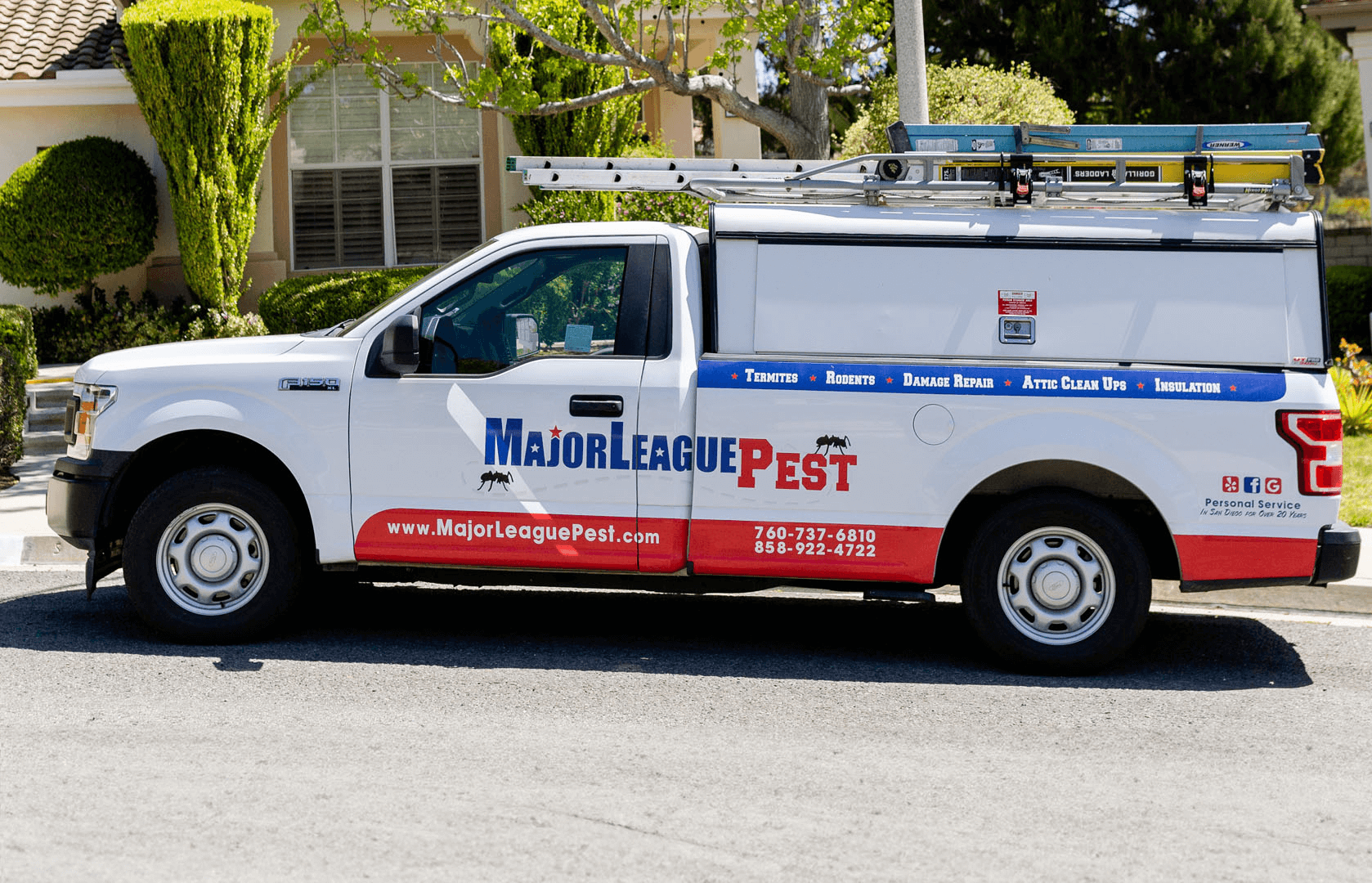
For expert guidance and responsible pest solutions, contact Major League Pest. Professional support helps ensure pests are controlled efficiently while maintaining a safer apartment environment for everyone.
