
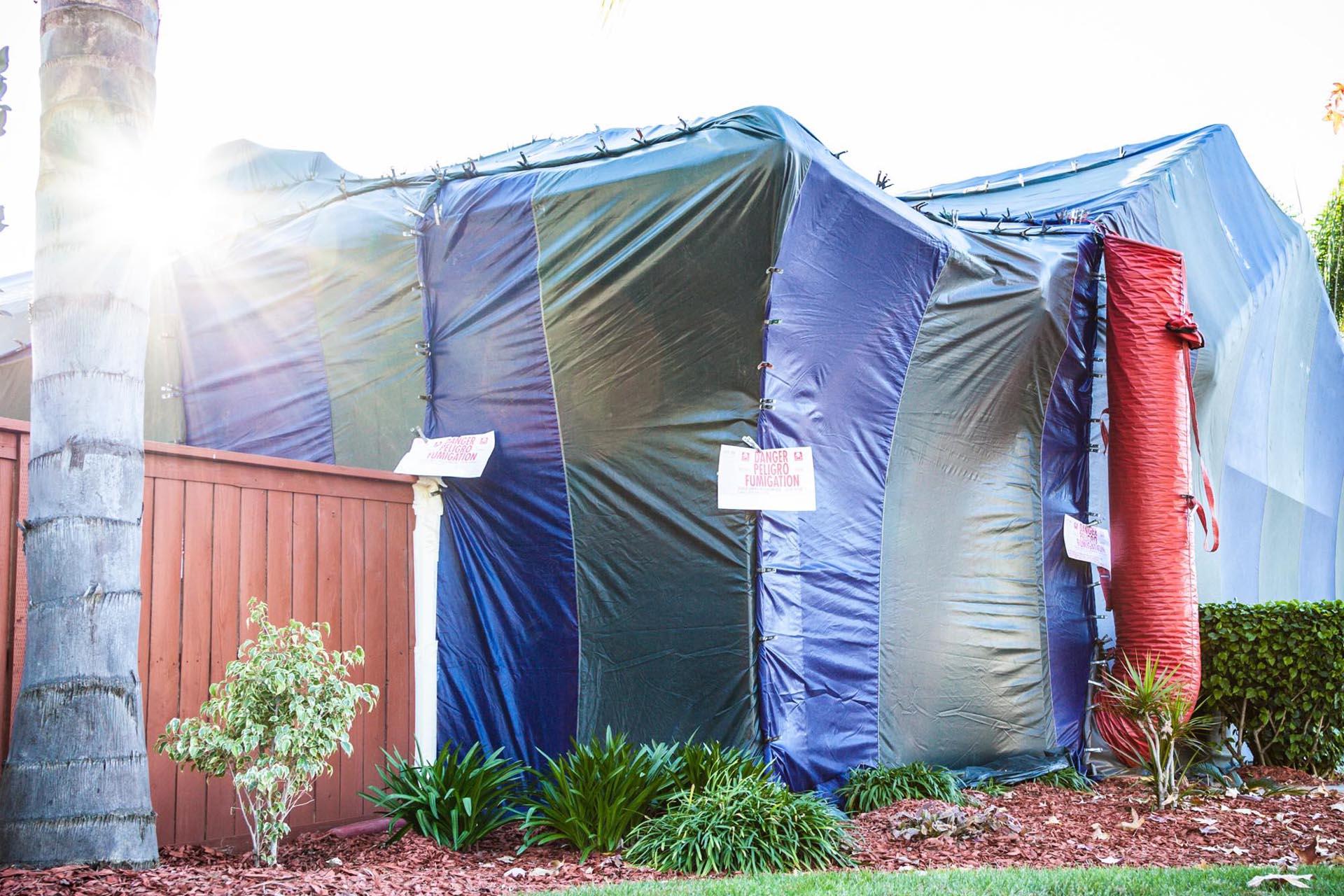
Termite damage can make homeowners eager to start repairs immediately, especially when weakened wood, hollow sections, or damaged trim are visible. The problem is that replacing wood before active termites are addressed can hide the infestation and allow feeding to continue in nearby areas. Repair should follow treatment, not replace it.
Professional termite control begins by identifying whether drywood or subterranean termites are involved, locating active areas, and determining how far the damage extends. Only after the infestation is treated should termite damage repair move forward.
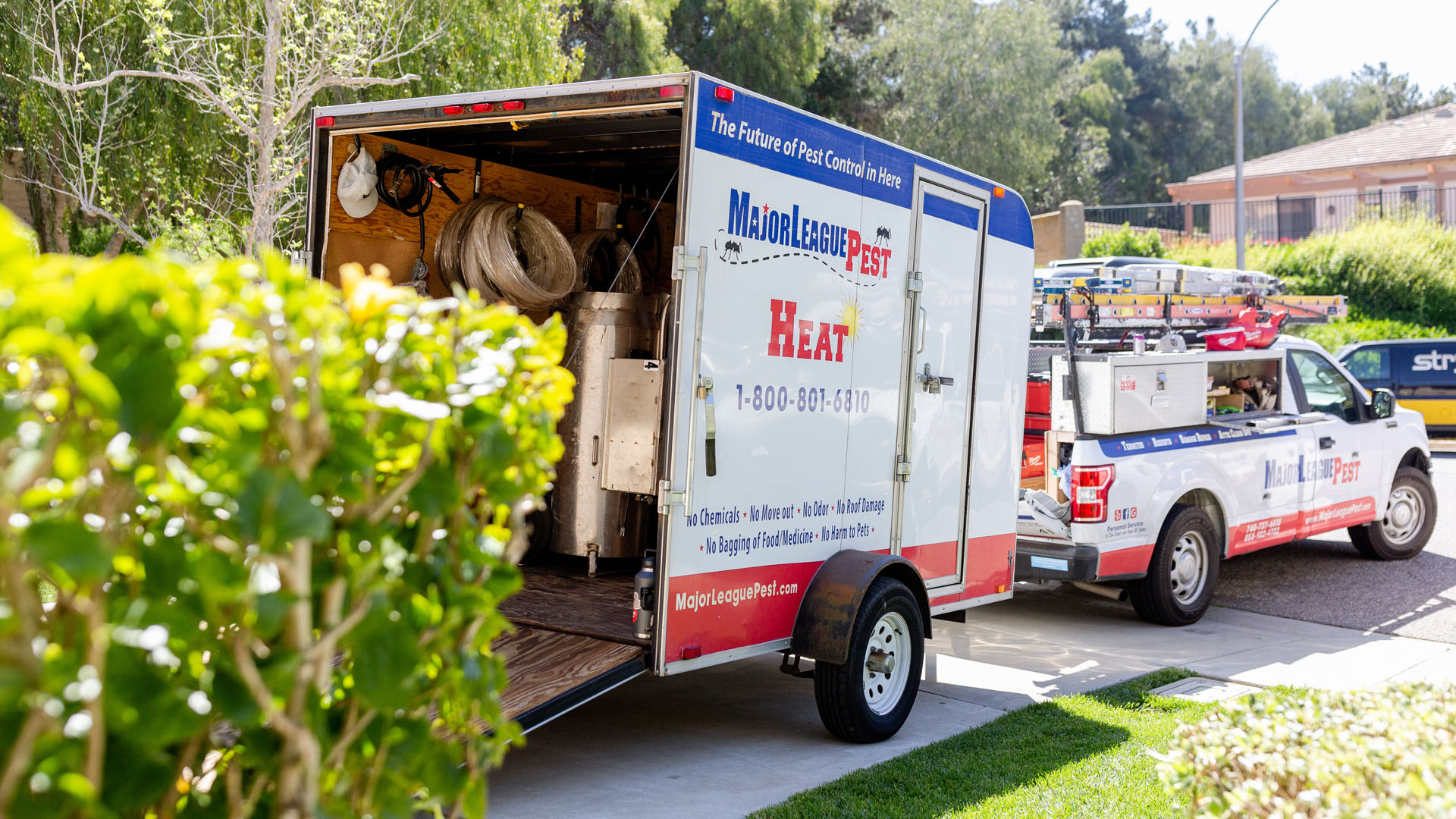
Inspection Clarifies What Needs Treatment Before Repair
Termite damage can resemble dry rot, moisture deterioration, or ordinary aging. Opening damaged wood without first determining the cause can make it difficult to know whether the problem is active or historical.
A professional inspection may evaluate:
- Hollow-sounding or weakened wood in structural and finish areas
- Drywood termite pellets, discarded wings, or visible galleries
- Mud tubes or soil-linked activity associated with subterranean termites
- Moisture, wood-to-soil contact, and drainage conditions near the structure
- Damage around eaves, decks, patios, framing, cabinets, or other wood features
- Nearby areas that appear intact but may still require closer evaluation
Recognizing early termite damage helps establish which areas need treatment and which materials may require repair after the infestation is controlled.
The inspection should separate active termite evidence from old damage. That distinction is important because replacing damaged wood without treating active colonies can create a clean-looking surface while the underlying problem remains.
Treatment Protects The Repair From Immediate Reinfestation
Once active termites are confirmed, treatment should be matched to the species, location, and extent of activity. Drywood and subterranean termites behave differently, so the method that works for one may not be appropriate for the other.
Professional treatment may include:
- Localized treatment for accessible drywood termite activity
- Larger-scale treatment when drywood termites are widespread
- Soil-based treatment for subterranean termite activity
- Follow-up inspection to confirm that active areas have been addressed
- Monitoring where structural conditions suggest continued termite pressure
- Coordination with repair work after treatment is completed
Repairing first can make treatment more complicated because damaged sections may be covered, replaced, or altered before inspectors finish tracing the infestation. Proper sequencing preserves the evidence technicians need to understand the problem.
After treatment, damaged wood can be opened, removed, reinforced, or replaced as needed. Carpenters can then work with a clearer understanding that the termite problem has already been addressed.
This approach is especially important when structural components are involved. Termite damage may affect roof eaves, patio covers, decks, framing, cabinets, or other wood features. Repair decisions should reflect both the extent of damage and the condition of the surrounding materials.
Moisture Correction Helps Support Long-Term Results
Treatment and repair work best when conditions that increase termite risk are also addressed. Moisture does not cause every termite infestation, but it can make structural areas more vulnerable, especially where subterranean termites are involved or where damp wood begins to deteriorate.
Important moisture-related concerns include:
- Plumbing leaks near walls, floors, or structural wood
- Irrigation overspray that repeatedly wets siding or foundation edges
- Clogged gutters or downspouts releasing water near wood
- Poor grading that directs runoff toward the structure
- Damp crawl spaces or low-ventilation areas
- Roof leaks that affect fascia, eaves, framing, or other wood components
A closer look at moisture-related termite risk shows why repairs should address more than the visible wood damage. If leaks, drainage problems, or recurring dampness remain, new wood may be exposed to the same conditions that contributed to deterioration.
Professional termite damage repair should therefore follow a sequence: inspect, identify, treat, evaluate the wood, correct moisture issues, and then repair or replace damaged materials.
That order also helps prevent unnecessary work. Some wood may look damaged but remain structurally serviceable, while other sections may require full replacement. Inspection and treatment provide context before repair decisions are made.
Follow-up matters as well. After treatment and repair, technicians can monitor for fresh termite evidence, moisture changes, or new vulnerabilities. This is especially useful in homes with previous infestations, older wood, soil contact, or drainage problems.
Homeowners should also understand that cosmetic repair is not the same as structural repair. Filling a damaged surface, painting over affected wood, or covering weakened material can hide the problem without restoring strength. Where termite feeding has compromised framing or other load-bearing components, proper carpentry evaluation is necessary.
The strongest long-term outcome comes from connecting pest control with repair work rather than treating them as unrelated tasks. Treatment stops active termite pressure. Repair restores damaged wood. Moisture correction and monitoring help reduce the chance that similar conditions develop again.
Termite damage repair should never be rushed simply because the visible damage is concerning. The safer order is to confirm the infestation, eliminate the active termites, understand the full extent of damage, and then rebuild with confidence that the underlying pest problem has been addressed.
Repair With Confidence After The Termites Are Treated
If termite damage has affected wood around your home, contact Major League Pest for professional inspection, termite treatment, structural evaluation, and termite damage repair completed in the proper sequence.
