
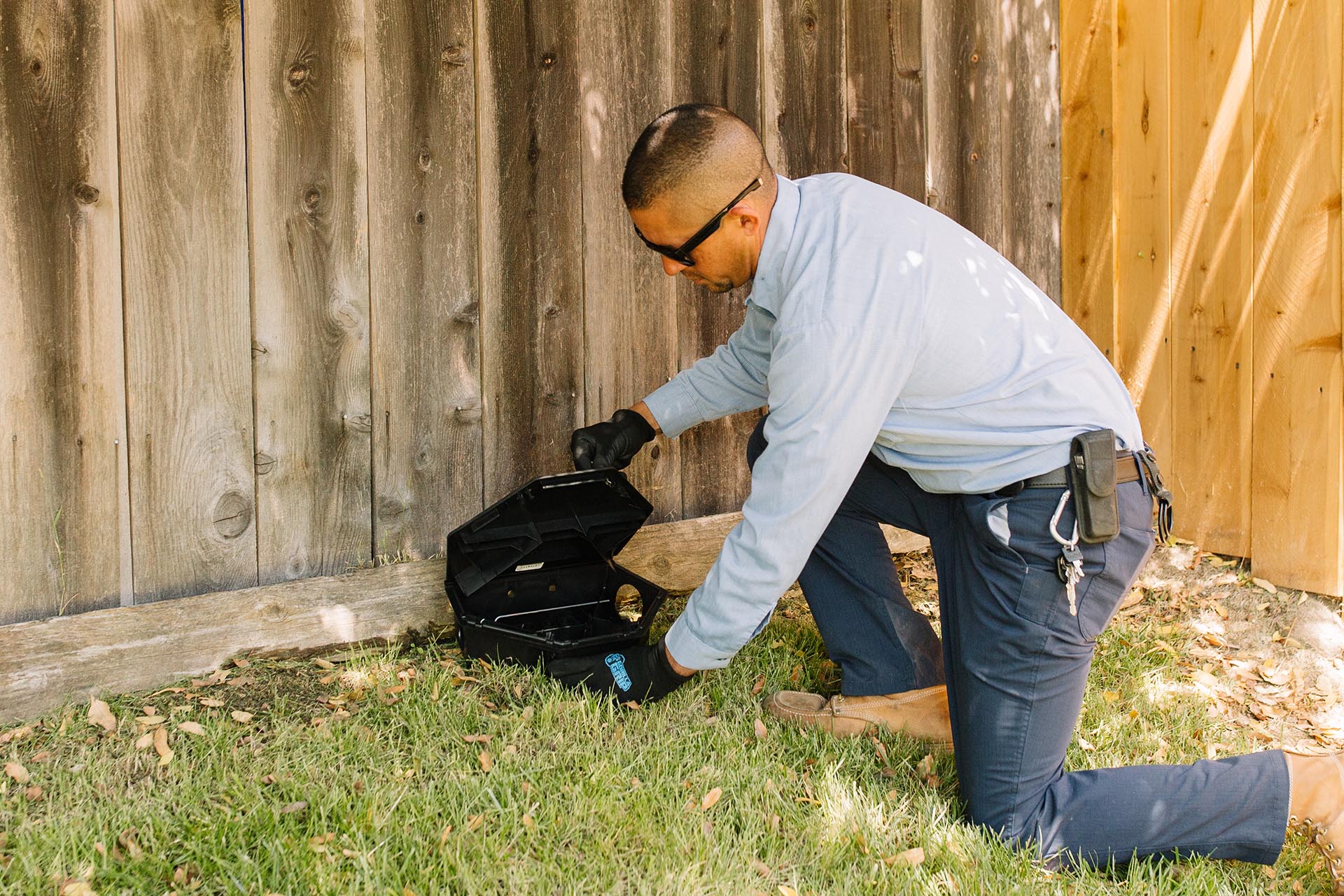
Pest activity often begins quietly. A few ants near the sink, an occasional cockroach in the garage, or a spider web in a low-traffic corner may not seem urgent. Yet small signs can indicate that food, moisture, shelter, or entry points are already supporting activity around the property.
General pest control works best before those conditions allow populations to spread. In San Diego County, ants, cockroaches, spiders, fleas, mosquitoes, earwigs, crickets, silverfish, snails, termites, rodents, and stinging insects can respond to heat, irrigation, coastal moisture, and seasonal weather changes. Early professional attention helps identify what is active, where it is coming from, and which conditions may allow the problem to grow.
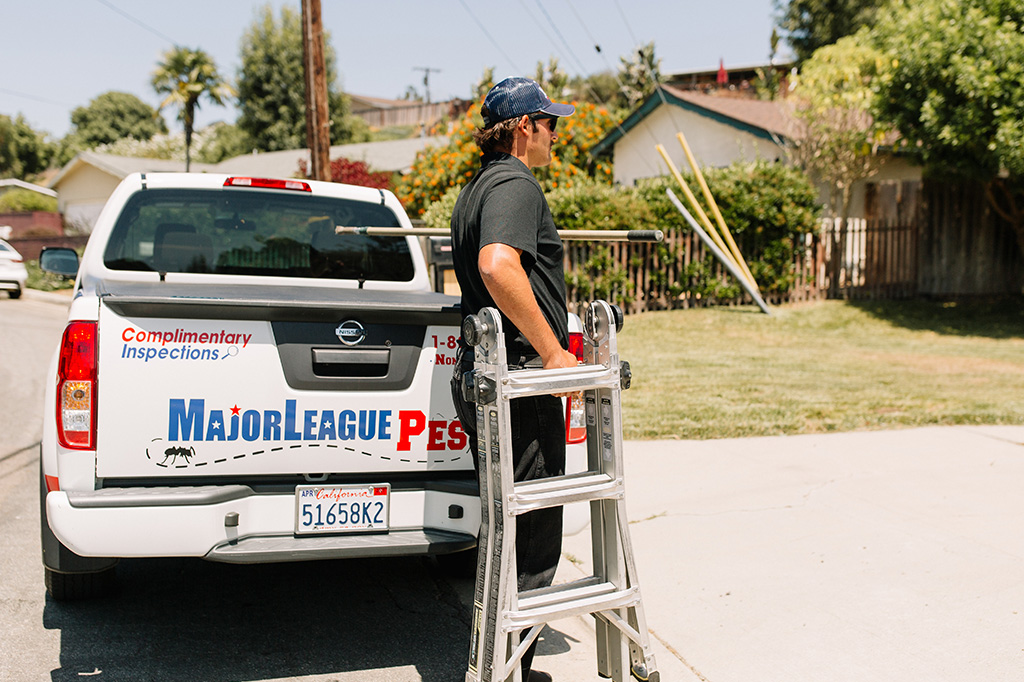
Early Activity Is Easier To Contain
Pests rarely stay limited to the first place they are seen. Ants may extend trails into new rooms, cockroaches can retreat into wall voids, and rodents may move between garages, attics, and storage areas. Spiders often remain where insect prey is available, while fleas and mosquitoes can persist when suitable hosts or moisture are nearby.
Early warning signs can include:
- Repeated sightings in the same room or exterior area
- Droppings, shed skins, webs, gnaw marks, or insect trails
- Moisture around plumbing, irrigation, drains, or shaded landscaping
- Gaps around doors, vents, utilities, or foundation transitions
- Pest activity returning shortly after it seemed to disappear
The advantage of acting early is that professionals can evaluate the pattern before pests become established across several areas. That makes inspection and targeted treatment more focused.
Quick household remedies may sometimes disturb visible pests without addressing the source. Understanding why natural remedies backfire helps explain why identification and correct treatment placement matter before activity spreads deeper into the structure.
Small Conditions Can Support Bigger Infestations
Infestations usually develop because a property offers one or more dependable resources. Food crumbs, pet food, standing water, damp landscaping, clutter, structural gaps, and hidden nesting spaces can all support pest activity. When several conditions overlap, the pressure can increase quickly.
Professional inspections often look for:
- Food and waste sources that attract ants, cockroaches, rodents, or flies
- Water sources that support mosquitoes, cockroaches, silverfish, and other pests
- Dense vegetation or debris that provides sheltered exterior harborage
- Structural gaps that allow insects and rodents to move indoors
- Recurring hot spots where previous activity suggests an unresolved source
Different pests require different responses. Termites may remain concealed in wood or soil-connected areas, while rodents can move through attics and wall voids. Mosquitoes depend on water for breeding, and spiders may simply be following other insect activity.
This is why general pest control is more effective when it connects visible evidence with the conditions behind it. Treating every sighting the same way can miss the factors that are sustaining the infestation.
Seasonal Pressure Can Turn Minor Activity Into A Pattern
San Diego County’s climate can keep pest pressure active through much of the year. Warm weather, irrigation, dry inland conditions, coastal moisture, and seasonal rain can all change where pests travel and shelter. A problem that seems minor in one month may become more noticeable when environmental conditions shift.
Seasonal signs worth watching include:
- Ants moving indoors during hot, dry, or wet periods
- Cockroaches gathering near dependable moisture and protected spaces
- Mosquitoes increasing around standing water and shaded vegetation
- Fleas becoming more active around pets and outdoor resting areas
- Rodents exploring attics, garages, and wall voids for shelter
A useful example is summer pest pressure, when heat, irrigation, and outdoor activity can increase movement around homes. The same principle applies throughout the year: changing conditions can expose weaknesses that were less obvious before.
Professional monitoring helps track those changes. Technicians can compare current activity with previous findings, identify new entry routes, and adjust treatment when pest pressure shifts from one part of the property to another.
Waiting until activity becomes severe can make the problem harder to define. Pests may spread into concealed areas, reproduce, or establish several travel routes. By that point, treatment may need to address more rooms, more structural zones, and more contributing conditions.
Early pest control is therefore less about reacting quickly and more about preventing expansion. A well-planned program combines inspection, identification, targeted treatment, exclusion, moisture management, and follow-up. That approach helps reduce current activity while also making the property less supportive of future infestations.
One-time service can be appropriate in some situations, but recurring pressure often benefits from continued monitoring. Properties change over time. Door seals wear, landscaping grows, irrigation patterns shift, and new storage or construction can create fresh pest opportunities.
Professional service gives homeowners a clearer way to respond to those changes. Instead of waiting for visible pest problems to become widespread, technicians can catch developing activity early and address the conditions that make recurrence more likely.
Stop Small Pest Problems From Gaining Ground
If pest activity is starting to appear around your home, contact Major League Pest for professional pest control focused on inspection, targeted treatment, prevention, and long-term protection.
