
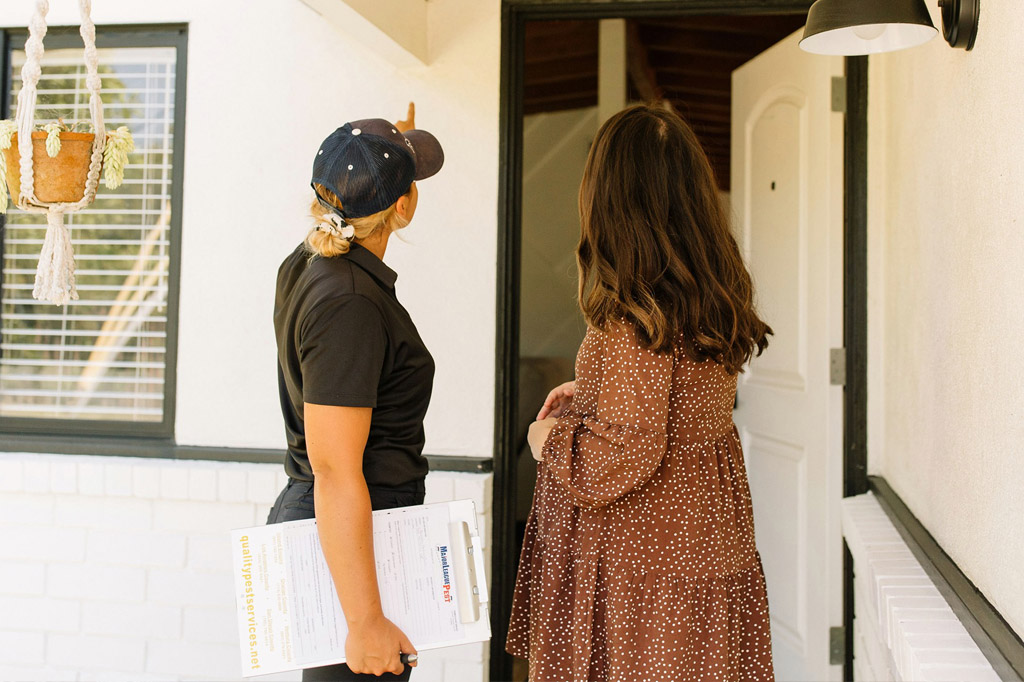
Summer in San Diego County brings longer days, warmer temperatures, outdoor gatherings, and changing pest pressure around homes. Heat, irrigation, dry conditions, coastal moisture, and increased outdoor activity can all influence where pests travel, feed, and shelter.
Effective pest control during summer is less about reacting to one visible insect and more about understanding seasonal patterns across the property. Ants, cockroaches, spiders, mosquitoes, fleas, earwigs, crickets, silverfish, snails, termites, rodents, and stinging insects can each respond differently to warm-weather conditions. Inspection, prevention, and targeted treatment help keep those pressures from becoming larger indoor problems.
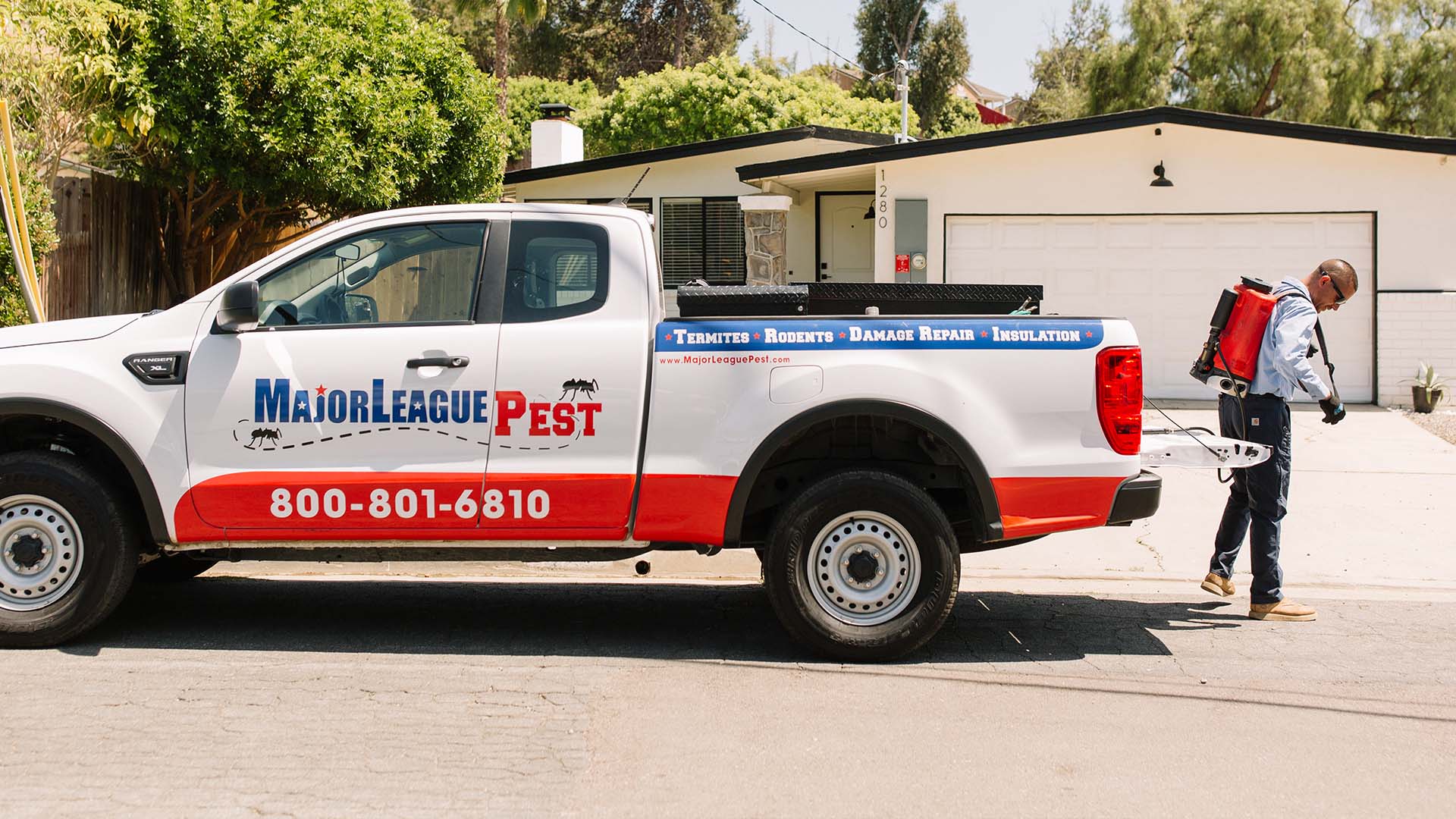
Summer Heat Can Increase Pest Movement Around The Home
Warmer weather often increases insect activity and can push pests toward dependable food, water, and shelter. Irrigated landscaping, shaded patios, kitchens, bathrooms, garages, and utility areas may become especially attractive when outside conditions are hot or dry.
Homeowners may notice:
- Ant trails forming near kitchens, sinks, patios, or foundations
- Cockroaches gathering around damp or protected areas
- Mosquitoes resting in shaded vegetation near outdoor spaces
- Spiders establishing webs where insect prey is plentiful
- Earwigs and crickets moving into cooler, sheltered locations
- Fleas becoming more noticeable around pets or outdoor areas
Professional inspection helps identify whether activity is isolated or connected to a larger source around the property. Summer service also provides an opportunity to compare current conditions with earlier pest activity, making it easier to spot new entry routes, changing moisture patterns, and locations where recurring pressure may be developing.
Attics And Structural Spaces Need Summer Attention Too
Pest activity is not limited to visible living areas. Attics, wall voids, garages, crawl spaces, rooflines, and insulation can provide protected shelter where rodents and insects remain hidden.
Damaged or disturbed insulation may also indicate that pests have been using an attic for nesting or movement. Understanding how attic insulation relates to pest management is important because gaps, contamination, and hidden access points can affect both comfort and long-term protection.
When pest pressure is found in structural spaces, treatment should be based on the actual species and entry route rather than surface activity alone.
Moisture And Landscaping Can Create Seasonal Pest Hot Spots
San Diego County homes often rely on irrigation through dry summer periods. While landscapes need water, overspray, drainage issues, damp mulch, and shaded vegetation can create favorable conditions for several pests.
High-risk areas can include:
- Sprinklers that repeatedly wet foundations or exterior walls
- Plant saucers and containers that hold standing water
- Dense vegetation touching siding, roofs, or windows
- Mulch and organic debris kept damp near the structure
- Leaking hose connections or outdoor plumbing fixtures
- Trash, pet-food, or storage areas that provide easy resources
Mosquitoes may use standing water for breeding, while ants and cockroaches are attracted to dependable moisture. Snails, earwigs, and other pests may also remain around damp landscape zones.
Reducing these conditions helps make pest control more efficient because treatment is paired with environmental changes that reduce what attracts pests in the first place.
Summer Is A Good Time To Update Prevention Priorities
A pest plan should change as the property changes. New landscaping, worn door seals, roof repairs, storage changes, irrigation adjustments, or previous pest activity can all create different risks from one summer to the next.
Reviewing your prevention strategy can help identify where attention is most useful. Ants may be entering through new structural gaps, rodents may be using a garage or attic opening, or termite risk may be connected to moisture or wood-to-soil contact.
Consistent Pest Control Helps Prevent Recurring Summer Problems
One-time treatment may reduce visible activity, but summer pest pressure can continue when food, water, shelter, and access remain available. Long-term control depends on combining treatment with inspection, exclusion, monitoring, and follow-up.
A complete summer plan may include:
- Identifying the pest before selecting a treatment method
- Checking high-risk interior and exterior areas for activity
- Addressing entry points around doors, vents, roofs, and utilities
- Reducing moisture and food sources that support infestations
- Applying targeted treatment where pest activity is confirmed
- Rechecking problem areas when activity continues or shifts
Professional pest control is especially useful when several conditions overlap. A home may have ants near irrigation, rodents in an attic, spiders around exterior lighting, or termite concerns near wood and moisture. Treating each sighting separately can miss how those conditions connect.
Technicians can compare current findings with previous visits, adjust treatment when seasonal pressure changes, and identify early warning signs before they become more difficult to manage.
Summer pest control is ultimately about keeping small seasonal pressures from becoming established problems. A well-planned approach helps protect indoor spaces, outdoor living areas, structural zones, and the overall comfort of the home through the hottest months.
Keep Summer Pest Pressure In Check
If seasonal pest activity is increasing around your home, contact Major League Pest for professional inspection, targeted pest control, prevention, and follow-up tailored to San Diego County conditions.
