
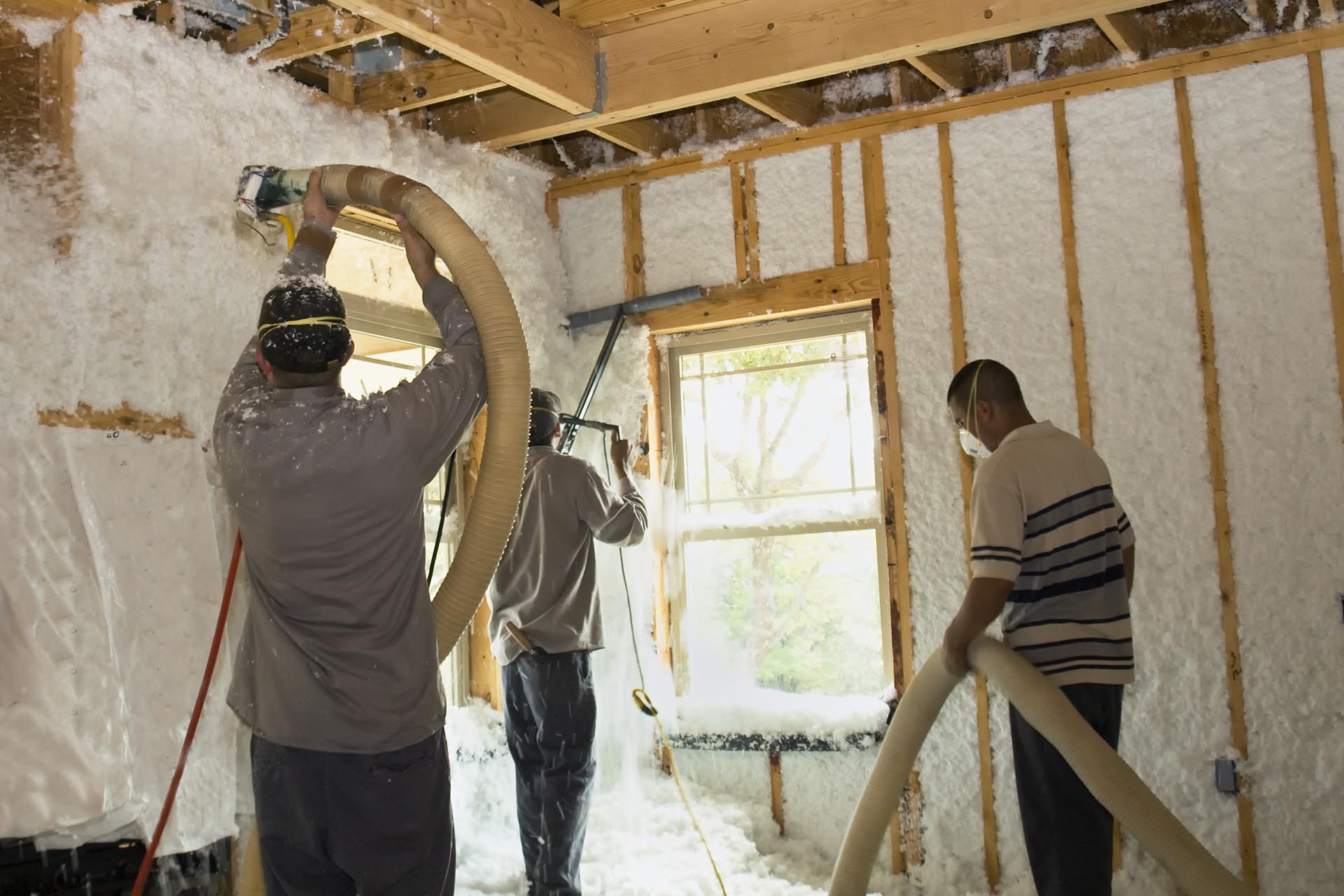
Insulation repair pricing can vary widely because no two Oceanside homes have the same attic layout, material condition, access, or history of pest activity. A small section compressed by storage may require limited correction, while an attic affected by rats, mice, termites, moisture, or widespread contamination may need removal, cleaning, exclusion, and replacement.
Professionals determine cost by inspecting the entire affected area rather than estimating from one visible spot. They consider how much insulation remains usable, whether pests are still entering, what type of material is present, and whether surrounding wood or wiring requires attention. This assessment helps homeowners understand which expenses restore performance and which address the underlying cause.
The Size And Depth Of The Affected Area Matter
Square footage is an important pricing factor, but depth and distribution matter as well. Insulation may be thin across the entire attic, missing near eaves, compressed around storage, or damaged only within a rodent nesting zone. Measuring average depth helps determine how much material must be removed, redistributed, or added.
An inspection may document:
- Total attic or crawl-space square footage
- Existing insulation type and average installed depth
- Bare sections, compressed areas, and uneven coverage
- Access around ducts, wiring, framing, and mechanical equipment
- Sections requiring limited repair versus full replacement
Larger projects generally require more labor, containment, disposal, and replacement material. However, a smaller attic with difficult access or heavy contamination may cost more per square foot than an open, lightly damaged space.
Pest Damage Can Add Cleaning And Removal Work
Insulation often provides warmth and nesting material for rats and mice once they reach an attic. Rodents can compress insulation, create tunnels, leave droppings and urine, damage wiring, and carry nesting debris through the space. Termites may affect nearby structural wood, while ants, cockroaches, and spiders can use sheltered attic conditions when entry points remain open.
The connection between attic insulation conditions and pest management explains why repair pricing may include more than adding fresh material. Contaminated insulation may require careful removal, bagging, disposal, and sanitation before replacement begins.
If active rodents or termites are found, treatment and exclusion should be coordinated with insulation work. Installing new material before access points or infestations are addressed can leave the attic vulnerable to repeat damage.
Material Choice Changes The Project Total
Replacement cost depends partly on the insulation material selected and the thermal performance needed. Existing fiberglass batts may be repairable in some sections, while loose-fill material may need redistribution or additional coverage. Some projects involve removing old insulation completely before installing a different option.
Pricing considerations include:
- Material type, quantity, and target thermal value
- Removal and disposal requirements for existing insulation
- Labor needed to fit material around framing and obstructions
- Moisture resistance and suitability for the attic conditions
- Added sealing or preparation required before installation
The lowest material price does not always create the lowest long-term cost. Correct installation, even coverage, and attention to pest access are essential. Poorly fitted or disturbed insulation can lose performance and create sheltered spaces that pests may exploit.
Access, Repairs, And Exclusion Affect Labor
Attic access can significantly influence insulation repair pricing. Low rooflines, tight crawl areas, complex framing, limited entry openings, and crowded mechanical systems slow removal and installation. Technicians may also discover damaged vents, gaps, dry rot, termite-damaged wood, or rodent openings that require separate repair.
A broader prevention plan review helps identify structural changes that should be handled before fresh insulation is installed. Entry-point sealing, vent screening, fascia repair, and utility-gap correction can protect the completed work.
These improvements add to the initial scope, but they address why pests entered the attic. Exclusion is especially important when rats, mice, squirrels, or other handled rodents have disturbed insulation. Without it, a one-time cleanup may not provide lasting protection.
Inspection Clarifies What The Quote Includes
A reliable quote should separate the major parts of the project so homeowners can compare scope rather than price alone. Some estimates may cover only added insulation, while others include removal, sanitation, exclusion, repairs, replacement, and post-work cleanup.
Homeowners should look for:
- Measurements and notes describing the affected areas
- Clear removal, disposal, and sanitation allowances
- The insulation material, depth, and coverage being proposed
- Separate pricing for pest treatment, exclusion, or wood repairs
- Follow-up expectations and applicable service guarantees
The inspection should also distinguish cosmetic disturbance from material that is contaminated, ineffective, or unsafe to leave in place. Not every attic needs complete removal, and not every damaged section can be solved by adding insulation over the top.
Oceanside insulation repair pricing reflects the actual condition of the home. Project size, contamination, material selection, attic access, structural repairs, and pest-prevention work all shape the final estimate. A detailed professional assessment provides the clearest way to avoid incomplete repairs and build a solution that supports comfort, efficiency, and long-term protection.
Restore The Attic From The Source Up
Contact Major League Pest for professional attic inspection, insulation repair, rodent exclusion, termite evaluation, cleanup, and replacement planning.
