
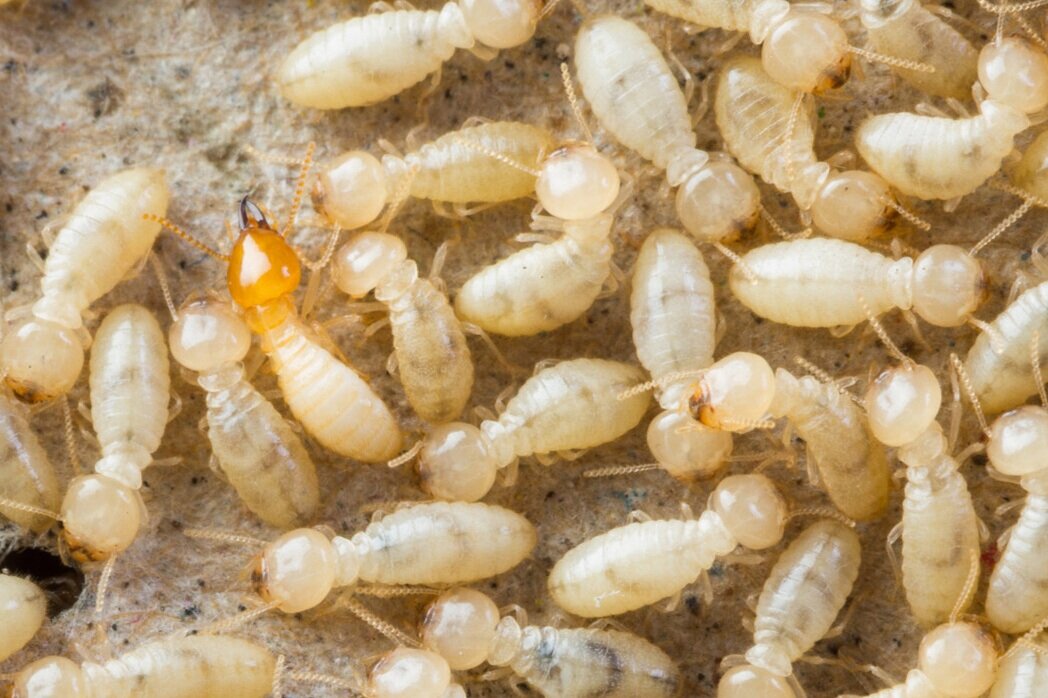
Moisture is one of the most important conditions affecting pest activity around a home. Plumbing leaks, irrigation overspray, poor drainage, condensation, roof problems, and damp crawl spaces can provide the water insects and rodents need to remain active. Moisture can also weaken wood, support fungal growth, and create conditions that make structural areas more vulnerable to termite damage.
Effective pest control therefore involves more than responding to visible insects. It includes finding where water collects, determining which pests are using those areas, and correcting the conditions that allow activity to continue. A professional inspection can connect moisture patterns with termite evidence, pest entry points, and hidden structural concerns before they become more extensive.
Find the Moisture Sources Pests Depend On
Many pests can survive with dependable water sources. Ants and cockroaches may gather around plumbing, fleas can persist where animals rest, and rodents may remain near irrigation or leaking fixtures. Termites are especially important because subterranean colonies depend on soil moisture and protected travel routes.
Common moisture sources include:
- Leaking pipes beneath sinks, behind appliances, or inside walls.
- Irrigation overspray that repeatedly wets siding and foundation edges.
- Clogged gutters and downspouts that release water near structural wood.
- Poor grading that directs runoff toward crawl spaces or foundations.
- Condensation around ducts, utility rooms, or poorly ventilated areas.
Finding these sources helps explain why pests keep returning to the same locations. It also gives technicians a clearer basis for targeted treatment and long-term prevention.
Understand How Moisture Affects Different Termites
Subterranean and drywood termites both damage wood, but moisture influences them differently. Subterranean termites live in soil and use mud tubes to maintain protected access to structural wood. Drywood termites can live within wood without ground contact, although leaks and deteriorating materials may make damage harder to recognize.
This comparison of termite differences shows why correct identification matters. Soil moisture, wood condition, mud tubes, pellets, discarded wings, and damaged surfaces provide different clues depending on the species.
Moisture control alone cannot eliminate an established infestation. It can, however, reduce favorable conditions and help reveal areas that need a closer termite-control inspection.
Protect Wood Near Soil and Water
Wood that stays damp or touches soil deserves careful attention. Deck posts, siding, fascia, crawl-space framing, fences, and stored lumber may remain exposed to moisture without obvious exterior changes.
A property assessment may focus on:
- Wood-to-soil contact around posts, siding, steps, and landscape borders.
- Damaged fascia, trim, or roof components affected by water intrusion.
- Crawl-space supports and subflooring near plumbing or drainage problems.
- Cellulose debris, firewood, and lumber stored beside the structure.
- Soft, stained, blistered, or hollow-sounding wood in moisture-prone areas.
Professional evaluation helps distinguish termite damage from dry rot, fungus, or ordinary weathering. That distinction matters because repair and treatment decisions should be based on the actual cause rather than appearance alone.
Do Not Wait for Visible Termite Evidence
Termites often remain hidden behind walls, below floors, inside wood, or beneath soil. A home can have active conditions even when no swarmers, mud tubes, pellets, or obvious damage are visible.
The value of a termite inspection is that it evaluates moisture, structural access, wood condition, grading, and other risk factors before damage is obvious. Inspectors may examine attics, sub-areas, garages, decks, patios, rooflines, foundations, and interior rooms.
A complete inspection may include:
- Checking accessible wood for damage, galleries, pellets, or mud tubes.
- Measuring or tracing suspicious moisture around structural materials.
- Reviewing grading, drainage, and irrigation near the foundation.
- Identifying cracks, gaps, or construction details that support pest entry.
- Recommending treatment, repairs, monitoring, or moisture correction when needed.
Early findings allow a more focused response and may prevent a small moisture problem from contributing to broader pest or structural concerns.
Combine Moisture Management With Professional Pest Control
Moisture correction and pest treatment work best as connected parts of one plan. Fixing a leak may remove an attractant, but existing ants, cockroaches, rodents, fleas, spiders, stinging insects, or termites may still require targeted service. Likewise, treating pests without correcting moisture can leave the property vulnerable to repeat activity.
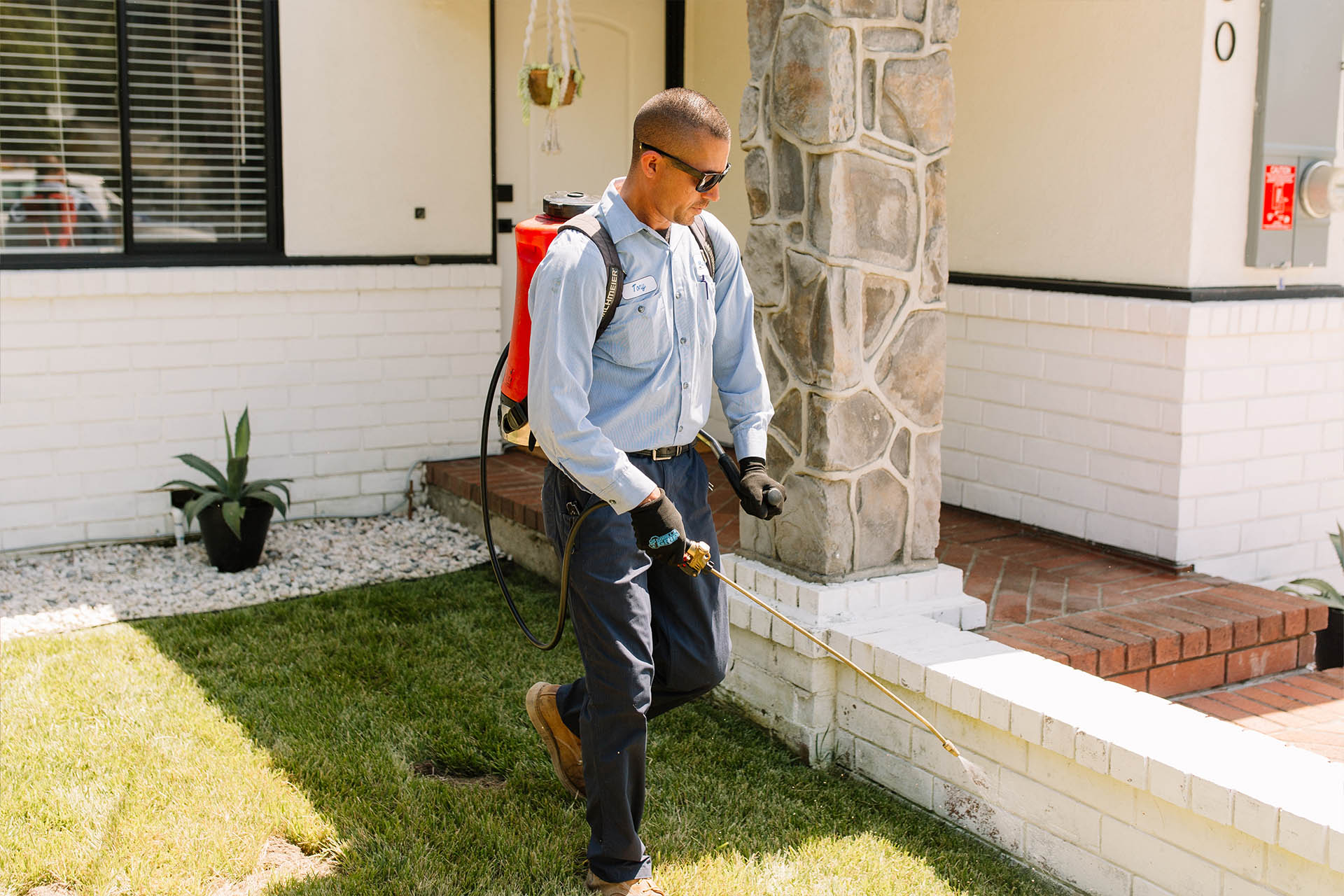
A professional plan starts by identifying the pest and locating the conditions that support it. Treatment can then be placed where activity is confirmed, while repairs, drainage changes, ventilation improvements, or wood replacement address the underlying environment.
Follow-up is important because water patterns can change. Seasonal rain, irrigation adjustments, plumbing wear, and roof damage may create new damp areas after a problem is corrected. Continued monitoring helps confirm that treatment remains effective and that moisture is not rebuilding pest pressure elsewhere.
The goal is not to remove every trace of moisture from a home. It is to prevent persistent dampness, protect structural materials, and reduce the dependable water sources pests use. Inspection-driven pest control makes that process more precise by connecting visible activity with hidden conditions.
Dry Out the Conditions Pests Use
Moisture problems can support hidden termites and recurring pest activity. Contact Major League Pest for professional pest control, termite inspection, structural evaluation, and long-term prevention.
