
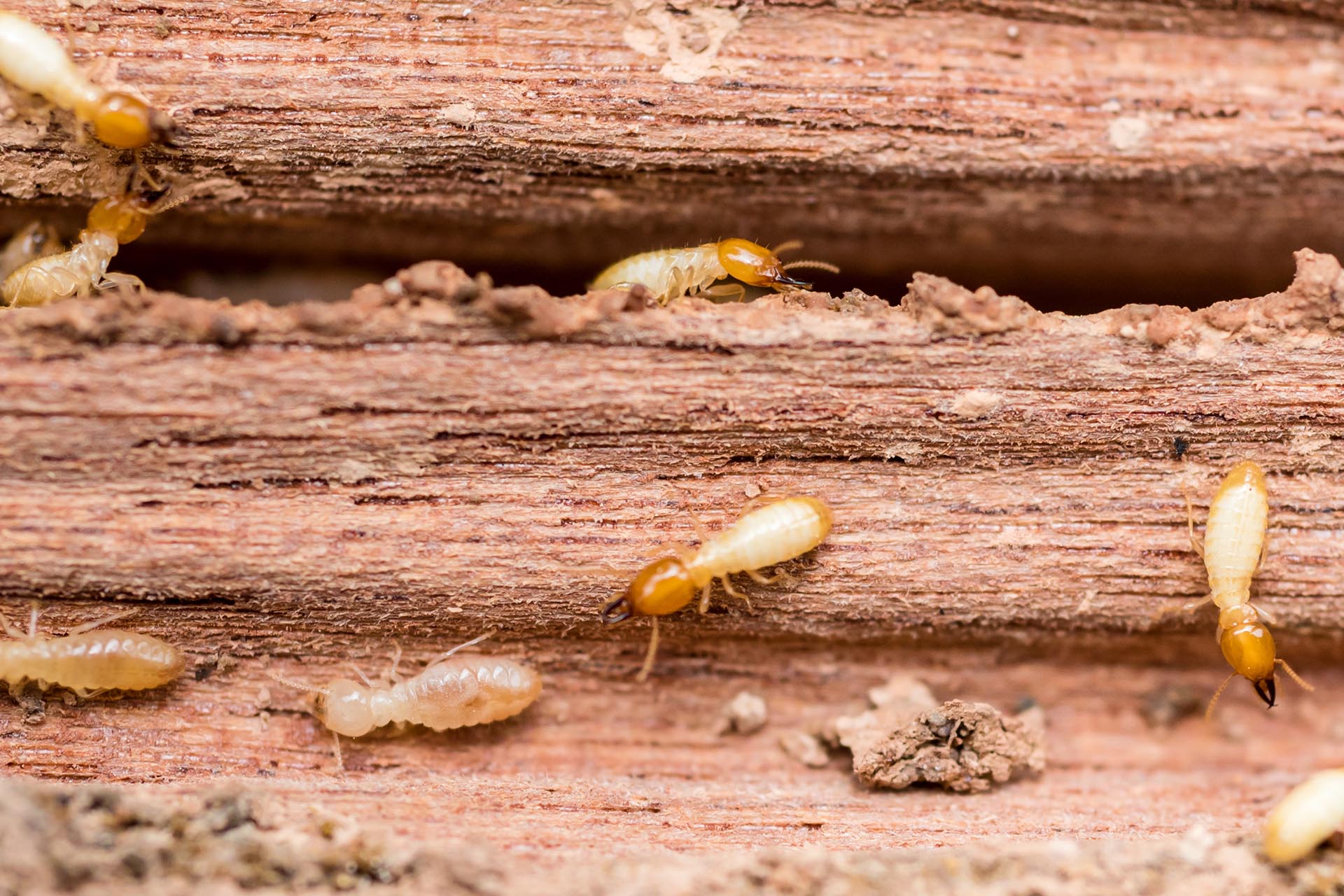
Termites are known for staying hidden. A home can look clean, dry, and structurally sound while activity continues inside wood, soil contact points, crawl spaces, wall voids, decks, fences, or framing. By the time visible damage appears, termites may have already affected areas that are expensive to repair. That is why waiting until insects are seen is rarely the safest approach.
A termite inspection gives homeowners a clearer picture of risk before damage becomes obvious. It also fits into a broader pest control strategy that may include termites, ants, fleas, cockroaches, spiders, mosquitoes, rats, mice, gophers, squirrels, rodents, repairs, and insulation-related concerns. The value of inspection is not only in finding termites. It is understanding where wood, moisture, entry points, soil, and structural conditions may allow hidden activity to develop.
Termites Often Work Where You Cannot See
Termites avoid open exposure, which makes them difficult to notice during normal home use. Subterranean termites may move through soil and mud tubes. Drywood termites may live inside wood with only small clues left behind. Both can remain active for long periods before a homeowner sees wings, pellets, blistered paint, or soft trim.
- Wall voids can conceal feeding activity and hidden galleries.
- Crawl spaces may hide moisture, soil contact, and damaged wood.
- Decks, fences, and fascia can attract termites before indoor signs appear.
- Attics and eaves may hold drywood termite activity in accessible wood.
A professional inspection checks areas that are easy to overlook. This helps identify whether a home has active termites, past evidence, or conditions that could increase future risk.
DIY Signs Can Give False Confidence
Clear answer: not seeing termites does not mean a property is termite-free. Many homeowners look for obvious damage or visible insects, then assume the home is safe when nothing stands out. The problem is that termite evidence can be subtle, hidden, or mistaken for normal wear.
A closer look at DIY termite limits shows why surface-level thinking can miss the larger issue. Store-bought products and quick visual checks may address what is easy to see, but they do not confirm colony location, species, moisture conditions, or structural access points.
Inspection helps prevent false confidence. Technicians evaluate more than one clue at a time, including wood condition, soil lines, previous repair areas, moisture-prone spaces, and damage patterns.
Moisture And Wood Conditions Matter
Termites are often connected to conditions around the property, not only the wood itself. Moisture, soil contact, cracks, landscaping, plumbing leaks, shaded areas, and damaged exterior materials can make a structure more vulnerable. A termite inspection reviews these conditions so homeowners can understand the risk before it becomes visible.
- Moisture near foundations can support termite movement and wood decay.
- Wood-to-soil contact can create easier access to structural materials.
- Damaged trim, siding, or fascia may expose vulnerable wood.
- Previous repairs may hide older activity that needs professional review.
This matters because treatment decisions should be based on evidence. A home with moisture and soil access may require a different plan from one with drywood activity in exposed framing. Inspection turns uncertainty into a more informed next step.
Low-Impact Service Still Requires Precision
Homeowners often want treatment that is thoughtful, targeted, and as minimally disruptive as possible. That goal is reasonable, but it still depends on accurate inspection. Low-impact does not mean casual or weak. It means the work is guided by pest biology, activity patterns, structural conditions, and proper placement.
The science behind low-impact treatments reinforces why identification and targeted application matter. Termites, ants, cockroaches, spiders, mosquitoes, fleas, rats, mice, gophers, and squirrels each behave differently. A termite plan must be shaped around how termites are moving, where they are feeding, and what materials or conditions are involved.
Without inspection, even careful treatment can be misdirected. With inspection, service can focus on the areas where protection is most needed.
Inspections Support Long-Term Protection
A termite inspection is not only useful when a sale is pending or damage is obvious. It is a practical part of long-term home care, especially in areas where pests remain active throughout the year. Regular inspection can catch warning signs early, document changes, and help homeowners understand whether prevention, treatment, repairs, or monitoring should be considered.
- Schedule inspection when moisture, wood damage, or past termite history is present.
- Review exterior wood, crawl spaces, attics, decks, garages, and foundation edges.
- Ask for clear documentation of findings, risk areas, and recommended next steps.
- Use professional follow-up when conditions change after repairs, rain, or remodeling.
A strong inspection-based plan can also support broader pest control awareness. Rodents may damage insulation, ants may follow moisture, cockroaches may hide near plumbing, and spiders may appear where prey insects gather. By reviewing the structure carefully, homeowners gain better information about termite risk and related vulnerabilities before they become more costly.
Protect The Home Before Damage Shows
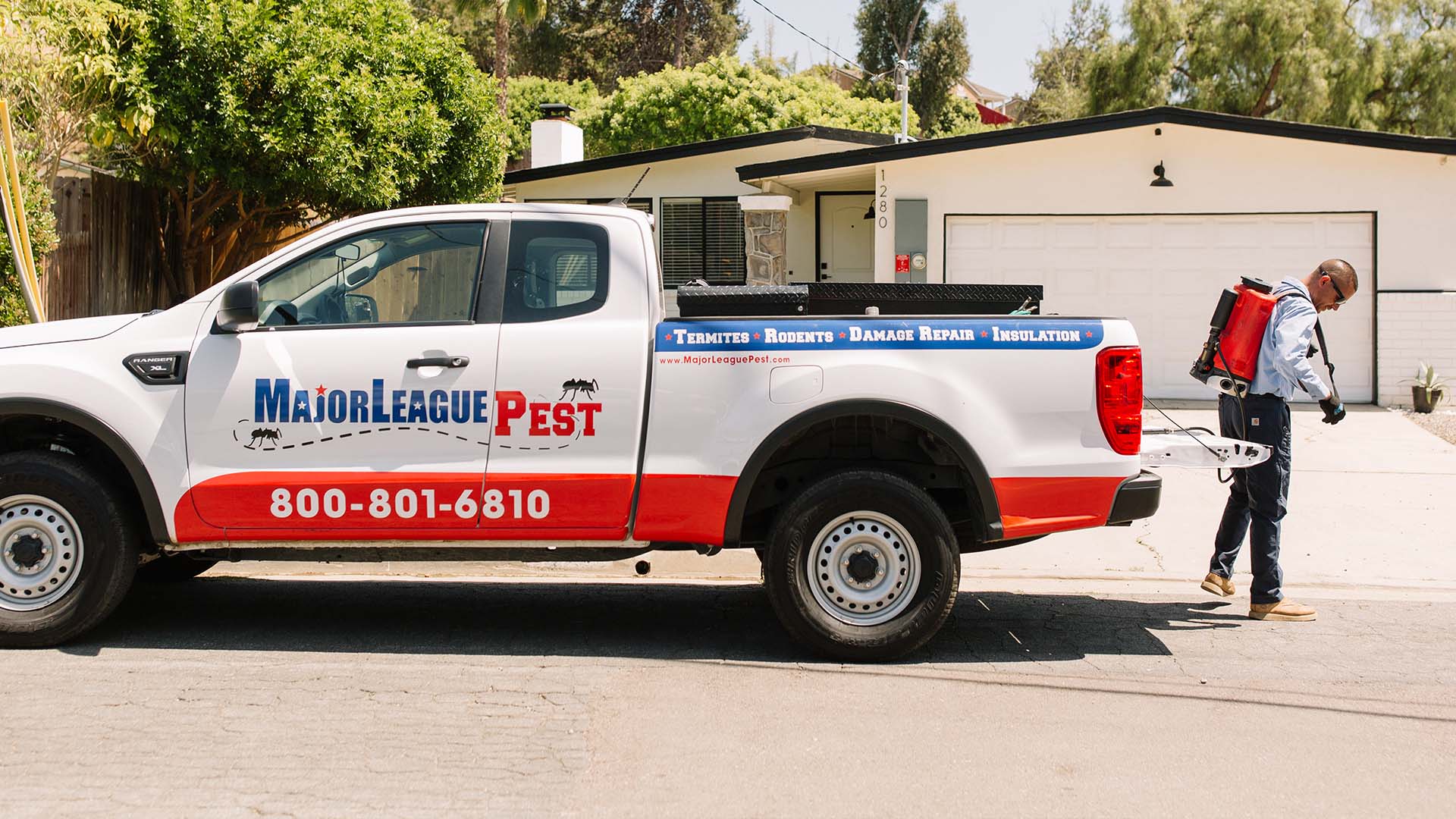
A termite inspection can reveal risks long before termites are visible, helping homeowners make informed decisions about prevention, treatment, repairs, and monitoring. For professional termite and pest control guidance based on careful evaluation, contact Major League Pest for support tailored to your property.
