
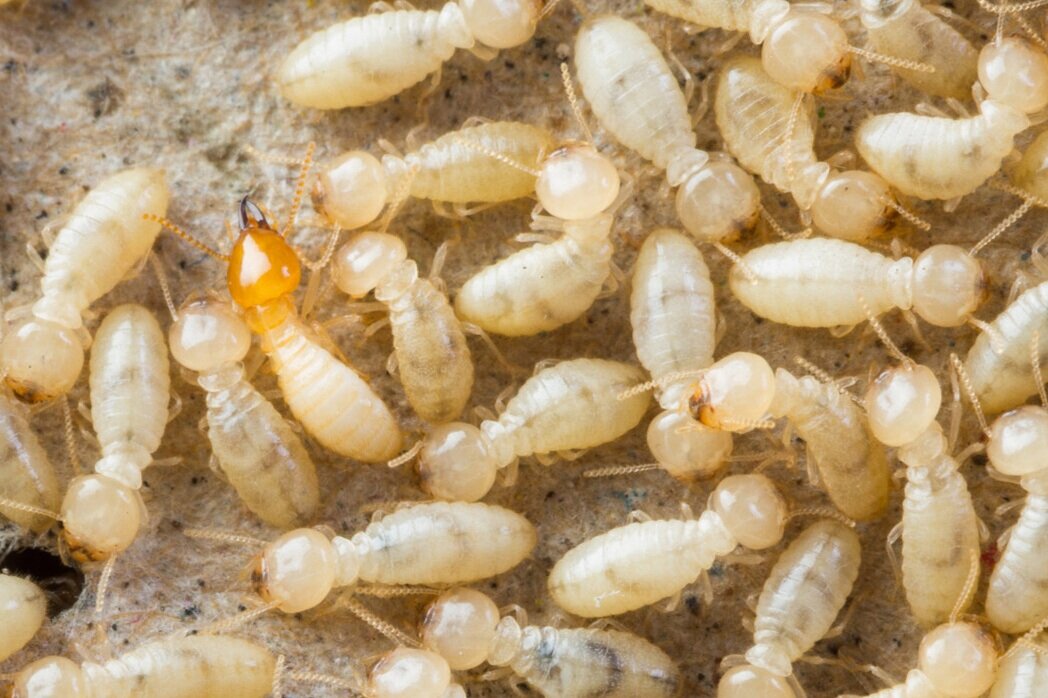
Finding signs of termite activity inside a home can create immediate concern. Small mud tubes near the foundation, hollow-sounding wood, or damaged trim may lead homeowners to search for fast solutions before structural damage spreads further. Many people turn to store-bought products hoping a quick treatment will eliminate the infestation completely.
Unfortunately, termite activity is often far more extensive than it first appears.
DIY termite treatments may temporarily reduce visible activity, but long-term termite prevention usually requires a deeper understanding of how colonies spread, where termites remain hidden, and what environmental conditions continue supporting infestation growth. Without identifying those larger factors, infestations often continue quietly behind walls, beneath flooring, and inside structural wood.
Understanding why DIY termite control frequently falls short can help homeowners make more informed decisions when protecting their property.
Why Termite Infestations Often Remain Hidden
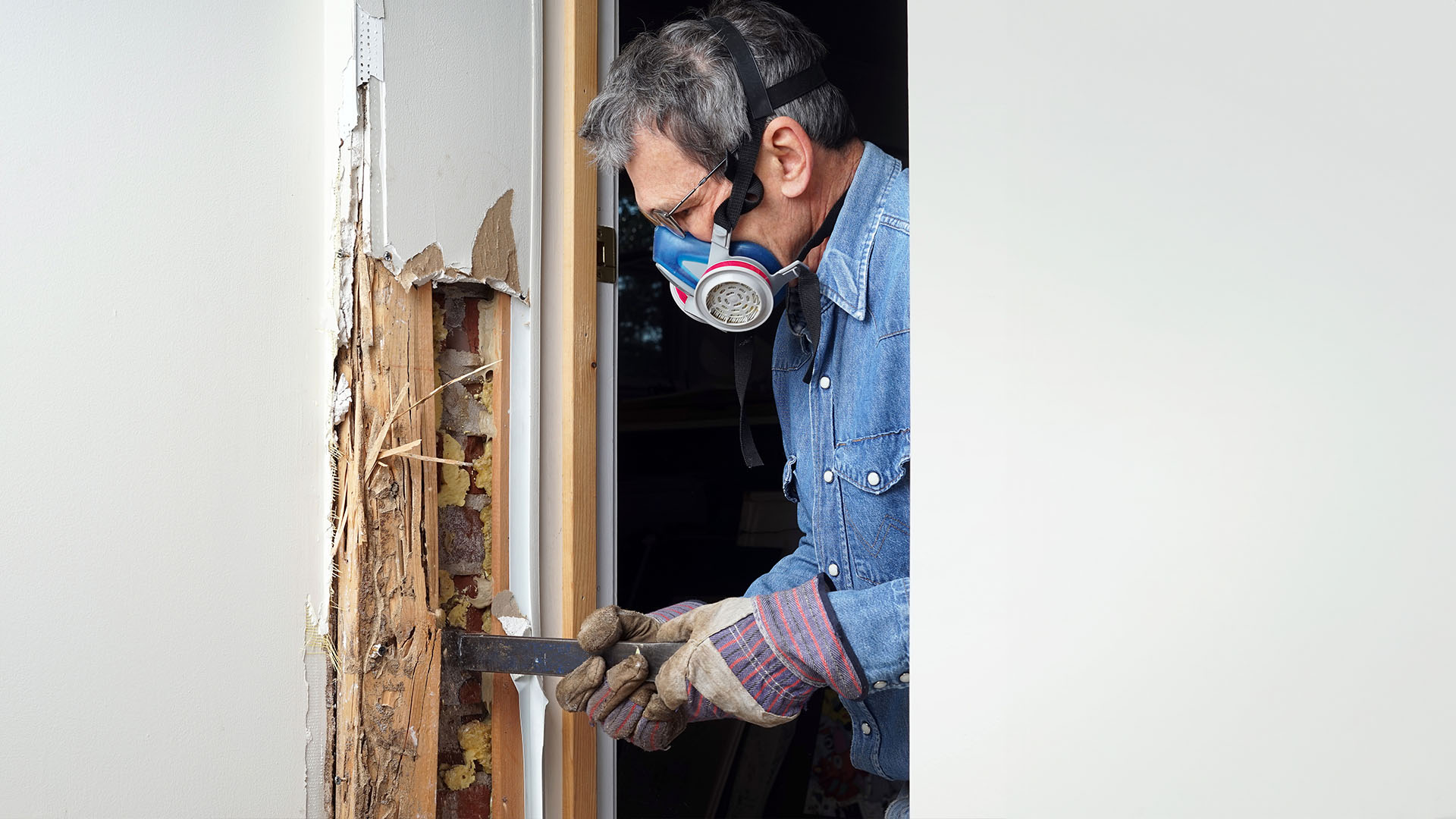
One reason termites become difficult to manage is their ability to remain concealed for long periods. Subterranean termites commonly travel through mud tubes beneath structures, while drywood termites may spread directly through wooden framing and support systems indoors.
Visible damage often represents only a small portion of the overall infestation.
Several conditions commonly allow termite activity to remain unnoticed:
- Hidden galleries protect termite colonies. Activity often spreads inside structural wood
- Moisture creates favorable conditions. Damp environments may encourage colony growth
- Foundation gaps increase exposure risks. Small openings allow concealed entry indoors
- Wall voids provide protected travel routes. Termites often move unnoticed through structures
- Delayed inspections worsen structural damage. Colonies may continue expanding quietly
Because termites remain hidden in inaccessible areas, surface-level treatments alone rarely address the full extent of the infestation.
This hidden activity is one reason professional termite prevention strategies often focus heavily on inspections and environmental evaluations before treatment begins.
Why DIY Treatments Often Produce Limited Results
Store-bought termite products may appear effective initially because visible activity temporarily decreases after treatment. However, many DIY methods only target exposed termites while leaving larger colonies active behind the scenes.
Several factors commonly limit the effectiveness of DIY termite treatments:
- Colonies remain hidden underground. Surface applications may not reach the primary infestation
- Incorrect product placement reduces effectiveness. Termites often avoid poorly treated areas
- Structural access remains limited indoors. Hidden galleries may stay untouched during treatment
- Moisture conditions continue supporting activity. Damp environments may attract ongoing infestations
- Reproductive termites may survive treatment. Colonies often continue spreading afterward
Termite infestations also vary significantly depending on the species involved, structural conditions, and environmental exposure surrounding the property.
Because infestations frequently develop over months or years, effective termite prevention usually requires a long-term strategy instead of relying only on one-time treatment attempts.
Why Professional Inspections Matter For Termite Prevention
Professional pest control inspections focus on identifying the underlying conditions contributing to termite activity instead of reacting only to visible damage.
Technicians often evaluate crawl spaces, attics, foundations, moisture-prone areas, utility penetrations, and structural vulnerabilities throughout the property.
Several important factors influence effective termite prevention:
- Structural evaluations reveal hidden damage. Inspections often identify concealed infestation areas
- Moisture detection improves prevention planning. Damp conditions may increase termite attraction
- Colony movement patterns affect treatment. Different termites spread through structures differently
- Entry points require long-term monitoring. Small openings may allow repeated activity
- Environmental conditions shape infestation risks. Landscaping and drainage often influence termite pressure
This broader inspection process helps determine how widespread the infestation has become and which treatment strategy may work most effectively for long-term protection.
Property owners evaluating environmentally-conscious treatment options may also benefit from reviewing these eco-conscious pest strategies when considering broader pest-management approaches.
Why Safety Matters During Termite Treatment
Many homeowners assume DIY termite products are automatically safe when used indoors. However, improper application around living spaces may create unnecessary exposure risks for people and pets.
Professional pest control services often approach treatment planning differently by considering both effectiveness and household safety throughout the process.
Several safety-related concerns may affect DIY termite treatment efforts:
- Incorrect application increases exposure risks. Products may spread into unintended areas
- Ventilation conditions affect treatment safety. Enclosed spaces may trap chemical residue
- Pets and children require additional precautions. Household activity may increase accidental exposure
- Incomplete treatment encourages recurring infestations. Ongoing activity may require repeated applications
- Misidentification affects product selection. Different infestations require different treatment methods
Professional termite prevention strategies often include careful placement methods and property-specific planning designed to reduce unnecessary exposure while improving long-term results.
Homeowners interested in understanding these differences further may benefit from reviewing these household-safe treatment methods commonly used during professional pest-control services.
Why Long-Term Prevention Delivers Better Protection
Termite infestations rarely disappear completely without addressing the conditions allowing colonies to survive and spread. Moisture buildup, structural vulnerabilities, wood-to-soil contact, and hidden access points may continue attracting termite activity long after temporary treatment efforts appear successful.
That is why long-term termite prevention remains one of the most effective ways to reduce structural risks over time. Routine inspections, targeted treatment strategies, moisture control, and ongoing monitoring often provide stronger protection than short-term DIY approaches alone.
Protecting Your Home From Hidden Structural Damage
Professional inspections can help identify hidden termite activity and support more effective long-term termite prevention strategies for residential properties. Contact Major League Pest to learn more about professional termite control and structural protection solutions.
