
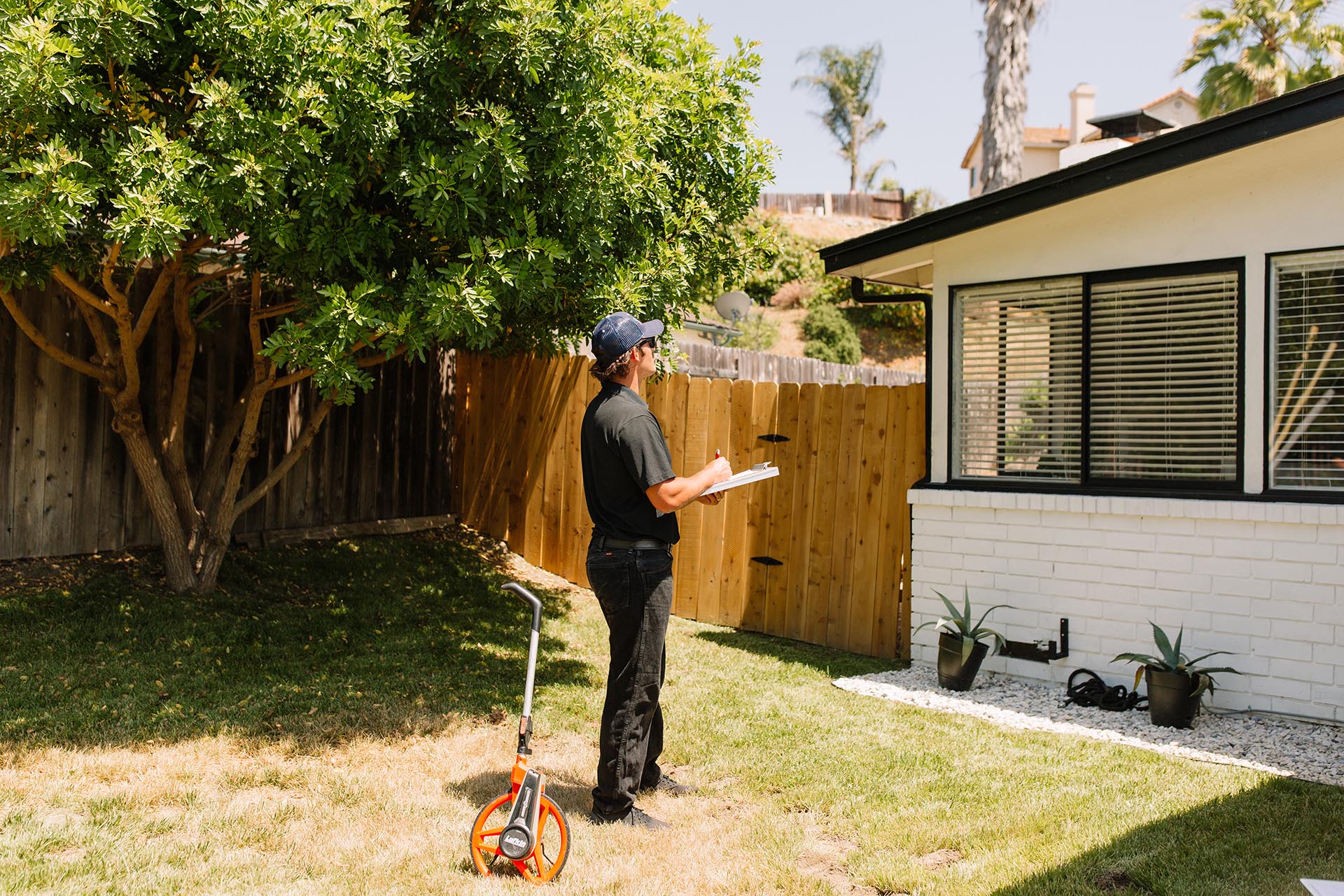
Choosing a pest control provider today involves more than just finding someone who can remove pests quickly. Many homeowners are now paying closer attention to how treatments affect their environment, indoor air quality, and long-term safety. This shift has made eco-friendly pest control an important consideration rather than a niche option.
From a professional perspective, not all eco-conscious services are created equal. The difference often comes down to how well a company balances effectiveness with environmental responsibility. Understanding what to look for helps ensure that pest problems are handled properly without introducing unnecessary risks to the home or the surrounding environment.
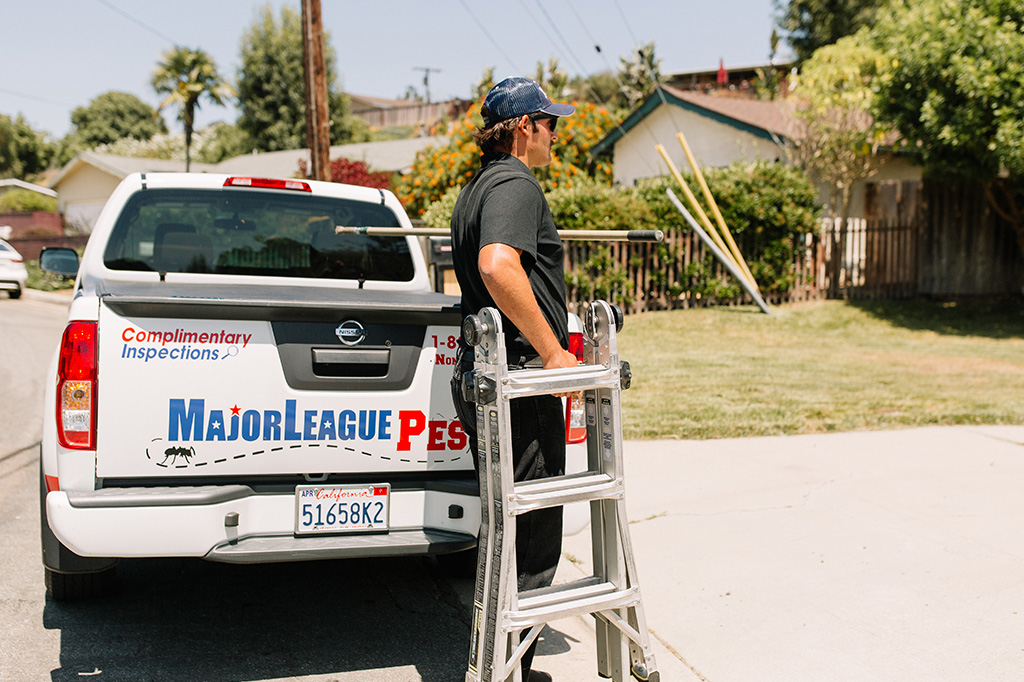
What Eco-Friendly Pest Control Really Means
Eco-friendly pest control is often misunderstood as simply using fewer chemicals. In practice, it involves a broader, more structured approach that focuses on prevention, targeted treatments, and environmental awareness.
Professionals rely on integrated strategies that consider pest behavior, property conditions, and seasonal patterns. This approach allows for precise treatment rather than widespread application, which helps reduce unnecessary exposure.
For a deeper look at how professionals handle safety concerns, our resource about pet-safe pest methods explains how treatments can be applied responsibly without compromising effectiveness.
Eco-friendly pest control is not about doing less. It is about doing things more carefully, with a focus on long-term results rather than quick fixes.
Key Qualities to Look for in a Provider
Finding the right provider requires looking beyond surface-level claims. A company’s process, experience, and attention to detail all contribute to how effective and responsible their services will be.
- Clear inspection process. A thorough evaluation helps identify the root cause of pest activity rather than just treating symptoms.
- Targeted treatment methods. Focused applications reduce unnecessary exposure while improving results.
- Knowledge of common pests. Experience with ants, spiders, rodents, cockroaches, and other common pests ensures accurate identification and treatment.
- Transparent communication. Clear explanations about methods and expectations help build trust and understanding.
These qualities reflect a professional approach that prioritizes both safety and effectiveness. They also indicate whether a company is equipped to handle different types of pest activity in a consistent and reliable way.
Why Treatment Approach Matters More Than Labels
It is easy to focus on labels such as “green” or “natural,” but these terms do not always reflect the full picture. What truly matters is how treatments are planned and applied.
- Precision over volume. Applying the right solution in the right place is more effective than broad treatments.
- Timing plays a role. Addressing pest activity at the right stage can reduce the need for repeated applications.
- Environmental awareness. Understanding how conditions like moisture and shelter affect pests leads to better outcomes.
- Long-term prevention. Effective strategies aim to reduce future infestations, not just current ones.
This is where professional expertise becomes especially important. Eco-friendly pest control requires a deeper understanding of how pests interact with their environment, which allows for smarter and more efficient solutions.
The Role of Environment in Pest Management
Pest activity is closely tied to the conditions around a property. Moisture, food sources, and shelter all influence whether pests remain or move elsewhere. A strong eco-conscious approach focuses on adjusting these factors as part of the overall strategy.
As highlighted in our blog post on apartment pest solutions, shared environments and structural conditions can increase pest pressure if not properly managed.
- Moisture control reduces attraction. Damp areas often support insect and rodent activity.
- Proper waste management limits food sources. Accessible food can quickly attract pests.
- Structural maintenance prevents entry. Sealing gaps and cracks reduces access points.
- Consistent upkeep maintains balance. Regular care helps prevent conditions that encourage infestations.
This broader view shifts the focus from reacting to pests toward managing the environment in a way that discourages them from settling in the first place.
When Professional Eco-Friendly Pest Control Is the Better Choice
While eco-conscious practices can help reduce pest pressure, certain situations require a more structured and experienced approach. Recognizing these moments can prevent small issues from becoming larger concerns.
- Recurring pest activity. Repeated infestations often indicate underlying conditions that need professional evaluation.
- Multiple pest types present. Different pests require different strategies, which can be difficult to manage without experience.
- Hard-to-access areas. Attics, crawl spaces, and wall voids often require specialized tools and methods.
- Uncertainty about treatment options. Choosing the wrong approach can lead to ineffective results and ongoing issues.
Professional eco-friendly pest control provides a level of precision and consistency that is difficult to achieve otherwise. It ensures that treatments are applied correctly while maintaining a focus on safety and environmental responsibility.
Choose Smarter Protection for Your Home
Eco-conscious pest management is about making informed decisions that protect both the home and the environment. A thoughtful approach leads to better results and fewer recurring issues over time. For reliable, eco-friendly pest control, reach out to Major League Pest.
