
Termite damage rarely announces itself, and in Vista it can start in fascia, patio covers, and fences. Since 1992, our family-owned team has found it early, treated what’s active, and repaired the wood it damaged.
We’ve served Vista and the rest of North San Diego County since 1992, and our senior inspector has more than 50 years in the field. A state-licensed inspector walks you through the findings, treatment, repairs, cost, and schedule before any work begins.
Each service below follows the inspection. Our termite treatments page explains fumigation, heat, and local treatment in more detail.

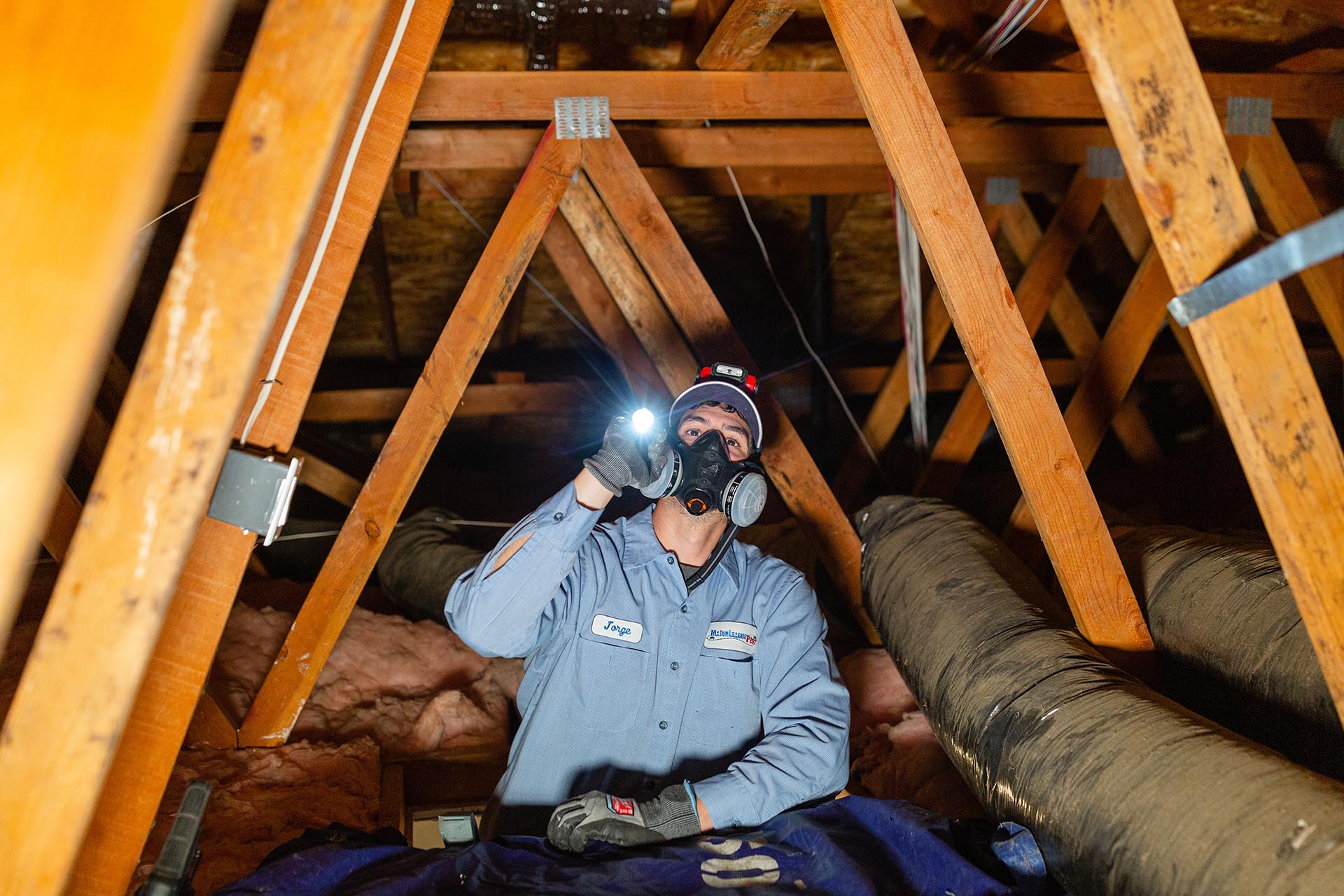
The inspector checks reachable rooms, attics, foundations, patio covers, and fences, then explains the evidence and any areas that couldn't be reached.

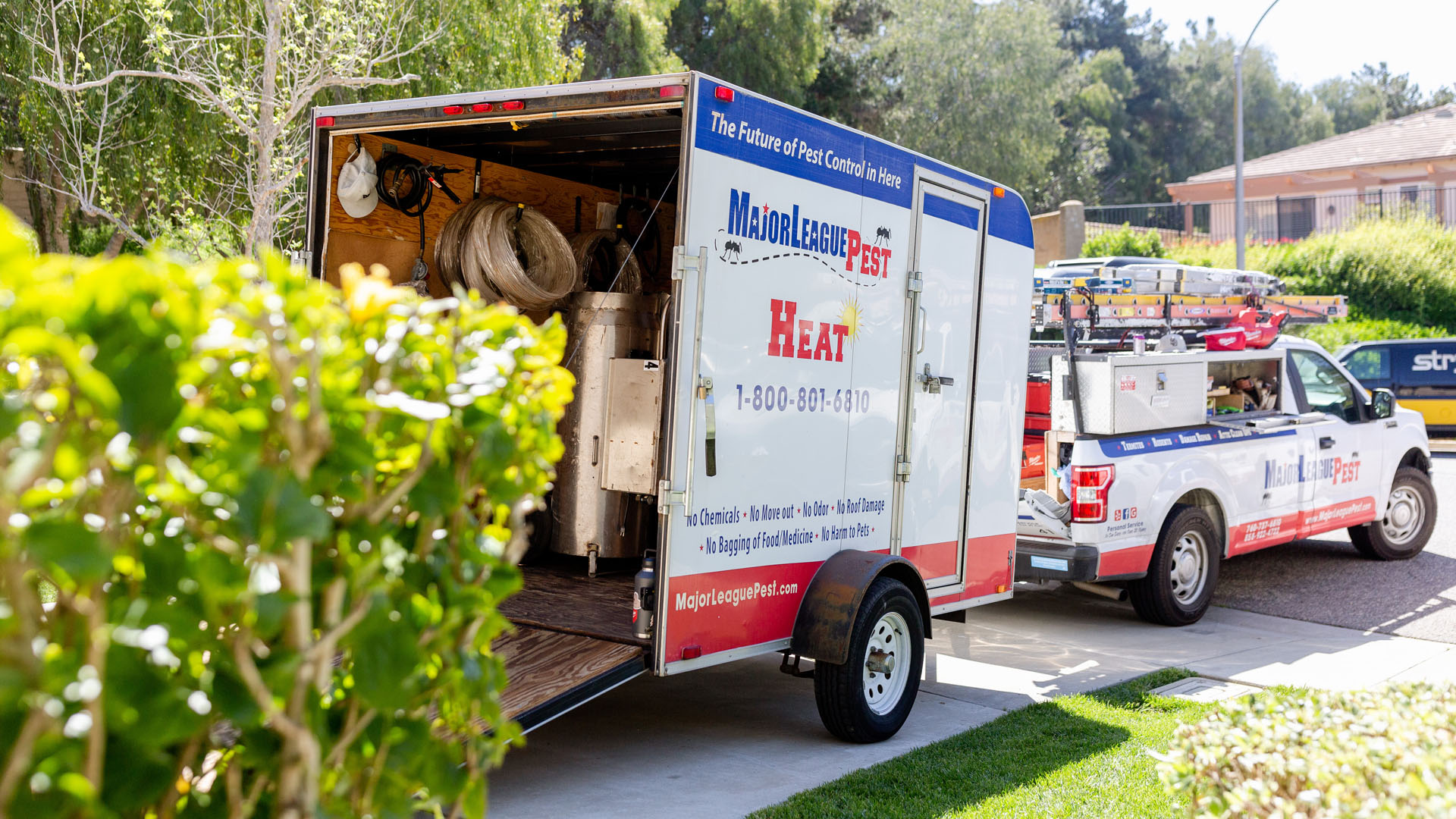
A few reachable spots of activity don't call for a tent. We inject product straight into the galleries or use heat from our own trailer.

For drywood termites spread through the structure, we coordinate prep, tenting with sulfuryl fluoride, clearance, and re-entry, so you know each step.

A soil barrier along the foundation targets subterranean termites coming up through cracks, slab edges, and other hidden entry points.

Monitored bait stations work slowly, often over months, as foragers carry the bait to the colony. They suit ongoing protection better than a quick fix.

Our crew repairs damaged fascia, rafters, trim, and patio wood, handles related dry rot, and cleans up. See our repair work.


Enrique, Alex and Daniel did an excellent job repairing the fascia and shade structure that were damaged by termites and dry rot.


So far, it's been a 5 star experience. Dan is extremely knowledgeable and friendly. I really feel like they focus on your needs and don't try to up sale on unnecessary service. I would highly recommend Major League Pest to anyone in the area.


I’ve had a fantastic experience with Major League Pest Control for years! My technician, Tony, is absolutely the best—professional, knowledgeable, and always goes above and beyond.


Working with Paul was a complete breath of fresh air. I completely trust him as he went above and beyond to show me exactly what was going on and not try to oversell me on any treatment.

Treatment follows the inspection, not a package picked in advance. The inspector checks the species, damage pattern, moisture, access, and any wood touching soil. One reachable drywood spot can take local treatment, and activity spread behind finished walls points to fumigation. Subterranean termites need a soil barrier or baits. If wood needs replacing, the repair is planned with the treatment, so you get one schedule and one quote. Here’s a guide to the types of termites we treat.
Treatment starts with the wood: where the activity is, how wet it stays, how easy it is to reach, and whether repairs belong in the plan.

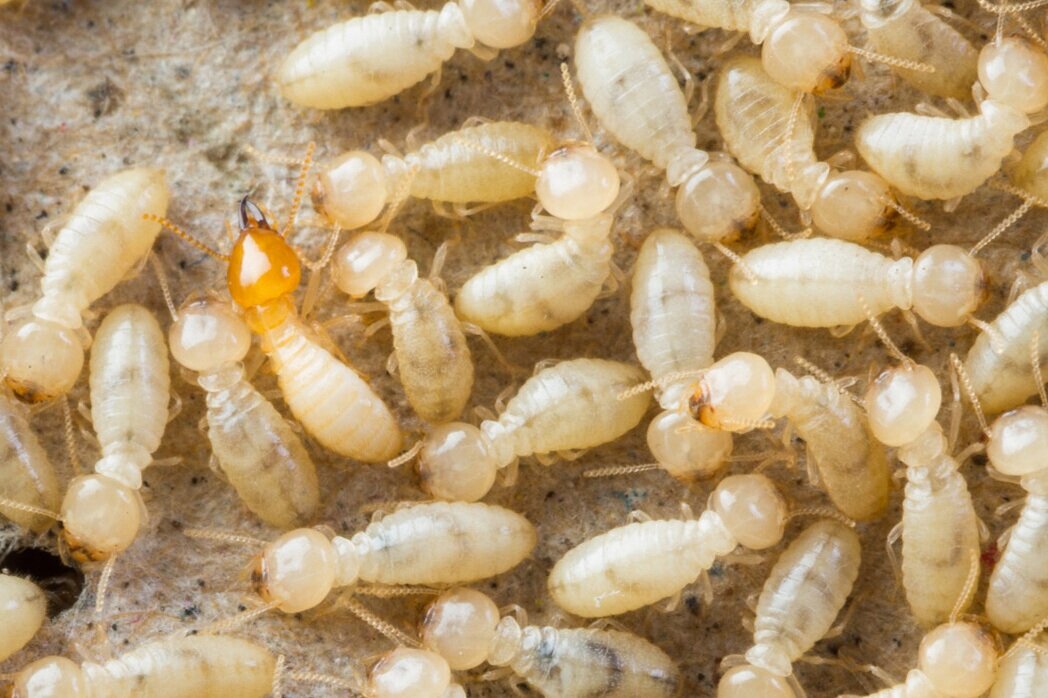
Dampwood termites need wood that stays wet, such as fascia under a clogged gutter or a post set in soil. Fixing the water source comes first, or they come back.
Drywood termites need no soil contact and can live in trim, beams, and even furniture. Small, reachable areas can take spot treatment, and wide activity usually calls for fumigation.
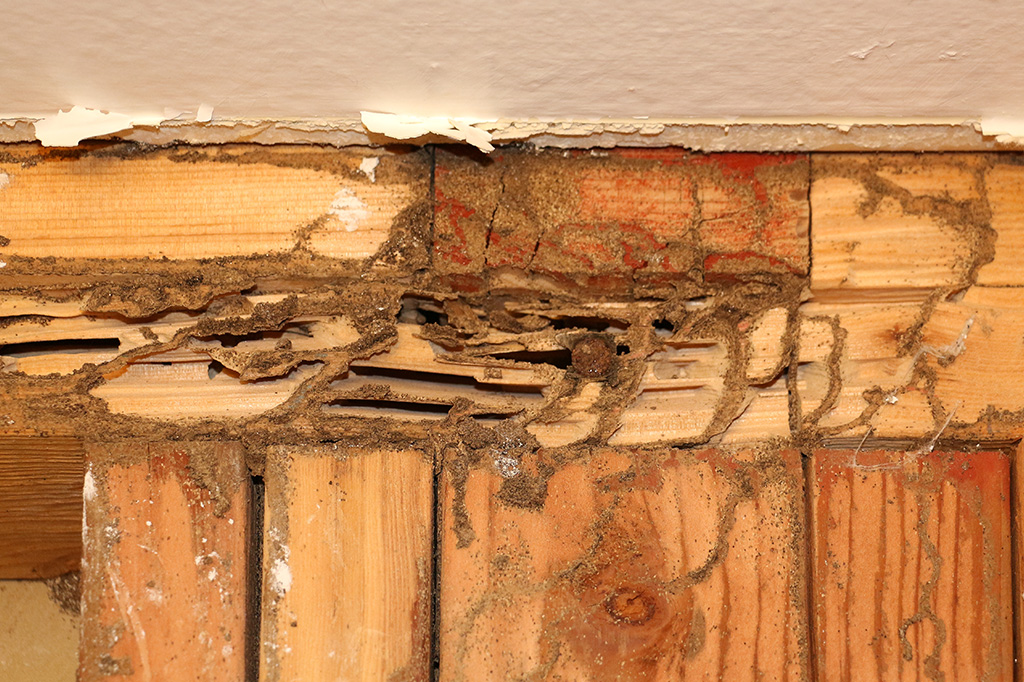
Subterranean termites come up from the soil through mud tubes, cracks, and foundation gaps, and swarm on clear days after a soaking spring or fall rain.
Here’s why Vista owners and managers call us for termite work.
Yes, when the treatment allows it. We explain access, parking, closure windows, and safety steps ahead of time, and larger sites can be done in sections so residents and staff can plan.
Pause before anything gets covered. Open framing shows galleries and moisture damage clearly. We inspect the exposed wood, check nearby framing, and recommend treatment or repair before drywall, trim, or cabinets go back on.
From the inspection. Local treatment or heat fits limited, reachable drywood activity. Fumigation comes up when signs show in several rooms or behind finished surfaces we can’t open without damage.
Yes, when we can reach them and they’re included in the inspection. Patio covers, balconies, fences, sheds, fascia, and garage framing get checked, and the report separates normal weathering from damage that needs work.
Before tenting, you get a list of what to bag, move, or unlock, including food, medicine, plants, and pets, plus gate and utility access. Afterward you get clearance timing and re-entry steps in writing.
Yes. Our crew replaces damaged fascia, rafters, trim, and patio pieces when the scope allows, and the repair plan is reviewed separately so you know exactly what gets replaced.
Yes. Follow-up depends on the treatment and your service agreement. You’ll know which signs are normal, which deserve a call, and whether another visit makes sense. More answers are on our termite FAQ page.
We check gates, shared walls, parking, landscaping, and neighbor clearance before scheduling, and residents, managers, and neighbors get access notes and timing early. HOA boards can see our property manager program.
Call 760-737-6810 for clear findings, treatment options, and wood repairs from one team. Need general pest control? See pest control in Vista.