EXCELLENT 800+ reviews

Termite Control Spring Valley, CA

In Spring Valley, termite signs are not always obvious. Hillside moisture, older homes, and wood-to-ground contact can blur the warning signs, which is why our 30-plus years in the field matter. 

Contact Us For Details

Name
Termite Control Company With Over 30 Years of Expertise

Professional Termite Control Spring Valley, CA

Spring Valley termite control has to account for more than the board showing damage. Dictionary Hill slopes, Bancroft-area older homes, Sweetwater edges, garages, decks, fences, crawl spaces, and planter contact can all change what the evidence means.

Major League Pest brings over 30 years of overall experience, supported by long-term termite, fumigation, inspection, construction, repair, and project specialists who know how to read complicated wood findings.

Wood Damage Needs Context.

Termite Services That Start With The Actual Clues

A termite removal plan should come from the species, location, damage pattern, access, moisture, and how far the activity appears to reach. 

Evidence-Based Inspection

We check pellets, wings, tubes, eaves, fences, decks, attic wood, garage trim, planters, slab edges, and suspicious soft spots.

Limited-Area Treatment

When the activity is reachable and contained, local treatment may solve the specific section without turning it into a whole-home project.

Fumigation Review

If drywood evidence points beyond small sections, fumigation may be considered. We explain preparation, timing, structure access, and clearance.

Ground-Level Barrier Work

Subterranean termites depend on soil routes. Our termite control Spring Valley pros inspect foundation edges, damp ground, mud tubes, cracks, and wood contact.

Colony Bait Strategy

Baiting can fit certain subterranean cases when placement, monitoring, soil conditions, and termite movement make that approach practical.

Repair And Wood Preservation

Termite control stops activity. Damaged wood still needs judgment, so our repair experience helps sort replacement, preservation, and dry rot concerns.


Clear Work Earns Real Trust.

Feedback From Major League Pest Customers

Based on 800+ Reviews
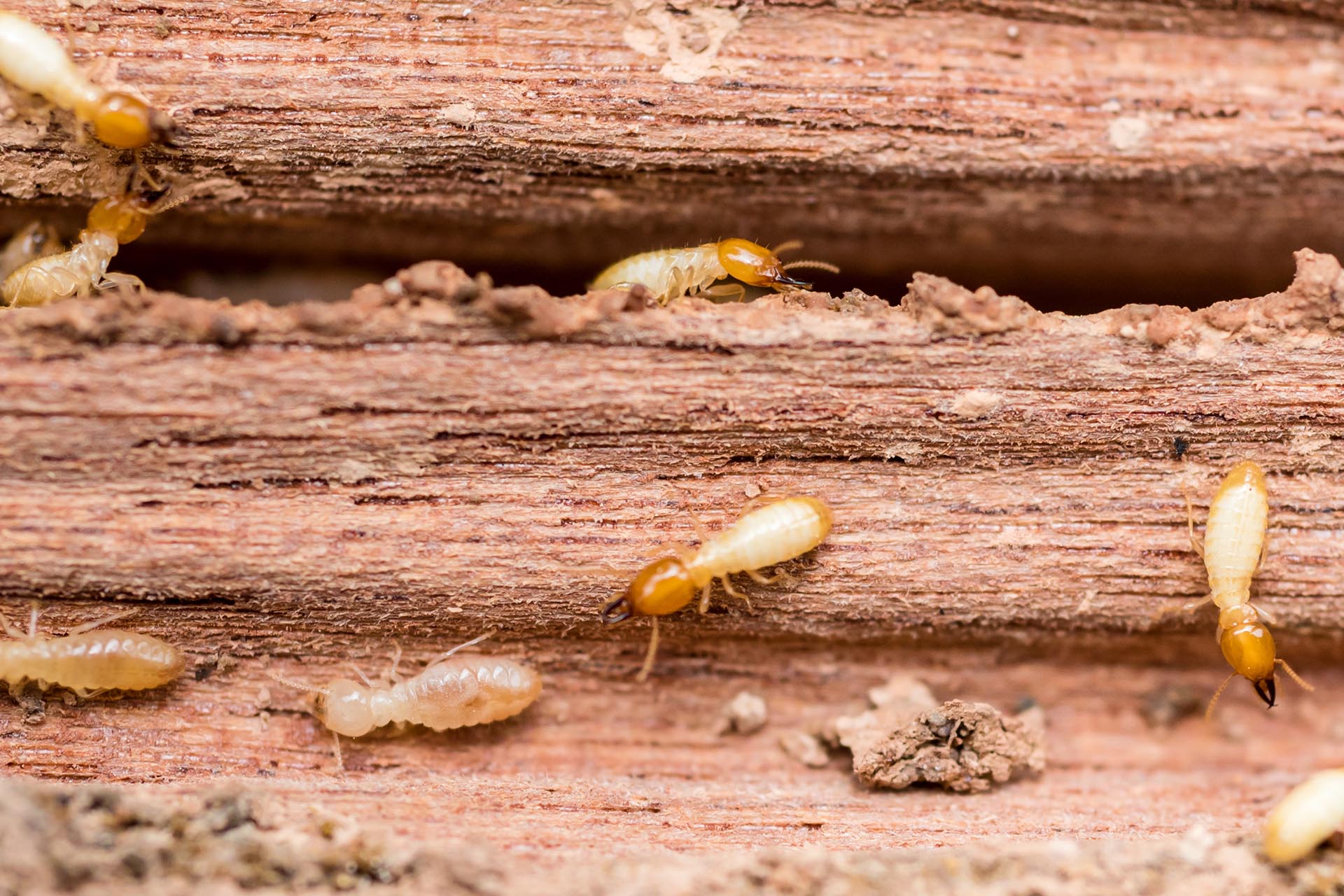
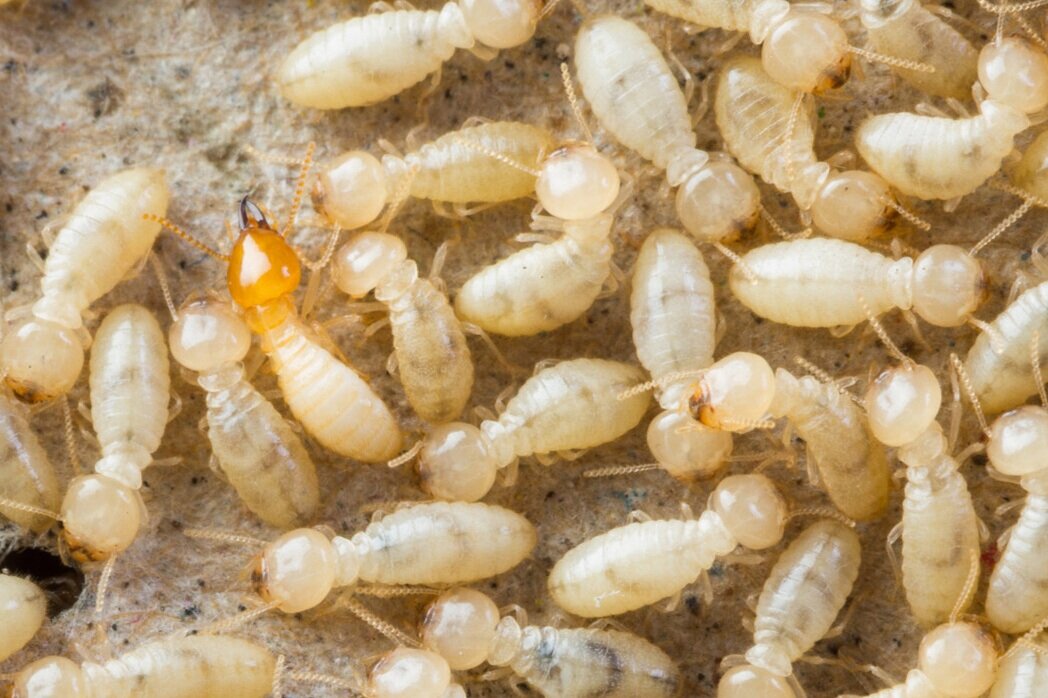
Close-up image of termites crawling through and damaging a piece of wood.
Tried and True Inspection Process

Spring Valley Termite Inspections With A Property-First Approach

A Spring Valley inspection may begin at a window trim, garage edge, fence board, or patio beam, but it should not stop there. Our termite control Spring Valley, CA, pros look at how the property sits: slope, drainage, irrigation, soil contact, shaded wood, old lumber, and access around the structure.

Drywood termites can stay above ground inside lumber. Subterranean termites usually draw attention to soil and protected routes. Dampwood signs often make moisture part of the conversation. Major League Pest separates those patterns before recommending treatment, fumigation, baiting, barrier work, or repair.

Spring Valley Termite Exterminator With Wood Repair Experience

5.0 Google Rating

Family Owned

Service Guarantee

Termite Work Done The Right Way

Termite Control And Treatments

Termite service should match the insect, not the assumption. We inspect first, then decide what kind of work fits. 

Dampwood Termite Control

Dampwood concerns usually start with wet or decaying wood. Our termite control specialists look for leaks, irrigation spray, shaded boards, soil contact, rot, and moisture sources before recommending correction.
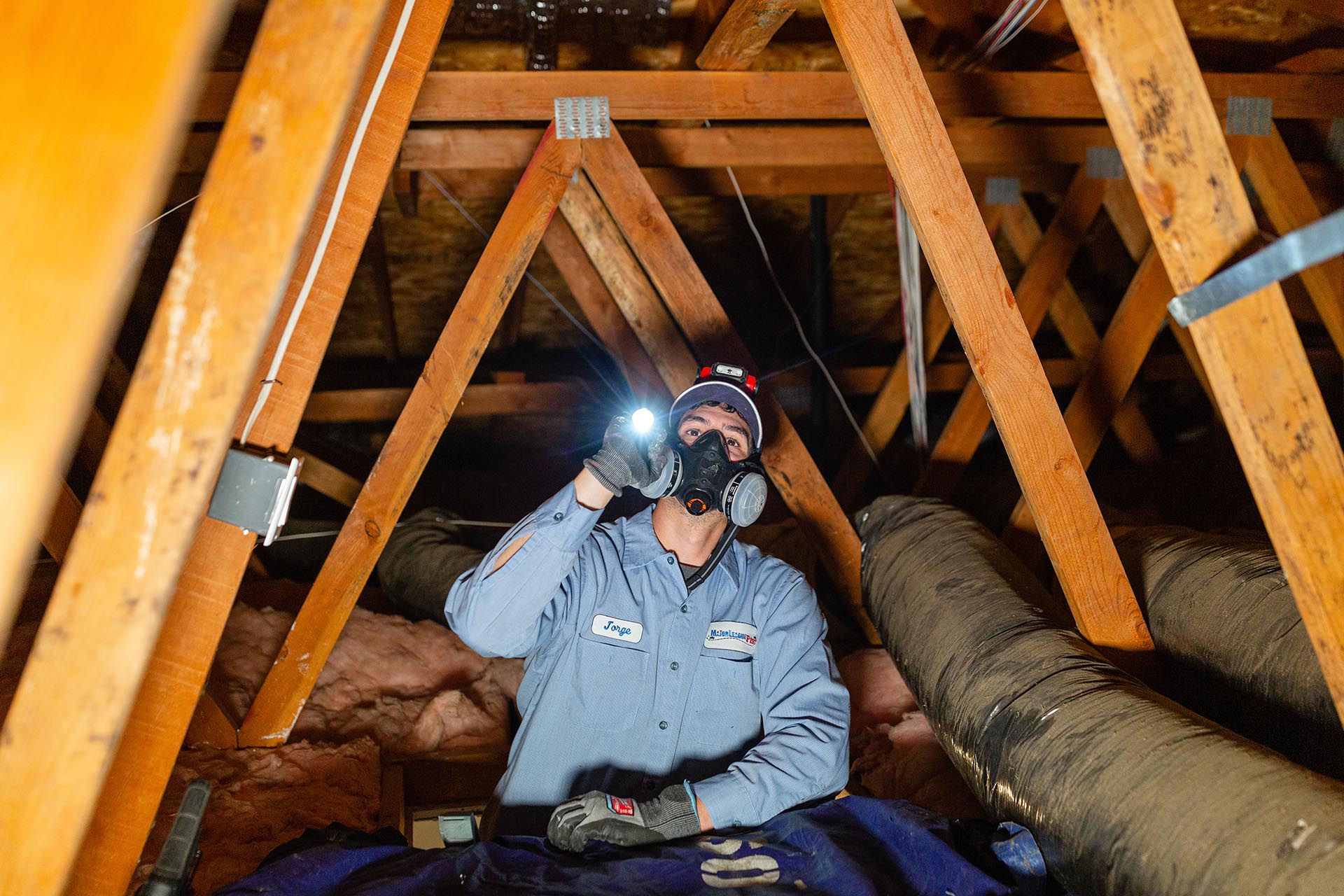
Pest control technician inspecting a residential attic with a flashlight while wearing a protective mask and uniform.

Drywood Termite Fumigation

Drywood termites can sit inside sound wood without soil access. When evidence appears in several areas, fumigation may reach galleries that local work cannot.
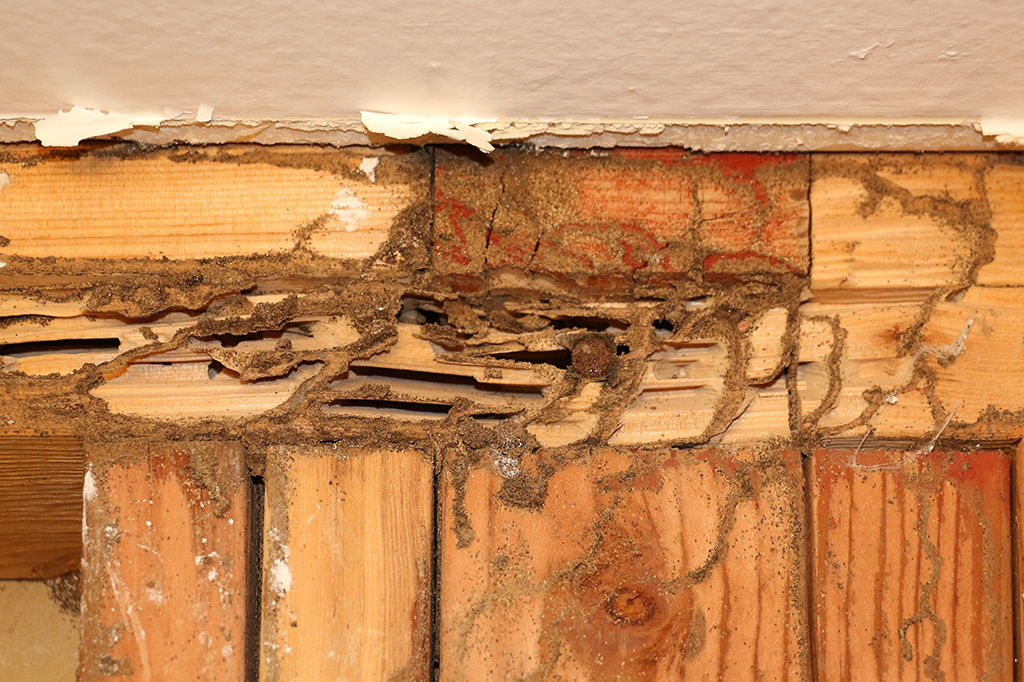
Severely damaged wooden wall structure showing visible signs of termite infestation and tunneling beneath a layer of drywall.

Subterranean Termite Care

Subterranean termites work from the ground, often through hidden routes. We check slab seams, foundation cracks, mud tubes, damp soil, and wood-to-ground contact.

Why Spring Valley Trusts Major League Pest

  • Deep Termite And Fumigation Background. The recommendation is backed by decades of termite, fumigation, inspection, construction, and repair knowledge, not a quick look at one damaged board.
  • Hillside And Drainage Awareness. Spring Valley lots can involve slopes, planter edges, irrigation, and drainage quirks. Our Spring Valley, CA, termite control pros read those property conditions before deciding where treatment belongs.
  • Repair Judgment After The Inspection. A treated termite issue may still leave weakened wood. Our repair background helps homeowners understand what should be fixed, watched, or preserved.
  • Options Without A Forced Answer. Some homes need local treatment. Others need fumigation, baiting, barrier work, or repair. We explain the reason before asking for a decision.
  • Useful For Owners, Buyers, And Sellers. Termite findings can affect escrow, repairs, and long-term upkeep. We help organize what was found, what it means, and what step fits.


Frequently asked questions

Termite Control FAQs

Why is Spring Valley termite inspection different from a flat-lot inspection?

Spring Valley properties can include slopes, older wood, retaining areas, planter contact, drainage changes, and crawl or garage access that affect how termites reach wood. Our local exterminators look at the structure and the surrounding grade together before deciding whether the evidence points to drywood, subterranean, or moisture-related concerns.

Yes. Drywood termites are a Southern California concern and can live inside above-ground lumber without soil contact. Around Spring Valley, fascia, attic framing, fences, patio covers, trim, and older wood details deserve attention when pellets, discarded wings, or fresh damage appear.

Subterranean termites usually connect to the soil and use protected routes to reach wood. That means treatment may involve slab edges, foundation areas, mud tubes, soil access, moisture, or baiting rather than only the visible board. The termite type decides the method.

No. Fumigation is not automatic. If drywood termites are widespread or hidden in many areas, fumigation may make sense. Smaller, reachable activities may be handled another way. Our termite control company checks the species, spread, access, and structure first.

Watch fence rails, fascia, eaves, garage trim, patio covers, deck boards, attic wood, baseboards, and wood near soil or irrigation. Pellets, wings, tubes, bubbling paint, soft spots, or hollow-sounding sections should be inspected before assuming the damage is old.

Yes. Major League Pest has termite and dry rot repair experience, which matters when damaged wood needs more than treatment. We can review affected areas, explain practical repair needs, and help homeowners understand what should be repaired after the activity is addressed.

Moisture can point toward dampwood activity, wood decay, or conditions that help subterranean termites move into a structure. We check leaks, irrigation, shaded wood, planter edges, damp soil, and drainage because those details can change both treatment and repair recommendations.

Yes. Major League Pest offers termite extermination services and inspections for homeowners, including complimentary inspection offers at certain times. An inspection helps separate active termites, old damage, moisture issues, and other wood concerns before anyone commits to local treatment, fumigation, baiting, barrier work, or repair.

Do Not Let Hidden Termites Set The Timeline.

Schedule Your Spring Valley Termite Inspection

Major League Pest can inspect the wood, explain the evidence, and recommend the most practical next step.