Being family-owned changes how the work feels. Questions stay with people who know the job instead of passing through layers of staff.
Major League Pest brings decades of field experience to Solana Beach properties. State licensing backs the work while direct communication keeps customers informed from the first visit onward.
Major League Pest combines inspection, treatment, fumigation, barriers, baiting, and wood repair so each property receives an evidence-based service plan.

Before pest removal begins, we follow termite clues through the property and check what wood reveals about moisture or damage.

Not every drywood termite problem needs a tent. When the colony stays within reach, heat or borate work may fit.

When drywood termites have spread through the building, fumigation can reach colonies hidden beyond the spots that ordinary access allows.

Subterranean termites come from the soil. A barrier interrupts that route before they reach the wood holding up your home.

Bait stations stay outside and do their work quietly. Regular checks show whether subterranean termites are traveling near the property.

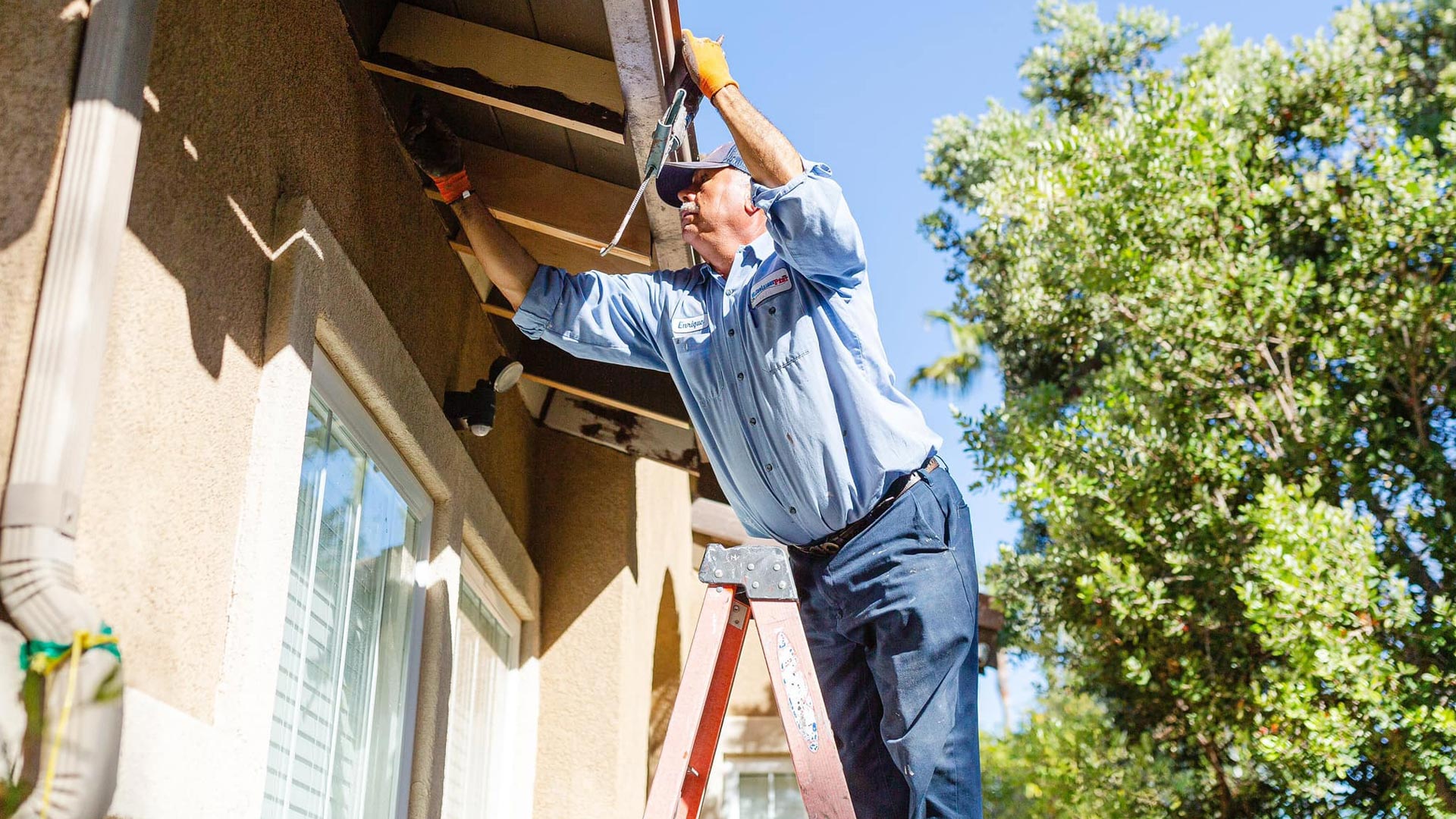
Once termites leave damaged wood behind, our local exterminators can coordinate approved repairs so homeowners avoid chasing another contractor afterward.


Enrique, Alex and Daniel did an excellent job repairing the fascia and shade structure that were damaged by termites and dry rot.


So far, it's been a 5 star experience. Dan is extremely knowledgeable and friendly. I really feel like they focus on your needs and don't try to up sale on unnecessary service. I would highly recommend Major League Pest to anyone in the area.


I’ve had a fantastic experience with Major League Pest Control for years! My technician, Tony, is absolutely the best—professional, knowledgeable, and always goes above and beyond.


Working with Paul was a complete breath of fresh air. I completely trust him as he went above and beyond to show me exactly what was going on and not try to oversell me on any treatment.
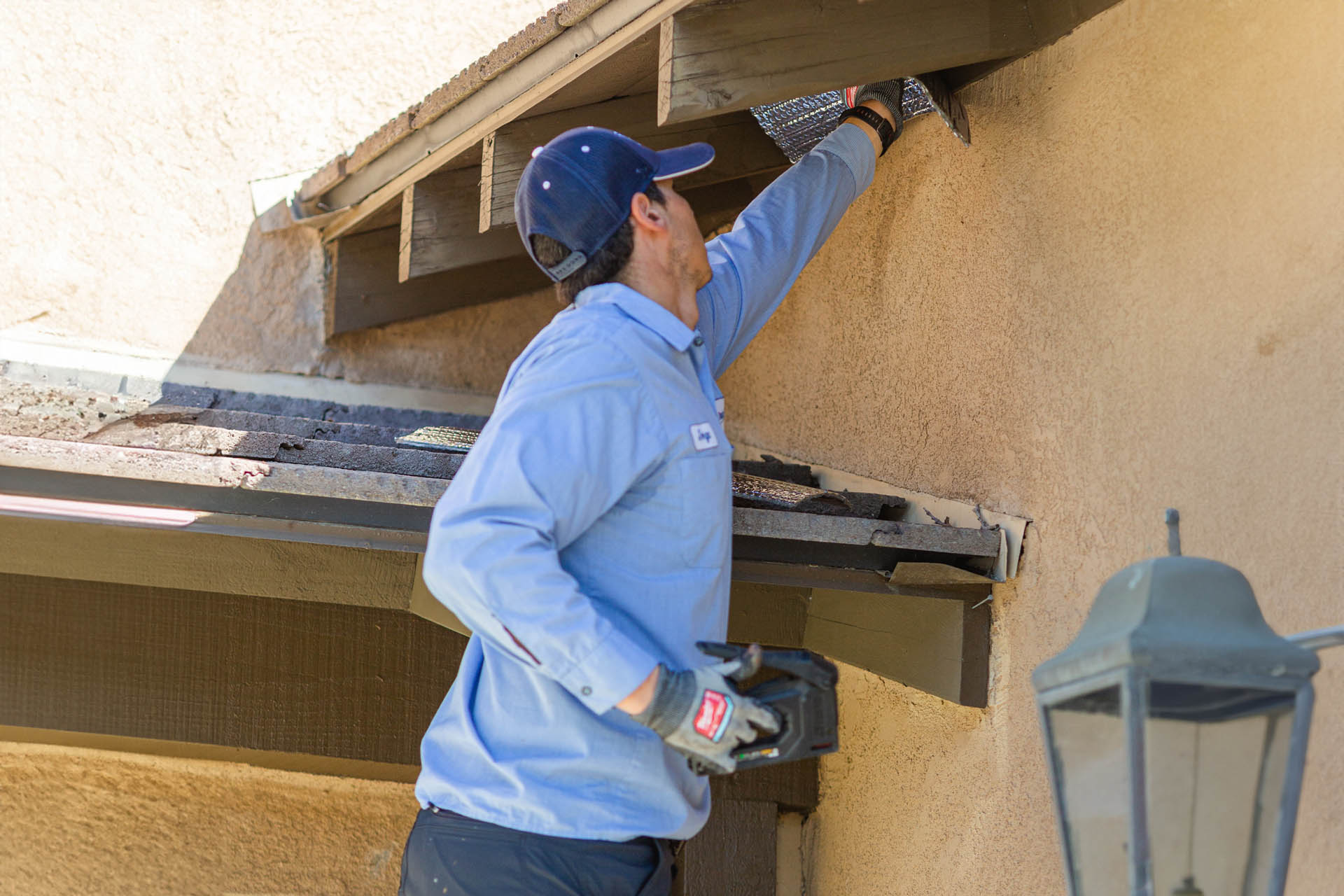
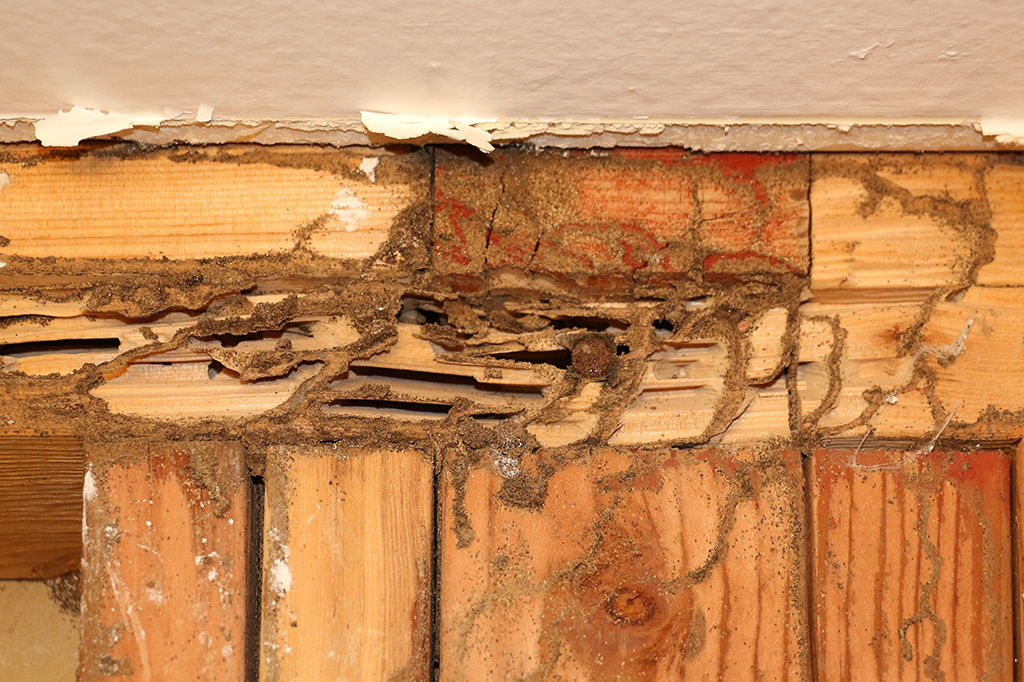
A pile of pellets points one way. Mud tubes point another. That difference matters because drywood termites live inside timber while subterranean colonies travel up from soil. Dampwood termites follow moisture.
Major League Pest reads those signs before choosing the next step. A pest control exterminator may recommend focused heat for a limited drywood pocket or fumigation when the colony has spread. Bait stations and soil barriers address underground routes. Damp wood may need repair. The moisture source should also be corrected before termites return.
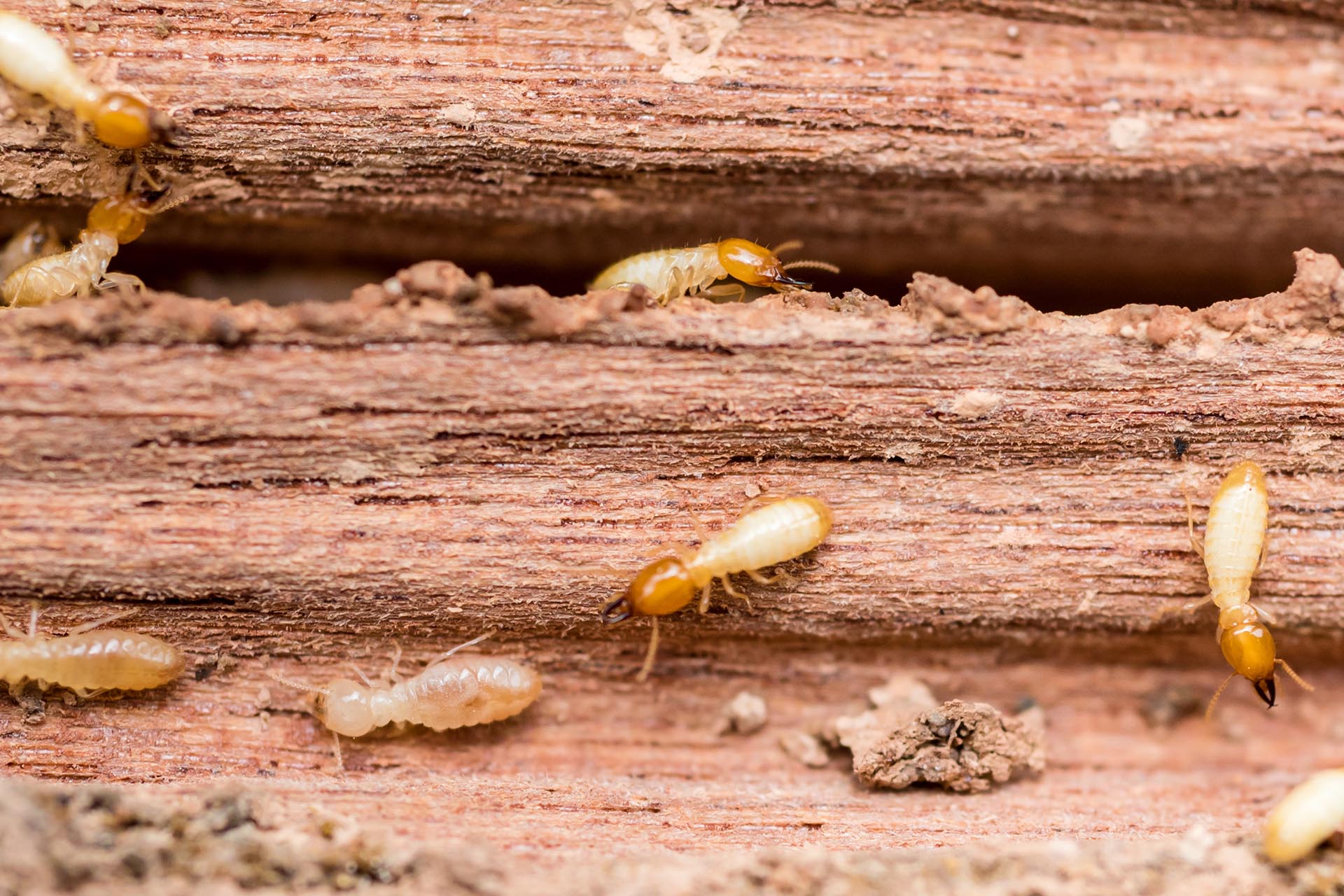
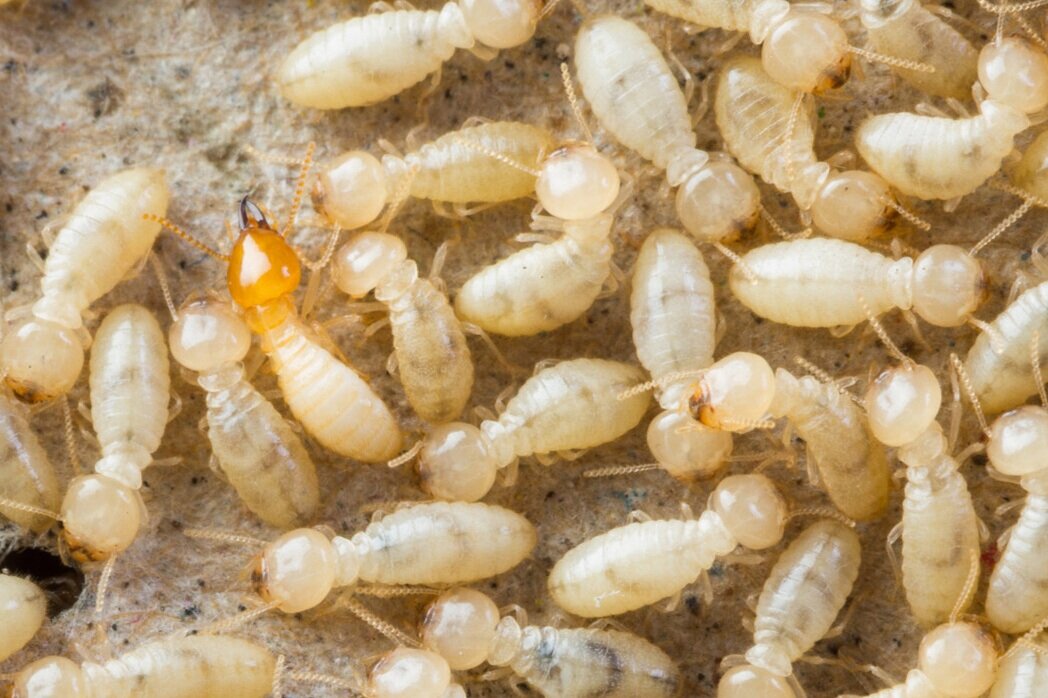
Good termite control starts with one question: which species is here? The answer shapes what makes sense for the property.

Dampwood termites are usually a moisture story first. Our pest expert looks for wet lumber and the leak feeding it, then explains whether the damaged section needs repair or replacement.
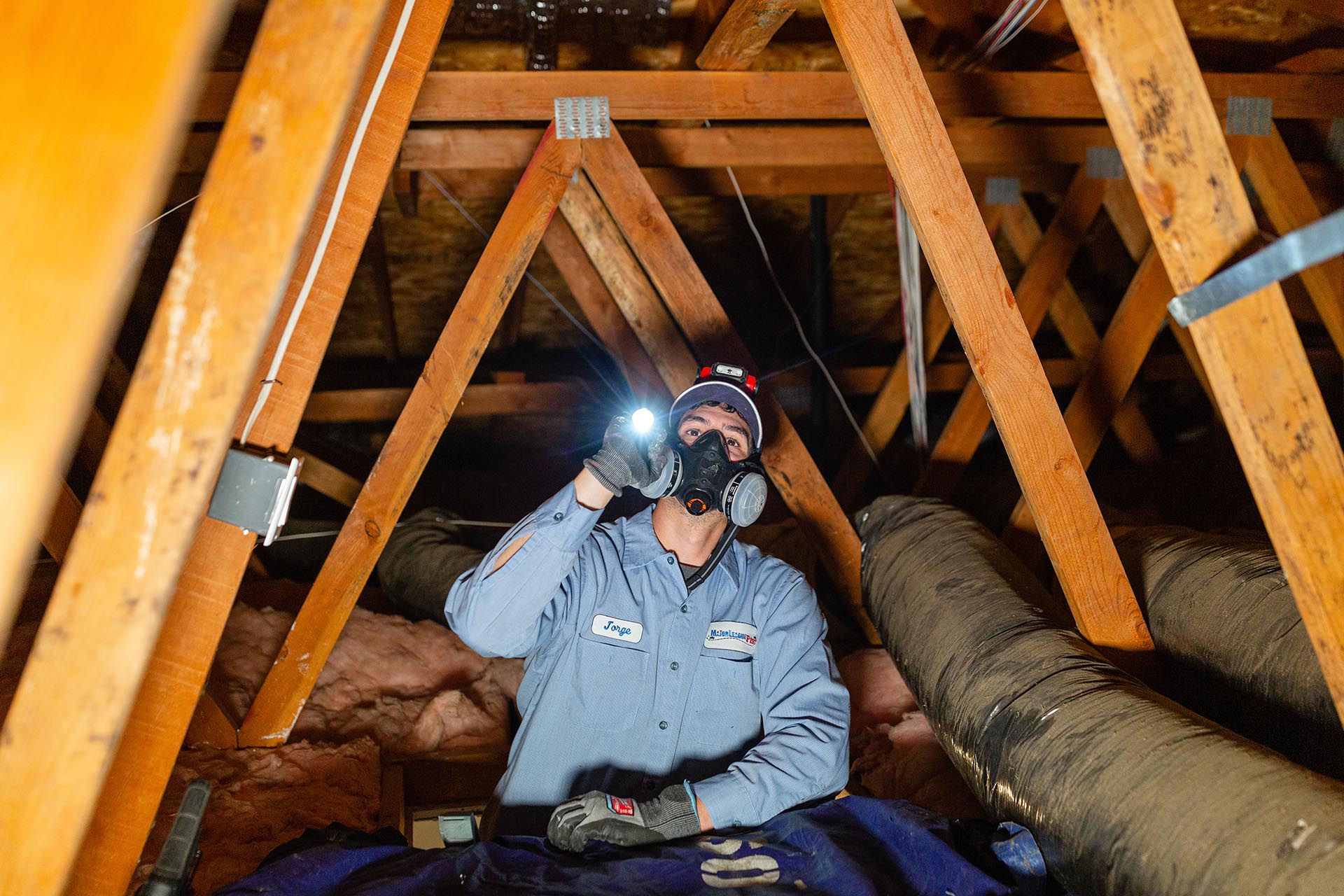
Drywood termites stay hidden inside boards and never touch soil. A small pocket may suit heat or borate work, while a wider colony may require fumigation for the whole house.

Mud tubes near the foundation often reveal subterranean termites on the move. We trace their path from soil to wood before weighing bait stations against a barrier for the property.
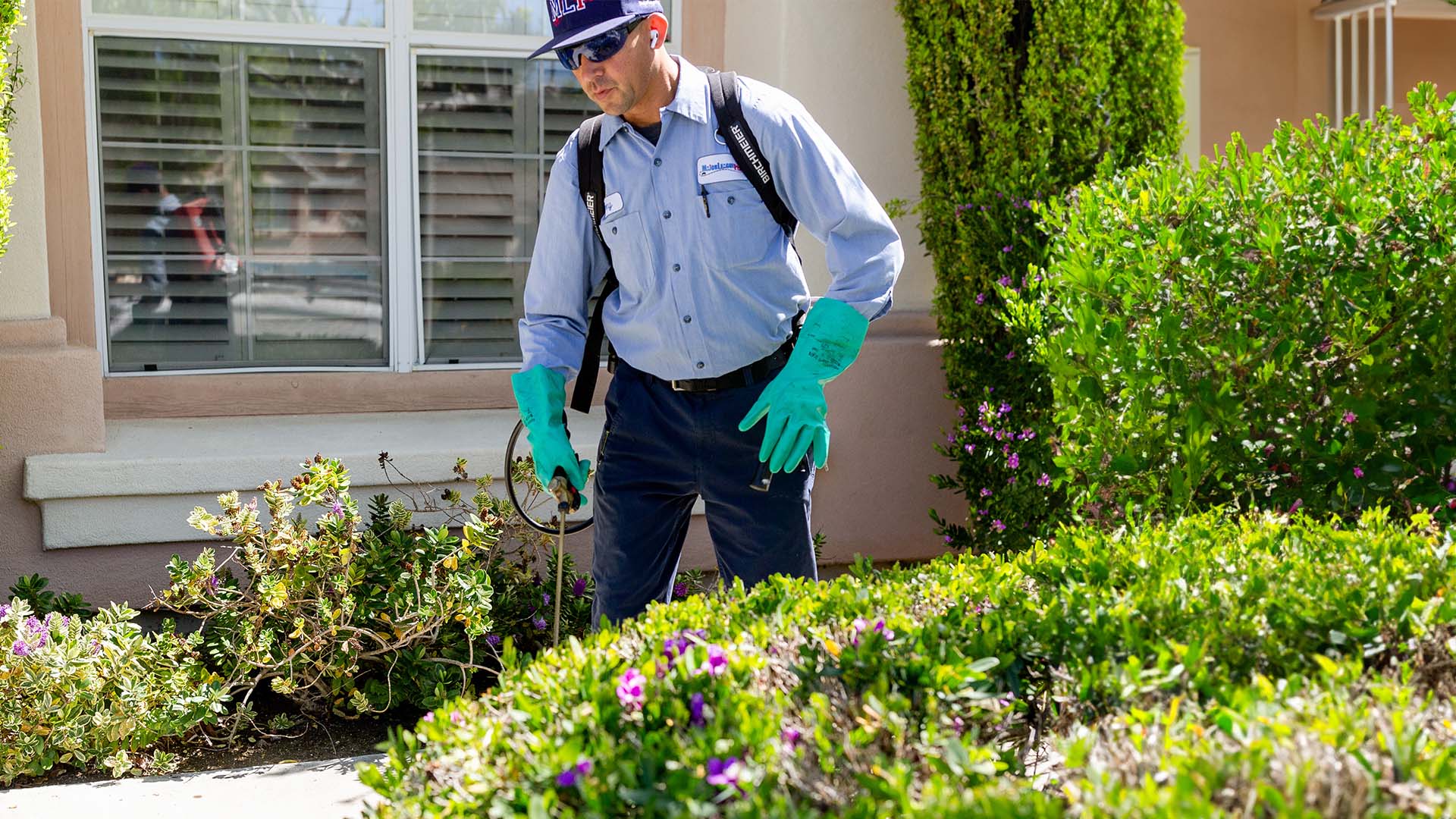
Do not wait for an obvious problem. A few shed wings near a window or a mud tube can justify a closer look. Solana Beach pest control starts by finding out which termite left the clue. Major League Pest offers complimentary homeowner inspections before you commit to any termite work.
Yes, when inspection findings show a limited and accessible drywood termite area, localized heat or borate treatment may be considered. It is not suitable for every structure or infestation. Major League Pest explains the evidence, reach, and limitations of each method so you can compare its recommendation with any pest control company proposal.
Drywood termites can sit inside a beam while the room looks perfectly normal. Major League Pest starts by checking how much wood the colony has reached. A small pocket may allow heat or borate work. When termites run farther through the structure, fumigation may be the more sensible overall choice.
Yes. Termite work sometimes reveals wood that can no longer carry its share of the load. Our pest control specialists document the damaged area and coordinate approved repairs with the structural work. Keeping both pieces together means fewer handoffs and keeps homeowners from explaining the same problem to another company.
Fumigation can make sense when drywood termites have moved beyond a single reachable spot. Major League Pest first checks whether a smaller approach could do the job. When the colony runs through hidden sections of the home, pest control in Solana Beach, CA may include whole-structure fumigation for full reach.
Subterranean termites come from the ground and build hidden routes toward wood. Major League Pest begins at the foundation, then follows those routes back to the soil. The findings may point to bait stations or a soil barrier. Moisture repairs can also matter when leaks keep the area inviting again.
Start with the animal most likely to get stressed or escape. Tell Major League Pest where that pet stays and what cannot be moved. For pet-safe pest control, ask when animals must leave and exactly when they may return. Get those directions before service day so nobody has to guess.
Before work begins, your household should know who needs to leave and what areas must stay open. Major League Pest provides the schedule in writing and explains when reentry is allowed. Families should raise timing questions early when children or shared walls make coordination harder for everyone in the home.
Have kids at home? Call Major League Pest for kid-safe pest control guidance before booking a complimentary Solana Beach termite inspection.