
Termite trouble in San Marcos can turn up mid-project, when old trim or decking comes off. Our family-owned team has inspected and treated North County homes since 1992. Book the inspection before demolition starts.
We’ve handled termite problems across North San Diego County since 1992. Our senior inspector has worked in the field for more than 50 years, and our fumigation specialist for 20. We explain what we find and recommend only the work that fits: spot treatment, heat, fumigation, soil barriers, baits, or wood repair.
Nothing gets treated before the inspection shows the colonies, the damage, and the conditions behind them. Want to avoid a tent? See how heat and local treatment work on our termite treatments page.

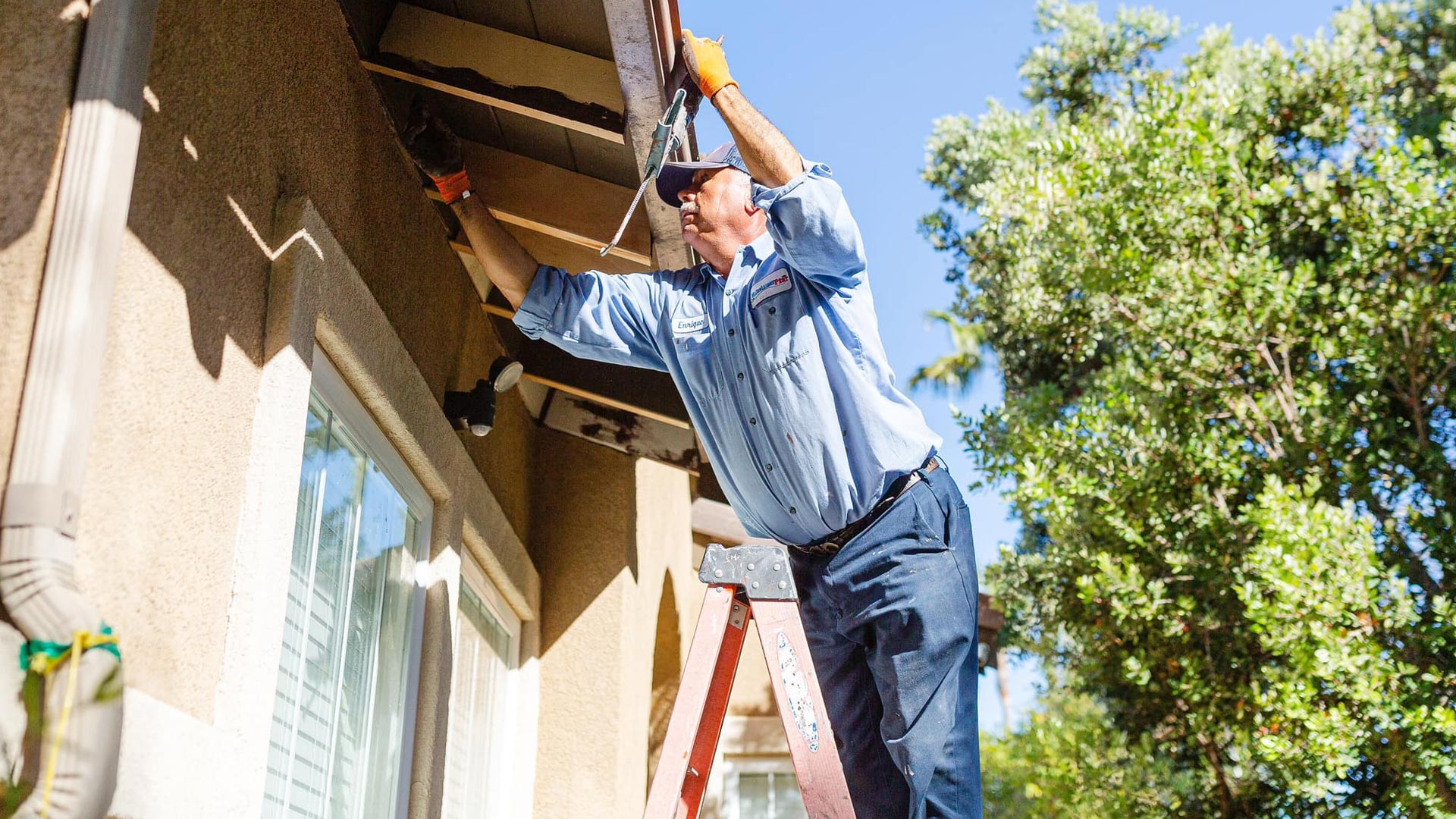
A licensed inspector checks the accessible areas state law lists, including the foundation, porches, attic, eaves, and fascia, and the written report follows within 10 business days.

When activity stays in one reachable section, we treat just that wood with injected products, borate, or heat from our own trailer.

When drywood colonies run through several walls we can't open, we tent the structure and fumigate with sulfuryl fluoride, which reaches wood a spot treatment can't.

A liquid barrier in the soil along the foundation cuts off subterranean termites traveling between the ground and the framing.

Foragers carry the bait back to the colony, so stations work slowly, often over months. They fit long-term protection, not a remodel deadline.

Once the termites are gone, our crew removes damaged material, replaces the wood, and handles related dry rot repair.


Enrique, Alex and Daniel did an excellent job repairing the fascia and shade structure that were damaged by termites and dry rot.


So far, it's been a 5 star experience. Dan is extremely knowledgeable and friendly. I really feel like they focus on your needs and don't try to up sale on unnecessary service. I would highly recommend Major League Pest to anyone in the area.


I’ve had a fantastic experience with Major League Pest Control for years! My technician, Tony, is absolutely the best—professional, knowledgeable, and always goes above and beyond.


Working with Paul was a complete breath of fresh air. I completely trust him as he went above and beyond to show me exactly what was going on and not try to oversell me on any treatment.
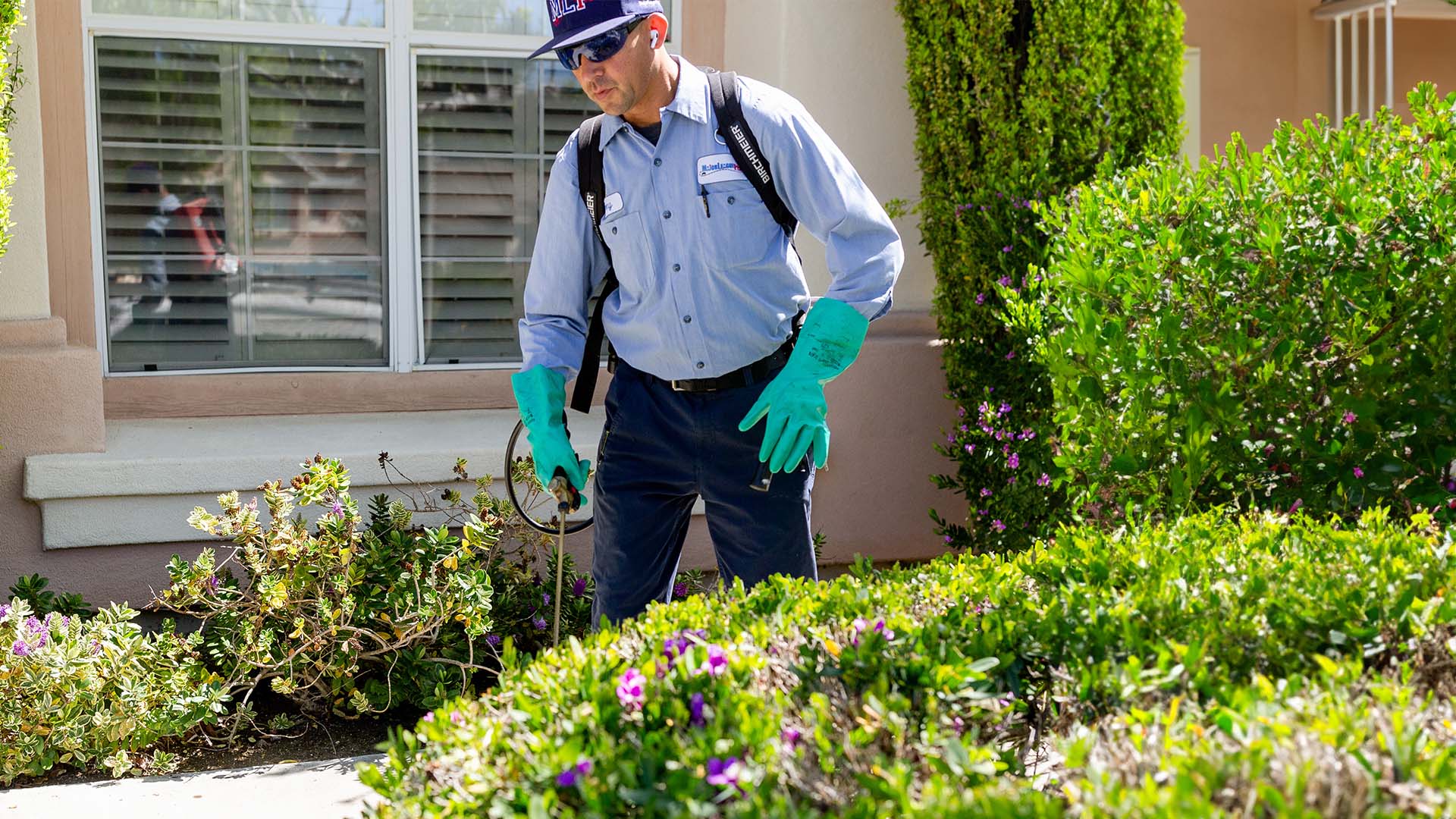
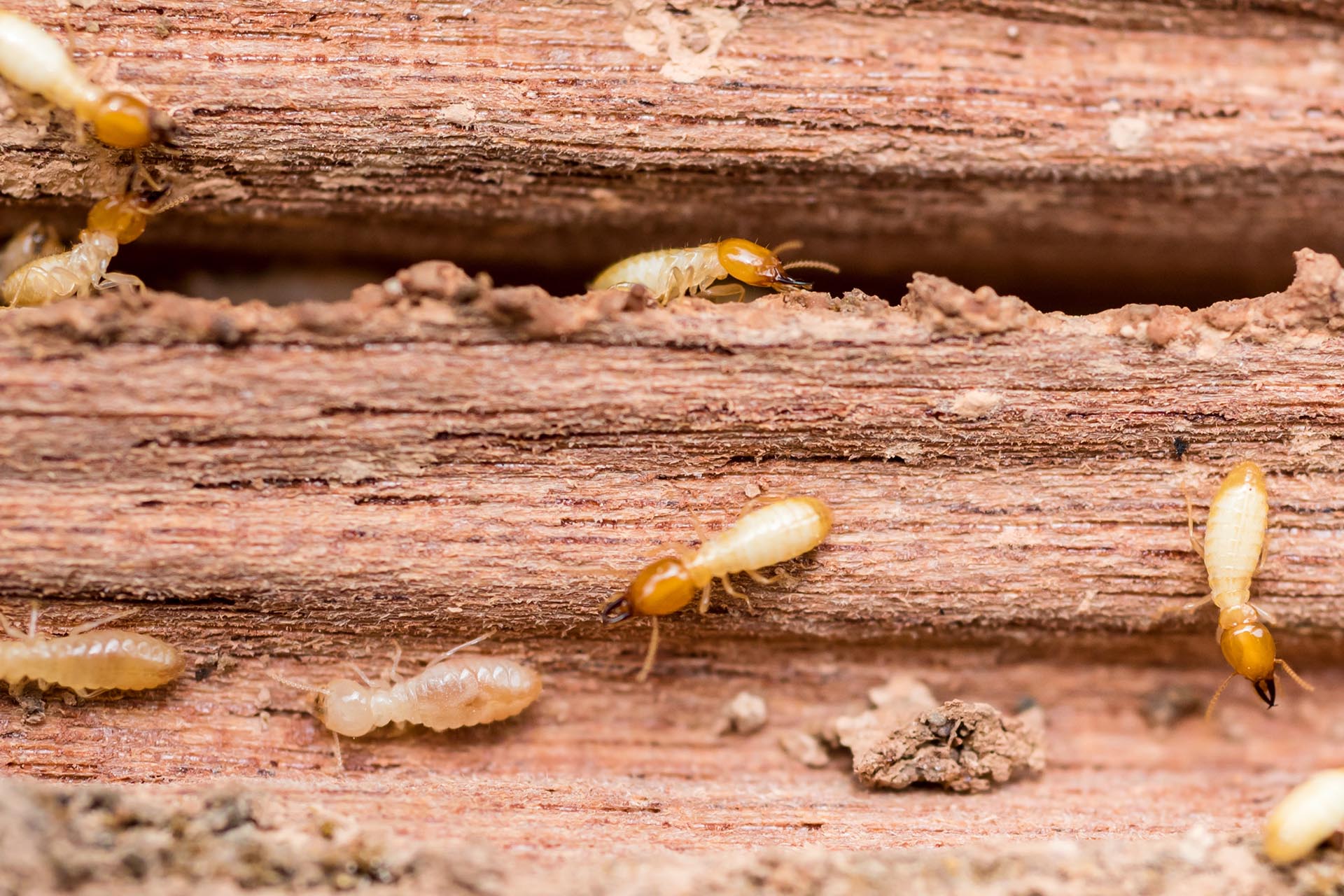
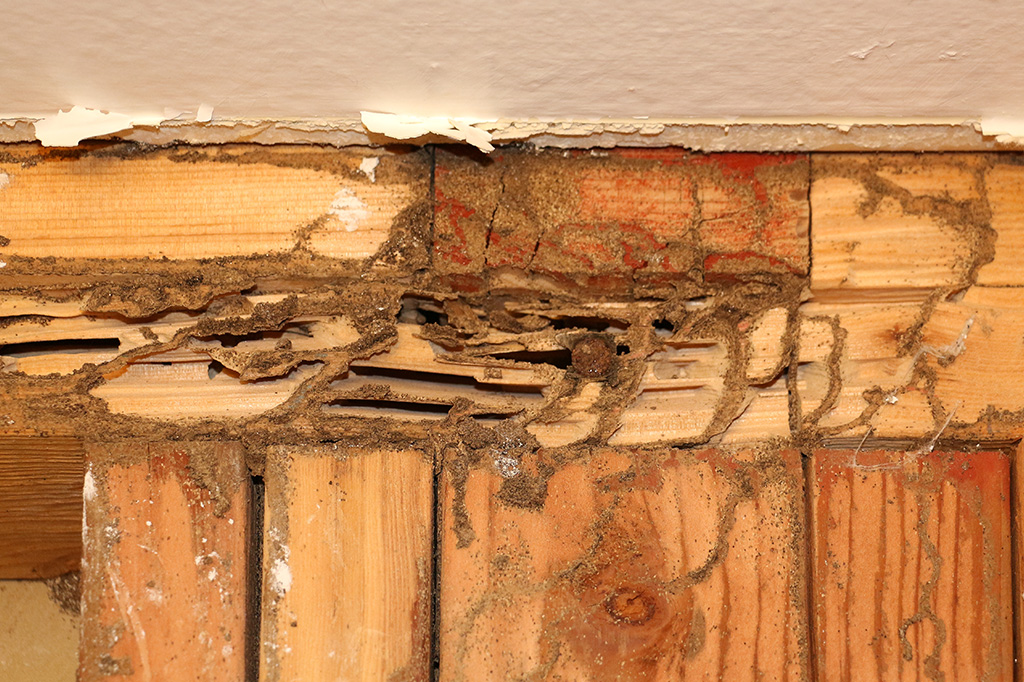
Pellets, shed wings, mud tubes, and soft wood can point to different termites. Drywood termites leave six-sided pellets, subterranean termites build mud tubes, and dampwood termites mean wood is staying wet somewhere.
San Marcos homes vary just as much, from older houses with mature landscaping to newer builds with irrigated yards and attached patio covers. We check the areas that matter for your house and match the treatment to what we find, not to a default.
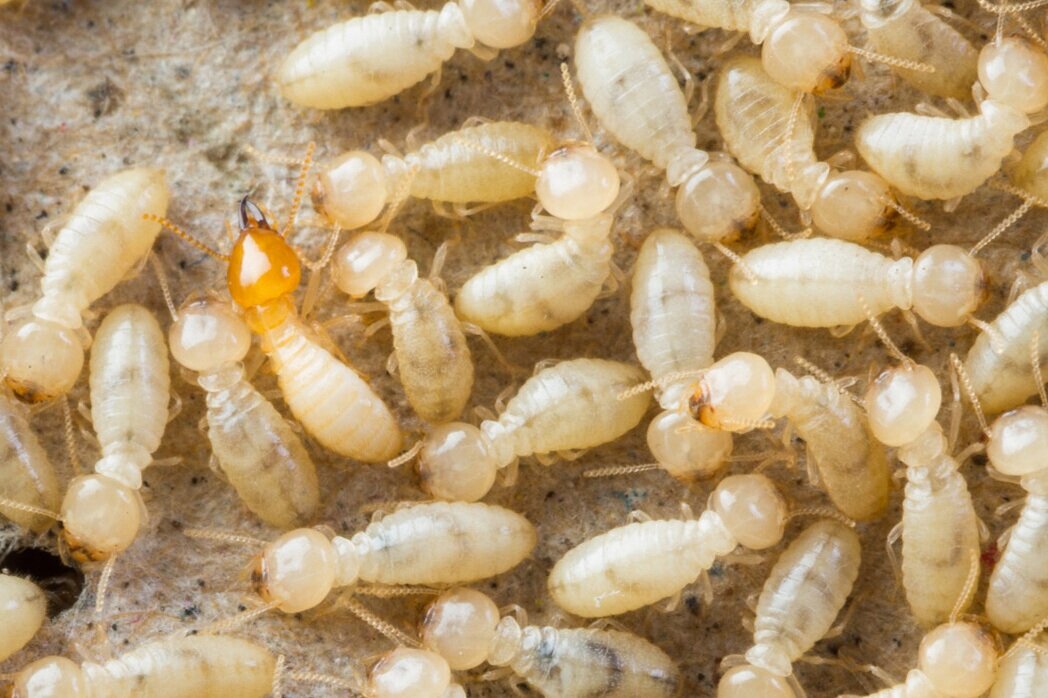
Each type of termite lives and travels differently, so species comes first, then access and how far the colony has spread.

Dampwood termites live in decayed wood that stays wet from a leak, poor drainage, or soil contact. We look for the moisture problem behind them, not just the termites.
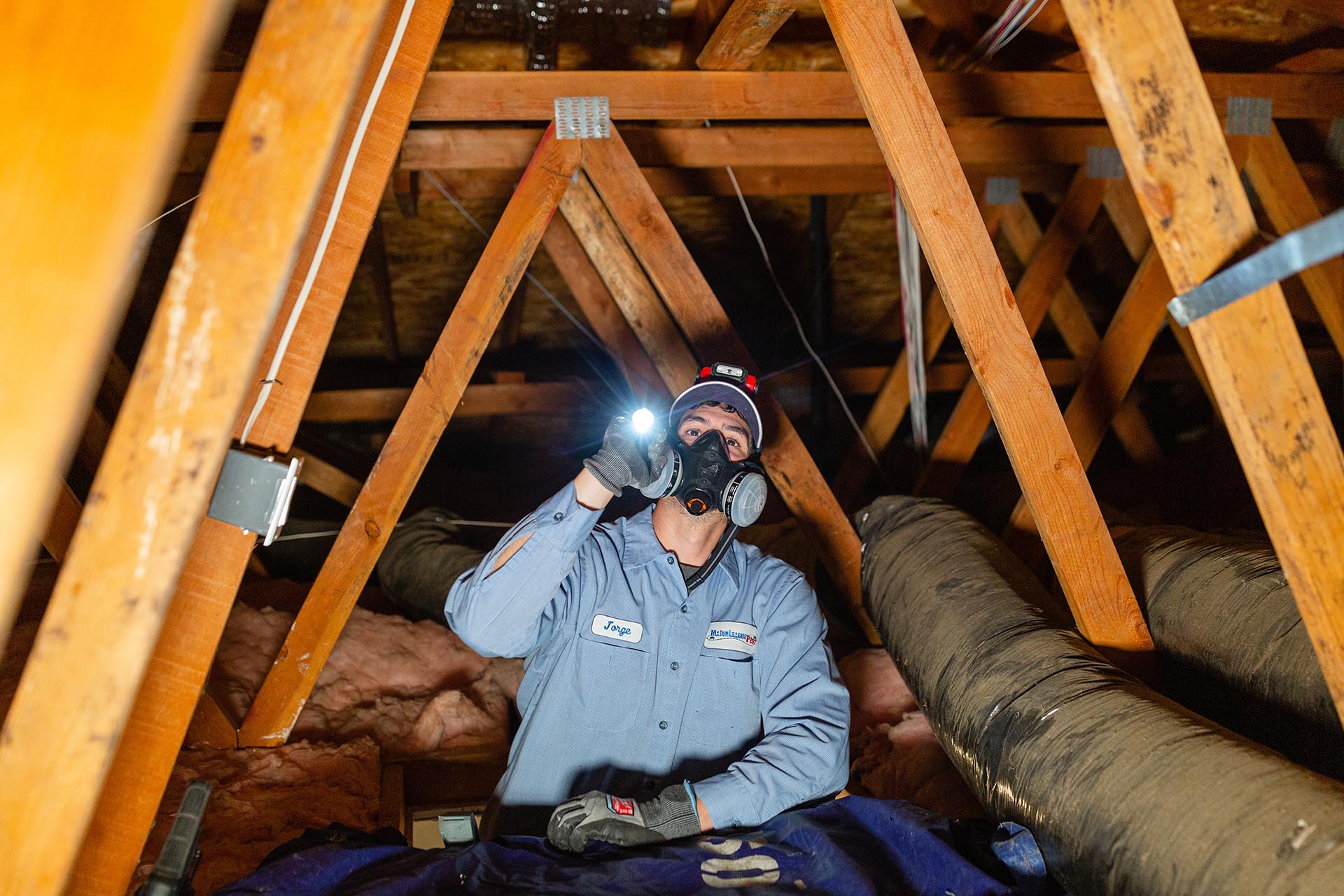
Drywood colonies live entirely inside the wood, often in attics, eaves, and window trim. One reachable colony may need spot work, and colonies spread through the walls may need fumigation.

Subterranean termites travel from the soil into structural wood through hidden paths and mud tubes. A soil barrier, baits, and fixing wood-to-soil contact around the foundation are the usual answers.

Here’s what you get when you call us about termites.
Hollowed framing, damp wood, dry rot, fungus, and hidden entry points. A California termite report covers fungus damage, not just termites, so you see it all before a renovation covers it up.
Yes, especially before roof, window, deck, or patio work. Once old trim or siding comes off, termites and soft wood can stop the job. An early inspection gives your contractor time to price repairs and adjust the scope.
From the inspection, not a guess. The termite type, how far the colony reaches, and access decide between spot work, heat, fumigation, a soil barrier, or baits.
Yes. Once the active termites are handled, our crew replaces damaged trim, fascia, patio framing, and other accessible wood, and tells you whether termites or moisture caused it.
Smaller jobs are planned around your routine and your pets, so rooms aren’t tied up longer than needed. If fumigation is needed, you get written bagging, move-out, re-entry, and clearance instructions.
Yes. Those jobs often start with access approval, notices, and questions about shared areas. The inspection covers the unit, connected wood, and nearby common areas, and the findings are written for owners, managers, boards, and residents. Managing several units? Start with our property manager and HOA program.
Yes. Soft, stained, or crumbling wood can mean termites, fungus, or a leak, and the fix depends on which. Replacing boards without fixing the cause brings the problem back, so you get the source along with the repair plan.
When you see pellets, shed wings, mud tubes, hollow-sounding wood, or blistered paint on trim, eaves, patios, or foundations. Book one before a major remodel too. Our termite FAQ page covers what attracts termites and how fast they do damage.
Call 760-737-6810 or request an inspection online. Tell us about any remodel plans or pellets you’ve found, and we’ll plan the visit around them. Need general pest control? See pest control in San Marcos.