
Poway’s rural edges, lake air, older beams, and ranch-style properties ask for termite judgment. Our termite control company has over 30 years of overall field experience.
Poway termite concerns often stay behind the scenes until a beam, trim piece, or shed wall finally tells the story. Around Lake Poway, Blue Sky Reserve, equestrian lots, patio covers, storage structures, and Pomerado Road homes, wood faces different kinds of pressure. Luckily, Major League Pest has more than 30 years of total field experience, supported by seasoned termite control specialists who handle inspections, fumigation, repairs, and larger project needs.
A Poway termite plan should separate surface wear, moisture damage, drywood activity, and soil-based termite movement before work begins.

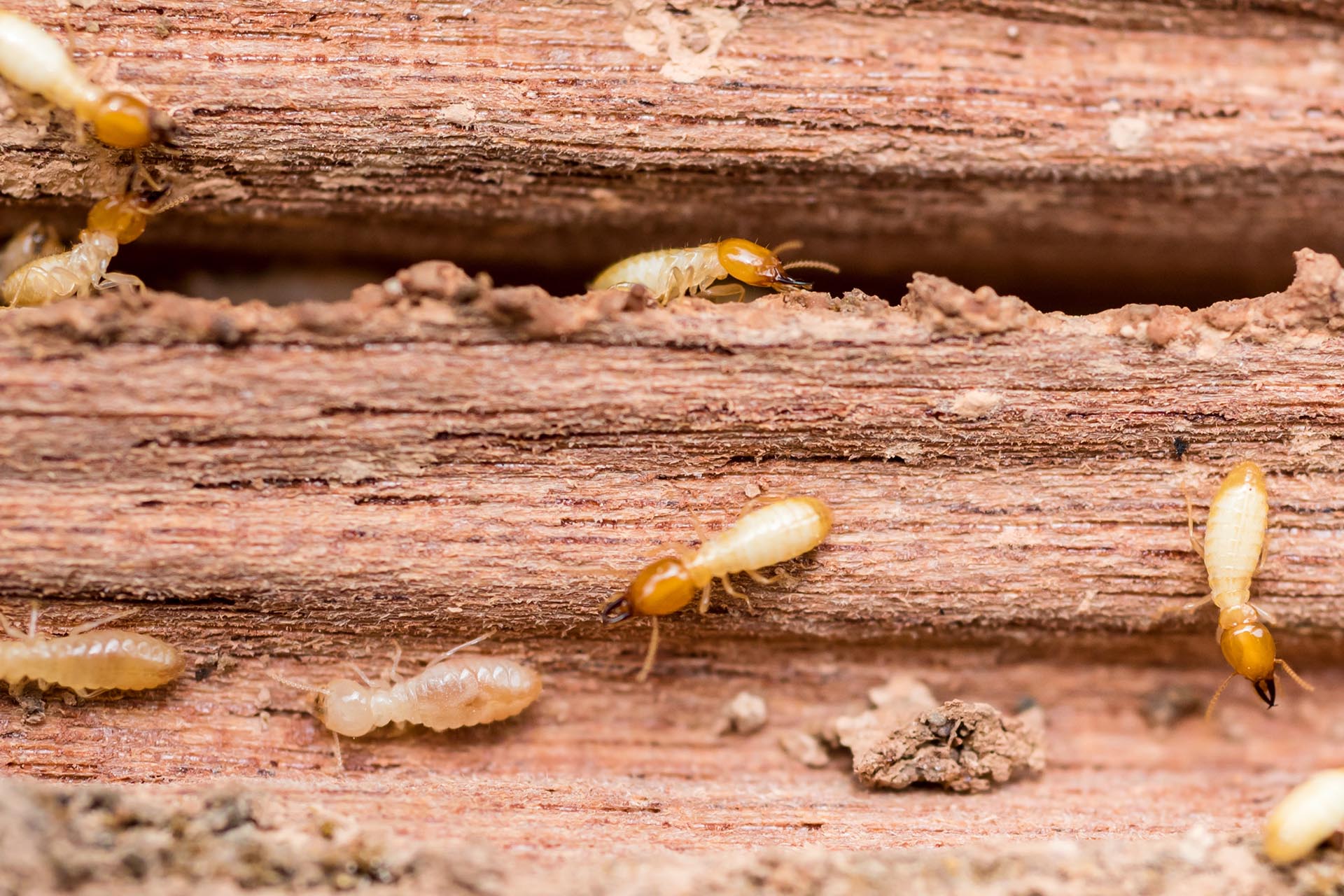
We check attic framing, patio covers, eaves, garage edges, fence posts, shed wood, crawl spaces, pellets, wings, tubes, and moisture marks.

When the activity stays limited, our termite control Poway, CA, technicians work the affected section directly instead of forcing a full-structure answer that the wood does not support.

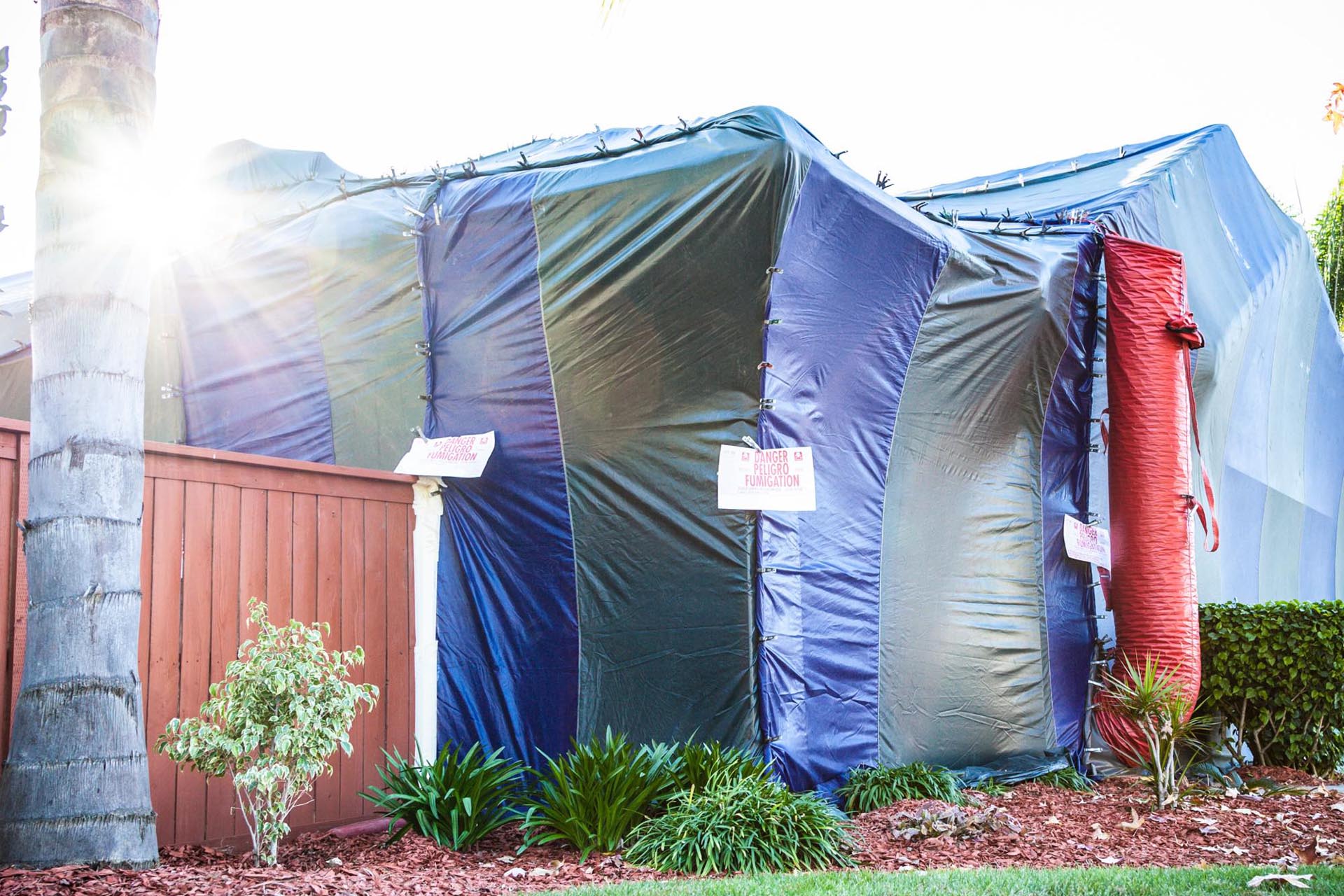
Drywood termites may run farther than the first pellets suggest. If fumigation fits, we explain prep, timing, access, and clearance steps.

Subterranean termites need soil routes. Our Poway, CA, termite control team checks slab edges, damp lines, tubes, and wood contact.

Baiting depends on termite movement, soil placement, and follow-through. We use it when the site conditions make sense.

When damaged boards need attention, the repair background of our termite control Poway team helps with replacement, dry rot concerns, and practical preservation after treatment.


Enrique, Alex and Daniel did an excellent job repairing the fascia and shade structure that were damaged by termites and dry rot.


So far, it's been a 5 star experience. Dan is extremely knowledgeable and friendly. I really feel like they focus on your needs and don't try to up sale on unnecessary service. I would highly recommend Major League Pest to anyone in the area.


I’ve had a fantastic experience with Major League Pest Control for years! My technician, Tony, is absolutely the best—professional, knowledgeable, and always goes above and beyond.


Working with Paul was a complete breath of fresh air. I completely trust him as he went above and beyond to show me exactly what was going on and not try to oversell me on any treatment.
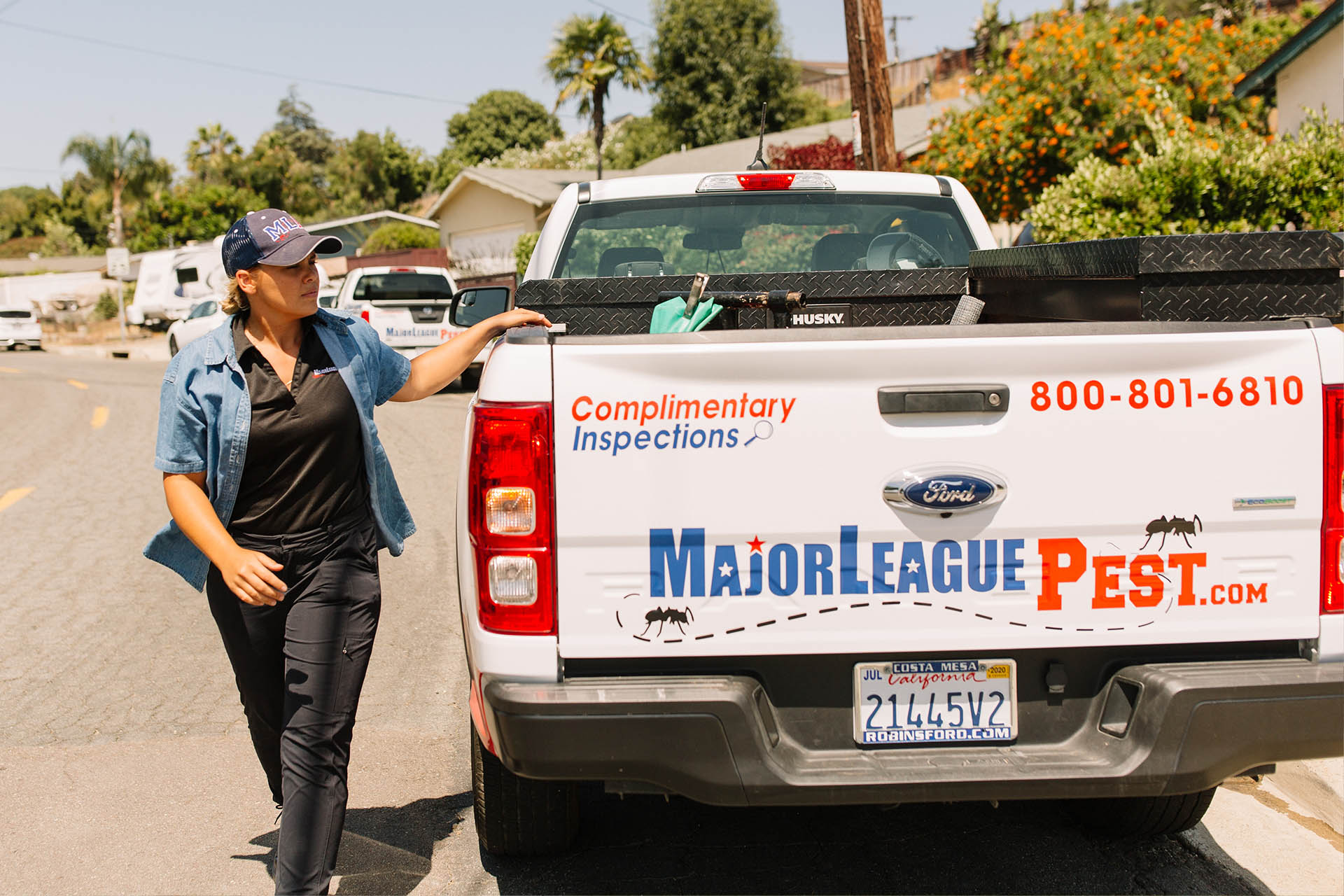
A Poway inspection should pause at the pieces that take the weather hardest: fascia, exposed rafters, deck framing, fence lines, patio covers, garage trim, shed corners, and wood near irrigation. Homes near Old Poway Park, Twin Peaks Road, and the lake area can show termite signs in very different places.
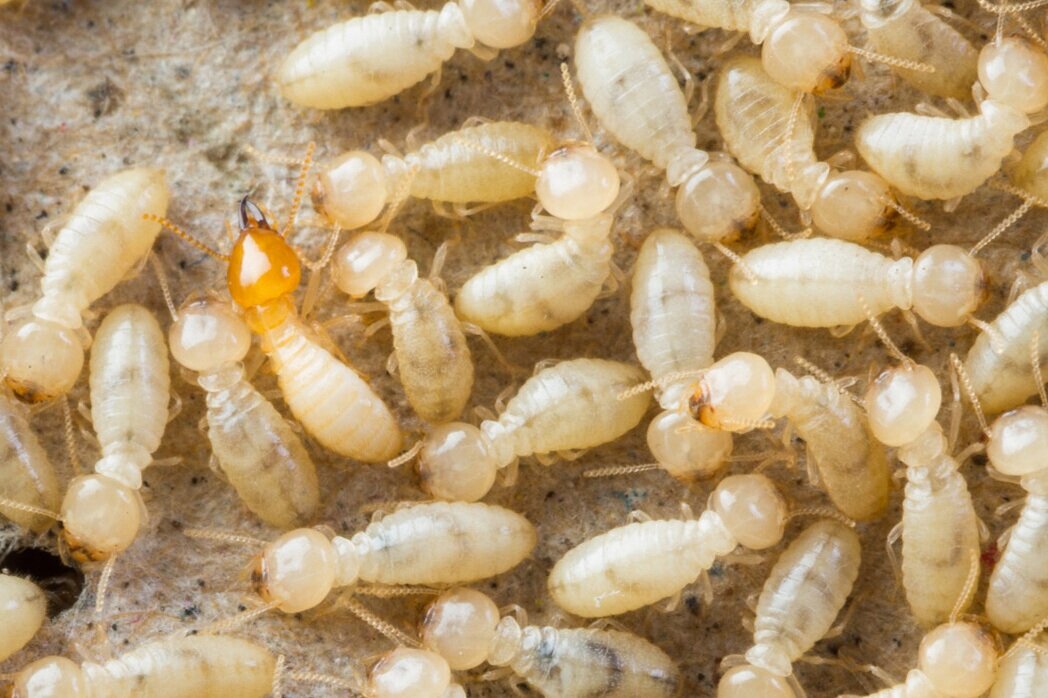
Drywood termites may stay inside sound lumber for years. Subterranean termites often need soil access. Dampwood activity usually points toward water trouble. Our pest control Poway, CA, workers sort those differences before talking about treatment, because the wrong label can lead to the wrong plan.
The best treatment starts with identification. We compare the termite type, wood condition, moisture, access, and spread first.

Dampwood termites usually tell us that moisture has been left alone too long. We check leaks, irrigation spray, shaded beams, decay, and wood touching damp ground.
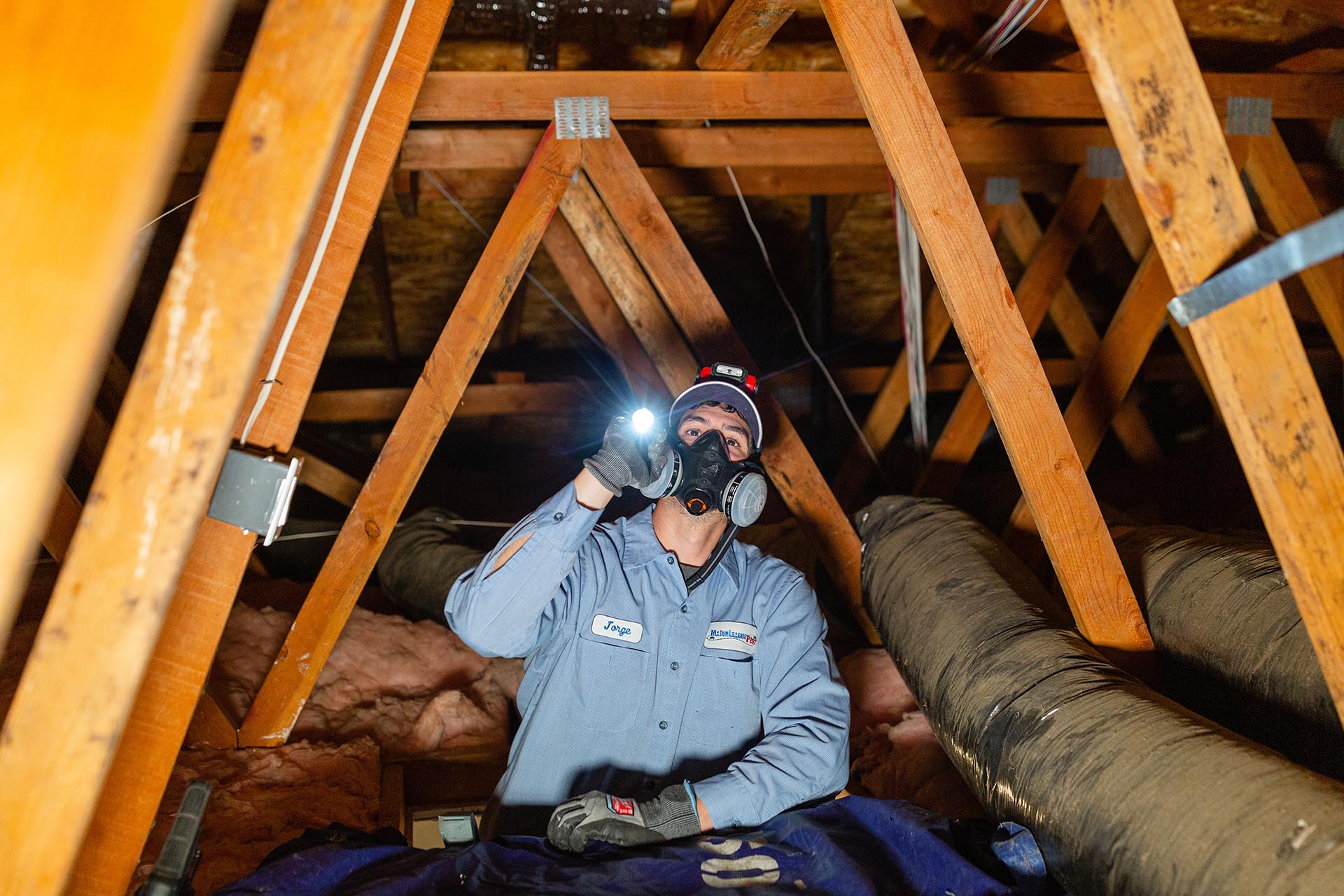
Drywood termites can sit inside attic lumber, trim, fences, or patio covers without needing soil. When colonies spread widely, fumigation may be the honest answer.
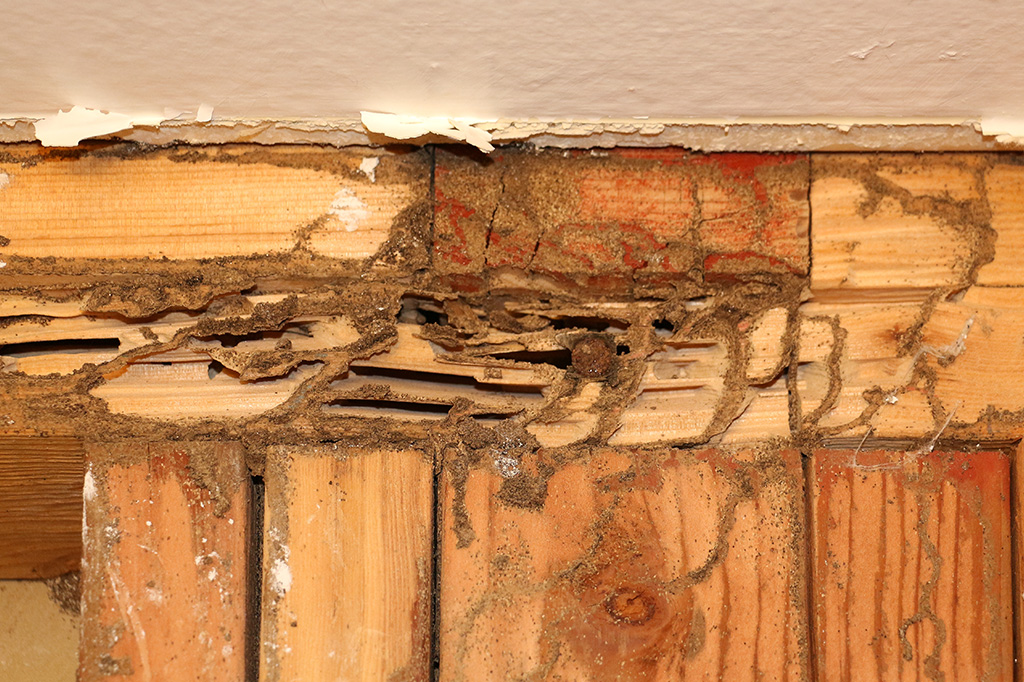
Subterranean termites work upward from the soil and hidden routes. Our termite control in Poway, CA, inspects slab seams, crawl points, foundation edges, tubes, dampness, and wood-to-ground contact.
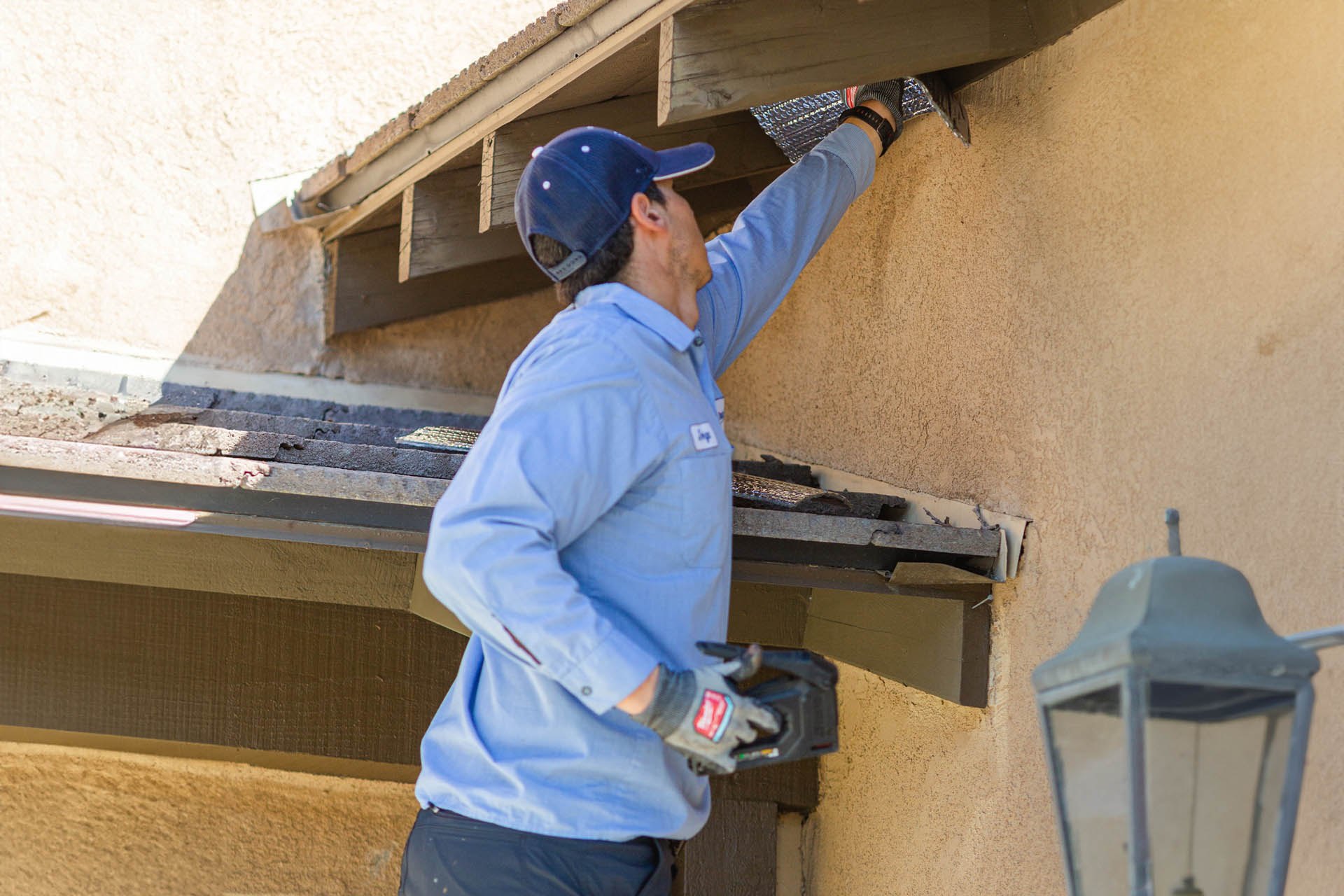
Yes. UC IPM notes western drywood termites are common in Southern California. They can live inside dry, sound wood without touching soil. Around Poway, attic framing, fascia, patio covers, fences, and trim can hide activity until pellets or wings appear.
Yes. Before escrow, refinancing, or listing photos become the focus, we can look for termite evidence, damaged wood, and repair needs. That review gives owners a clearer picture of whether treatment, fumigation, repairs, or a closer follow-up should be handled before timelines tighten.
No. A small patch of activity, one beam, or a patio cover section does not automatically call for tenting. Our termite extermination services start by checking species, spread, access, and wood condition, then we explain whether local treatment or fumigation makes sense.
Subterranean termites usually travel from the soil and may build mud tubes to protect themselves. Drywood termites live inside above-ground wood and often leave pellet piles. The difference matters because treatment, inspection points, and prevention steps are not the same.
Yes. Major League Pest has termite and dry rot repair experience for homes that need more than treatment alone. Our termite control Poway, CA, team here at Major League Pest can review the affected pieces, explain practical repair needs, and help protect the structure after termite activity is controlled.
Check eaves, attic wood, patio covers, garage trim, baseboards, fences, shed corners, window frames, and wood near irrigation. Pellets, wings, mud tubes, soft spots, bubbling paint, or fresh damage all deserve a closer inspection before assumptions are made.
Major League Pest can examine the wood, explain what may be happening, and help decide the smartest move from there.