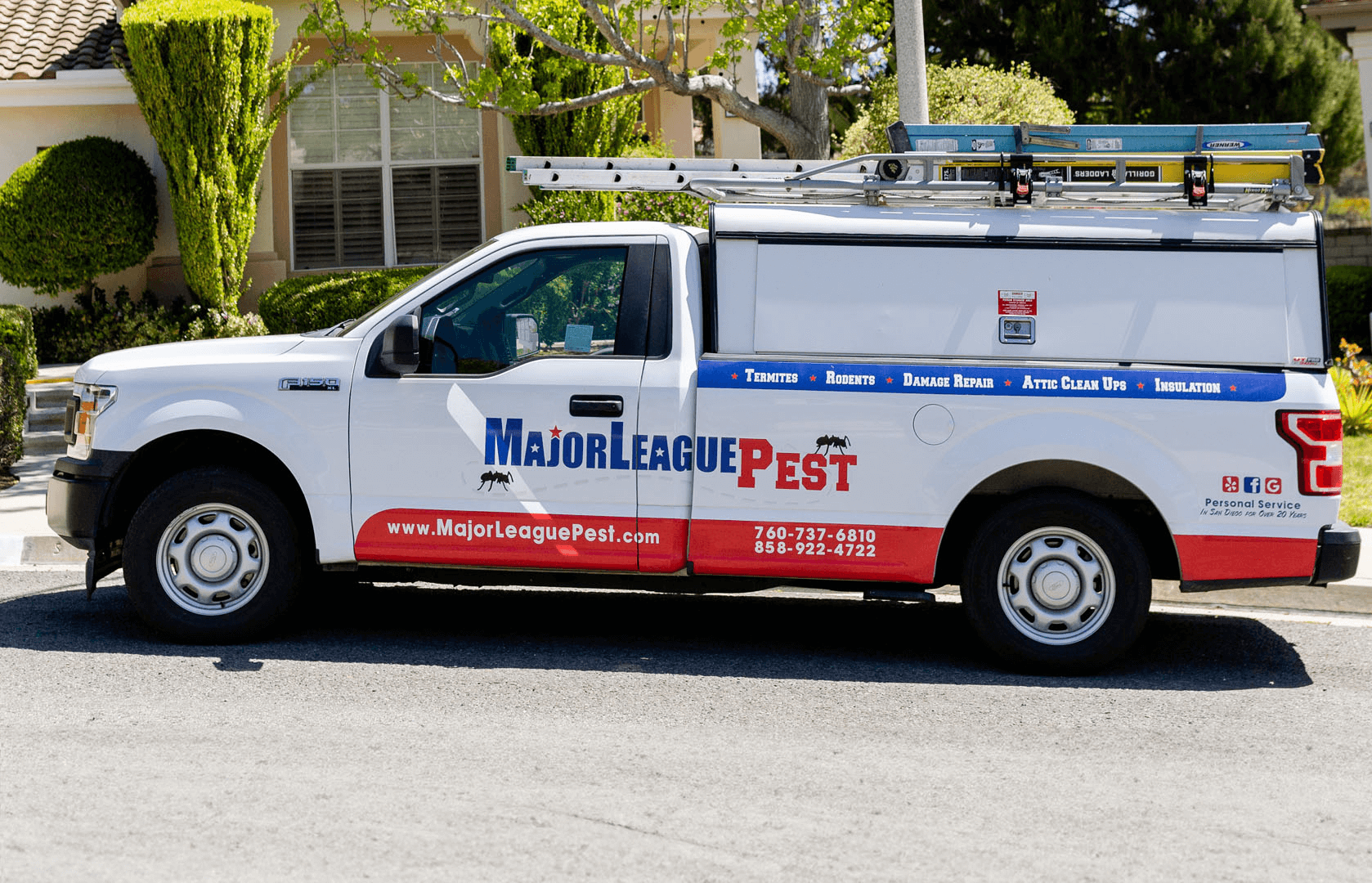
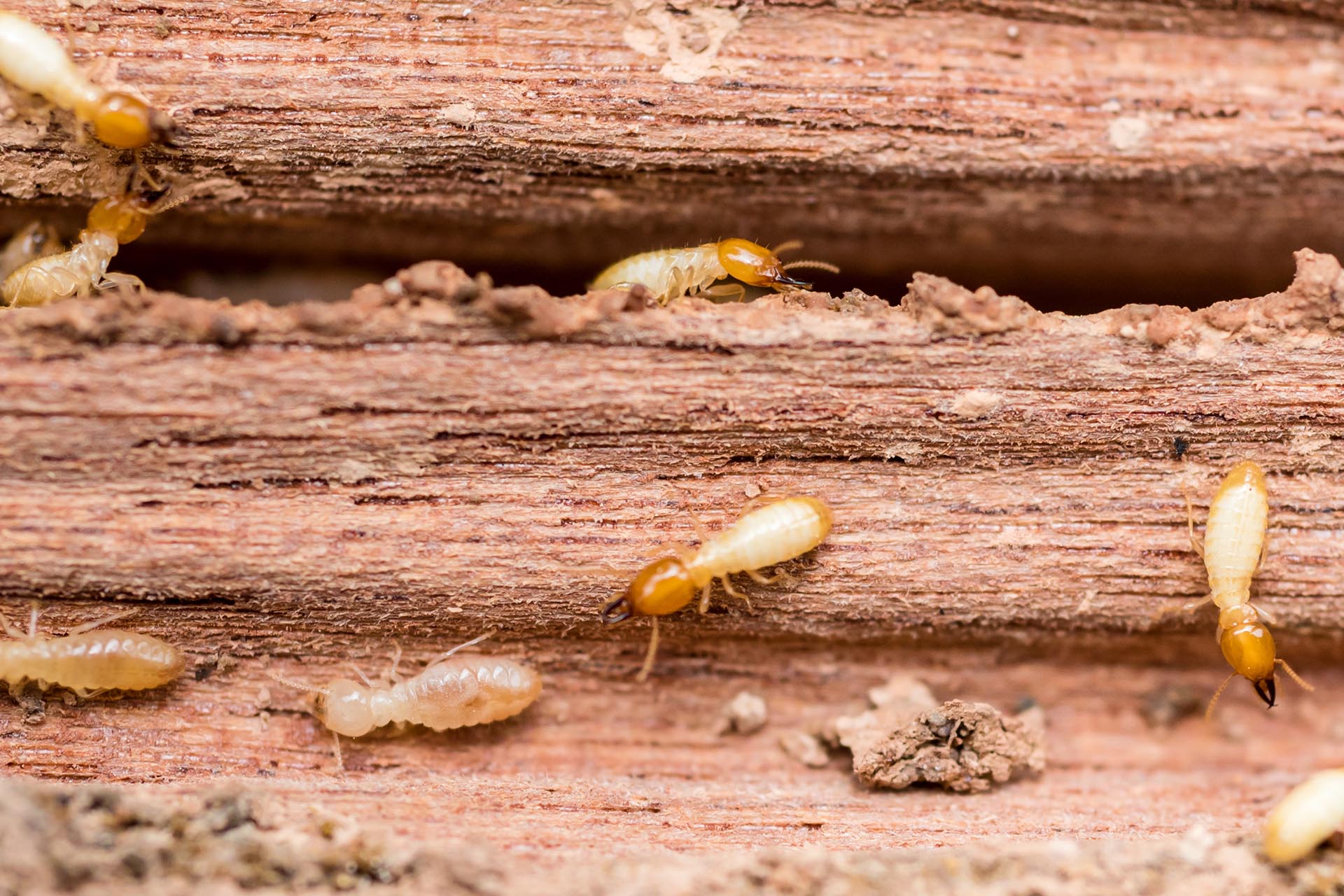
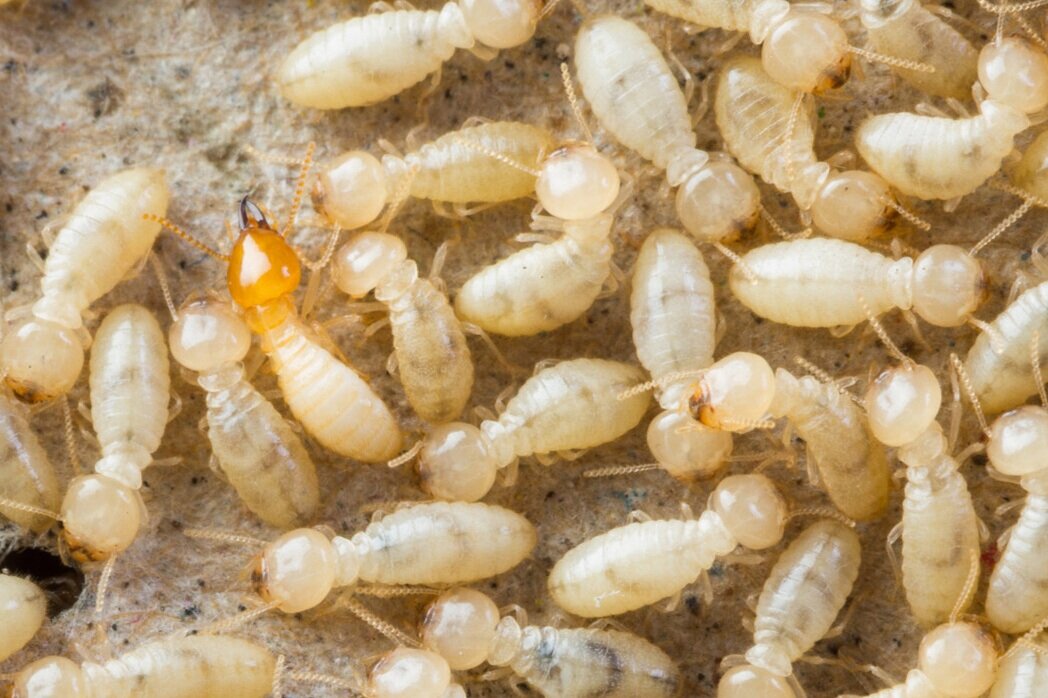
Termites have kept us busy in Mira Mesa since 1992. Our termite control in Mira Mesa, CA includes careful inspections, fumigation when needed, and repairs that put damaged homes right.
Termite damage rarely stops where the surface looks rough. For 30+ years now, our family has checked framing, traced colonies, and helped Mira Mesa homeowners understand what comes next. Inspections come first.
If repairs are needed, our licensed associates coordinate structural work, keeping fewer people between the problem and the final fix.
Our Mira Mesa termite control services begin with evidence. Inspection findings decide whether fumigation, baiting, or repairs make sense here.

A good inspection goes beyond visible damage. Accessible wood, framing, damp spots, discarded wings, and termite tubes reveal the story.

When drywood termites occupy one spot, a localized application can reach that area without involving rooms that show no activity.

Fumigation becomes relevant when drywood colonies are spread through hidden framing and isolated applications cannot reliably reach every occupied pocket.

Subterranean termites arrive through soil. A perimeter barrier interrupts familiar routes near foundations and other structural openings that remain vulnerable.

Bait stations work slowly by design. Checks track termite feeding where soil conditions or tight access make other methods unsuitable.

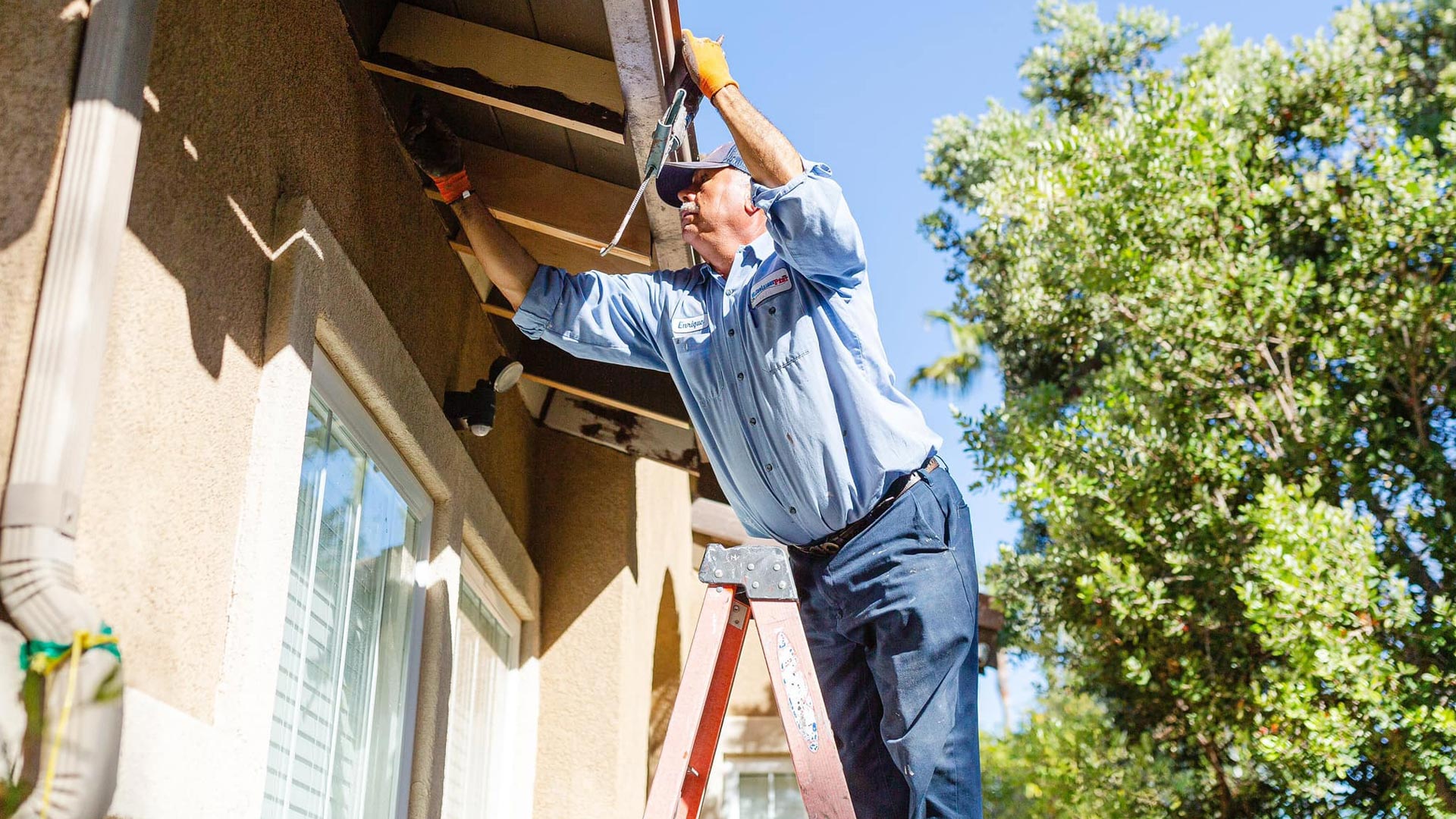
After termite work, damaged wood still needs attention. Framing and rot repairs restore strength where termites or moisture caused damage.


Enrique, Alex and Daniel did an excellent job repairing the fascia and shade structure that were damaged by termites and dry rot.


So far, it's been a 5 star experience. Dan is extremely knowledgeable and friendly. I really feel like they focus on your needs and don't try to up sale on unnecessary service. I would highly recommend Major League Pest to anyone in the area.


I’ve had a fantastic experience with Major League Pest Control for years! My technician, Tony, is absolutely the best—professional, knowledgeable, and always goes above and beyond.


Working with Paul was a complete breath of fresh air. I completely trust him as he went above and beyond to show me exactly what was going on and not try to oversell me on any treatment.
Termites do not care where one unit ends and another begins. Shared walls, attics, garages, and framing can blur those lines quickly. Our termite extermination services begin by sorting out access, approvals, and the areas everyone shares. We speak with owners, property managers, or associations before calendars fill up and confusion starts.
If the inspection uncovers damaged wood, we explain which repairs belong to the unit and which may involve common property, giving everyone a way to move forward together without more confusion or delay.
Termites do not all behave the same. Our termite control specialists look at the species, location, moisture, and spread before deciding which method actually fits the building and the problem.

Dampwood termites prefer lumber that stays wet. We trace the moisture first, inspect softened areas, handle colonies we can reach, and spell out which damaged boards need repair or replacement.
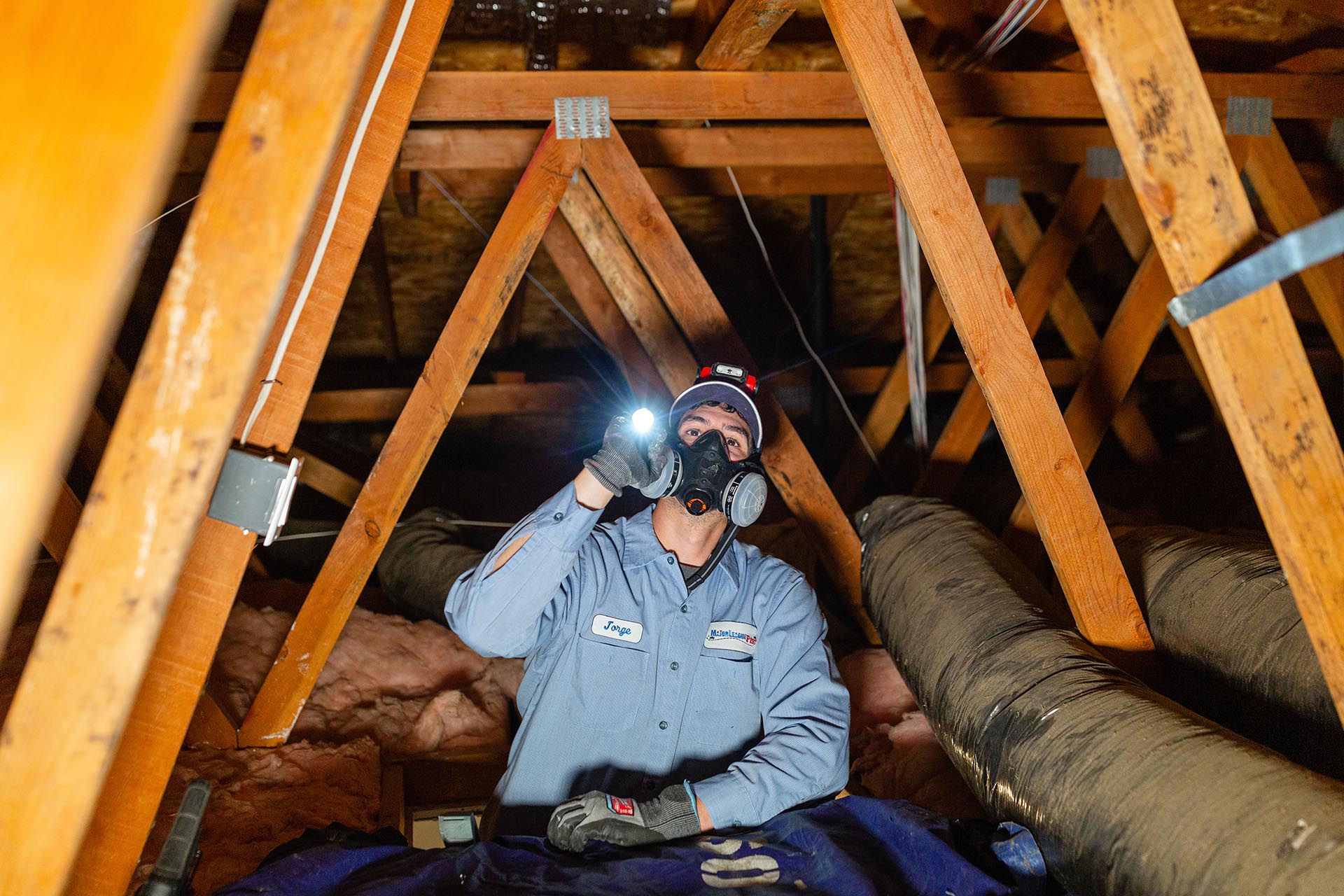
Drywood termites can stay hidden inside sound-looking lumber, far from soil. If colonies are scattered beyond local reach, fumigation may make more sense than chasing one pocket at a time.
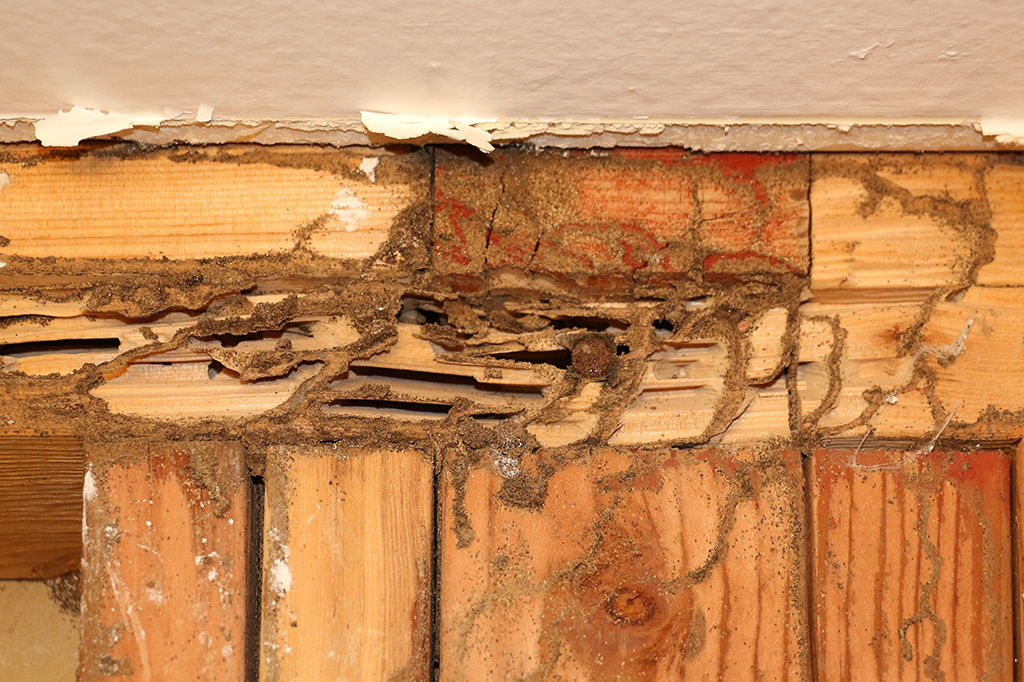
Subterranean termites come up from soil, often through cracks nobody notices. Depending on the evidence, the plan may use barriers, bait stations, focused applications, or return visits to track changes.
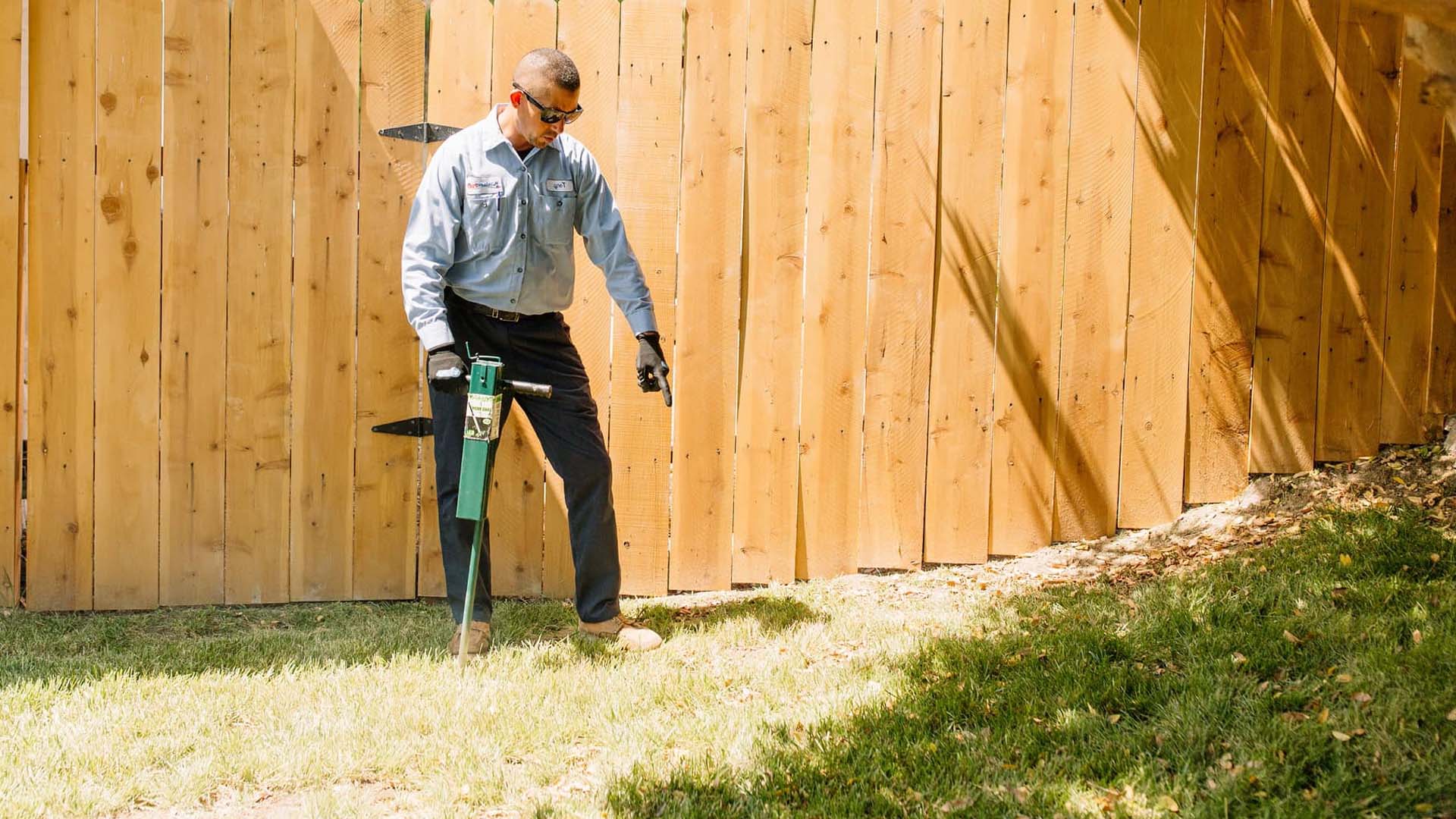
Wings piled on a windowsill deserve attention, especially after a swarm. Other clues include pellets, mud tubes, bubbling paint, and wood that sounds hollow when tapped. None proves the cause alone. An inspection confirms what is present before termite removal is discussed, helping owners avoid paying for the wrong work.
Yes. The complimentary inspection covers accessible areas and visible signs of drywood, dampwood, or subterranean termites. Expect a plain explanation afterward, not a sales script. You will hear what appeared, where access was limited, and whether another look is necessary before anyone discusses fumigation, localized applications, baiting, or repair options.
The method follows the evidence, not a preset package. For Mira Mesa, CA termite control, the species matters, along with colony location, spread, access, and any damaged framing. We explain why one option fits better than another, what preparation it requires, and where repair work may enter the overall picture.
Not necessarily. A small, reachable drywood colony may be handled with a localized application. Fumigation enters the conversation when evidence suggests colonies are scattered, buried deep in framing, or impossible to reach one by one. The decision should follow the inspection, not a blanket rule applied to every single house.
Yes, but shared buildings need a little choreography. Owners, managers, and associations may all have a say in access, calendars, common walls, and preparation. We map which areas belong to whom, explain what the inspection found, and keep every decision visible so nobody is surprised halfway through the work itself.
Yes. Once damaged wood is exposed and the scope is approved, repairs can move forward. Using one termite control company for inspection and structural work keeps the evidence connected to the repair plan. You hear what failed, what needs replacement, and where termite or moisture damage ends before work begins.
Price starts with what the inspection uncovers. One reachable drywood pocket is a different job from colonies spread through an entire house. Access, termite species, square footage, fumigation needs, and wood repairs can all move the number. Homeowners should see the proposed work and price before signing off on anything.
Yes, but preparation matters. Tell us about children, dogs, cats, birds, fish tanks, and the rooms your family uses most. A termite expert should explain where products will go, what must be moved, and when people or animals may return. Follow the directions for your specific job, not general advice.