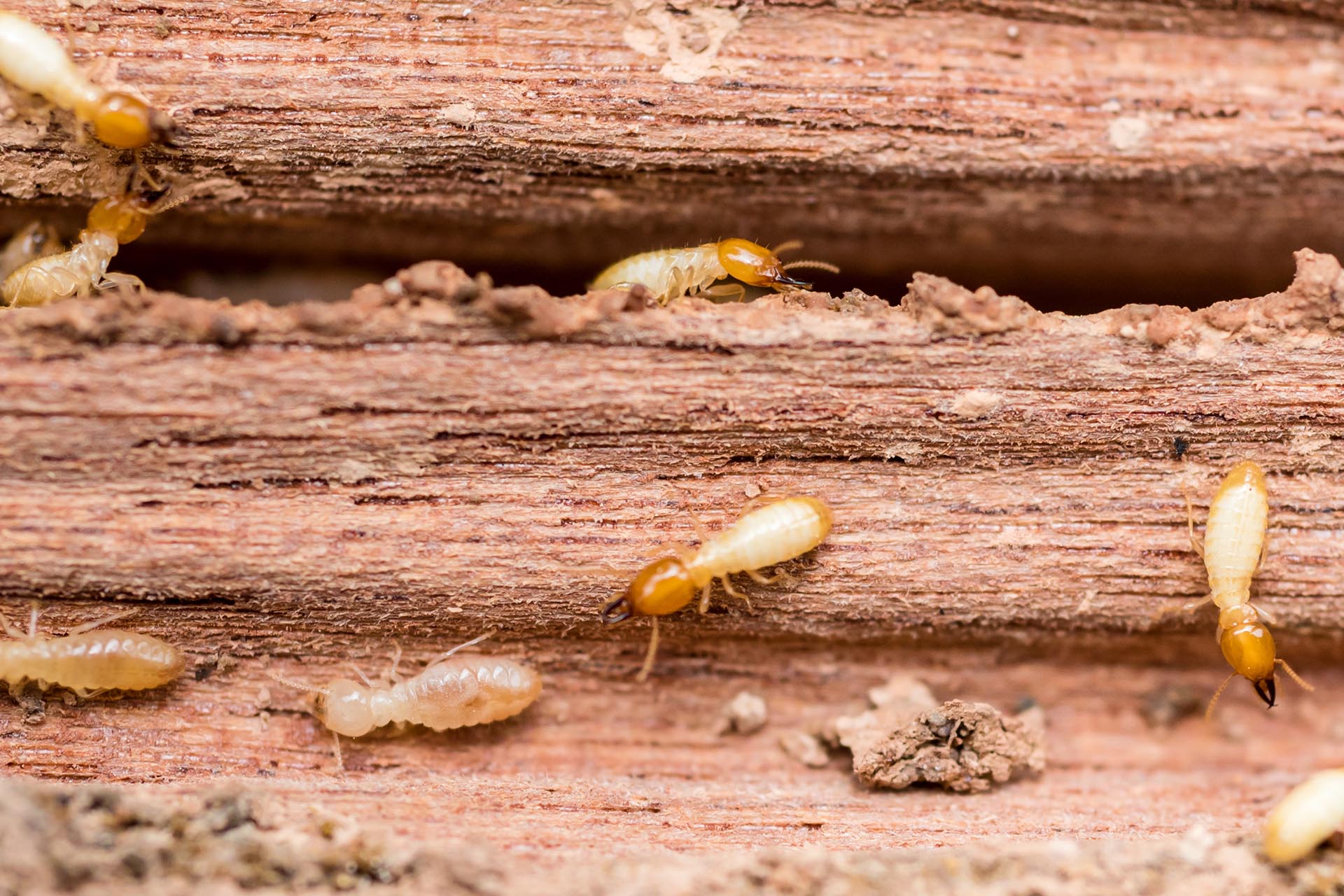
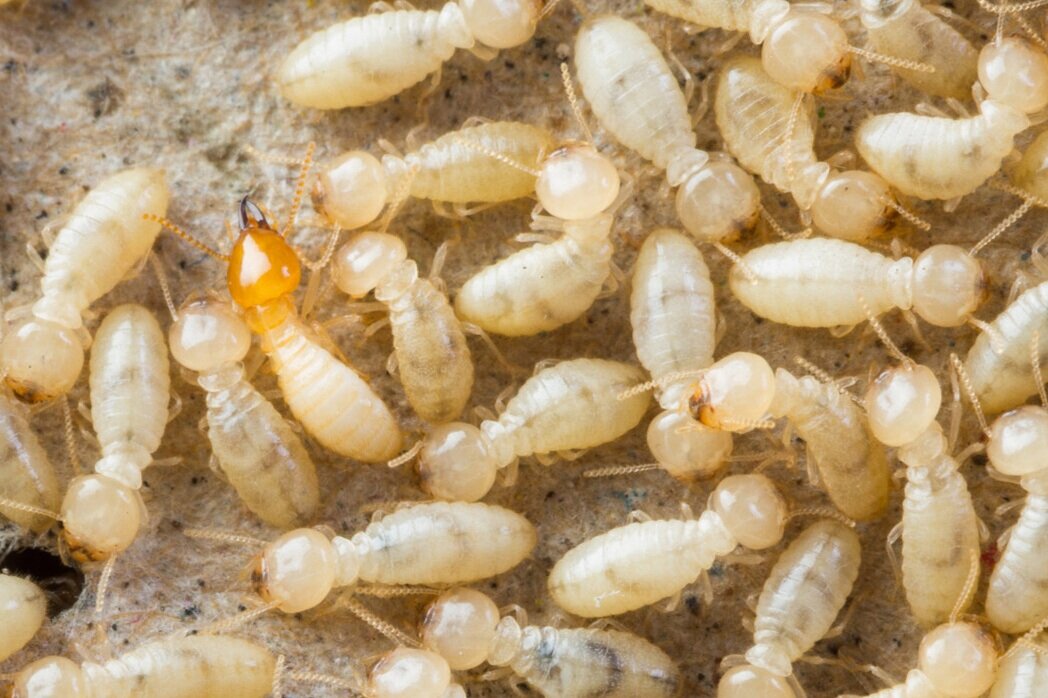
Lemon Grove termite work often starts outside the main room. A fence rail, garage trim, porch cover, or fascia board may show the first clue before homeowners notice interior damage.
Major League Pest has over 30 years of overall experience, with deep termite, fumigation, inspection, repair, and project knowledge behind the recommendation.

We check eaves, garage trim, crawl spots, fence boards, patio covers, attic wood, slab edges, pellets, wings, tubes, and soft areas.

When termite activity is limited, local treatment can address the affected area without making the whole property the project.

When drywood termites spread through hidden galleries, fumigation may fit. We explain preparation, timing, access, and clearance plainly.

Subterranean termites move from below. Our Lemon Grove termite control pros check slab edges, planter contact, damp soil, foundation cracks, and shelter tubes.

Termite treatment does not rebuild weakened wood. Our repair background helps with damaged boards, dry rot concerns, and preservation choices.

Baiting can help when subterranean activity, soil conditions, and structure access point toward a monitored colony approach.


Enrique, Alex and Daniel did an excellent job repairing the fascia and shade structure that were damaged by termites and dry rot.


So far, it's been a 5 star experience. Dan is extremely knowledgeable and friendly. I really feel like they focus on your needs and don't try to up sale on unnecessary service. I would highly recommend Major League Pest to anyone in the area.


I’ve had a fantastic experience with Major League Pest Control for years! My technician, Tony, is absolutely the best—professional, knowledgeable, and always goes above and beyond.


Working with Paul was a complete breath of fresh air. I completely trust him as he went above and beyond to show me exactly what was going on and not try to oversell me on any treatment.
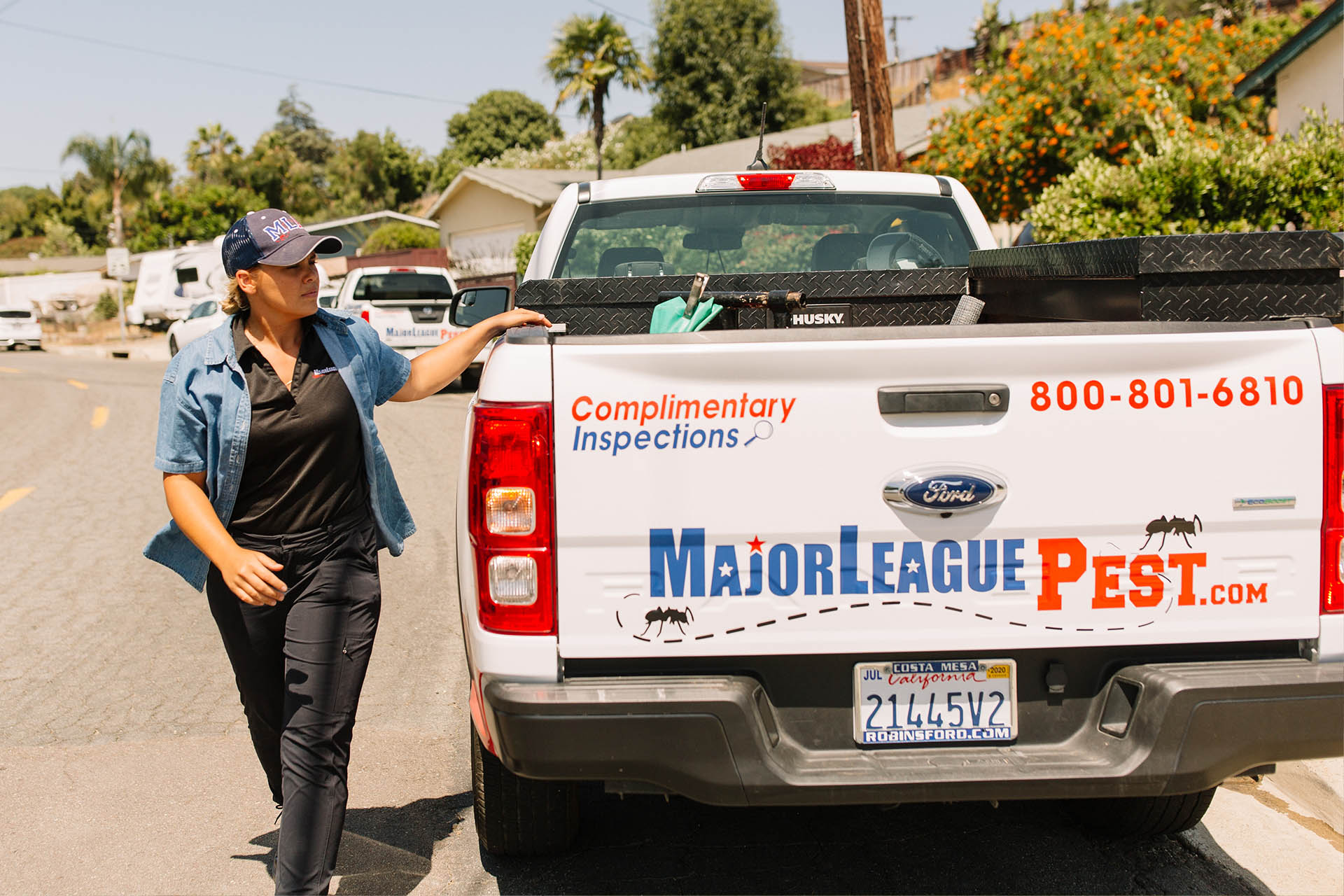
A Lemon Grove, CA, pest control inspection should not rush past exterior wood. Patio covers, garage trim, old fence sections, crawl points, window frames, and eaves can all hold clues. Around compact lots, termite signs may appear where irrigation, soil contact, or shade sits close to the structure.
Drywood termites can live inside above-ground lumber. Subterranean termites usually point us toward soil routes. Dampwood concerns often involve wet or decaying wood. Major League Pest separates those clues before recommending local treatment, fumigation, baiting, barrier work, or repair.
Different termites use wood differently, so the pest extermination services should follow the evidence found during inspection.

Dampwood activity usually makes us look for moisture first. Leaks, shaded boards, decay, irrigation splash, and soil contact can all explain why the wood became attractive.
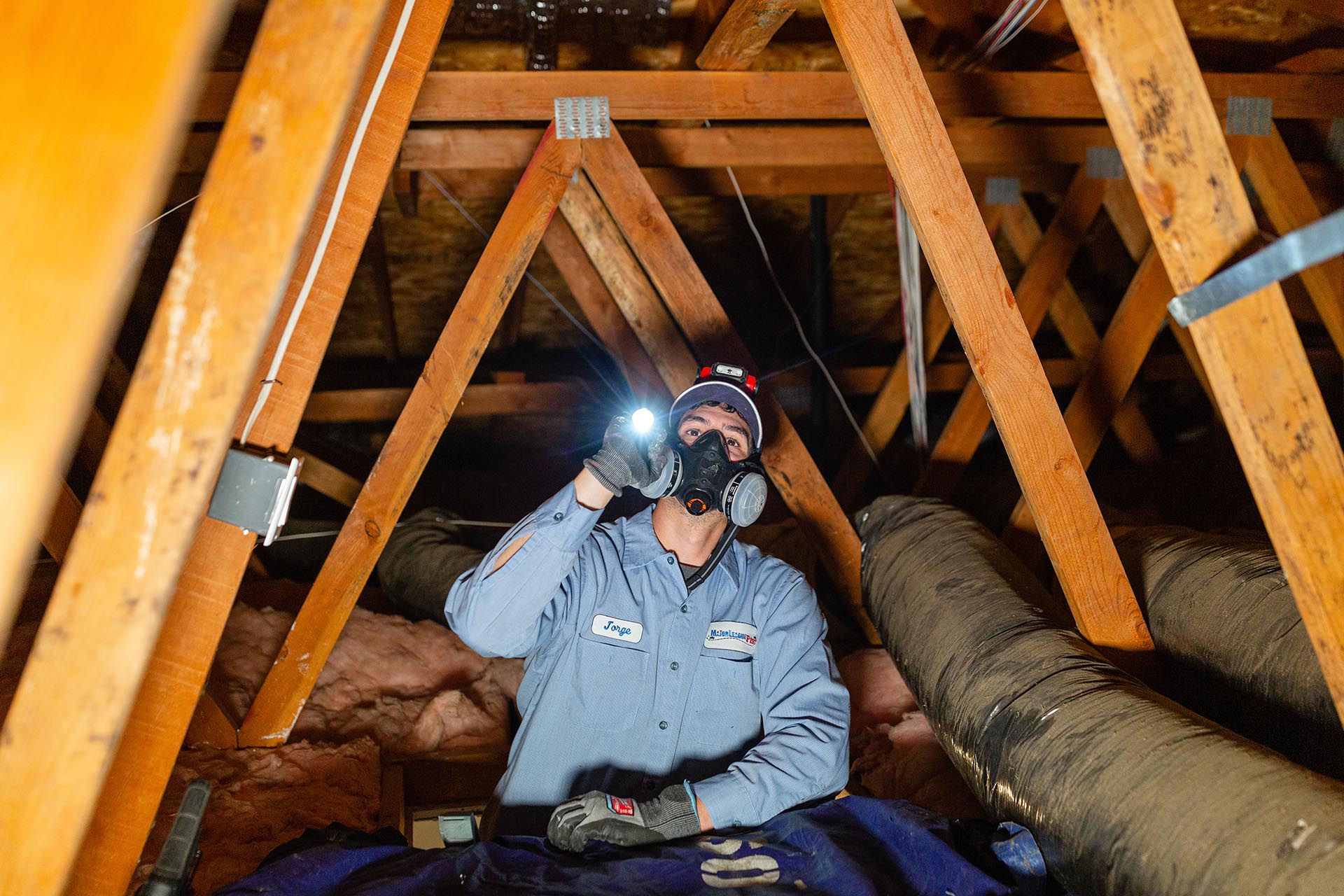
Drywood termites can stay inside sound lumber above ground. Pellets, wings, or widespread evidence may point toward fumigation when spot work is not enough.
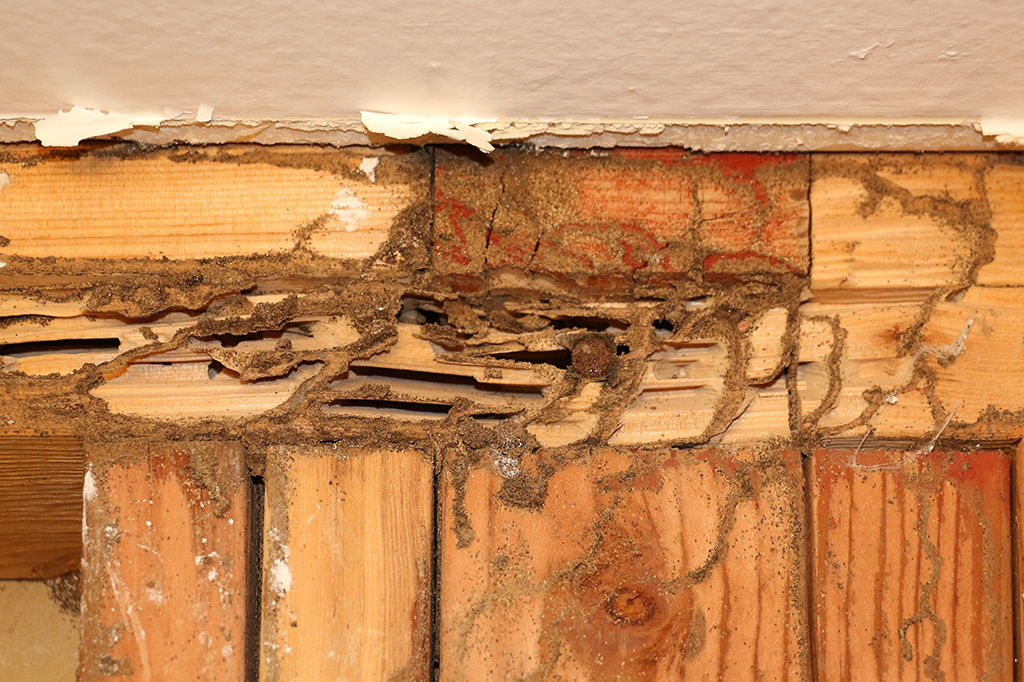
Subterranean termites usually need soil access. We look for mud tubes, slab cracks, damp edges, planter contact, and hidden routes into structural wood.
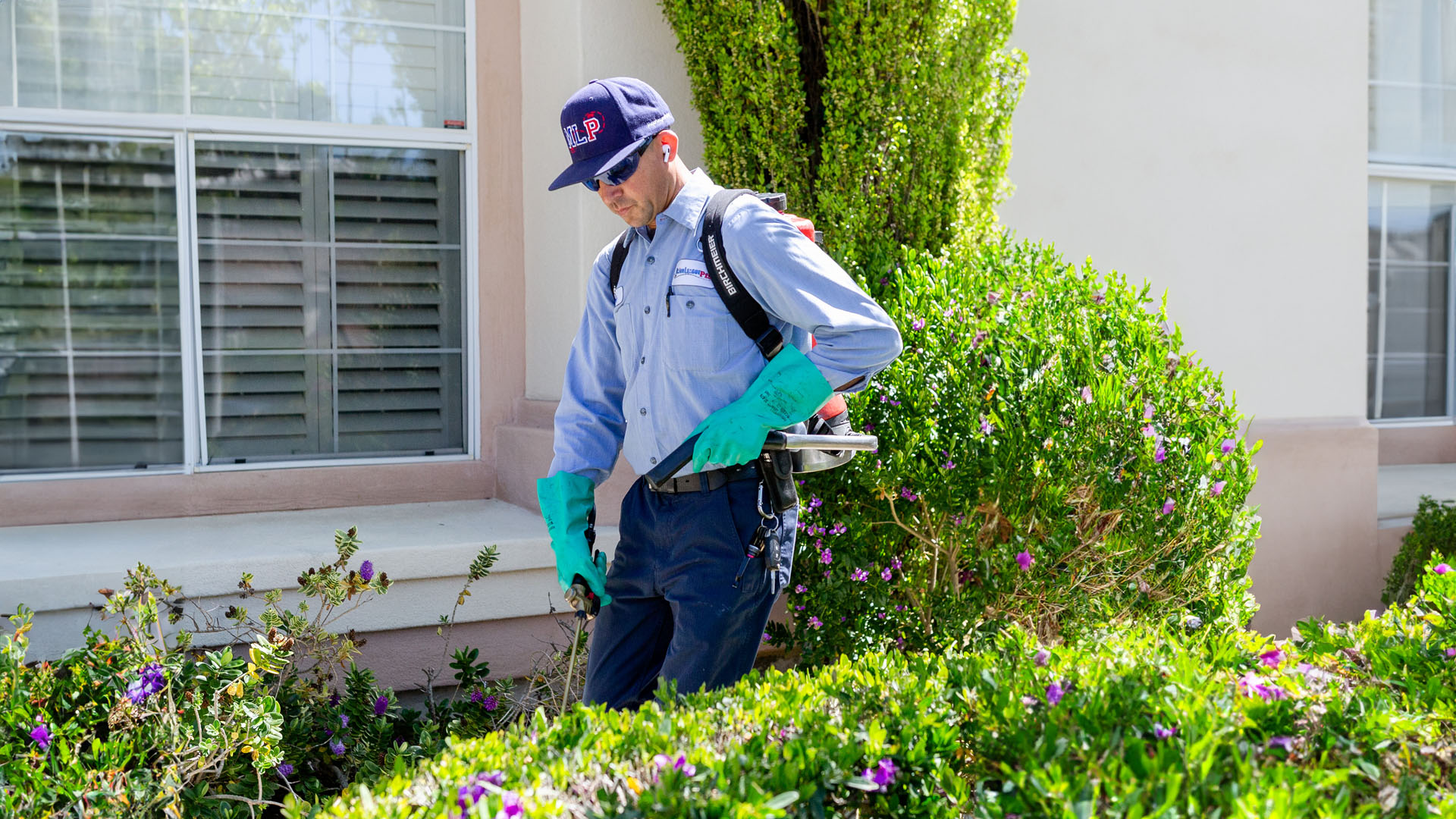
Lemon Grove homes can have fences, patio covers, garages, eaves, and narrow side yards close to the structure. Termite clues may start in those outside pieces before a homeowner notices interior damage. Our termite control exterminator checks the exterior wood carefully before assuming the problem is isolated.
Yes. Drywood termites are common in Southern California and do not need soil contact to live inside wood. Around Lemon Grove, fascia, trim, fences, patio covers, attic framing, and stored lumber can all deserve attention when pellets, wings, or wood damage appear.
Subterranean termites usually come from the soil and may build mud tubes to stay protected while reaching wood. Drywood termites live above ground inside the wood itself. The difference matters because barrier work, baiting, local treatment, and fumigation are not chosen the same way.
No. Fumigation may be the right answer when drywood termite activity is widespread or hidden in many areas. Smaller, reachable activity may call for local treatment instead. Major League Pest checks the species, spread, and access before recommending a larger step.
Yes. Major League Pest has termite and dry rot repair experience, which helps when damaged wood needs more than treatment. Our local exterminators can review affected boards, explain practical repair needs, and help protect the structure after termite activity is handled.
Look for tiny pellets, discarded wings, mud tubes, soft trim, hollow-sounding wood, bubbling paint, or damage around fences, patio covers, garages, and eaves. One clue does not explain the whole problem, but it is enough reason to schedule a professional inspection.
Moisture can point toward dampwood concerns, wood decay, and conditions that help subterranean termites reach a structure. Our Lemon Grove, CA, termite control technicians look at irrigation, leaks, shaded wood, planter contact, and damp soil because those details can change the treatment and repair conversation.
Yes. Major League Pest offers termite inspections for homeowners, including available complimentary inspection offers at times. The inspection helps determine whether visible damage, pellets, wings, mud tubes, or moisture clues point toward termites, old damage, or another wood concern.
Major League Pest can inspect the damage, explain the termite type, and recommend the next practical step.