Since 1992, our family has found termite trouble the old-fashioned way: checking wood, listening to owners, and giving straight next steps for termite control in Escondido, CA when damage appears.
For Escondido termite control, the crew finds active wood, names the termite type, then recommends repair, spot work, or fumigation.

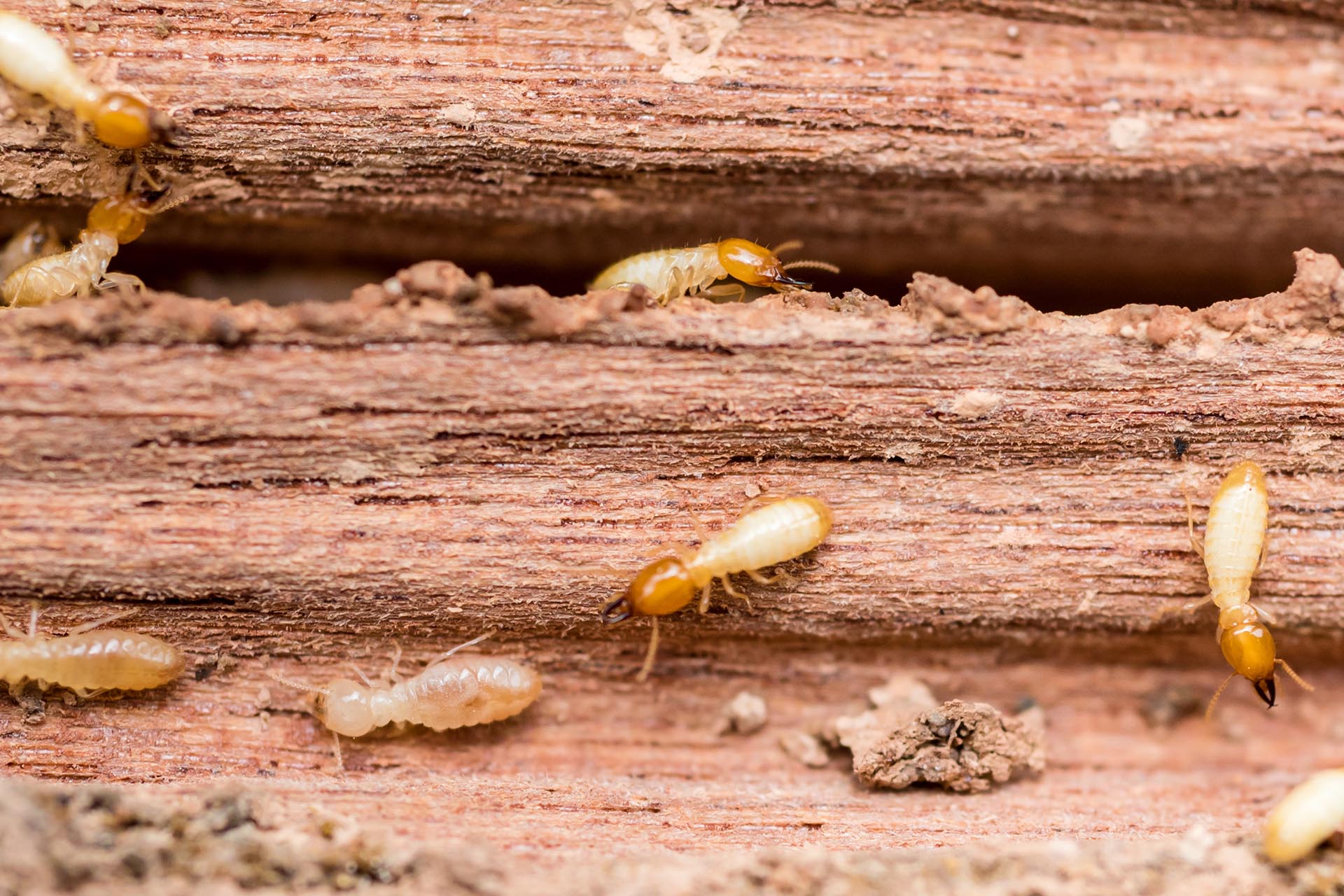
Inspectors check eaves, framing, crawlspace beams, trim, and sill plates for pellets, wings, soft wood, bubbling paint, and moisture marks.

When activity stays in one section, heat, borates, or direct wood work may solve it without fumigating the whole house.

Fumigation fits drywood termite activity hidden through sealed walls, framing, or several rooms where smaller methods cannot reach cleanly enough.

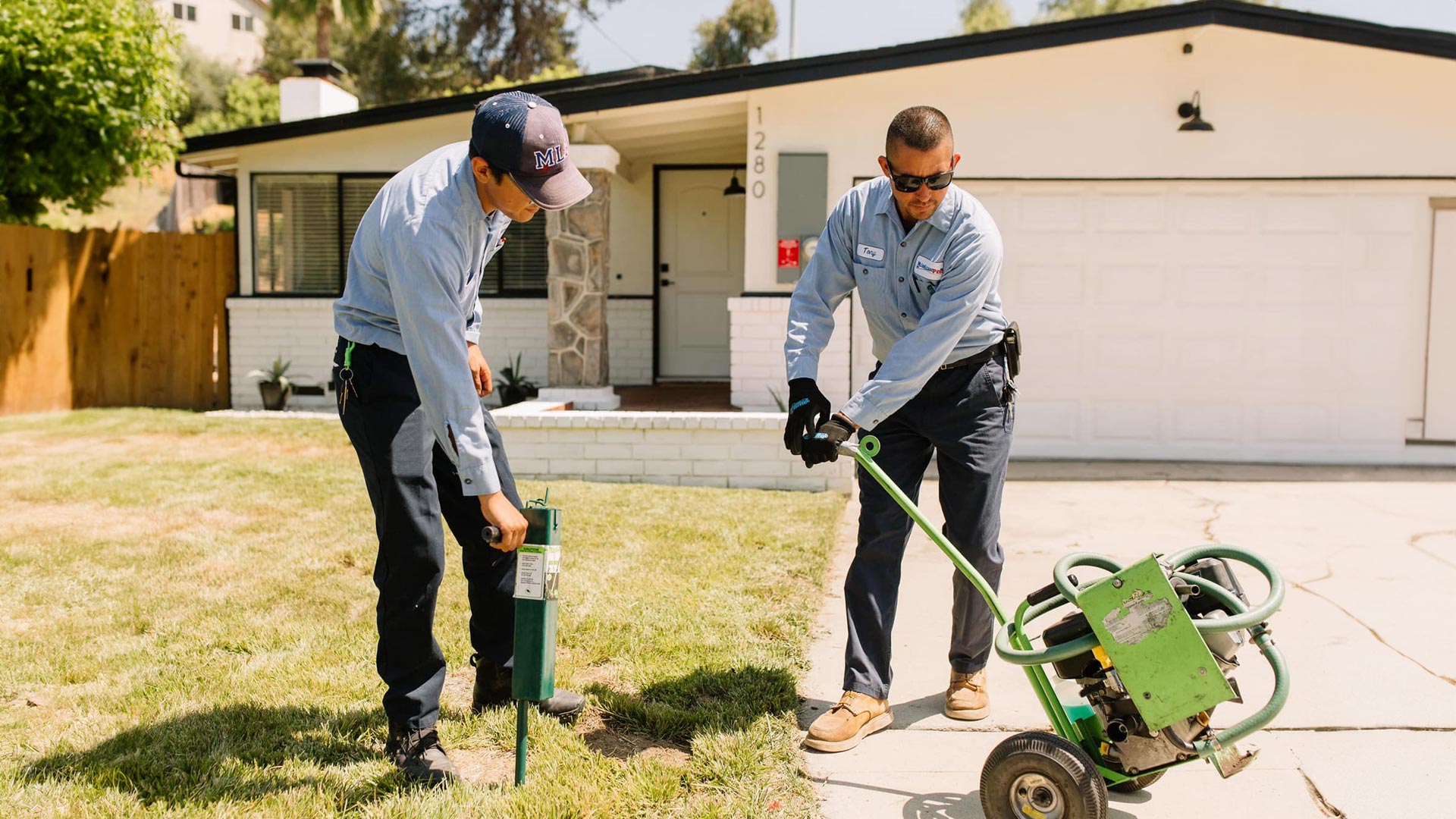
Bait stations show termite travel patterns. Follow-up checks reveal active feeding, shifting routes, or stations that need closer attention soon.

Bait stations track termite movement and reach active foragers. Follow-up checks show whether activity slows, shifts, or needs closer attention.

Bad wood is opened, checked, and replaced where needed. Termite damage, dry rot, and fungus are documented clearly during repairs.


Enrique, Alex and Daniel did an excellent job repairing the fascia and shade structure that were damaged by termites and dry rot.


So far, it's been a 5 star experience. Dan is extremely knowledgeable and friendly. I really feel like they focus on your needs and don't try to up sale on unnecessary service. I would highly recommend Major League Pest to anyone in the area.


I’ve had a fantastic experience with Major League Pest Control for years! My technician, Tony, is absolutely the best—professional, knowledgeable, and always goes above and beyond.


Working with Paul was a complete breath of fresh air. I completely trust him as he went above and beyond to show me exactly what was going on and not try to oversell me on any treatment.

A proper termite inspection should slow down enough to find what a quick look misses. For Escondido, CA termite control, the crew checks attic framing, eaves, fascia, crawlspaces, garage edges, plumbing cuts, decks, fence lines, and wood touching soil.
They also look for moisture stains, raised dirt, mulch piled against walls, old repairs, soft spots, frass, and small entry gaps. Those notes help separate drywood, subterranean, and dampwood activity before anyone recommends fumigation, barrier work, bait stations, or wood repair for the property in question.
Termite work should follow the inspection, species, damaged wood, access, moisture, and the owner’s repair plans, not a preset package.

Dampwood termites often start with moisture. For termite control in Escondido, crews check wet trim, softened framing, leaks, and decay, then explain what needs repair, removal, or drying first onsite.
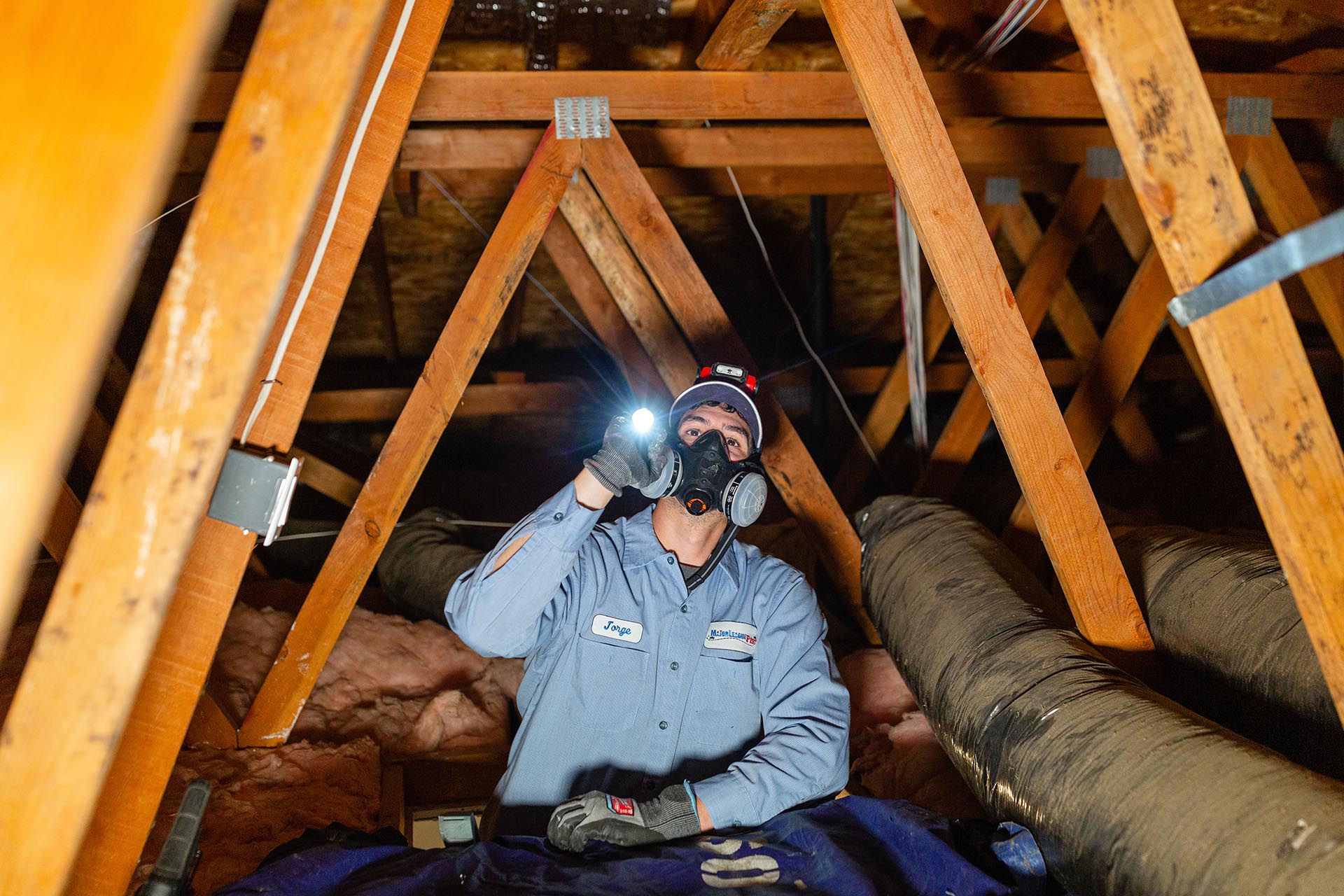
Drywood termites can stay buried in studs, rafters, and trim after pellets appear. When signs spread, or access is tight, fumigation reaches colonies spot work cannot cleanly reach inside wood.
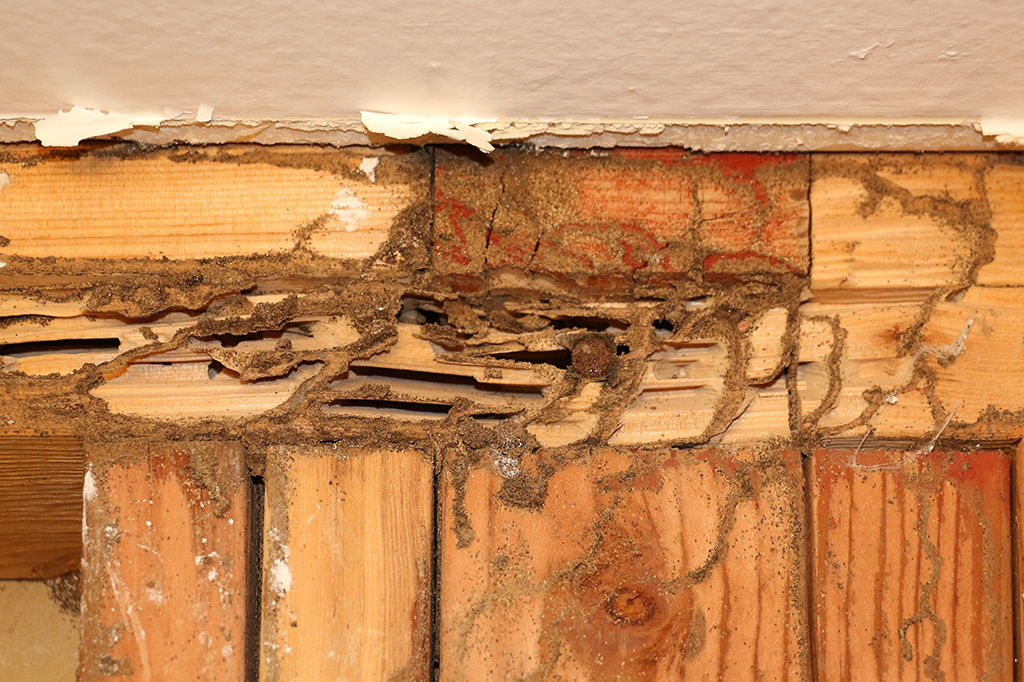
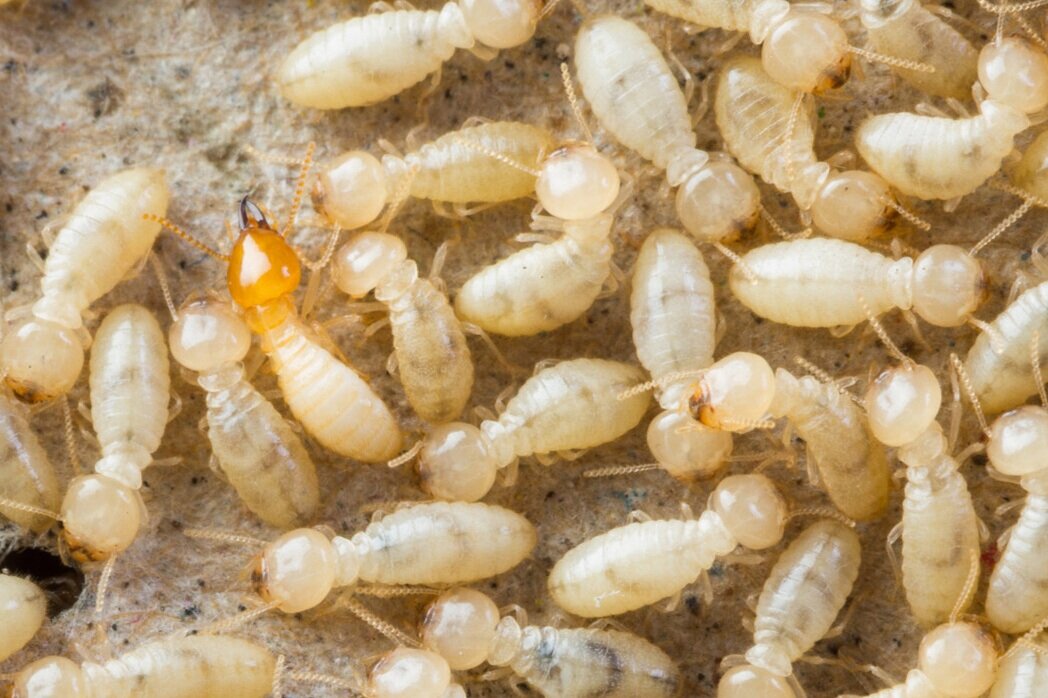
Subterranean termites move from soil into the structure, so crews check foundation edges, plumbing gaps, irrigation leaks, and wood-to-ground contact before recommending barriers, bait stations, or focused work for control.
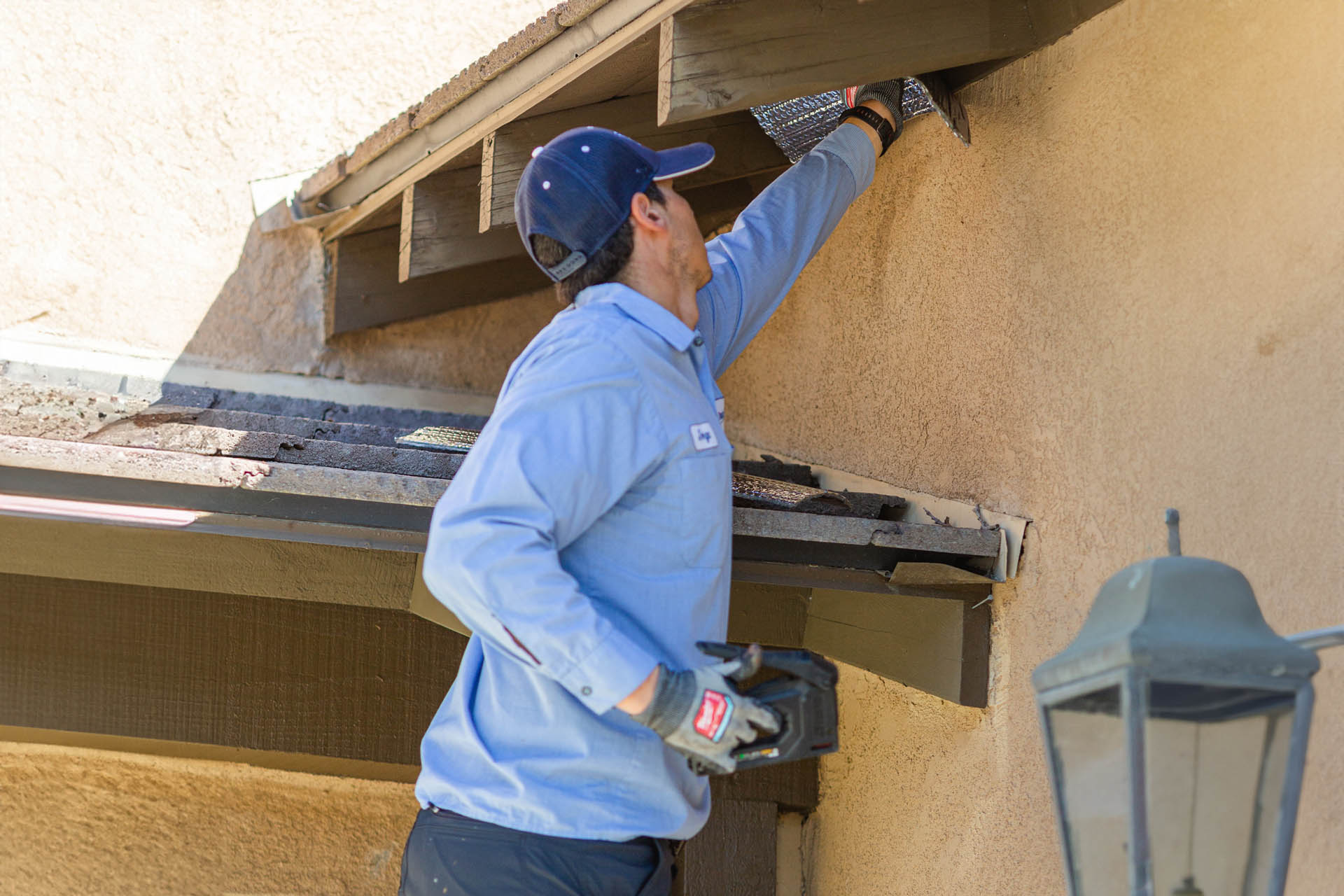
Inspection starts where termites usually leave clues: eaves, fascia, attic wood, crawlspace beams, garage edges, patio covers, decks, fences, plumbing cuts, and wood touching soil. The inspector checks pellets, wings, mud tubes, soft spots, stains, leaks, and old patchwork, then explains what is active, damaged, or worth watching next closely.
Options can include spot work, heat, borates, fumigation, soil barriers, bait stations, and wood repair. Termite extermination services are chosen after the termite type, damaged wood, access limits, and spread are checked, so the plan fits the house instead of copying the same answer for every property in town today.
Sometimes. If drywood activity is tight and reachable, heat, borates, or direct wood work may be enough. If pellets or damage show up in several rooms, sealed wall spaces, or deep framing, fumigation usually makes more sense. The inspection shows what can be reached before anyone chooses a whole-house plan onsite.
Whole-structure fumigation is considered when drywood termites appear in several rooms, sit deep in framing, or cannot be reached through smaller work. Many owners call it termite removal, but reach matters most. The crew explains preparation, temporary vacancy, timing, safety steps, and re-entry details before anything is scheduled for homeowners.
Subterranean termites slip through slab cracks, pipe cuts, porch seams, and damp soil pressed against stucco. First, the foundation gets checked closely. Then the crew may recommend a soil barrier, bait stations, or wood correction, with leaks, mulch, stored lumber, and ground contact called out before more damage builds underneath.
Yes. Damaged wood can be checked for termite activity, dry rot, fungus concerns, moisture trouble, and weak sections before repair begins. A termite exterminator in Escondido should explain the active infestation and the wood condition, so owners know what needs removal, replacement, documentation, or a closer structural review before approval.
Yes, when the inspection supports it. Some termite work can be planned with pets in mind, depending on the product, area, species, and who lives there. The crew explains prep, pet removal or separation, re-entry timing, and safer options before anyone approves work or books fumigation for the home.
Call a termite expert as soon as you see pellets, wings, swarmers, mud tubes, blistered paint, soft trim, or strange wood damage. Termites usually show only part of the mess. An inspection sorts out active areas, termite type, open access, repair needs, and the best move before damage keeps spreading.
Schedule a complimentary Escondido termite inspection before approving fumigation, repairs, or spot work. Know the active areas and next steps.