Since 1992, our family-owned business has handled termite control in Chula Vista, CA for bubbling paint, soft trim, swarmers, and hidden wood damage before repairs get harder, messier, and costlier.
Soft trim, blistered paint, damaged framing, and wood that gives under pressure are common ways termite problems appear. Our family-run business has helped Chula Vista property owners address these issues for over 30 years now. Inspections are direct, repairs are explained plainly, and the next steps aim to stop more serious damage early enough.

Inspectors check accessible wood, attic framing, fascia, trim, slab edges, pellets, mud tubes, soft spots, moisture signs, and hidden openings.

For smaller termite issues, damaged boards and nearby wood are handled directly, with clear limits explained before the work starts.

Fumigation helps when drywood termites spread through walls, ceilings, or sealed spaces that smaller repairs cannot fully reach.

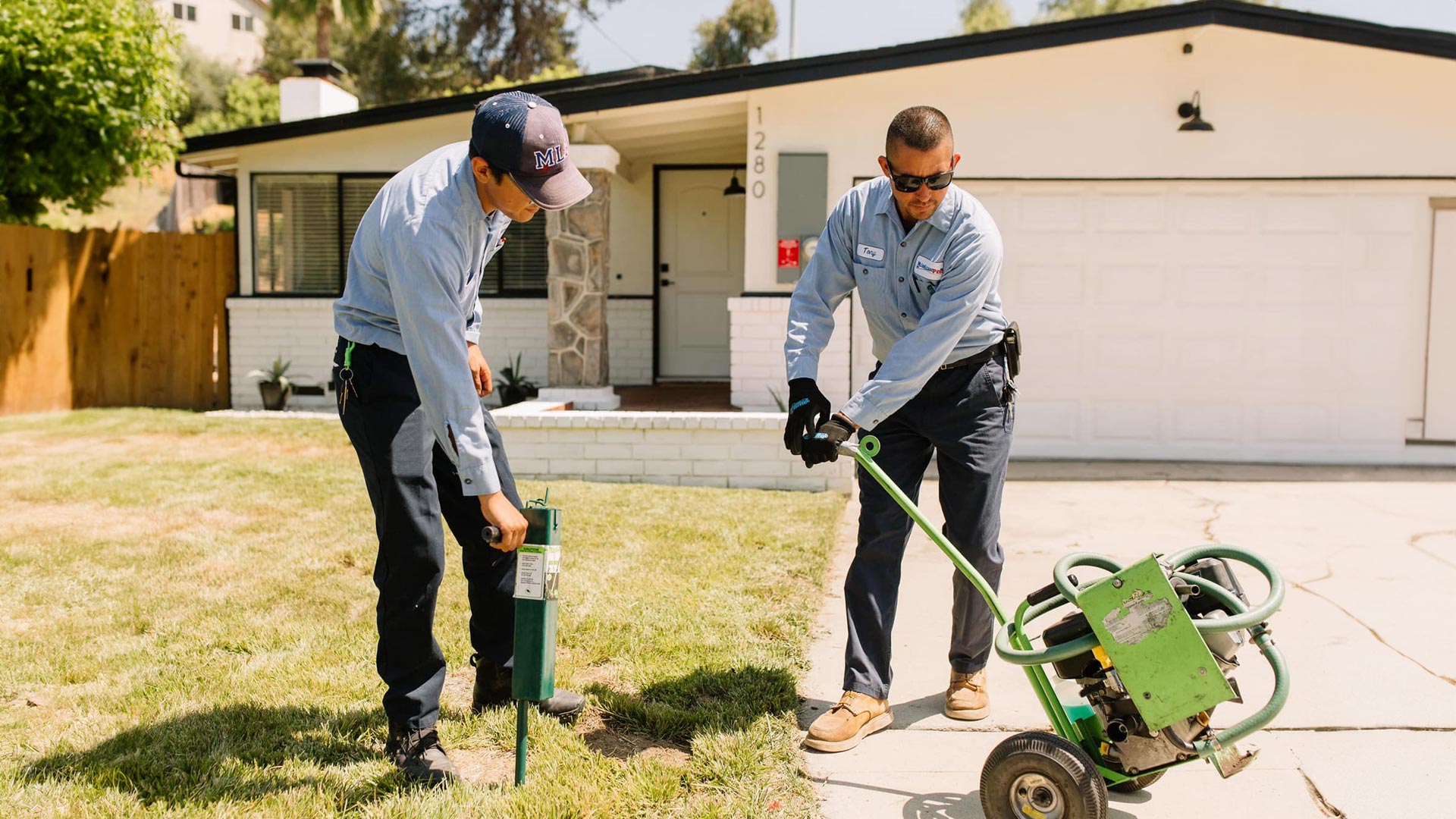
Subterranean termites move through soil first. Barrier work targets foundation seams, plumbing gaps, porch posts, and wood touching outside dirt.

Bait stations fit quiet termite movement, tight access, or finished walls that should not be opened before activity is tracked.

After termite control Chula Vista work, damaged boards are repaired, dry rot is checked, and weakened framing is written up.


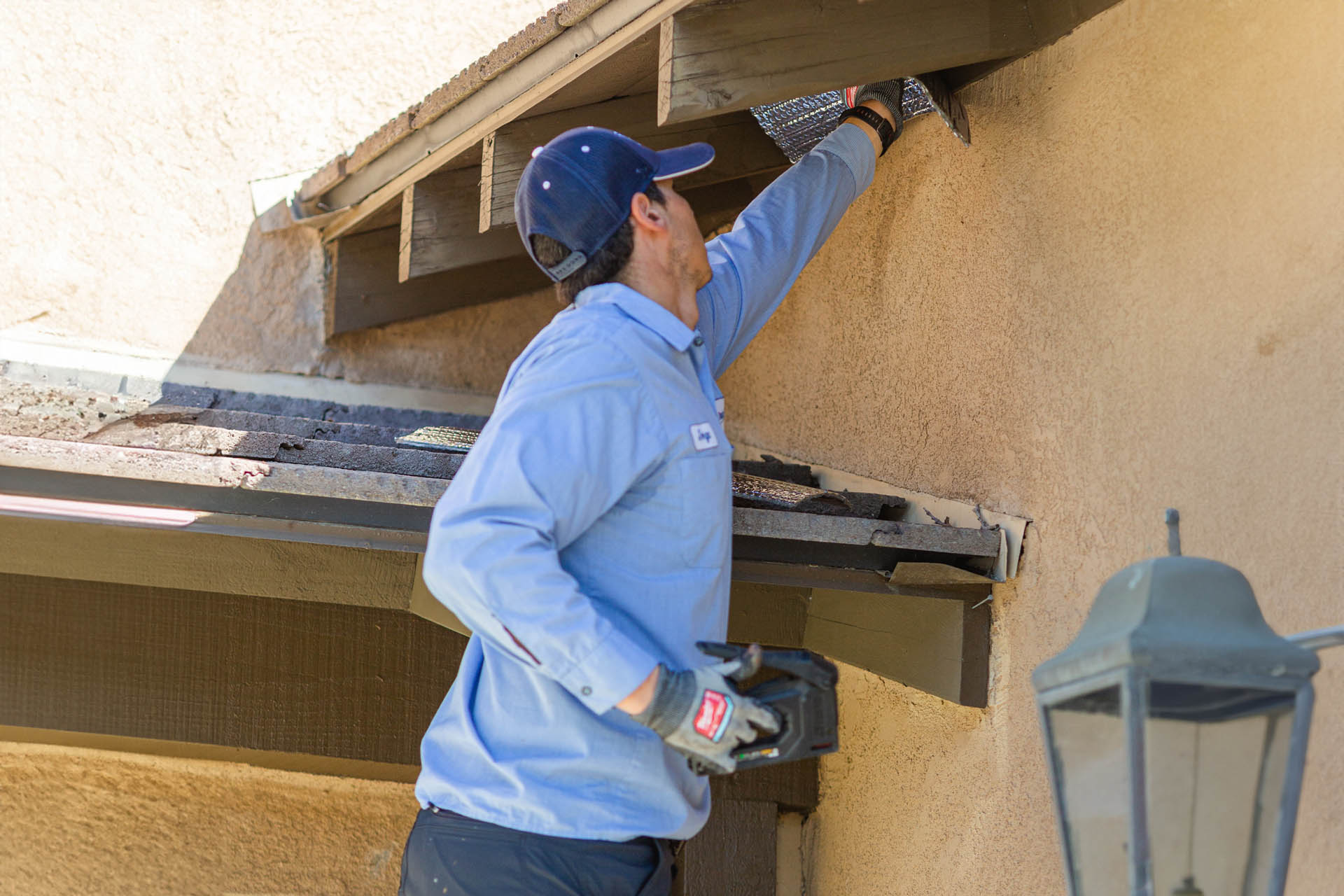
Enrique, Alex and Daniel did an excellent job repairing the fascia and shade structure that were damaged by termites and dry rot.


So far, it's been a 5 star experience. Dan is extremely knowledgeable and friendly. I really feel like they focus on your needs and don't try to up sale on unnecessary service. I would highly recommend Major League Pest to anyone in the area.


I’ve had a fantastic experience with Major League Pest Control for years! My technician, Tony, is absolutely the best—professional, knowledgeable, and always goes above and beyond.


Working with Paul was a complete breath of fresh air. I completely trust him as he went above and beyond to show me exactly what was going on and not try to oversell me on any treatment.
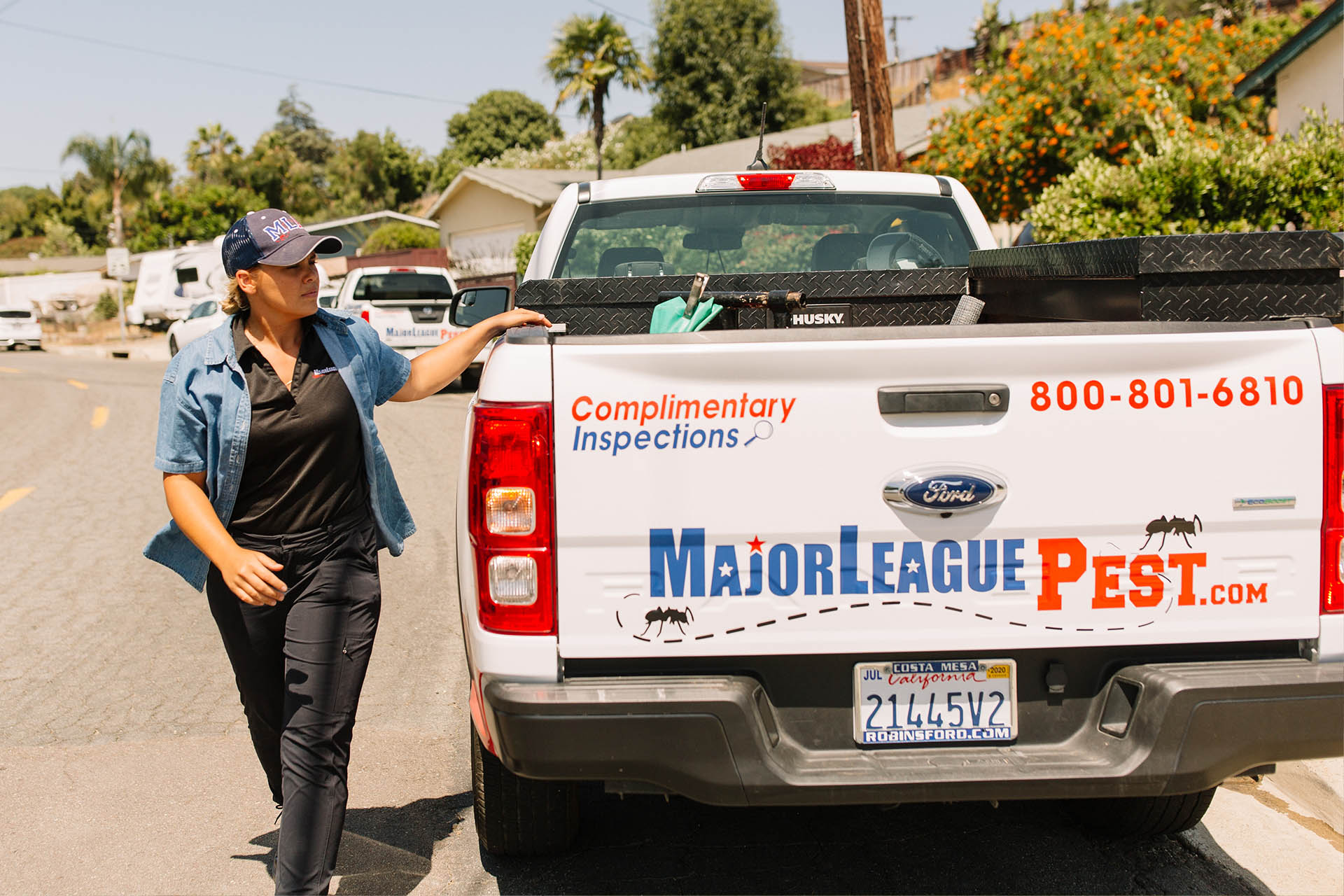
Termites are not treated the same way every time. Our inspection looks for drywood pellets, kick-out holes, mud tubes, damaged wood, moisture issues, and how far activity appears to have spread. That helps us separate drywood termite work from subterranean termite removal, repair needs, or fumigation discussions.
When a limited treatment can solve the issue, we explain why. When the evidence points to broader coverage, we explain that too, so you understand the recommendation before work begins and know what happens after the service visit.
We match termite removal treatment to termite type, access points, damage level, and whether the problem is localized or structure-wide.

Dampwood termites usually signal a moisture problem. Soft lumber, stains, fungus, leaks, and bad drainage are checked first, so repairs do not leave wet wood inviting them back again later.
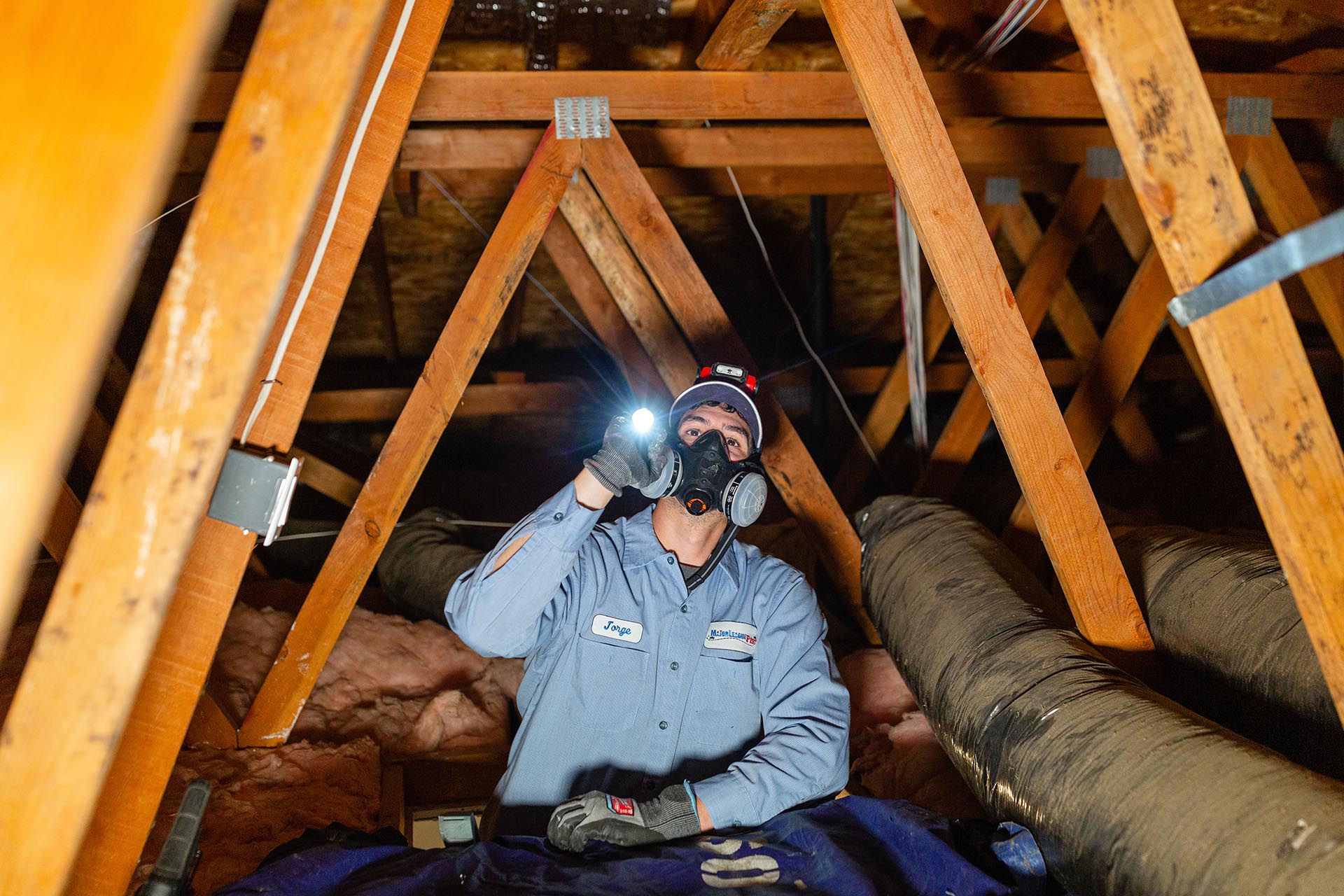
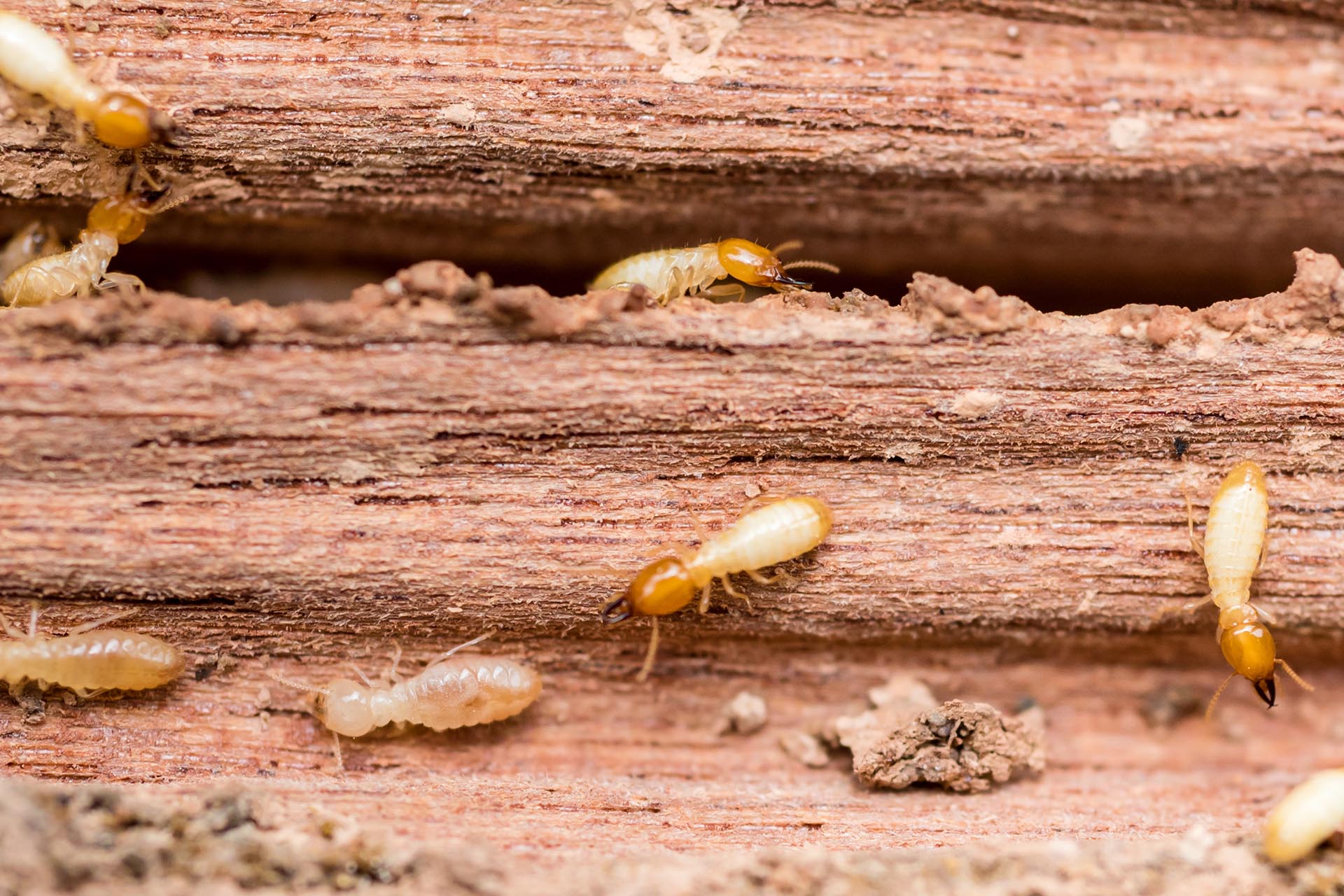
Drywood termites can live deep inside trim, rafters, attic boards, and wall voids. Frass, wings, blistered wood, and hollow tapping help decide whether fumigation is the cleaner, safer option indoors.
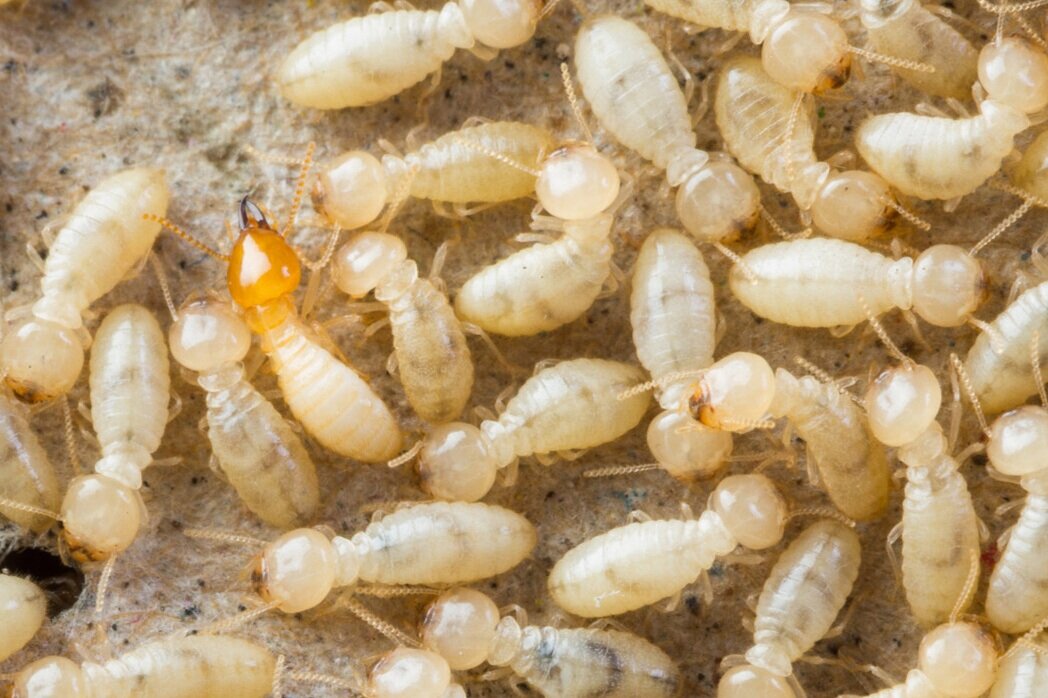
Subterranean termites often come up from soil. Foundation seams, crawlspace gaps, slab cracks, shelter tubes, and ground-touching wood show where control work should start after inspection and repair planning.
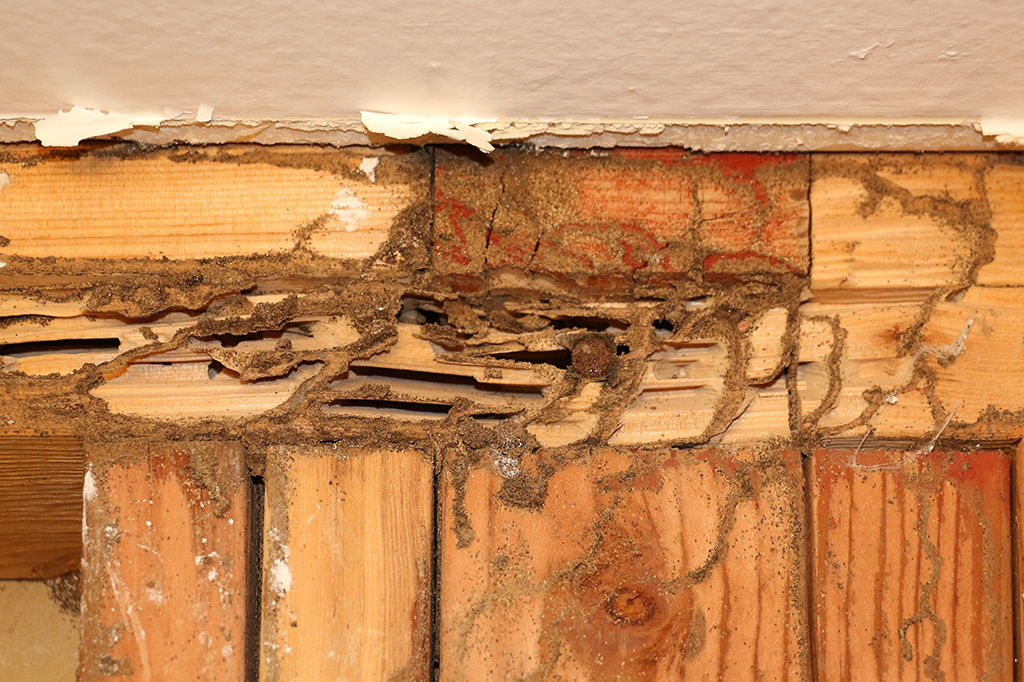
Look for tiny dry pellets near baseboards, loose wings by windows, bubbling paint, soft wood, mud tubes, or damage that shows up during repairs. Sometimes the signs are easy to miss. We inspect the areas termites usually reach first, then explain what we found and whether treatment, repair, or monitoring makes sense.
Yes. We check the accessible areas, note visible termite activity, wood damage, dry rot, fungus, and other concerns buyers or sellers may need to address. Real estate timelines can move fast, so we keep the findings clear enough for agents, homeowners, and buyers to understand before closing, repair talks, or escrow deadlines.
Sometimes. If the activity is limited and reachable, our termite control specialists may suggest spot treatment, borates, or heat-related options instead. When the evidence points to termites spreading deeper through the structure, fumigation may be the better choice. We explain why before any work is scheduled.
Fumigation usually comes up when drywood termites show in several rooms, trim lines, attic boards, or other hard-to-reach spots. After inspection, we explain whether local treatment is realistic, what tenting involves, how long preparation may take, and what wood repairs may still be needed once the home is cleared safely.
Subterranean termites usually slip in low, near soil, slab edges, damp wood, or crawlspace openings. A termite control exterminator checks mud tubes, cracks, moisture, and boards touching dirt first. From there, the work may include bait stations, soil barriers, repairs, or monitoring, instead of opening finished walls too early.
Yes. When termites, dry rot, or fungus leave wood soft, hollow, or broken open, we can identify the damaged pieces and explain repair priorities. This helps during escrow, remodeling, exterior maintenance, or older home repairs where treatment alone will not solve the weakened framing, trim, fascia, or decking boards properly.
Yes, when prep instructions are followed. Before termite work begins, pet bowls, bedding, toys, and favorite hiding spots are discussed. You’ll know where pets should stay, when rooms or patios are usable again safely, and what changes if activity sits inside walls, soil, or damaged wood around the house too.
Call us for a complimentary termite inspection or quote. Scheduling depends on property access, urgency, and current openings, but a termite expert can review photos, older reports, or visible damage notes before the visit. That helps you understand what is happening and what should happen next before anyone arrives onsite.
Request a clear inspection, documented findings, and treatment guidance from our family-owned team serving San Diego County homes since 1992