
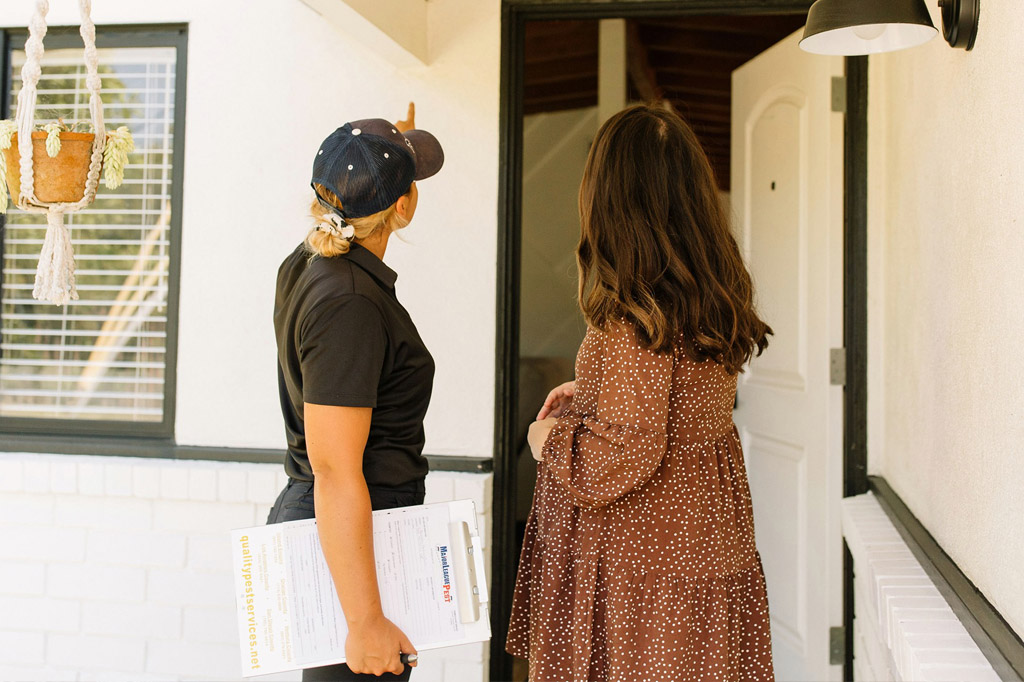
Professional pest control is not just about elimination; it is about prevention and long-term protection. Understanding why DIY methods fail helps homeowners make smarter choices that protect both their property and health.
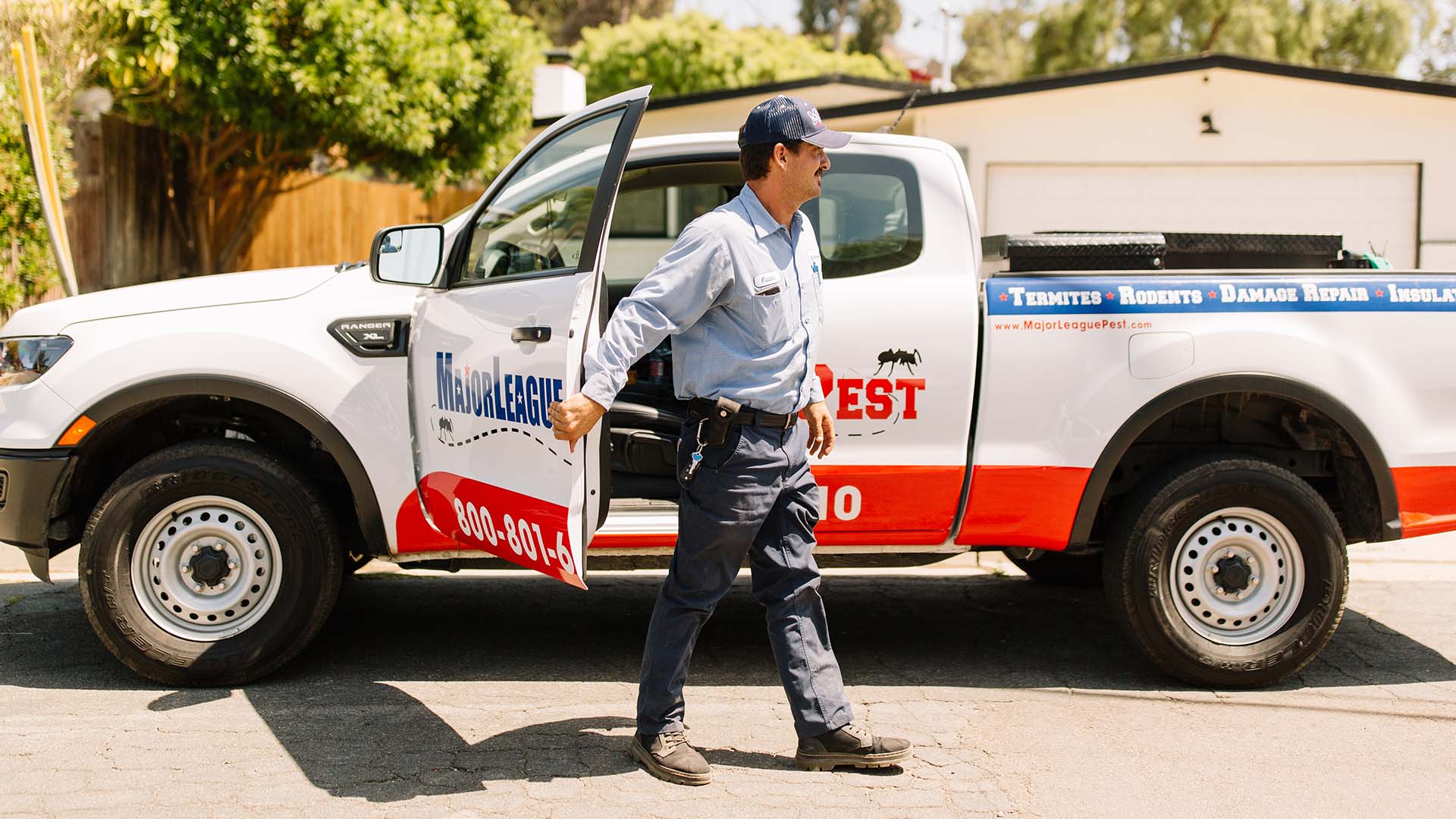
The Hidden Dangers of DIY Pest Control
DIY pest control methods typically rely on general products that are designed for quick results rather than long-term effectiveness. These solutions often miss deeper infestations that remain hidden in walls, attics, or soil. In some cases, incorrect application can make infestations spread faster.
Common risks associated with untrained pest treatments include:
- Overuse of chemicals. Applying too much product can contaminate indoor air and water sources while still failing to reach pest colonies.
- Incomplete elimination. Killing surface pests may scatter others, causing them to relocate and multiply in hidden areas.
- Misidentification of species. Treating the wrong pest type leads to wasted effort and ineffective results.
- Unintended health hazards. Residues from sprays or baits can be harmful to pets, children, and sensitive individuals.
DIY approaches often create a temporary illusion of success, only for infestations to rebound weeks later. Professionals, on the other hand, base every treatment on pest behavior, environmental conditions, and product science to ensure total control.
Why Pest Identification Matters More Than You Think
Accurate pest identification is the first step toward effective elimination. Different pests require specific strategies, and what works for one species can make another problem worse. For example, using the wrong bait or spray may cause ants to split their colonies or push rodents into new nesting zones.
Professional technicians use inspection tools and field expertise to identify pests correctly. They understand the habits of the most common local intruders, including:
- Ants that trail moisture-rich areas and nest behind walls.
- Rodents that chew through insulation and electrical wiring.
- Cockroaches that carry bacteria and thrive in kitchens or bathrooms.
- Spiders that hide in dark, cluttered spaces.
- Termites that cause hidden structural damage in wood.
Each type of pest requires different treatment timing, product selection, and monitoring. Professionals adjust their approach to seasonal patterns and entry points rather than applying a one-size-fits-all method. This is especially important during colder months when pests move indoors, as discussed in this guide on seasonal pest sealing.
How DIY Pest Control Can Lead to Bigger Infestations
DIY products are often reactive, not preventive. When pests feel threatened but not completely eliminated, they spread into other areas of the home, making treatment more complex. Insects like ants, fleas, and bed bugs multiply rapidly, meaning incomplete treatments can double the population instead of reducing it.
Other factors that make DIY efforts counterproductive include:
- Ignoring entry points. Treating visible pests while leaving cracks, vents, or utility gaps open invites reentry.
- Failing to address eggs or larvae. Surface treatments rarely kill unhatched stages, leading to recurring infestations.
- Improper moisture management. Leaks, humidity, and standing water often attract pests back after treatment.
- Insufficient follow-up. Without ongoing monitoring, infestations often rebuild within weeks.
When infestations grow beyond visible areas, it becomes much harder to restore balance without professional-grade tools and expertise.
Why Professional Pest Control is Worth the Investment
Unlike DIY methods, professional pest control provides comprehensive protection through accurate diagnosis, targeted treatment, and follow-up service. Specialists analyze the full scope of the problem, identify vulnerabilities, and apply products designed for long-term prevention.
Key advantages of hiring professionals include:
- Targeted solutions that eliminate pests at their source, not just at the surface.
- Safe, regulated products applied according to industry standards.
- Preventive recommendations such as sealing, insulation, and moisture control.
- Regular inspections that stop pests before they establish colonies.
- Guaranteed service that covers re-treatment if pests return.
Professional services also save time and prevent damage-related expenses, which can be far greater than the cost of treatment. Homeowners benefit from consistency and accountability, especially through warranties or service guarantees like those outlined in this overview of re-treatment policies.
Knowing When to Call the Pros
It can be difficult to tell when an infestation has grown beyond DIY control, but there are clear warning signs. If pests reappear shortly after treatment, nests are visible indoors, or structural damage becomes evident, professional assistance is the next logical step.
You should seek expert intervention when:
- Droppings or nesting materials appear near appliances, baseboards, or storage areas.
- Scratching, rustling, or tapping noises are heard inside walls or ceilings.
- Unexplained bites or allergic reactions occur in your household.
- Foul odors linger despite cleaning, indicating pest waste buildup.
- Electrical issues arise from rodent chewing or nest interference.
Professionals don’t just treat; they educate homeowners on preventive practices that maintain results. This partnership ensures that infestations don’t return once removed.
Restore Your Peace of Mind with Expert Help
DIY pest control may seem practical, but it often costs more in the long run through wasted products, recurring infestations, and property damage. True protection requires precision, experience, and follow-through that only trained experts can provide.
For thorough inspections, targeted treatments, and guaranteed results, contact Major League Pest for comprehensive and reliable professional pest control designed to protect your home year-round.
