
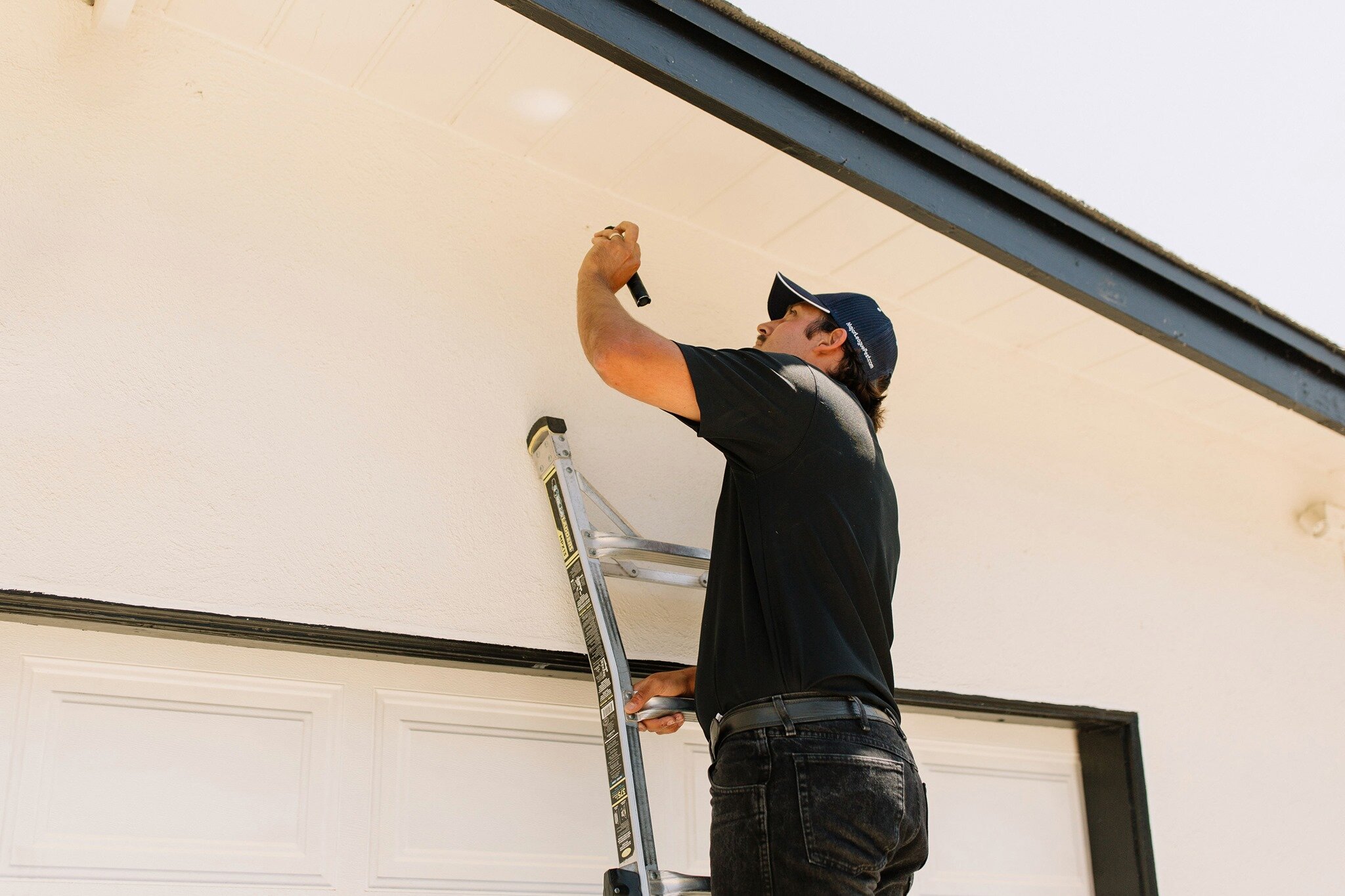
A few ants near a window may be easy to overlook. But when the same trail returns, or an unfamiliar mark appears on a floor joist, the question changes: is this ordinary seasonal activity or evidence of a hidden problem? A professional pest inspection helps answer that question before homeowners commit to the wrong treatment or an unnecessary repair.
San Diego County homes vary widely in construction, landscape exposure, and moisture conditions. Our inspections consider the property as a connected system, not just the room where an insect appeared. With decades of experience across pest, termite, and structural concerns, our team can distinguish a routine nuisance from signs that warrant a more detailed assessment.
Schedule an Inspection When Warning Signs Repeat
One harmless insect indoors does not always require professional service. Repeated activity, fresh damage, or evidence in concealed areas provides a stronger reason to investigate. The type of pest matters, because ants, rodents, and termites leave different clues and call for different responses.
Signs that deserve attention include:
- Recurring insects: Trails or clusters appearing repeatedly in one area may indicate established activity.
- Droppings: Fresh deposits near cabinets, garages, or attic access points can suggest rodents or insects.
- Discarded wings: Groups of wings around doors and windows may justify termite identification.
- Unusual wood changes: Hollow-sounding trim or damaged framing needs evaluation before its cause is assumed.
- Nighttime noises: Repeated movement in ceilings or walls may merit a rodent-focused inspection.
Evidence should be interpreted carefully. Water damage can resemble termite activity, while an old gnaw mark may remain long after rodents have left. Photographs, dates, and locations help us assess what is current and what remains uncertain.
Our article on pest warning signs explains why spreading activity or persistent problems deserve more urgent assessment. A professional visit can help identify the species, likely source, and next steps rather than relying on an unverified guess.
Consider Property Changes, Moisture, and Planned Work
Not every inspection begins with an insect. Remodeling, an older roof leak, or moisture beneath a home can reveal conditions that support termites and other pests. This is particularly important in Southern California, where irrigation, coastal humidity, seasonal rain, and different building styles affect how water and wood interact.
Useful times to request an assessment include:
- Before renovations: Exposing or covering wood without checking suspicious areas can complicate later repairs.
- After water intrusion: Roof leaks, plumbing failures, or poor drainage may leave vulnerable materials damp.
- During a home transaction: Inspection findings can clarify pest evidence and potential repair needs.
- When landscaping changes: New irrigation or soil contact near siding can alter pest pressure.
- After earlier infestations: A return visit can check whether treatment and recommended corrections worked.
Our company offers detailed inspections involving accessible interiors, exteriors, attics, garages, and subareas, with structural findings documented when the appropriate inspection is requested. These reviews can identify wood-to-soil contact, termite activity, moisture concerns, and possible dry rot conditions. Not every basic pest appointment includes the full scope of a structural or wood-destroying-organism assessment, so we explain which service fits the question.
Moisture alone does not prove termites are present, and pest treatment cannot repair every structural defect. Findings may call for targeted service, further evaluation, or carpentry work. Understanding that distinction before construction begins can reduce avoidable surprises.
Use Inspection Results to Plan the Right Next Step
The most valuable outcome of an inspection is a clear understanding of what was found. A technician should distinguish confirmed activity from conditions that merely raise risk, identify limitations where access was restricted, and explain why a particular treatment or repair is recommended.
Our reporting and planning process may address:
- Pest identification: Correct species information guides treatment choice and relevant precautions.
- Affected locations: Notes and diagrams help explain where activity or damage was observed.
- Moisture and access: Plumbing, grading, or gaps can influence control and repair priorities.
- Treatment choices: A targeted approach is recommended when supported by the evidence.
- Follow-up expectations: Monitoring helps show whether activity is declining or new signs are appearing.
Our guide to reading inspection reports explains how photographs, structural notes, and recommendations fit together. Keep the report as a reference, especially if repairs are completed or new activity appears months later. It can help separate an old condition from a genuinely new problem.
Routine inspection timing depends on pest history, the structure, and changing conditions. A household with recent termites or recurring rodents may benefit from closer monitoring than one without warning signs. An inspection also does not guarantee visibility into sealed cavities; further opening or specialist evaluation may sometimes be necessary.
Waiting until obvious damage appears can make decisions harder. Scheduling when credible signs emerge, or before major work changes access to vulnerable areas, gives homeowners better information and a practical path forward.
Get Answers Before Small Signs Become Big Questions
If you have recurring pest evidence, suspicious wood, or plans for renovation, contact Major League Pest to discuss the appropriate inspection. Our team can explain the findings, recommend suitable service, and help you plan the next step with confidence.
