
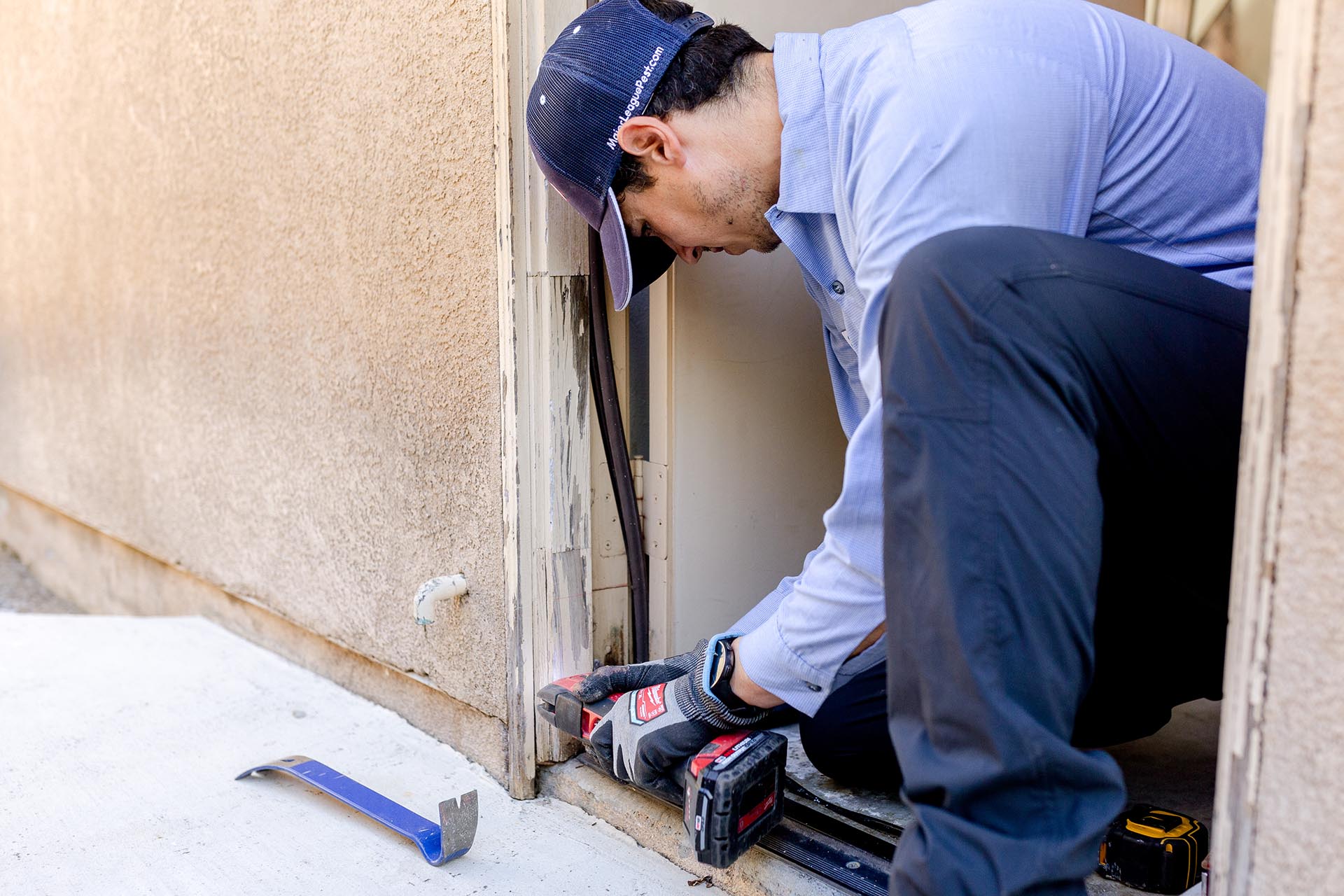
North San Diego County has a mild climate, but pest activity still shifts throughout the year. Warm afternoons, coastal moisture, dry inland heat, irrigation, landscaping, and seasonal rain all influence when pests move, nest, feed, or enter homes. That is why seasonal pests can seem to appear suddenly, even when the property looked quiet a few weeks earlier.
Common concerns in the area include ants, cockroaches, fleas, crickets, rodents, spiders, termites, earwigs, and bees. Each pest responds to different conditions, but the pattern is similar: when weather changes, pests look for food, water, shelter, and safer nesting areas. Professional pest control helps identify which pest is active, where it is coming from, and what conditions are allowing it to stay.
Spring Activity Often Starts Before Homeowners Notice
Spring is one of the most important seasons for pest prevention. As temperatures rise and moisture increases, insects and rodents become more active around foundations, yards, garages, and crawlspaces. Early activity may be small, but it can grow quickly when food sources, damp areas, or entry points remain available.
Spring pest signs may include:
- Ants. Trails along counters, patios, baseboards, or foundation edges can signal colony movement.
- Termites. Swarming, discarded wings, or damaged wood may point to hidden activity.
- Spiders. More webs can appear as insect prey increases around doors and windows.
- Earwigs. Damp mulch, soil, and shaded areas can bring them closer to the structure.
- Rodents. Scratching, droppings, or gnaw marks may show that mice or rats have found shelter.
Spring is also a good time to consider eco-conscious service choices. This guide on eco-friendly pest care explains how targeted, prevention-based methods can support effective results while reducing unnecessary exposure.
Warm-Weather Pests Build Around Food And Moisture
Late spring and summer often bring more visible pest pressure. Ants may travel farther for food and water. Cockroaches can hide in warm, sheltered spaces. Fleas can become more active around pets, yards, and shaded resting areas. Crickets and earwigs may gather near moisture, lights, and exterior openings. Bees may become noticeable near rooflines, garden areas, or porch spaces.
These pests are not always separate problems. A damp exterior area can support earwigs, crickets, cockroaches, and spiders. Outdoor lighting can attract insects that bring more spider activity. Pet areas can support flea concerns if not monitored. Irrigation and landscaping can help plants, but they can also create harborage when overwatered or unmanaged.
Warm-weather risks often include:
- Moisture. Leaks, irrigation overspray, and damp mulch can attract insects.
- Food. Pet bowls, crumbs, trash, and outdoor dining residue can draw ants and cockroaches.
- Light. Exterior lights may attract insects and increase spider activity nearby.
- Shelter. Dense vegetation, clutter, and gaps provide hiding places.
- Access. Small openings around doors, vents, pipes, and garages allow pests indoors.
A professional inspection helps separate normal outdoor activity from conditions that may lead to indoor problems.
Family-Safe Planning Matters When Treatments Are Needed
Seasonal pests often appear in areas families use every day, including kitchens, patios, play areas, bedrooms, pet zones, and entryways. That makes treatment planning important. The goal is not simply to apply the product, but to apply the right method in the right location with careful attention to people, pets, and the surrounding environment.
Professional pest control uses identification first. Ants, cockroaches, fleas, termites, spiders, crickets, earwigs, rodents, and bees each require a different response. Misidentifying the pest can lead to poor results or unnecessary treatment. Placement also matters because targeted applications around cracks, wall voids, exterior perimeters, and harborage zones can reduce broad indoor exposure.
For households with children or animals, this resource on pet-safe treatments explains why planning, product selection, and application technique all matter.
Important safety-focused steps include:
- Identification. Knowing the pest prevents unnecessary or poorly matched treatment.
- Targeting. Treatment is focused on where pests travel, hide, or nest.
- Timing. Service may be scheduled around household use of indoor and outdoor spaces.
- Guidance. Clear preparation and reentry instructions help reduce confusion.
- Monitoring. Follow-up shows whether pest pressure is declining or changing.
This approach helps protect comfort without treating the home as a one-time problem.
Year-Round Awareness Keeps Pest Pressure Lower
North San Diego County pest activity does not fully disappear after one season. Rodents may seek warmth and shelter when nights cool. Termites can remain hidden while damaging wood. Spiders may follow insect activity indoors. Cockroaches may survive in protected areas. Ants can return when the weather, moisture, or food patterns shift again.
The strongest protection comes from watching the property as conditions change. That includes checking moisture, trimming vegetation, sealing access points, reducing clutter, managing trash, and scheduling professional inspections when activity repeats. Seasonal pest control works best when it is preventive, not rushed after a problem spreads.
Keep Seasonal Pest Pressure From Taking Over
Seasonal pests are easier to manage when warning signs are found early and treated with a property-specific plan. For professional inspection, prevention, and pest control support in North San Diego County, contact Major League Pest.
