
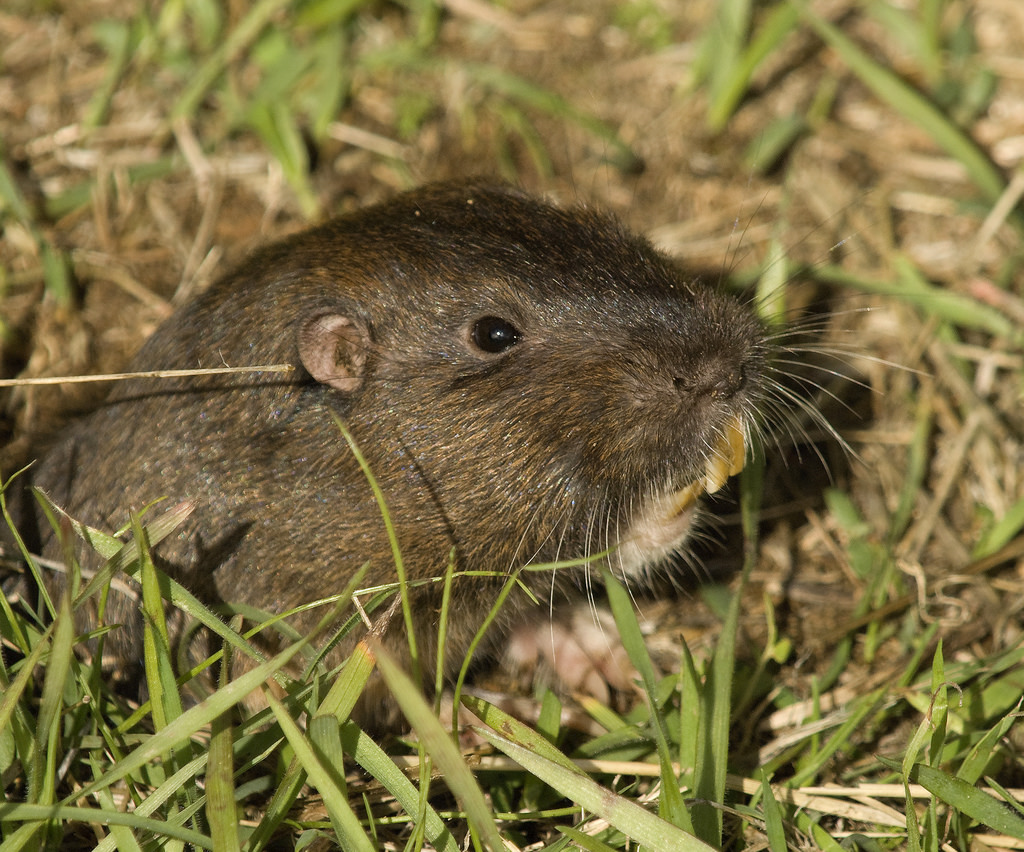
Gophers can cause noticeable lawn and landscape damage even when the animals themselves are rarely seen. They spend most of their time underground, creating tunnel systems that disturb soil, damage roots, and leave fresh mounds across yards, gardens, and planted areas. In San Diego County, irrigated landscapes and healthy vegetation can provide exactly what gophers need to remain active close to homes.
Our team approaches gopher control by looking beneath the surface. Fresh mounds, disappearing plants, disturbed soil, and damaged root systems can all point to active tunnels nearby. Professional inspection helps us determine whether the problem involves one animal, several active tunnel systems, or recurring pressure from surrounding properties before treatment is selected.
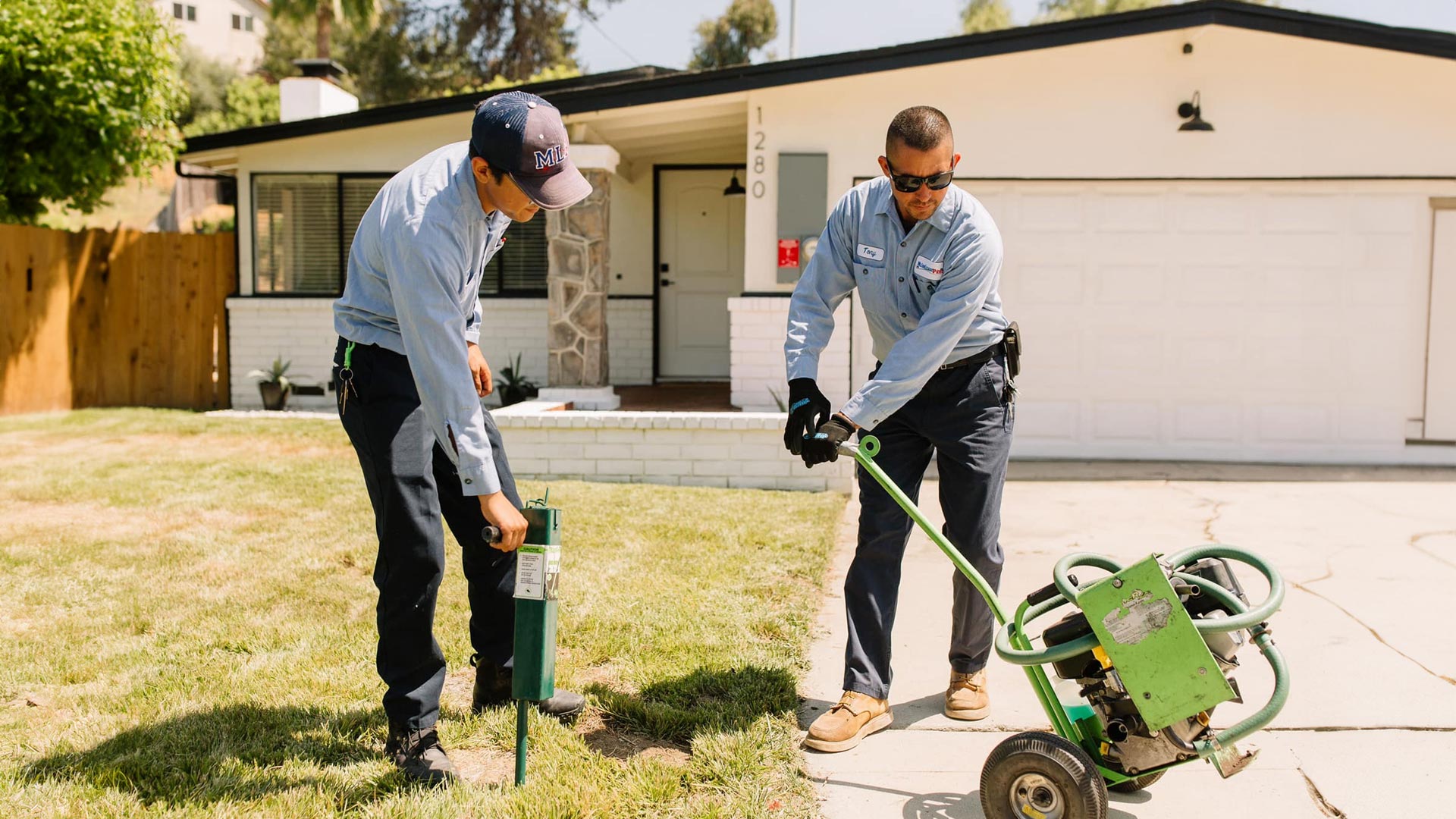
Tunneling Damages Roots, Soil Structure, And Plant Health
Gophers are burrowing rodents that feed heavily on vegetation, especially roots. Their tunnels can run beneath lawns, gardens, planters, and landscaped areas, where feeding damages plants from below. In some cases, a gopher may pull an entire plant into a burrow after cutting or loosening its roots.
Our article on early pest control explains why acting before visible damage expands can make pest management more focused and easier to monitor.
Common signs of active gopher damage include:
- Fresh crescent-shaped or fan-shaped soil mounds
- Plants that wilt or disappear without an obvious surface cause
- Soft areas where tunnels have weakened the soil beneath turf
- Damaged roots around lawns, gardens, or ornamental plantings
- Repeated mounding along the same section of a landscape
- New activity appearing close to previously treated areas
These signs help our technicians trace the likely tunnel network rather than treating every mound as a separate problem.
Irrigation And Healthy Landscaping Can Keep Gophers Active
Well-maintained yards can unintentionally provide excellent gopher habitat. Irrigation keeps soil easier to dig, while lawns, shrubs, vegetables, and ornamental plants provide a steady food source. Properties bordering open land, slopes, or neighboring yards with active gophers can also experience recurring pressure as new animals move into available territory.
Our technicians evaluate the landscape as part of the control plan because activity often follows the areas where soil and vegetation are most favorable.
Conditions that can support recurring gopher activity include:
- Frequently irrigated lawns with soft, workable soil
- Gardens and planters with dense root systems
- Landscaped slopes connected to open or undeveloped ground
- Yard sections with repeated fresh mounds after earlier treatment
- Neighboring properties with visible burrowing activity
- Areas where new plants replace vegetation damaged by earlier feeding
Professional gopher control works best when treatment is based on the active tunnel system rather than on surface appearance alone. Old mounds can remain long after activity has moved elsewhere.
Professional Treatment Targets Active Tunnels Instead Of Guessing
A focused control plan depends on identifying where gophers are actually traveling and feeding. Our guide to low-impact pest choices explains why inspection, precise treatment placement, and long-term prevention are more effective than broad or poorly targeted applications.
A professional gopher-control plan may include:
- Inspecting fresh mounds to identify active tunnel patterns
- Locating primary runs rather than treating abandoned surface openings
- Selecting trapping, baiting, or gassing when appropriate
- Rechecking treated areas for new mound activity
- Adjusting the plan when activity shifts across the property
- Recommending ongoing service where neighborhood pressure is high
Major League’s current gopher service uses inspection first, followed by a custom plan that may include exclusion work, baiting, gassing, and recurring service when needed. That process reflects an important principle: successful control depends on reaching the active source underground.
Surface repair alone does not solve the problem. Flattening mounds or replacing damaged turf can improve appearance temporarily, but active gophers may continue feeding below ground and create new damage nearby. The same applies to replacing shrubs or garden plants before the tunnel activity has been addressed. New vegetation can simply become another food source.
Recurring problems also deserve closer attention because gophers can reinvade from nearby properties. Even after one animal is removed, fresh activity may appear later if surrounding habitat remains favorable. Follow-up helps our technicians determine whether the original tunnel system is inactive or whether a new gopher has entered the area.
Gopher tunneling can also affect more than appearance. Burrowing may weaken soil around landscaped areas and can contribute to damage near hardscape, irrigation components, or other property features. That makes accurate inspection useful when mounds begin appearing close to structures or regularly maintained landscape zones.
Long-term gopher control is therefore less about reacting to every new pile of soil and more about understanding where activity is concentrated, how the tunnel system is being used, and whether outside pressure is causing reinvasion. Professional monitoring gives homeowners a clearer way to distinguish old evidence from fresh activity and keeps treatment focused on the areas that matter most.
Protect The Landscape Before Underground Damage Spreads
If fresh mounds, damaged roots, or disappearing plants are appearing around your property, contact Major League Pest for professional gopher control focused on inspection, targeted treatment, follow-up, and long-term protection.
