
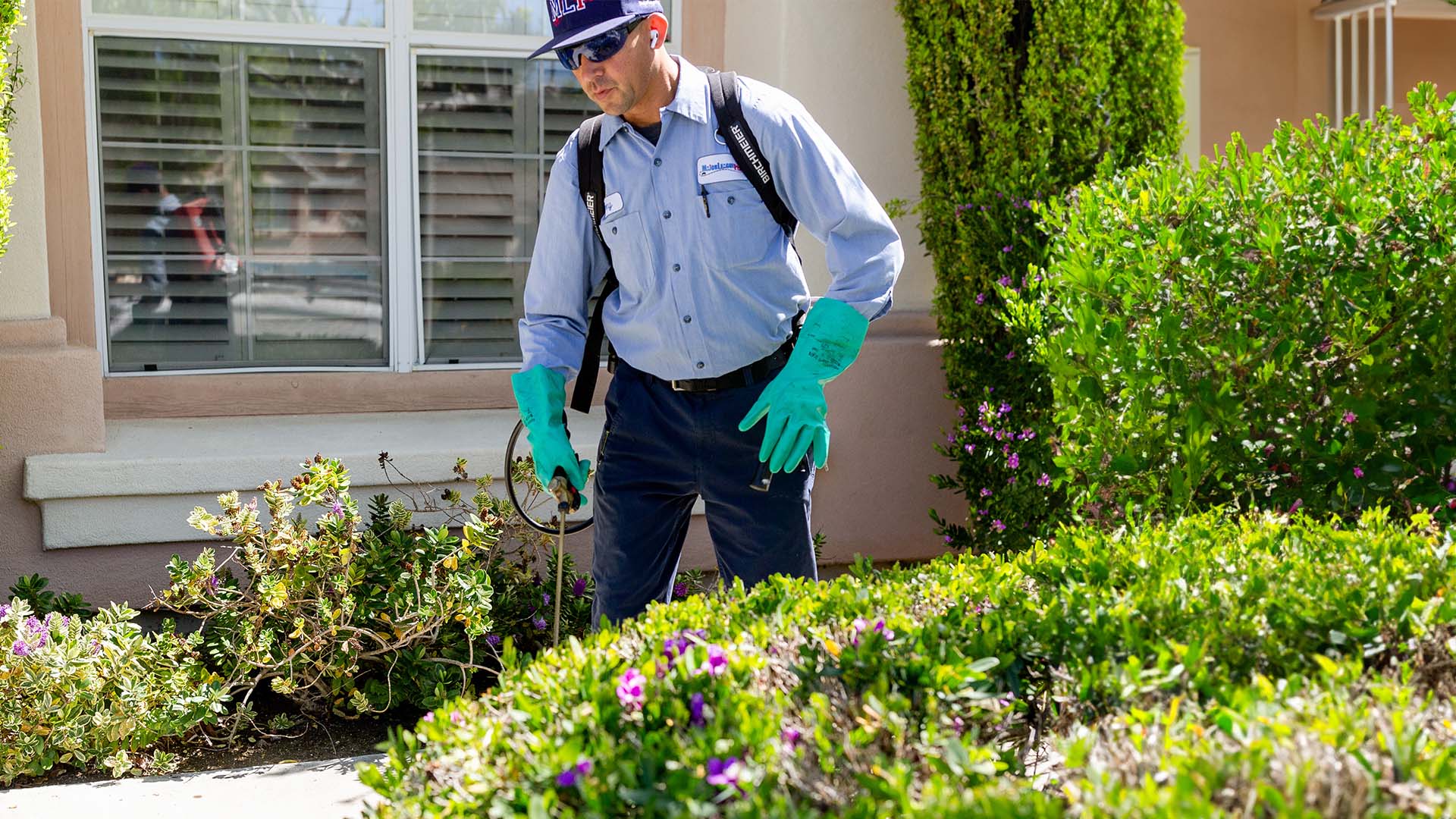
Spring often marks the beginning of increased carpenter ant activity. As temperatures rise and moisture levels shift, these ants become more visible, searching for food and expanding their nesting areas. While they are commonly mistaken for typical household ants, carpenter ants present a different kind of concern due to their ability to damage wood structures over time.
Addressing carpenter ants requires more than surface level solutions. A professional approach focuses on identifying the source of activity, applying targeted pest control methods, and implementing long term ant prevention strategies. Understanding how this process works helps homeowners respond effectively when signs appear.
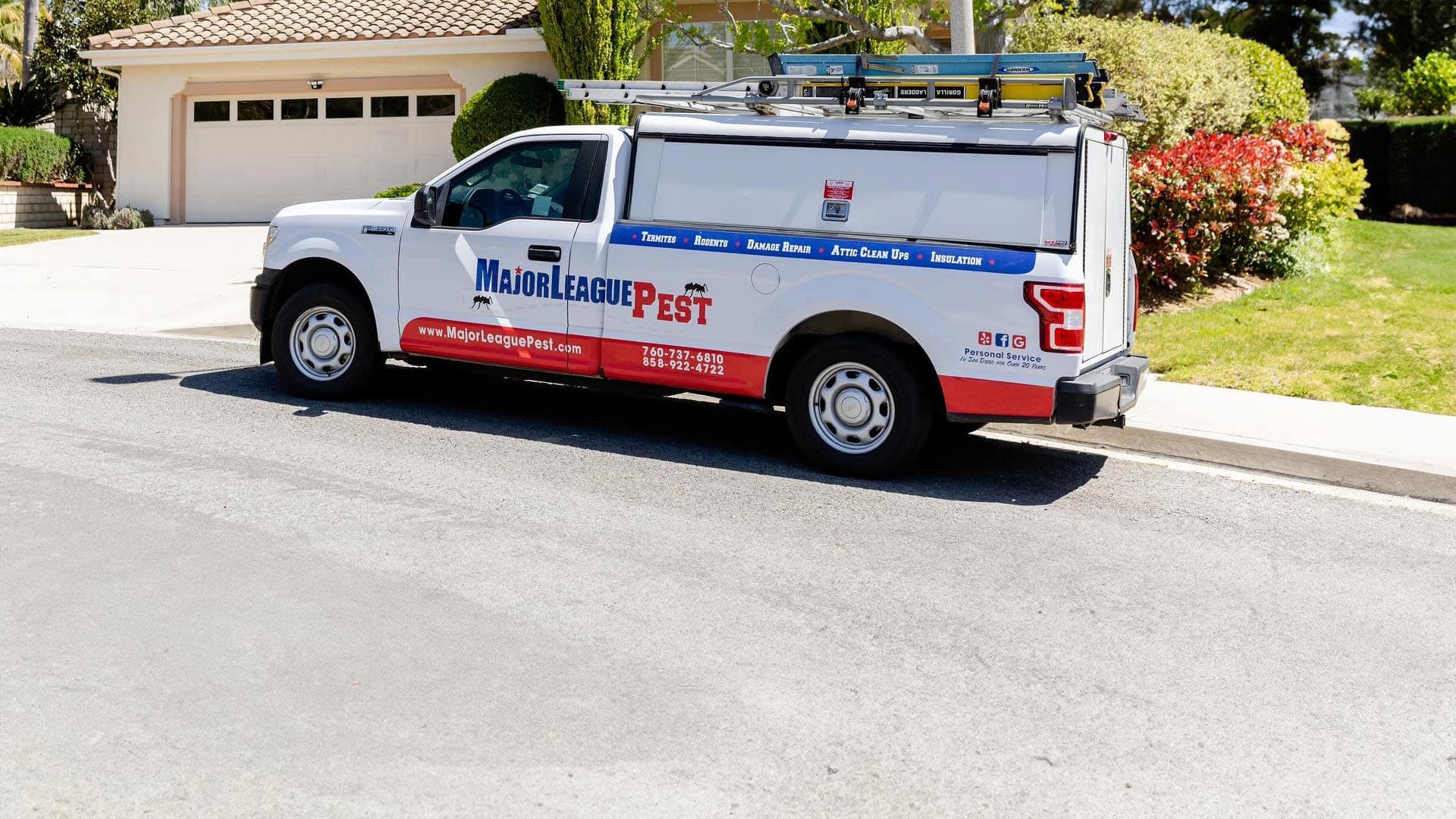
Why Carpenter Ants Become Active In Spring
Carpenter ants respond strongly to seasonal changes. Spring provides the conditions they need to expand colonies and explore new nesting sites.
Several factors contribute to their increased activity:
- Warmer temperatures that stimulate movement and foraging
- Moisture buildup from seasonal rain that softens wood
- Availability of food sources both indoors and outdoors
- Expansion of existing colonies into new areas
- Increased visibility due to swarming behavior
Unlike termites, carpenter ants do not consume wood. Instead, they tunnel through it to create nests. Over time, this activity can weaken structural components if left unaddressed.
Their presence often signals underlying issues such as moisture damage or wood decay. Recognizing these conditions early is essential for effective pest control.
Signs Of A Carpenter Ant Infestation
Carpenter ants are not always easy to detect at first. They tend to remain hidden within wood structures, emerging primarily when foraging.
Common indicators include:
- Large black or dark colored ants appearing indoors
- Sawdust-like material near wooden structures
- Faint rustling sounds inside walls or ceilings
- Presence of winged ants during spring swarming
- Trails of ants moving between indoor and outdoor areas
These signs often indicate that a colony is already established nearby. The longer the activity continues, the more extensive the damage may become.
Because carpenter ants often nest in hidden areas, identifying the full extent of the infestation requires careful inspection.
Professional Pest Control Methods For Carpenter Ants
Effective pest control for carpenter ants involves a structured approach that goes beyond eliminating visible ants. The goal is to locate the colony and disrupt its activity at the source.
Professional methods typically include:
- Detailed inspection to identify nesting locations and entry points
- Targeted treatments applied directly to affected areas
- Monitoring of ant activity to track changes over time
- Identification of environmental factors contributing to infestation
- Adjustments to treatment strategies based on findings
This process ensures that the infestation is addressed thoroughly. Simply removing visible ants does not eliminate the colony, which is why a deeper approach is necessary.
Understanding how ant behavior influences treatment decisions can also provide insight. For example, this resource on spring ant prevention tips explains how seasonal conditions affect ant activity and why timing matters.
Professional pest control focuses on long-term results by addressing both the symptoms and underlying causes.
The Role Of Ant Prevention in Long-Term Control
Ant prevention plays a critical role in reducing the likelihood of future infestations. Once carpenter ants have been addressed, maintaining an environment that is less attractive to them helps prevent recurrence.
Effective prevention strategies include:
- Reducing moisture levels around wooden structures
- Repairing damaged or decaying wood
- Sealing entry points along foundations and exterior walls
- Managing vegetation that may provide access to the home
- Maintaining consistent pest control monitoring
These steps help limit the conditions that attract carpenter ants. However, prevention is most effective when combined with regular inspection and professional oversight.
Choosing the right approach to pest control also matters. This guide on eco pest control options highlights how different strategies can be tailored to specific needs while maintaining effectiveness.
Consistency is key. Even after an infestation is resolved, ongoing attention ensures that new activity is detected early.
Why A Professional Approach Delivers Better Results
Carpenter ants require a level of precision that is difficult to achieve without experience and proper tools. Their nesting habits and ability to remain hidden make them challenging to manage with basic methods.
A professional approach offers several advantages:
- Accurate identification of nesting sites and colony size
- Use of targeted treatments that reach hidden areas
- Ability to address multiple colonies if present
- Ongoing monitoring to ensure effectiveness
- Integration of prevention strategies for long-term control
This level of detail helps ensure that the problem is resolved completely rather than temporarily reduced. It also provides a clearer understanding of how to maintain protection moving forward.
Carpenter ants are not just a seasonal inconvenience. They represent a structural concern that requires careful management. Addressing them early with a structured plan helps protect the home and reduce the risk of further damage.
Build a stronger defense this spring
If you are noticing signs of carpenter ants or want to prevent them from becoming a problem, a professional approach can make a lasting difference. Connect with Major League Pest to explore pest control and ant prevention strategies designed for reliable, long-term results.
