
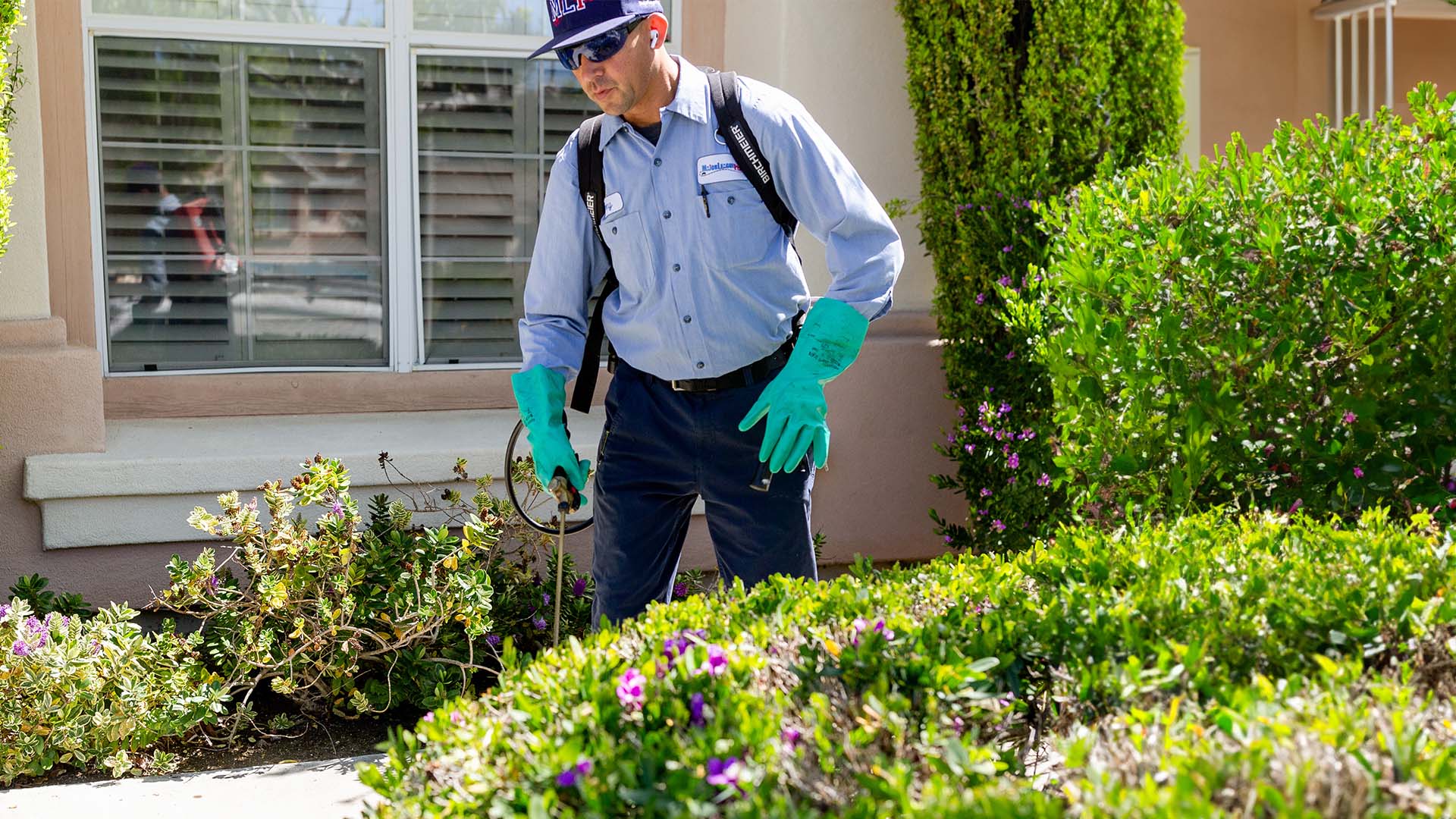
A professional approach considers every phase of an ant’s lifecycle to eliminate colonies completely. This article explores why multiple treatments are essential for effective ant control, how environmental factors contribute to infestations, and why expert strategies always deliver the most reliable long-term results.
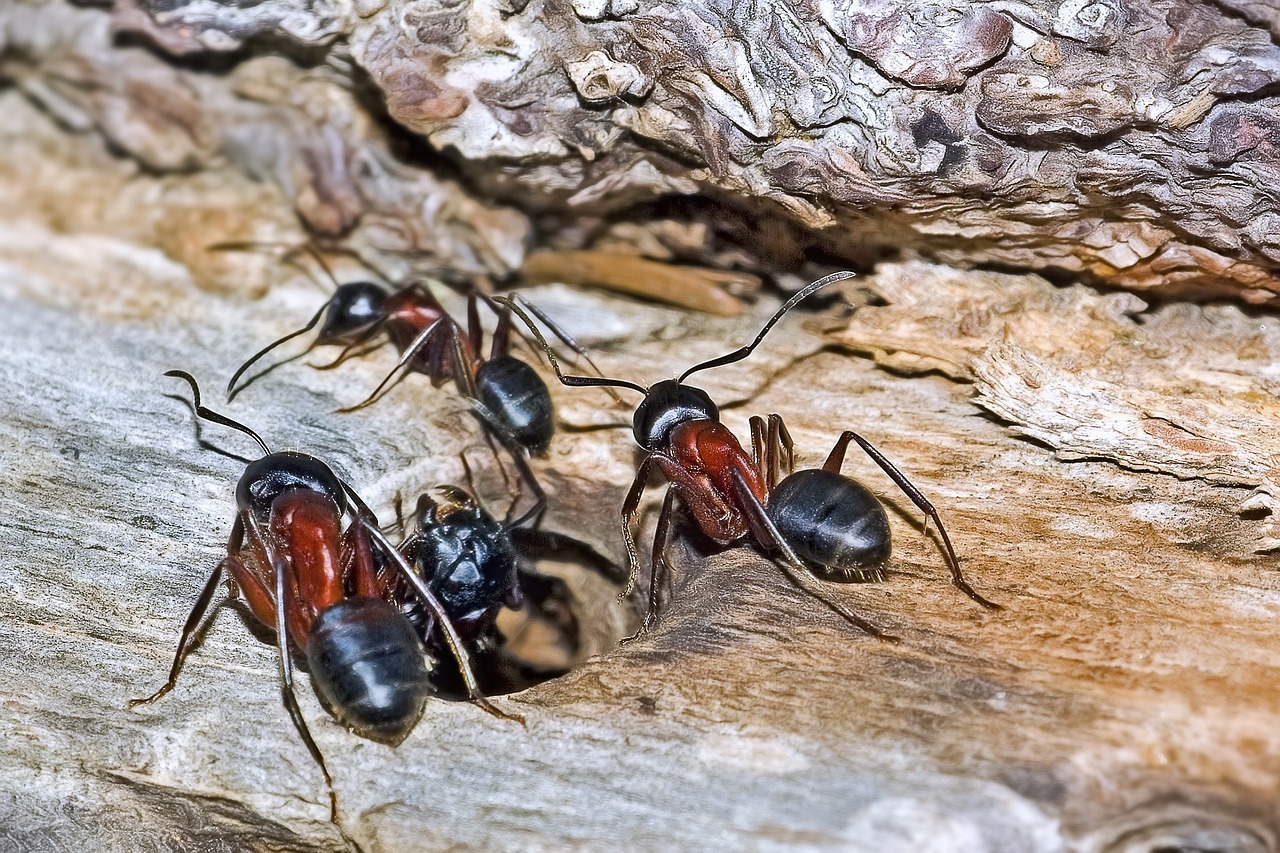
Understanding the Ant Lifecycle
Ant colonies operate with precision. Each member plays a specific role, from foraging for food to nurturing new generations. Their lifecycle consists of four stages: egg, larva, pupa, and adult. Because each stage develops at different speeds, treatment must target every layer of the colony, not just what you can see.
Key stages include:
- Eggs: The queen produces hundreds or even thousands, hidden deep inside the nest.
- Larvae: Fed by worker ants, larvae mature in protected areas that are rarely accessible.
- Pupae: Transitioning ants that develop into adults, often untouched by surface treatments.
- Adults: These include workers, soldiers, and reproductives responsible for expanding colonies.
When treatments only affect adult ants, younger stages survive and soon emerge as a new generation. This is why infestations appear to “come back” even after they seem resolved. Professionals time treatments to match this lifecycle, ensuring that newly hatched ants are also eradicated.
Why Single Treatments Often Fail
One-time pest control applications can reduce visible ant activity, but colonies quickly rebound. Most homeowners do not realize that several satellite nests may exist around the main colony. These hidden areas are often unaffected by sprays or bait treatments.
Common reasons for ineffective results include:
- Limited reach: Store-bought sprays target only visible ants, not hidden colonies.
- Nest relocation: Disturbing one nest causes the colony to split and relocate, creating multiple infestations.
- Incomplete timing: Treatments that miss certain lifecycle stages allow populations to recover.
- Environmental conditions: Moisture, heat, or food availability encourage re-infestation.
Professionals understand that pest problems rarely exist in isolation. Multi-step treatments ensure that every phase of the lifecycle and every nest location is addressed. For broader pest challenges across homes and businesses, it helps to recognize the value of professional pest control services that manage multiple species under one plan.
What Multiple Treatments Involve
Comprehensive ant control involves a series of strategic visits, each with a specific goal. These treatments work together to eliminate existing colonies, prevent reproduction, and remove access points that attract new infestations.
Here’s what a complete treatment plan typically includes:
- Inspection and identification: Locating the nests, identifying the ant species, and determining entry points.
- Initial application: Treating high-activity zones and laying baits to reach worker ants that return food to the colony.
- Follow-up treatments: Targeting emerging ants from pupae and newly active nests missed during the first application.
- Prevention measures: Sealing cracks, addressing moisture problems, and reducing food sources.
Because ants breed quickly, follow-up visits are crucial for sustained results. Multi-treatment programs are timed according to the colony’s growth patterns and environmental factors, ensuring complete disruption of their life cycle.
The Influence of Seasonal and Environmental Factors
The Southern California climate makes ant infestations a year-round concern. Warm temperatures, minimal frost, and urban landscaping provide ideal nesting conditions. Ants move indoors when outdoor food or moisture becomes limited, often during late summer and early fall.
Environmental triggers that fuel infestations include:
- Increased humidity encourages subterranean nesting.
- Poor drainage or leaky pipes create damp conditions.
- Landscaping that connects soil directly to a home’s foundation.
- Food residue or pet feed attracts foraging ants.
Professional technicians evaluate these contributing factors during inspections. This environmental awareness allows them to develop customized strategies that prevent reinfestation. Property owners who rely solely on DIY methods rarely address these underlying conditions, leading to repetitive ant activity.
The Importance of Consistent Professional Follow-Up
Ant infestations rarely vanish overnight. Even with powerful treatments, reinspection and follow-up visits ensure success. Professional pest technicians return to verify progress, treat missed areas, and monitor potential new colonies. This consistent oversight is what sets long-term control apart from temporary relief.
Another benefit of professional oversight is the inclusion of retreatment warranties. These guarantees assure homeowners that if ants return within a specified period, additional services will be provided at no cost. Learning about retreatment guarantees helps property owners understand how maintenance plans protect their investment and maintain pest-free conditions throughout the year.
Multiple treatments are not a sign of inefficiency but of precision. Each application corresponds to specific lifecycle phases or environmental shifts. The result is a stronger barrier of protection and reduced risk of re-infestation.
Long-Term Ant Prevention Tips
To keep ants from returning after professional service, homeowners can take proactive steps that support long-term success:
- Keep kitchens clean and free of crumbs.
- Store food in sealed containers.
- Remove trash regularly and clean bins.
- Fix leaky faucets and eliminate moisture buildup.
- Trim shrubs and branches touching the home.
These simple practices, when paired with professional maintenance, ensure continuous protection and a healthier indoor environment.
Take Control With Expertise
To stop ants at every stage of their lifecycle and protect your property effectively, partner with trusted professionals who deploy full-cycle strategies and monitoring. For expert ant control solutions tailored to your needs, contact Major League Pest today.
