
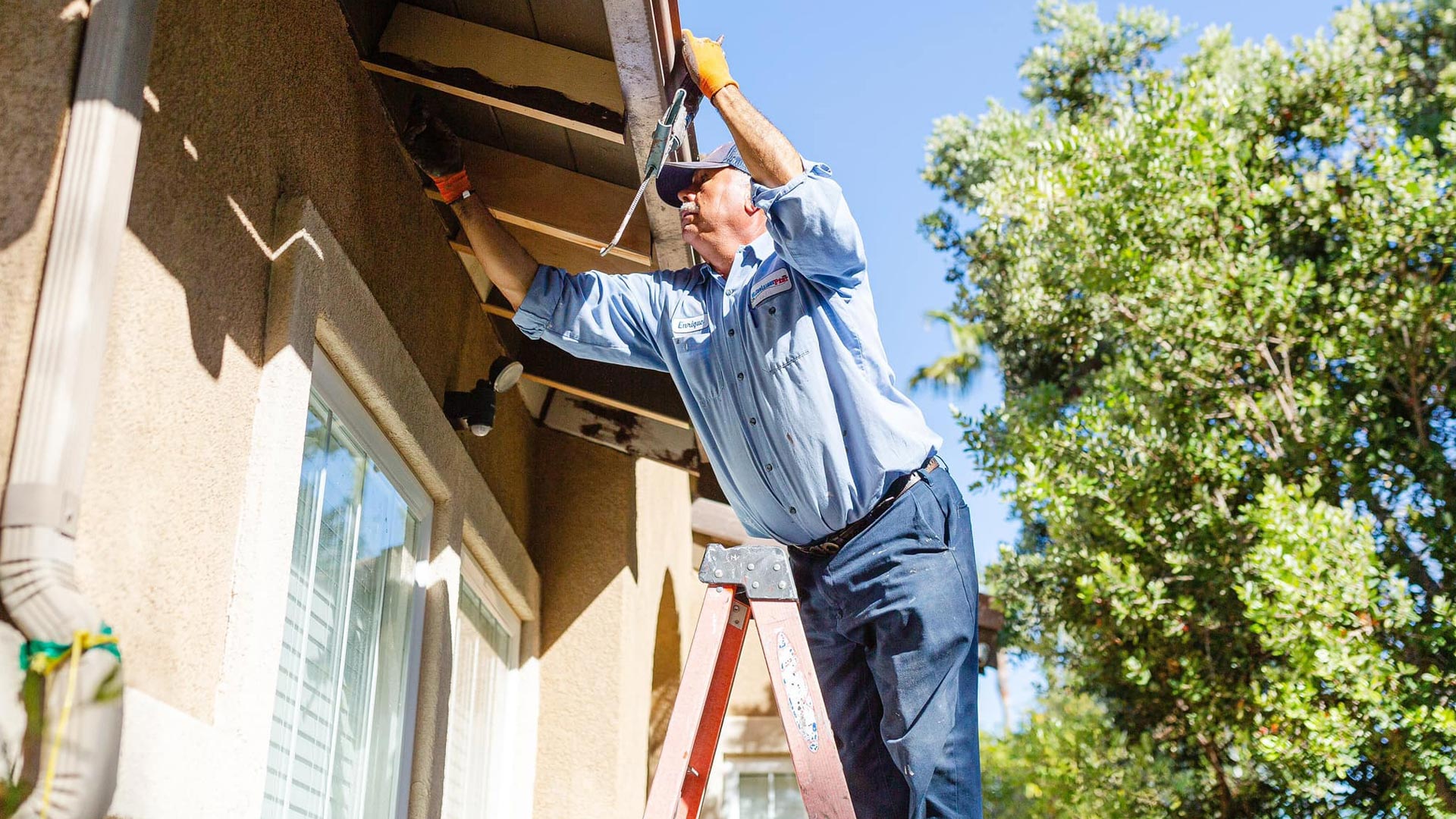
Spring weather creates ideal conditions for ants, termites, spiders, mosquitoes, rodents, and other common invaders. Warmer soil temperatures encourage nesting and reproduction, while rain increases moisture around foundations. Taking proactive steps outside can significantly reduce the likelihood of pests entering your home.
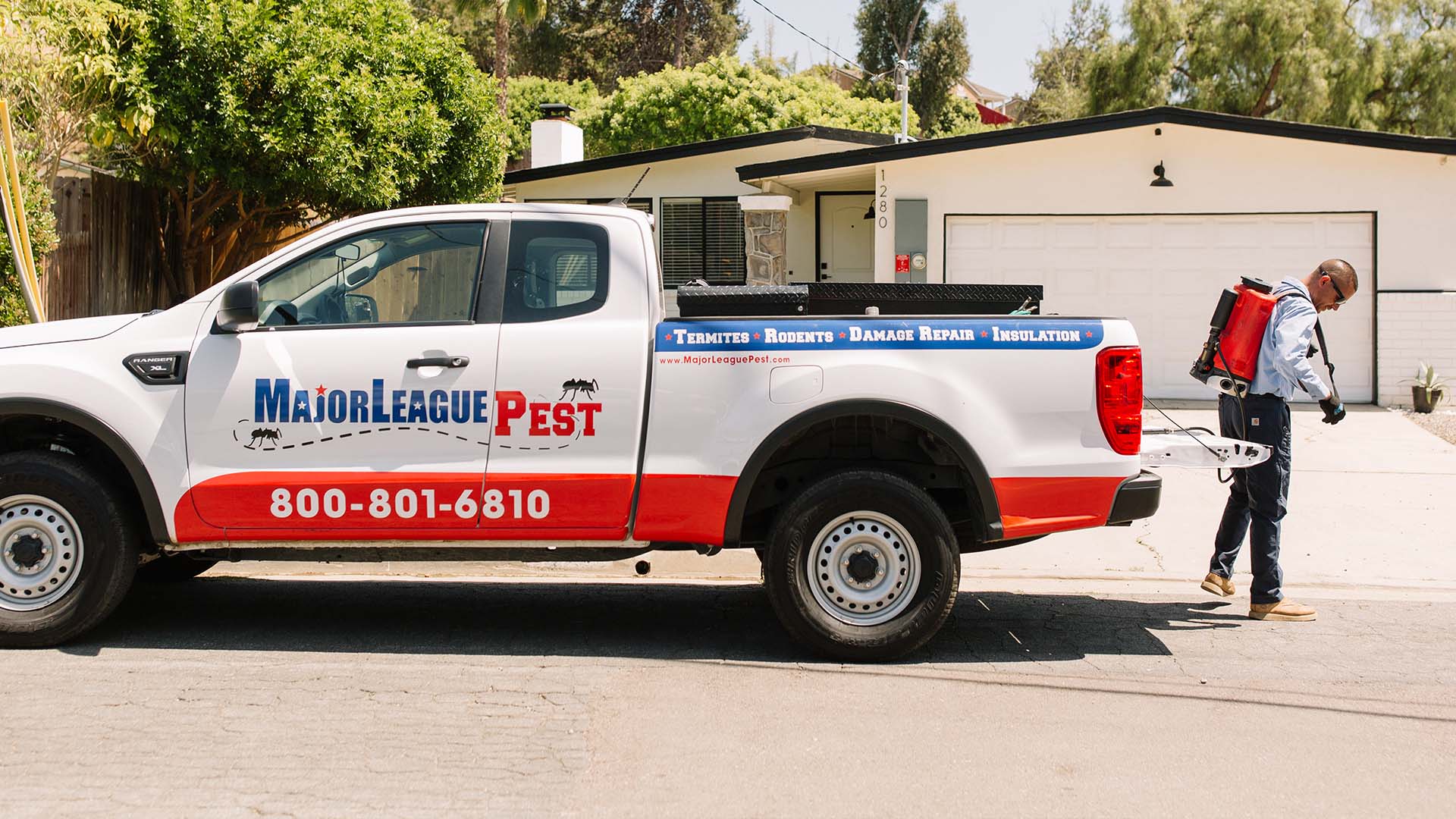
Inspecting the Foundation and Entry Points
The foundation serves as the first line of defense against pests. Small cracks, gaps, and structural weaknesses can provide easy access.
Key areas to examine include:
- expansion joints and foundation cracks
- gaps around utility penetrations
- damaged weather stripping near doors
- loose siding or deteriorated trim
Even minor openings can allow ants, spiders, and cockroaches to enter. Rodents may exploit larger gaps around vents or garage doors. Sealing these vulnerabilities before peak activity season strengthens overall spring pest control efforts.
Pay close attention to areas where soil meets siding. Termites and other wood-destroying insects often travel along these transitions. Maintaining proper clearance between soil and exterior walls reduces risk.
Professional inspections often identify subtle vulnerabilities that homeowners overlook. Structural awareness is essential in preventing infestations before they begin.
Managing Landscaping to Reduce Pest Pressure
Landscaping choices directly influence pest activity. Dense vegetation, excessive mulch, and unmanaged debris create shelter and moisture retention zones.
To prepare your yard for spring pest control:
- trim shrubs and branches away from siding
- remove leaf litter and organic debris
- avoid piling mulch directly against foundations
- keep firewood stored away from the home
Mosquitoes thrive in standing water, so check birdbaths, planters, and clogged gutters. Rodents may nest in overgrown areas near structures. Fire ants and other ground-nesting insects often establish colonies in undisturbed soil.
By modifying landscaping conditions, homeowners reduce the environmental factors that attract pests. However, some infestations develop despite careful maintenance. Professional guidance ensures that exterior treatment plans align with local pest pressures.
Addressing Moisture and Drainage Issues
Moisture is one of the most powerful drivers of pest activity. Termites, ants, cockroaches, and mosquitoes all rely on water sources to survive.
Focus on correcting these common moisture issues:
- ensure gutters and downspouts direct water away from foundations
- repair leaking outdoor faucets promptly
- confirm that yard grading slopes away from the structure
- ventilate crawl spaces properly
Excess moisture softens wood, attracts insects, and creates conducive conditions for nesting. Early spring rains can saturate soil around foundations, increasing termite risk.
When evaluating exterior pest control strategies, safety also matters. Many homeowners are concerned about treatments near pets and children. Understanding how professionals approach safety can provide reassurance. For helpful insight, explore guidance on pet-safe treatments.
Professional spring pest control programs consider both effectiveness and occupant safety.
Monitoring Seasonal Pest Trends
Spring marks the beginning of heightened pest pressure, but activity continues throughout the year. Ants may become visible first, followed by termites, spiders, and mosquitoes as temperatures stabilize.
Effective exterior preparation includes:
- scheduling routine inspections during peak seasons
- installing monitoring stations where appropriate
- documenting changes in pest activity
- adjusting treatments as weather patterns shift
One-time treatments may offer temporary relief, but ongoing maintenance typically provides stronger long-term protection. Seasonal shifts influence pest behavior, and monitoring ensures that prevention strategies evolve accordingly.
For a deeper understanding of why consistency matters, review this discussion on maintenance versus one-time. Structured service programs often reduce recurring infestations by addressing issues proactively rather than reactively.
Exterior preparation combined with routine oversight creates a comprehensive defense system.
Integrating Exterior and Interior Protection
While exterior preparation forms the foundation of spring pest control, it must work in conjunction with interior monitoring. Pests that bypass exterior defenses can establish hidden nesting sites within walls, attics, and crawl spaces.
Integrated pest management addresses both zones simultaneously. Common pests managed through comprehensive programs include ants, termites, spiders, rodents, cockroaches, mosquitoes, and stinging insects.
Professional services assess how exterior conditions influence interior vulnerability. For example, foundation cracks may allow ants indoors, while poorly sealed vents may invite rodents. Coordinated treatment strengthens the entire property.
By preparing the exterior before pest populations peak, homeowners reduce the need for intensive interior intervention later in the season. Prevention remains more efficient than remediation.
Spring pest control is not limited to applying treatments. It involves understanding environmental triggers, structural conditions, and seasonal patterns. Thoughtful preparation outside the home significantly lowers the likelihood of persistent infestations.
Protect Your Home Before Pests Gain Ground
Prepare your property for spring pest control by contacting Major League Pest for a professional exterior inspection and customized prevention plan tailored to your home.
