
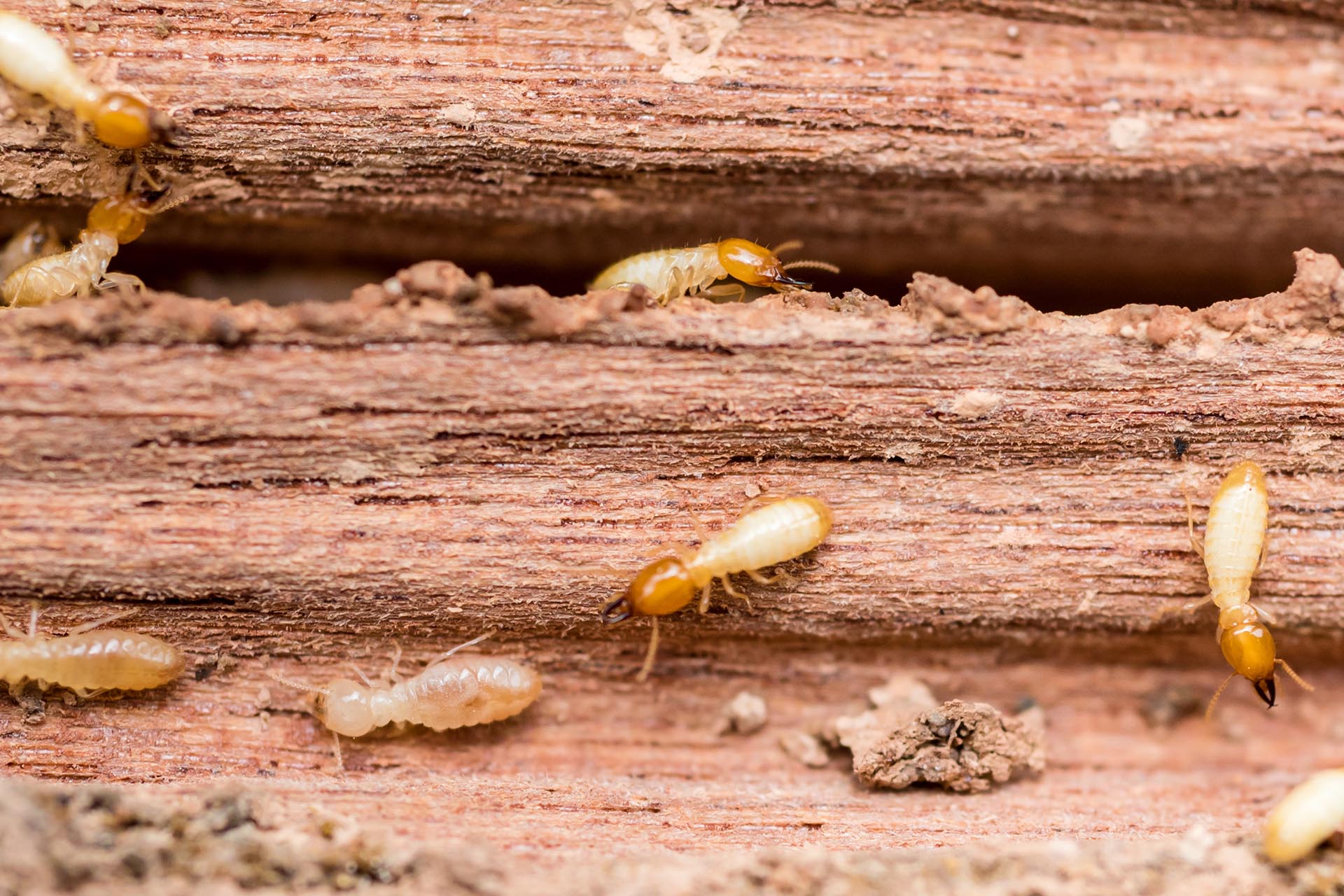
Homes provide termites with what they need to survive: wood, moisture, and stable temperatures. Because these insects feed from the inside out, their presence can remain hidden for months. Many homeowners assume that if wood looks fine on the surface, it must be sound. In reality, termites can hollow out framing, trim, and subflooring while leaving a thin exterior layer intact. The goal of early awareness is not to diagnose an infestation alone. It is to recognize when signs point to a risk that deserves professional evaluation.
Why Early Detection of Termite Activity Matters
Termite colonies grow steadily and can cause significant damage before homeowners realize there is an issue. Early termite activity often occurs in hidden areas such as wall voids, crawl spaces, basements, and beneath flooring. During this phase, damage accumulates silently and can compromise the structure that supports your home.
Early detection allows for targeted intervention before termites reach higher value or higher risk areas, such as load-bearing framing, stair stringers, sill plates, or structural supports. It also helps reduce the scope of work required to restore affected wood. Even when repairs are not immediately needed, early detection can prevent a small problem from spreading into multiple areas of the home.
Another reason early detection matters is that termites do not simply “move on” once they find a consistent food source. If moisture, wood contact, or entry pathways remain unchanged, activity often continues and expands. This is why consistent inspection and timely response are more reliable than waiting for obvious damage.
Visible Clues That Suggest Termite Presence
While termites prefer to remain hidden, they leave behind signs that can be spotted with a careful look around the home. These clues are often overlooked because they resemble normal wear, settling, or minor water issues.
- Mud tubes along foundations, walls, or crawl space supports
- Hollow sounding wood when tapped
- Peeling paint that resembles water damage
- Small piles of discarded wings near windows or doors
Mud tubes are one of the most recognizable indicators of subterranean termites. They use these shelter tubes to move between soil and wood while staying protected and maintaining humidity. Tubes may run along foundation walls, behind stored items in basements, or on crawl space supports where they are not immediately visible.
Subtle Indoor Signs Homeowners Often Miss
Not all termite activity leaves obvious exterior clues. Indoors, termites can cause changes that are easy to dismiss unless viewed through an expert lens. These signs do not always confirm termites, but they can justify a closer inspection.
- Doors or windows becoming difficult to open
- Buckling or blistering wood surfaces
- Faint clicking sounds within walls
- Fine wood dust near baseboards or trim
Doors and windows may stick as termites weaken wood components and alter alignment. Buckling or blistering can occur when damaged wood changes shape or when moisture conditions that support termites also affect finished surfaces. In some situations, faint sounds may be heard in quiet rooms, especially at night. Termites can produce subtle noises as they move within galleries or when soldiers react to disturbance. Fine dust near trim or flooring can sometimes be linked to termite activity, though it can also be caused by other wood-damaging pests, which is why professional identification matters.
Homeowners should pay attention to patterns. For example, one sticking door may be normal, but a series of changes across multiple rooms combined with other warning signs can suggest deeper issues.
How Moisture Contributes to Termite Risk
Moisture plays a central role in termite survival. Areas with excess moisture attract termites and allow colonies to thrive undetected. Homes with drainage issues, plumbing leaks, poor ventilation, or frequent condensation can experience a higher risk.
Termites are drawn to damp wood because it is easier to consume and provides the humidity they need to survive. Basements, crawl spaces, and areas around plumbing penetrations are common risk zones. Yard conditions matter too. Soil grading that directs water toward the foundation, clogged gutters, and downspouts that discharge too close to the home can increase moisture near structural wood.
Many homeowners focus on visible leaks, but humidity and slow seepage can also contribute. A damp crawl space, persistent condensation on pipes, or soft soil near the foundation can create favorable conditions even when no obvious leak is present. Guidance around moisture-related vulnerabilities is discussed in moisture-driven termite risk, which highlights why moisture control is a core part of long term prevention.
Managing moisture reduces the likelihood of infestation but does not eliminate existing colonies. Moisture awareness is most effective when paired with regular inspection and monitoring.
Why Ongoing Monitoring Makes a Difference
Termite activity does not resolve on its own. Colonies remain active year round, even when signs appear minimal. Ongoing monitoring allows professionals to track changes, identify early warning signals, and respond before damage escalates.
Termites can be especially challenging because activity is not always consistent in one location. A colony may feed in one area for a period, then shift to another section of the home as conditions change. Monitoring helps professionals identify where pressure is building and whether environmental factors are increasing risk.
Regular evaluation is particularly valuable for homes with wood contact near soil, older construction, previous moisture issues, or properties in termite active areas. Preventive strategies align with principles described in routine pest maintenance, where consistent oversight helps reduce surprise infestations and long-term damage.
Professional monitoring also helps clarify what homeowners may misinterpret. Not every suspicious sign is termite-related, and not every termite issue is visible without trained inspection. An expert evaluation provides accurate identification, targeted recommendations, and a plan that matches the home’s risk profile.
Protecting Your Home Before Damage Spreads
Early termite activity is easy to miss but costly to ignore. Recognizing subtle warning signs and understanding how moisture and structure influence risk helps homeowners act before damage becomes severe. For thorough inspection and expert guidance, contact Major League Pest to safeguard your home with professional insight and proven solutions.
