
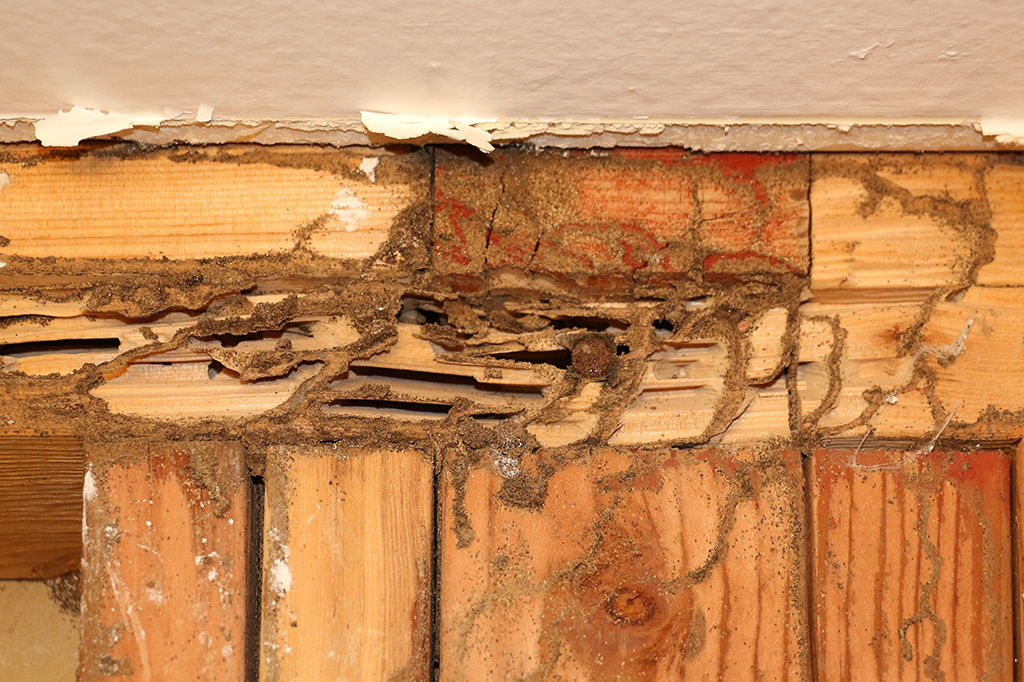
Moisture-linked infestations become even more concerning when they develop in structurally important areas. Floor joists, subfloor materials, and support beams are especially vulnerable because softened wood allows termites to eat through it faster and with less resistance. Recognizing these early patterns helps prevent widespread damage.
Why Moisture Draws Termites Into Structural Spaces
Termites are highly dependent on water, not only for survival but also for mobility. When moisture builds up around a home, it creates predictable pathways that termites follow. These pathways are often hidden from view, making infestations difficult to detect until significant damage has occurred.
Moisture around the foundation is the most common starter point. Leaking hoses, poor drainage, or clogged gutters can produce a consistently damp soil line that attracts foraging termites. Once they locate softened ground or damp wood, they begin constructing shelter tubes to extend their reach.
Insulation that absorbs moisture can also create micro environments that termites find suitable. Homeowners often miss the connection between moisture retention and pest attraction. This issue is discussed further in insights related to pest-friendly insulation, which highlight how building materials can unintentionally support pest activity when they hold moisture.
Warning Signs of Moisture-Driven Termite Activity
Moisture-related termite activity often produces early indicators long before the infestation becomes severe. Recognizing these signs helps guide responsive action that limits spreading into new areas.
Common indicators include:
- Paint that buckles or appears blistered due to moisture trapped behind the surface
- Small piles of wood dust or thin mud structures along foundation surfaces
- Hollow-sounding wood when tapped or a sudden softness in flooring materials
Another red flag is the appearance of winged termites during warm spells. Even in cooler seasons, a sudden presence of discarded wings near windowsills signals colony expansion. Moisture accelerates this process by allowing termites to reproduce rapidly.
Despite noticing these clues, many homeowners underestimate the speed at which moisture can help termites travel through framing and support beams. Without targeted intervention, the colony can grow faster than expected.
Professional insight is particularly valuable because trained specialists understand how humidity levels influence termite behavior. Moisture readings, wood probing techniques, and structural assessments reveal conditions that are easy to overlook without experience.
High Risk Areas Where Moisture Accelerates Damage
Termites exploit moisture wherever it is consistent. Some locations inside and around a home naturally retain more humidity, making them prime feeding and nesting zones.
Areas that require close attention include:
- Foundations with poor grading or soil that slopes toward the structure
- Bathrooms, laundry rooms, and kitchens where plumbing creates steady dampness
- Attics with inadequate ventilation that allow condensation to linger
Termites often enter through soil grades that direct water toward siding or foundational walls. Even slight pooling after rainfall can create conditions that support ongoing activity. Once inside, they gravitate toward plumbing lines, crawl spaces, and areas where humidity collects.
Another concern involves materials that hold moisture longer than expected. Certain insulation types, older wood products, and debris along the exterior all retain water more easily. These pockets act as stepping stones for new colonies. This concern connects to our professional guidance on risks of DIY treatments, which explains why moisture-linked infestations require trained intervention rather than improvised responses.
Because moisture-driven termite damage often begins in concealed areas, the earliest stages can remain invisible. By the time visible structural symptoms appear, the internal destruction is usually more advanced.
How Moisture Increases Colony Survival and Spread
Moisture supports termite survival by regulating temperature and protecting insects from natural dehydration. When water is readily available, colonies adapt quickly and spread through areas they might not otherwise reach. This ability to use moisture as a protective shield is one of the reasons infestations become more complex as they grow.
Moisture also softens wood fibers. Termites consume softened material faster and with less effort, increasing their feeding rate. Over time, this creates long tunnels that weaken support structures and compromise stability. Damp wood termites and subterranean termites benefit from these softened surfaces in different ways, but both exploit moisture to advance deeper into structural components.
Colonies also produce more reproductive members when moisture levels remain steady. The combination of softened wood and stable humidity creates an ideal breeding environment. Increased reproduction means faster spread and more overlapping generations working through the structure.
These environmental advantages explain why termite control requires precision. Moisture changes how colonies behave, where they travel, and how quickly they expand. Addressing infestations effectively requires not only locating active colonies but also identifying the moisture sources that support them.
Steps That Strengthen Moisture-Oriented Termite Control
Reducing moisture is essential for weakening termite survival and preventing new colonies from forming. These prevention principles are most effective when paired with expert oversight that identifies structural risks and monitors activity levels.
Homeowners can strengthen protection by:
- Improving drainage and ensuring downspouts direct water away from the home
- Repairing leaks around plumbing fixtures and maintaining dry zones beneath sinks
- Increasing ventilation in attics and crawl spaces to reduce trapped humidity
Exterior maintenance also plays a role. Clearing debris piles, removing waterlogged wood, and maintaining a dry perimeter around the foundation reduce opportunities for hidden activity.
Even with consistent upkeep, moisture can collect in unexpected areas behind walls, within structural beams, or beneath flooring. This is why termite control benefits significantly from trained professionals who use tools and assessments that detect moisture sources early. The combination of structural evaluation and moisture management is the most reliable way to keep colonies from gaining a foothold.
When Moisture Creates a Termite Stronghold
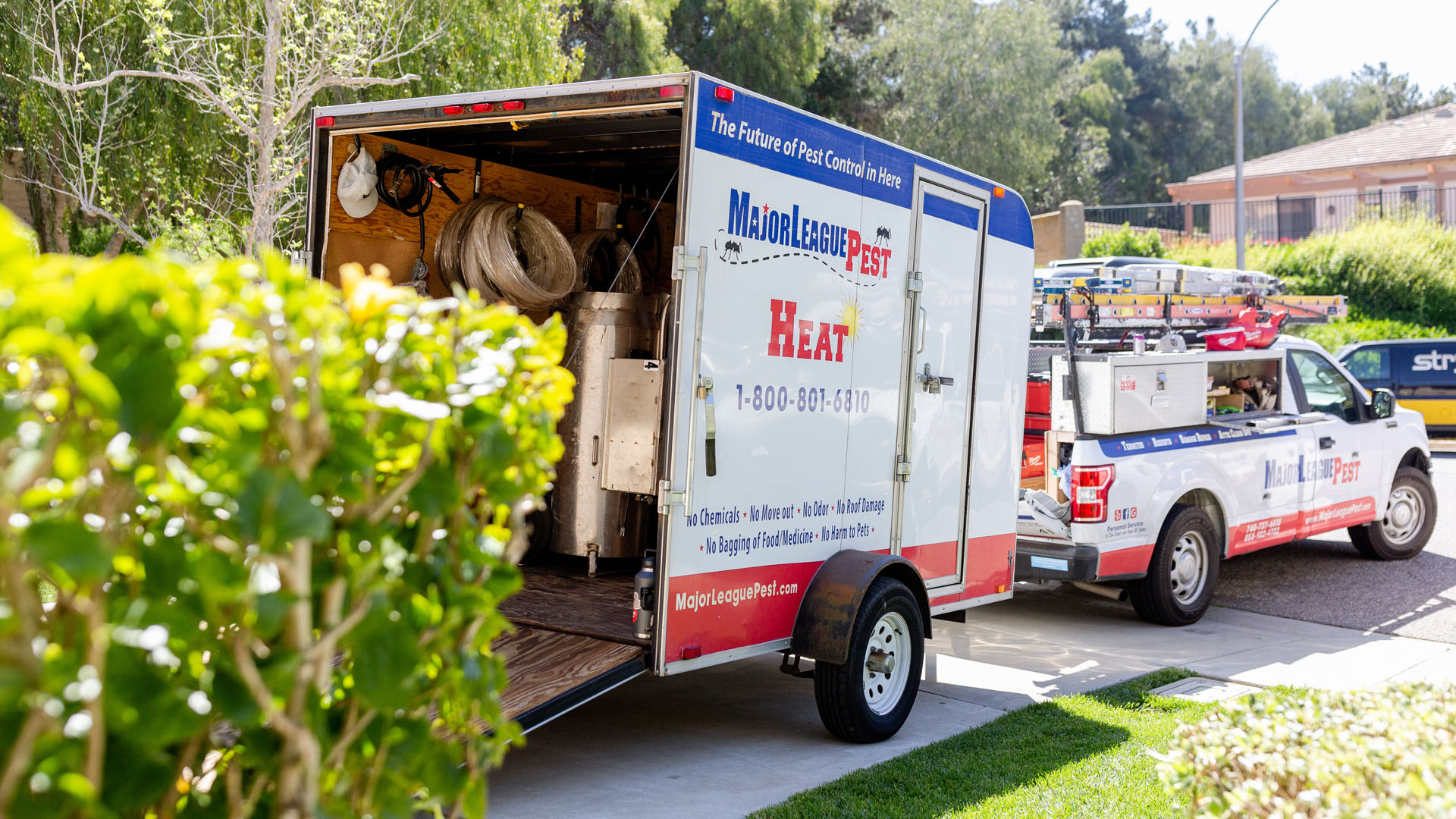
If you suspect that moisture is drawing termites into your home, timely intervention makes all the difference. Contact Major League Pest for trained evaluation and targeted solutions that address the root of the problem.
