

Homeowners often underestimate how easily rats and mice can infiltrate a property. A gap the size of a coin can become an open door to nesting and contamination. Investing in rodent exclusion not only keeps pests out but also saves significant costs over time by preventing structural damage, electrical hazards, and recurring pest control treatments.
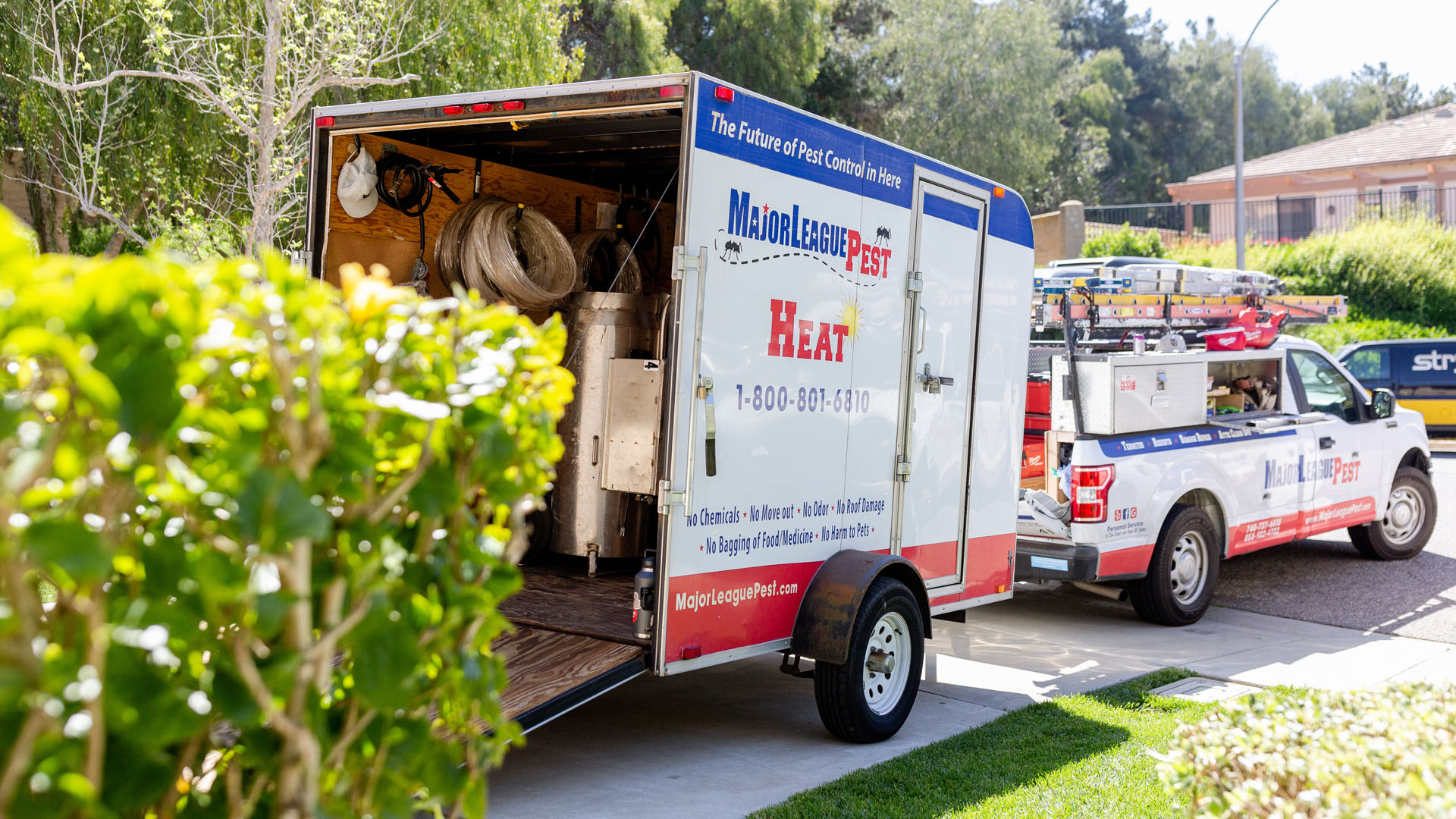
Understanding Rodent Exclusion and Its Importance
Rodent exclusion is a strategic approach that focuses on blocking access rather than relying solely on traps or poisons. It involves locating the cracks, gaps, and holes rodents use to enter and sealing them with durable materials that withstand gnawing and weather exposure.
This process also includes assessing potential attractants such as food sources, insulation gaps, and outdoor clutter that can draw rodents close to the property. By eliminating access and reducing attractants, exclusion acts as a permanent line of defense.
Rodents are persistent, adaptive, and capable of squeezing through incredibly small openings. Without sealing, even regular pest control visits may only offer temporary relief. Long-term protection depends on building a barrier that physically prevents rodents from entering in the first place.
Common Damage and Hidden Costs of Rodent Infestations
Rodents are more than just a nuisance. Their nesting, chewing, and contaminating habits can compromise a home’s safety and integrity. The financial and health consequences often extend far beyond initial cleanup costs.
Typical problems caused by unchecked infestations include:
- Electrical hazards. Rodents chew through wiring, leading to potential fire risks and costly repairs.
- Insulation damage. Nesting within walls or attics reduces energy efficiency and increases heating costs.
- Food contamination. Droppings and urine spread bacteria that can make pantry items unsafe.
- Structural harm. Chewed wood and drywall can weaken key parts of the building over time.
- Health concerns. Rodents are carriers of diseases such as hantavirus and salmonella.
These damages accumulate quietly, often before the infestation is discovered. Professional inspection and exclusion can prevent such costly surprises while maintaining a cleaner, healthier environment.
Why Sealing Entry Points is the Smartest Investment
Sealing is the foundation of effective rodent exclusion. It not only keeps current pests out but also prevents others from detecting scent trails left behind. The process requires precision because rodents can detect airflow and scent changes that lead them to gaps around plumbing, vents, and foundations.
Comprehensive sealing typically covers:
- Gaps around doors and windows using weather stripping and metal flashing.
- Foundation cracks and utility penetrations sealed with steel wool, concrete, or mesh.
- Roof and attic openings where rodents often enter through vents or loose shingles.
- Garage doors and crawl spaces that offer easy shelter if left unprotected.
When done professionally, sealing eliminates the cycle of recurring infestations that often frustrates homeowners. It also strengthens the property’s overall pest resilience against other intruders, such as ants and cockroaches, by reducing shared access points.
Preventive maintenance during seasonal changes, particularly before winter, enhances the impact of these efforts. Learn more about how timing improves exclusion success by reviewing this discussion on seasonal pest proofing.
The Long-Term Financial Benefits of Professional Exclusion
Rodent exclusion is one of the few pest control methods that pays for itself. Instead of paying for repeated exterminations or extensive repairs, homeowners can secure their property with a single, thorough sealing program.
The long-term financial advantages include:
- Reduced maintenance costs. Fewer infestations mean less need for repairs to insulation, wiring, and drywall.
- Lower pest control expenses. Once exclusion barriers are in place, treatment frequency and product use decrease dramatically.
- Energy efficiency. Proper sealing prevents air leaks, keeping homes warmer in winter and cooler in summer.
- Preserved property value. Regular inspection and exclusion show prospective buyers that the home is well-maintained.
DIY sealing attempts rarely achieve these results because they often overlook smaller gaps or use materials that degrade quickly. Professionals assess structural weak points and use pest-resistant materials tested to last. Their work eliminates uncertainty and provides measurable cost savings over time.
In regions with high rodent pressure, pairing exclusion with ongoing inspections ensures protection year-round. For more insight on why consistent professional care is essential in these climates, review this article about expert pest management.
Integrating Rodent Exclusion into Comprehensive Pest Management
While rodent exclusion focuses on sealing entry points, it works best when integrated into a broader pest management plan. Professionals assess environmental conditions that may encourage rodents to return and combine preventive strategies for complete coverage.
A full pest control plan may include:
- Exterior sanitation improvements to reduce nesting materials and food availability.
- Vegetation trimming and yard cleanup to minimize hiding spots near the foundation.
- Waste management that keeps garbage bins sealed and inaccessible.
- Follow-up inspections after sealing to confirm no re-entry has occurred.
- Regular monitoring of attics, basements, and crawl spaces during high-risk seasons.
This combined strategy builds a long-term barrier that protects not only from rodents but also from other pests drawn to the same conditions. The result is a cleaner, more efficient home environment that requires less frequent intervention.
Secure Your Property with Expert Prevention
Rodent exclusion is more than a short-term fix; it is a long-term investment in property protection and peace of mind. By closing off access points, maintaining cleanliness, and staying proactive with inspections, homeowners can avoid recurring infestations and expensive damage.
For a thorough inspection and reliable exclusion service, contact Major League Pest and discover how professional sealing and preventive pest control can safeguard your property for years to come.
