
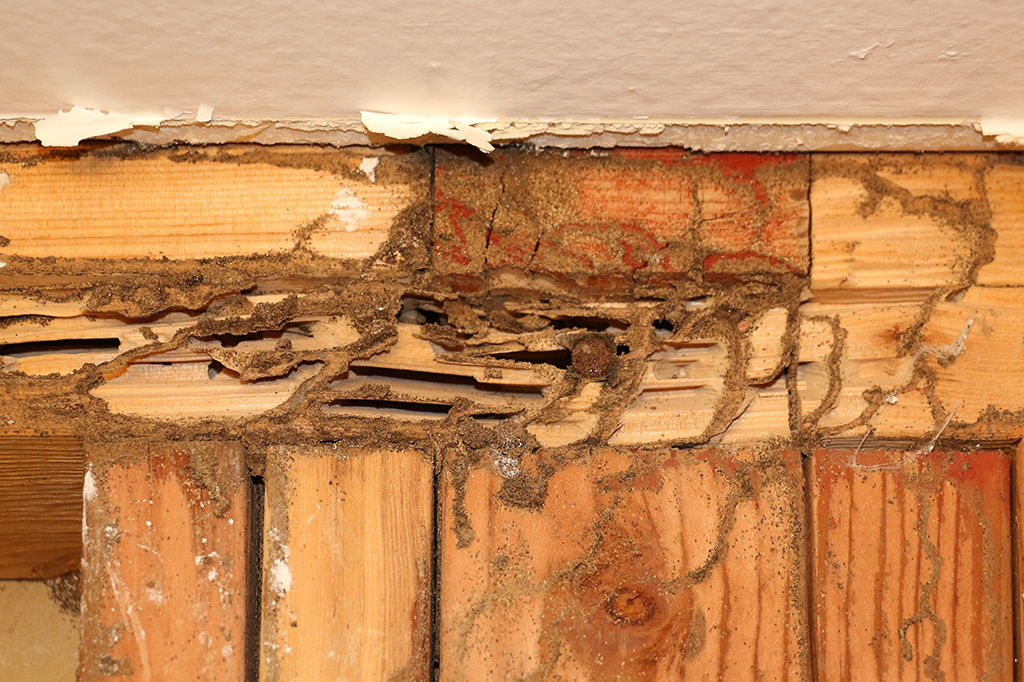
A termite infestation rarely begins with obvious signs. It develops quietly, often behind walls, beneath flooring, or within structural wood. By the time damage becomes visible, the colony has usually been active for some time. This makes one of the most common questions especially important: how long does it actually take to treat a termite infestation?
The answer depends on several factors, including the size of the colony, the type of termites involved, and the treatment method used. From an expert standpoint, effective termite control is not measured in hours or days alone, but in how thoroughly the infestation is eliminated and prevented from returning.
What Determines The Timeline Of Termite Treatment
Every termite infestation is different. Some are localized and easier to manage, while others are deeply established and require a more extensive approach.
- Size of the infestation. Larger colonies take longer to eliminate, especially if they have spread across multiple areas of the structure.
- Type of termites. Subterranean termites behave differently from drywood termites, which affects how treatments are applied and how long they take to work.
- Location of activity. Termites hidden in walls, crawl spaces, or foundations may require more time to access and treat effectively.
- Level of structural impact. Advanced infestations often involve multiple treatment phases to address both active colonies and affected materials.
- Environmental conditions. Moisture, temperature, and surrounding soil conditions can influence how quickly treatments take effect.
These variables explain why timelines can vary widely, even between properties with seemingly similar issues.
Typical Treatment Methods And How Long They Take
Different treatment strategies are used depending on the nature of the termite infestation. Each method has its own timeline and process.
- Liquid soil treatments. These create a barrier around the structure, often applied within a day, but may take several weeks to fully eliminate the colony.
- Baiting systems. Baits are placed strategically to target termite feeding behavior. This method can take several weeks to months as termites carry the treatment back to the colony.
- Wood treatments. Direct applications to affected wood can provide immediate protection but are often combined with broader methods for complete control.
- Fumigation in severe cases. This process may be completed within a few days, but preparation and follow-up inspections extend the overall timeline.
- Ongoing monitoring. Even after initial treatment, regular inspections ensure that termite activity does not return.
Understanding the relationship between treatment type and timeline helps set realistic expectations for how long the process may take.
Why Complete Elimination Takes Time
Termites operate as part of a colony, not as isolated individuals. This is why treatment must reach beyond visible activity and target the entire population.
- Colony structure is complex. Termites live in organized systems with workers, soldiers, and reproductive members, all of which must be addressed.
- Hidden movement patterns. Termites travel through soil, wood, and concealed tunnels, making them difficult to detect and eliminate quickly.
- Gradual exposure to treatments. In baiting systems, termites must carry the treatment back to the colony, which requires time to spread.
- Continued feeding behavior. Termites do not immediately stop activity after treatment begins, which can create the impression that the problem is unresolved.
- Structural areas require careful access. Treating foundations, crawl spaces, and internal structures must be done thoroughly to ensure effectiveness.
The goal is not just to reduce visible activity but to eliminate the colony entirely. This approach prioritizes long-term results over quick, temporary fixes.
Factors That Can Extend Or Shorten Treatment Time
While some termite infestations respond quickly to treatment, others require additional time due to specific conditions.
- Early detection. Infestations caught early are typically easier and faster to treat.
- Severity of damage. Extensive structural involvement often requires multiple treatment stages.
- Accessibility of affected areas. Hard-to-reach locations can extend the time needed for proper application.
- Property maintenance. Homes with moisture issues or untreated wood may experience slower results.
- Seasonal considerations. Changes in temperature and termite activity levels can influence how quickly treatments work. Preparing the property ahead of time, as discussed in this guide on spring pest preparation, can support more effective outcomes.
Each of these factors plays a role in determining how quickly a termite infestation can be fully resolved.
Long-Term Protection After Treatment
Eliminating a termite infestation is only part of the process. Preventing future activity is equally important for maintaining the integrity of the structure.
- Routine inspections help detect early signs of new activity before it becomes widespread.
- Preventive treatments maintain protective barriers around the home.
- Addressing moisture issues reduces conditions that attract termites.
- Monitoring structural wood ensures that any changes are identified promptly.
- Understanding related damage risks provides a clearer picture of long-term protection. This becomes especially relevant when reviewing how termites interact with structural issues in our resource about wood damage risks.
A consistent, proactive approach helps ensure that the results of treatment remain effective over time.
A Clear Path Toward Lasting Termite Control
Treating a termite infestation is not an instant process, but a carefully structured one designed to eliminate the colony and protect the property moving forward. Timelines vary, but the focus remains on thorough, reliable results.
For a detailed assessment and effective treatment plan, contact Major League Pest and explore solutions designed to protect your home from ongoing termite activity.
