
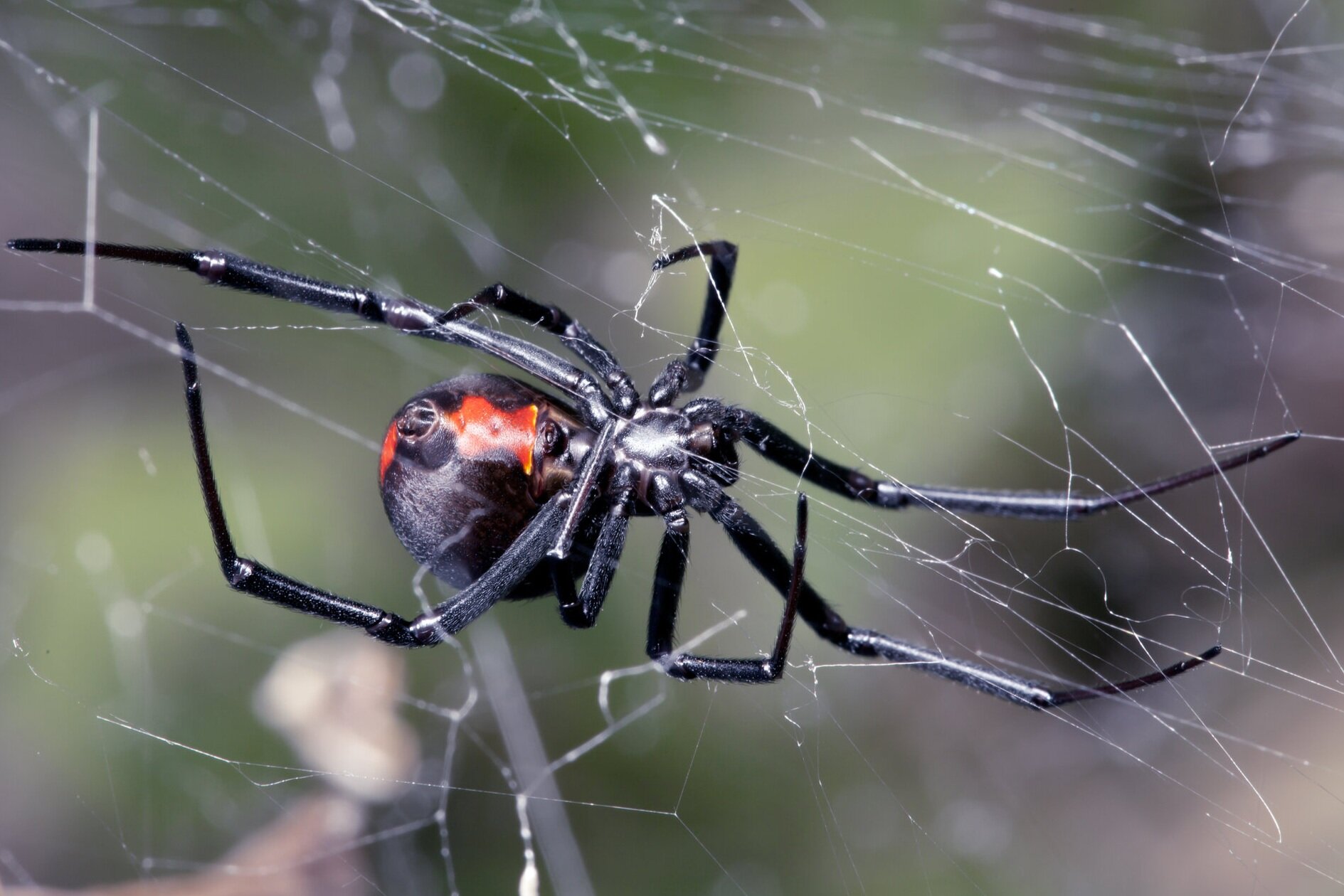
Cooler temperatures can make spider activity seem more noticeable around San Diego County homes, especially as seasonal conditions change. Spiders are not simply moving indoors because the air is colder. They are often following prey, looking for protected shelter, and using structural openings that become more important when outdoor conditions are less stable. Garages, attics, wall voids, storage areas, eaves, and other low-disturbance spaces can all become attractive.
Our team approaches pest control by looking at the conditions that support spider activity rather than focusing only on visible webs. Ants, cockroaches, crickets, fleas, mosquitoes, silverfish, and other insects can provide food, while gaps around doors, vents, rooflines, and utility penetrations can provide access. Understanding those connections helps us determine why spiders are appearing indoors and whether the activity is temporary or part of a recurring pattern.
Cooler Weather Can Shift Spiders Toward Protected Indoor Spaces
Spiders seek stable shelter when outdoor conditions become less predictable. As nights cool, protected areas around a home can offer steadier temperatures, less wind, and fewer environmental changes. Attics are especially important because they are quiet, rarely disturbed, and connected to rooflines, soffits, vents, wall voids, and insulation.
Our article on attic pest activity explains how insulation can hide pest movement, moisture patterns, nesting evidence, and entry points. Those same conditions can support spiders when prey insects are present nearby.
Common indoor and structural hiding areas include:
- Attic corners near insulation, beams, or roofline openings
- Garages with boxes, shelving, tools, or low-disturbance storage
- Wall voids connected to vents, pipes, or utility penetrations
- Crawl spaces with moisture, insects, or sheltered surfaces
- Closets, basements, and storage rooms with limited activity
- Eaves, soffits, and window edges where insects gather
A spider seen indoors may therefore be a clue that the surrounding environment is providing both shelter and food.
Prey Insects Often Matter More Than Temperature Alone
Spiders are predators, so their presence often reflects the availability of other pests. Ants, cockroaches, crickets, fleas, mosquitoes, silverfish, and other insects can keep spiders active around a property even after summer heat fades. Exterior lights, irrigated landscaping, damp areas, clutter, and openings around the structure may all concentrate prey near the home.
Our technicians look for these supporting conditions during inspection because treating spiders without considering their food supply can limit long-term results. Pest control works more effectively when the environment is evaluated as a connected system rather than a collection of unrelated sightings.
Important pressure points may include:
- Exterior lights that attract insects near doors and windows
- Damp landscaping or irrigation near foundations and walls
- Cracks and gaps that allow insects to move indoors
- Stored materials that create hiding places for spiders and prey
- Attic or crawl-space moisture that supports insect activity
- Repeated webs in the same corners, eaves, or storage areas
When prey remains available, spiders have a reason to stay. Reducing that broader pest pressure can make indoor spaces less attractive over time.
Professional Spider Control Targets Access, Shelter, And Recurring Activity
Spider control is most effective when inspection, prevention, and targeted treatment work together. Our guide to eco-friendly spider control explains how precise applications, entry-point management, habitat changes, and monitoring can support long-term results without relying on broad treatment alone.
Our team may inspect both interior and exterior areas to identify where spiders are living, where prey insects are concentrated, and which openings are allowing movement into the structure. The plan can then be adjusted based on the level of activity and the surrounding conditions.
A professional spider-control plan may include:
- Identifying active spider harborage and repeated web locations
- Inspecting cracks, vents, eaves, windows, and utility penetrations
- Reducing related insect activity that provides a food source
- Applying targeted treatment to confirmed high-risk areas
- Reviewing moisture, clutter, and structural conditions that support shelter
- Monitoring recurring activity and adjusting service when needed
This approach is useful because visible spiders may represent only the easiest part of the problem to see. Hidden activity in attics, garages, wall voids, crawl spaces, or exterior structural areas can continue even when webs are removed from living spaces.
Professional evaluation also helps determine whether spider activity is linked to a broader pest issue. If cockroaches, ants, crickets, or other insects remain active, treating only spiders may provide short-term improvement without changing the conditions drawing them indoors.
Seasonal inspection also helps distinguish occasional wandering from established indoor pressure that may require treatment, exclusion, and continued professional monitoring.
Cooler temperatures should therefore be viewed as a seasonal shift rather than a single cause. Spiders may move because shelter becomes more valuable, prey insects relocate, or existing access points lead them into warmer, protected spaces. By tracing those factors together, our technicians can build a more precise pest-control plan and support better long-term prevention.
Keep Seasonal Spider Activity From Settling In
If spiders keep appearing in attics, garages, storage spaces, or other indoor areas as temperatures cool, contact Major League Pest for professional pest control focused on inspection, targeted treatment, entry-point evaluation, and long-term monitoring.
