
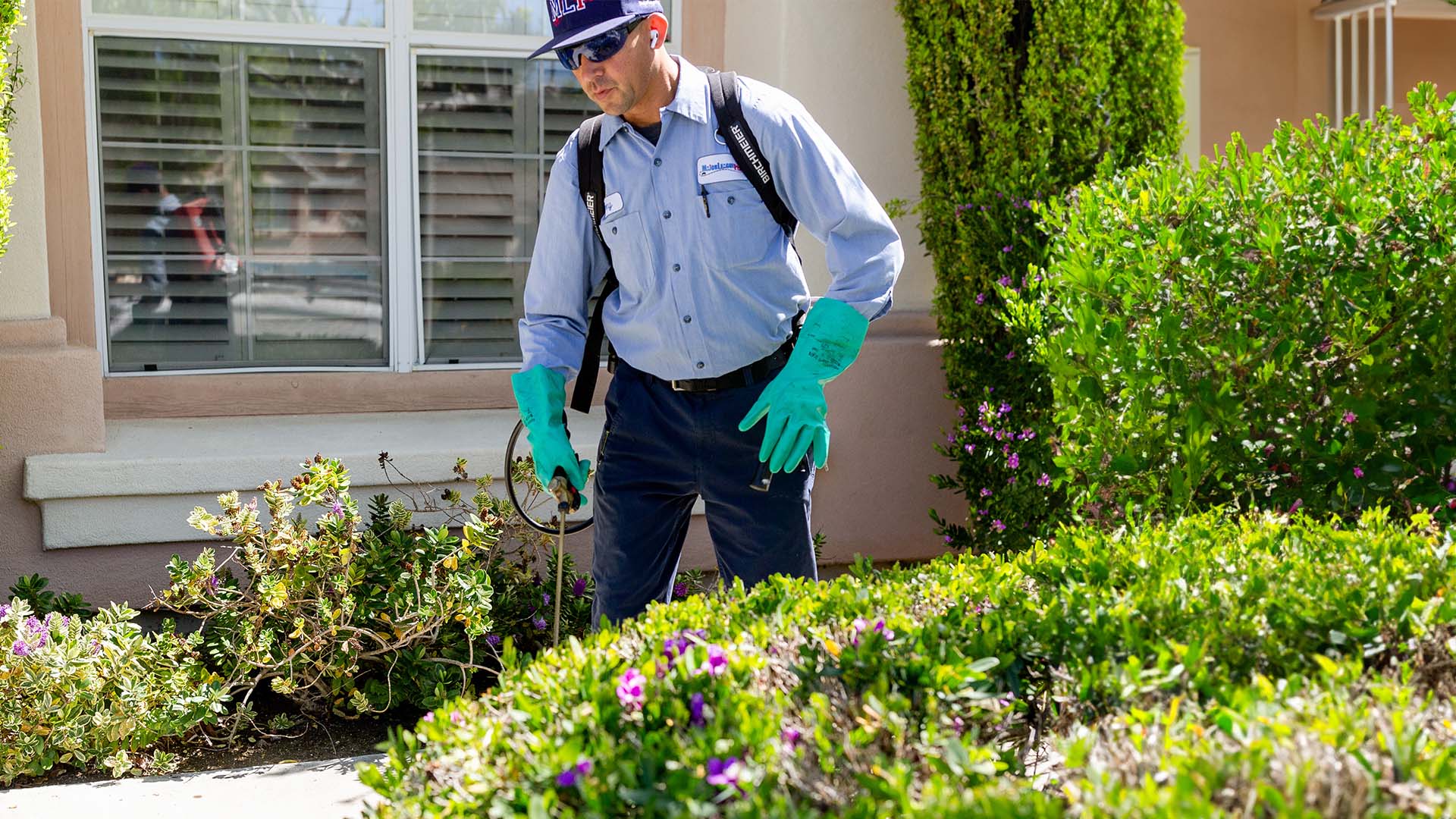
Choosing a pest control company is easier when you know what questions reveal the difference between a quick treatment and a well-planned service. Pest problems can involve ants, cockroaches, spiders, fleas, mosquitoes, termites, rodents, stinging insects, earwigs, crickets, silverfish, snails, gophers, and ground squirrels, so accurate identification should come before any recommendation.
Our team believes homeowners should understand how a company inspects, chooses treatment methods, communicates findings, and plans for long-term prevention. A reliable provider should be able to explain what is happening on the property, why a certain approach is appropriate, and what follow-up may be needed. Asking a few focused questions before service can help you compare companies based on training, process, and accountability rather than price alone.
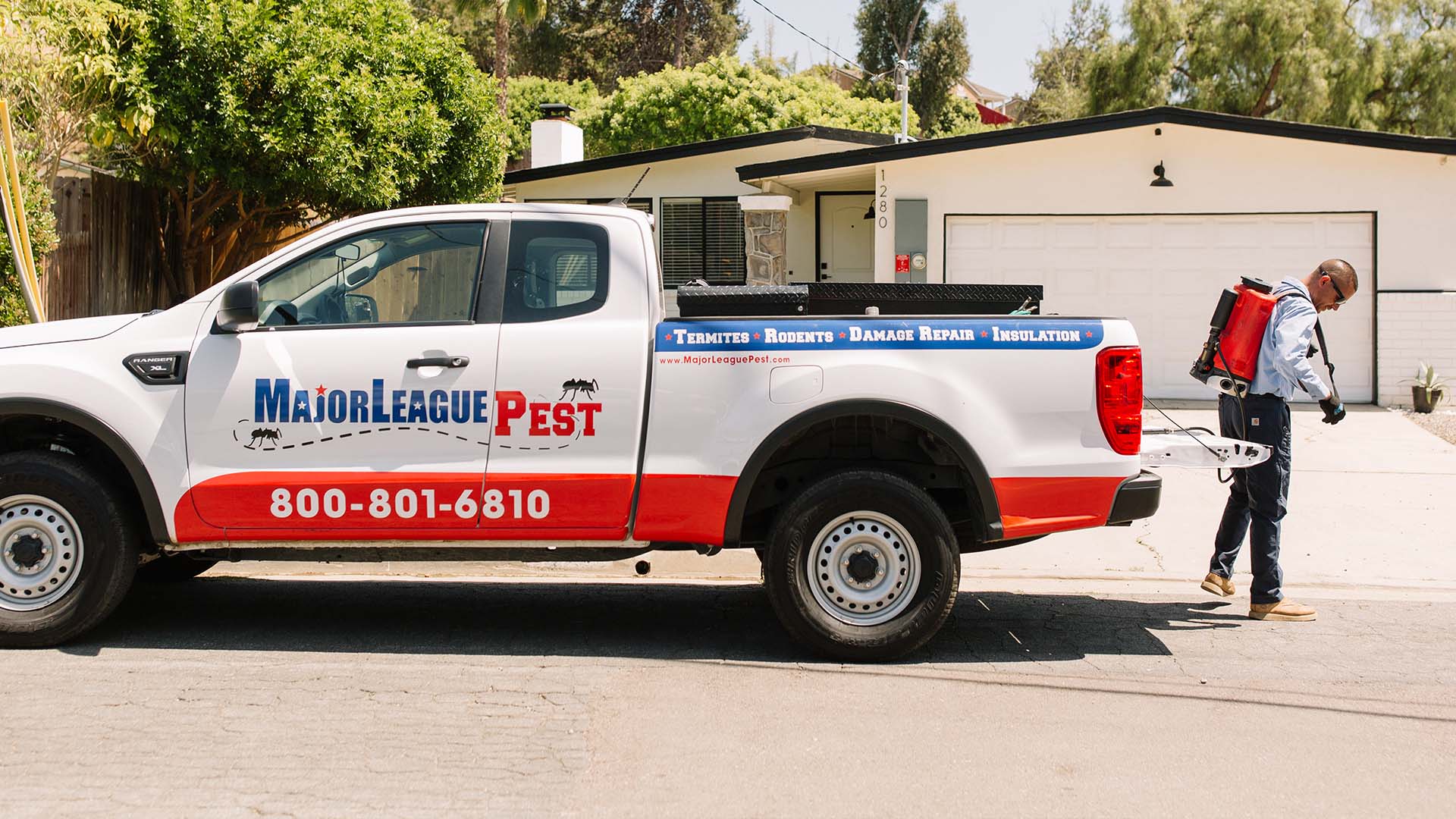
Ask How The Inspection And Diagnosis Process Works
A strong pest-control plan begins with inspection. Before choosing a provider, ask whether technicians evaluate the full property or only the area where pests were seen. Entry points, moisture, food sources, nesting areas, landscaping, attics, garages, sub-areas, and structural conditions may all contribute to recurring activity.
The company should also explain how technicians identify the pest before selecting a treatment. This matters because ants, rodents, termites, cockroaches, and stinging insects require different strategies. Our discussion of HOA pest management shows why inspection, documentation, and coordinated treatment are especially important when pest activity can move between shared spaces.
Useful questions include:
- Asking whether technicians inspect the entire property before recommending treatment
- Confirming how pest species and active areas are identified
- Asking whether moisture, entry points, and structural conditions are documented
- Finding out whether the company provides written findings or diagrams
- Asking how recommendations change when several pest pressures are present
- Confirming whether technicians are licensed, trained, and background-checked
A clear inspection process gives the treatment plan a factual basis and helps reduce unnecessary applications.
Ask What Treatment Methods And Prevention Strategies Are Used
Not every pest problem requires the same product or treatment style. Ask how the company decides between targeted applications, exclusion, monitoring, recurring service, termite treatment, rodent work, or other methods. A provider should be able to explain why a recommendation fits the specific pest and property conditions.
It is also worth asking whether the company uses an Integrated Pest Management approach. This combines identification, prevention, sanitation, exclusion, monitoring, and treatment so pest pressure is addressed at the source whenever possible. Low-impact treatment options can also help keep service focused on active areas rather than relying on broad applications without a clear reason.
Questions to ask include:
- Asking how treatment locations are selected from inspection findings
- Confirming whether low-impact options are available for appropriate situations
- Asking how exclusion or structural corrections fit into the plan
- Finding out whether webs, nesting areas, or pest evidence are addressed
- Asking how rodent, termite, or general pest services differ
- Confirming what preparation or access is needed before service
The best explanation should be specific enough that you understand what will happen and why. Vague promises without a clear process make it harder to judge whether the proposed service addresses the actual source.
Ask About Follow-Up, Guarantees, And Long-Term Service
Pest control is not always finished after one visit. Ant trails can reappear, rodent activity can shift to another entry point, and seasonal changes can create new pressure. Ask how the company handles follow-up, re-treatment, recurring service, and communication if activity continues.
Our guide to early pest control explains why addressing activity before it spreads can make treatment more focused. A pest control company should also be able to explain when one-time treatment is reasonable and when recurring service offers better long-term monitoring.
Before hiring, consider asking:
- Asking what happens if pest activity continues after treatment
- Confirming whether re-treatments are included under the service terms
- Asking how often recurring service is recommended and why
- Finding out whether technicians compare findings from visit to visit
- Asking how seasonal changes affect treatment and monitoring
- Confirming who to contact if new activity appears between appointments
Experience and licensing also matter. A company that handles general pests, termites, rodents, structural repairs, and insulation should clearly explain which technicians or specialists perform each type of work. Homeowners should also ask how long the company has served the local area and whether its recommendations account for San Diego County conditions.
Price is important, but it should be considered alongside inspection quality, treatment precision, training, communication, and follow-up. The lowest initial quote may not represent the best value if the underlying source remains unresolved. A well-planned service should help you understand both the immediate pest problem and the conditions that could allow it to return.
Clear answers also make future service easier to evaluate because homeowners know what was inspected, what was treated, which conditions remain, and when another visit may be necessary.
Choose A Team That Can Explain The Plan
If you want a pest control company that begins with inspection, explains treatment options clearly, and plans for long-term prevention, contact Major League Pest to discuss the conditions affecting your property.
