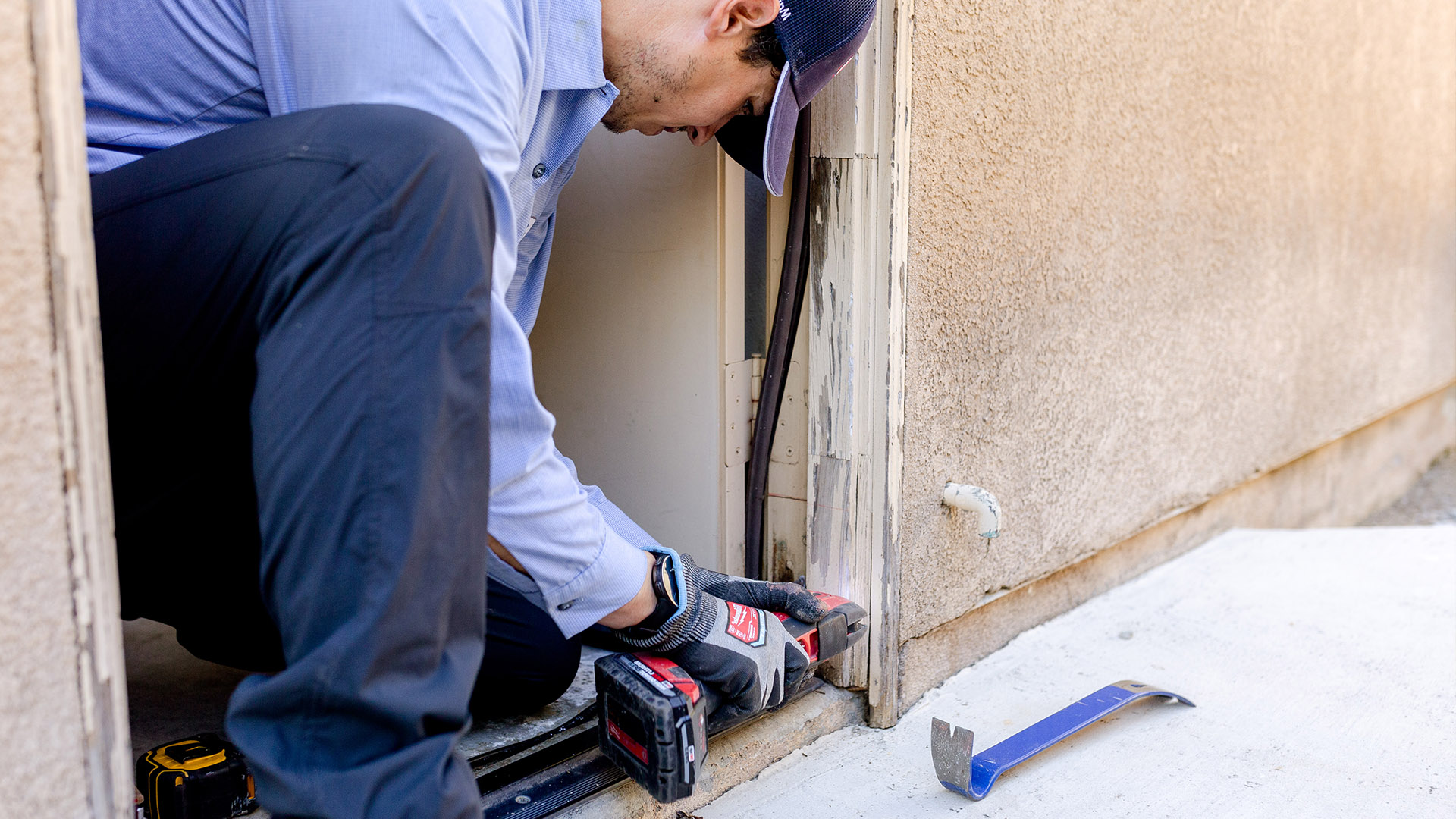
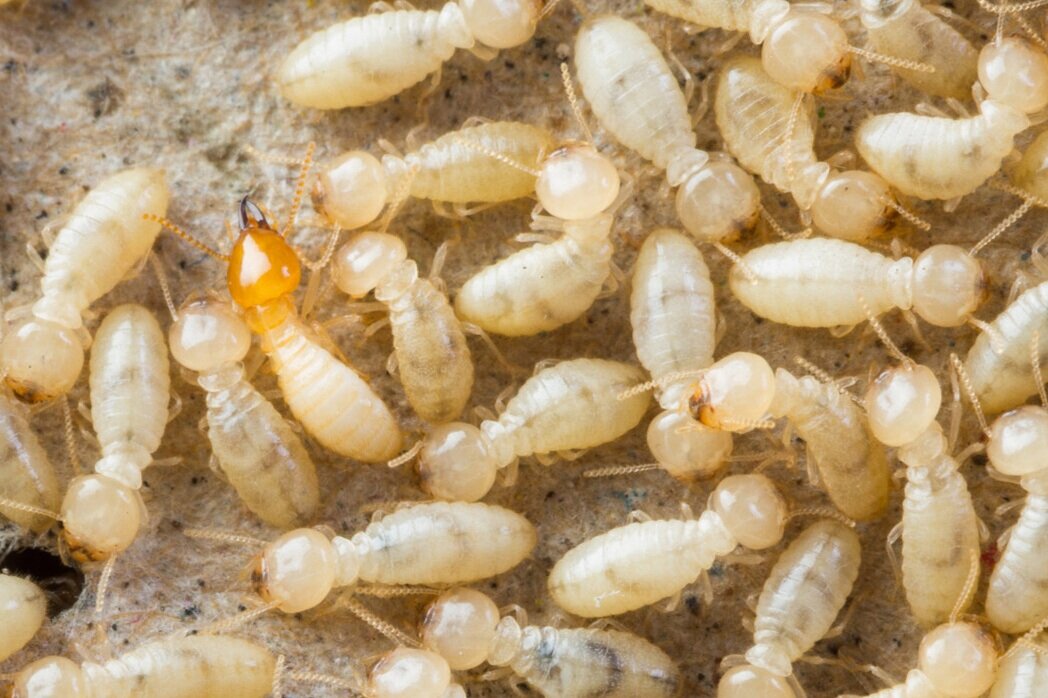
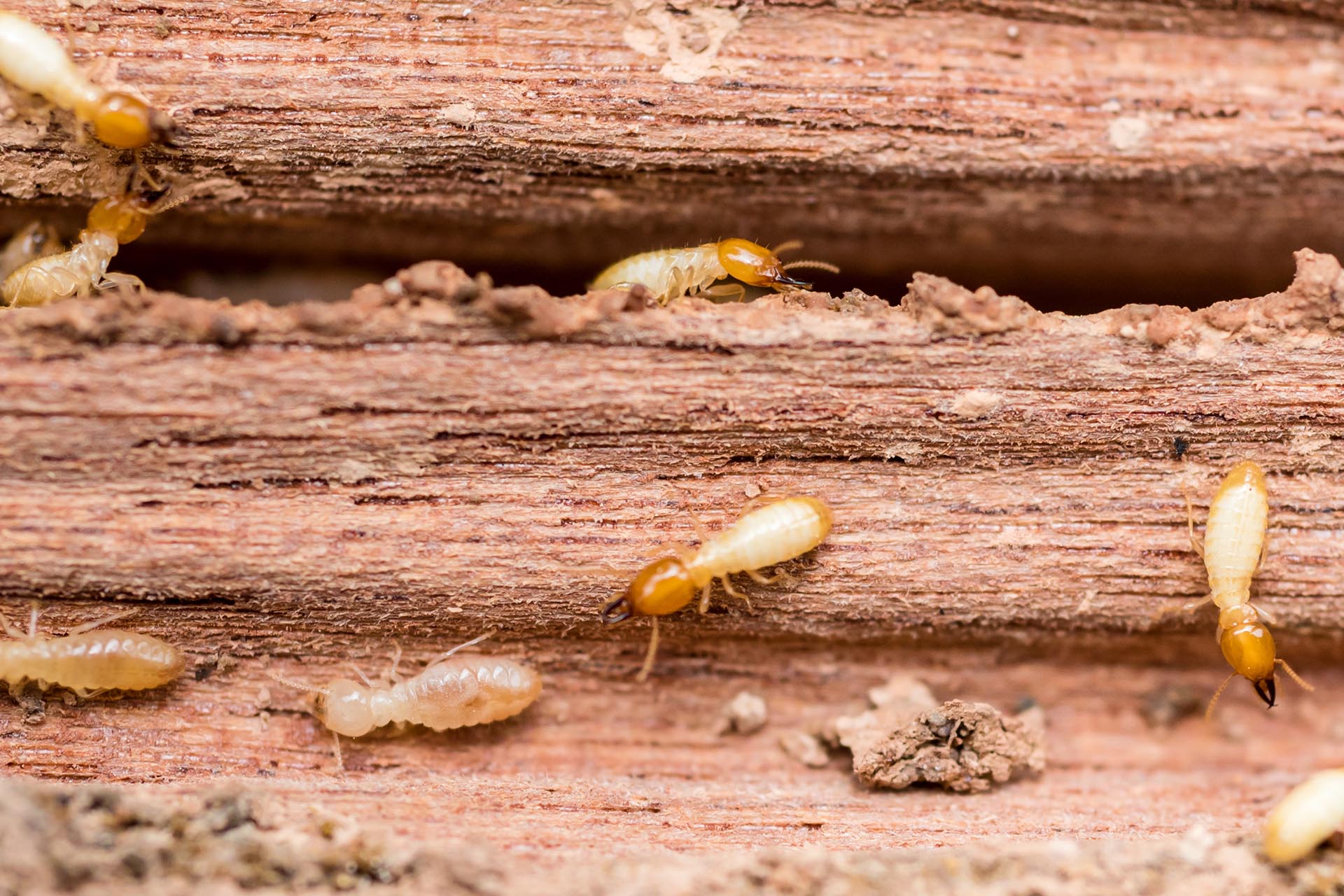
Pellets by a window or hollow-sounding wood deserve a closer look. Our family-run termite control company has inspected Miramar homes since 1992, finding termites and repairing damaged wood when needed.
Back in 1992, our family opened the doors with an idea: tell homeowners what is happening, fix what needs fixing, and leave the sales pressure out of it. That approach still guides our inspections, termite work, and wood repairs across San Diego, including the homes and businesses of Miramar today.
Every termite problem looks different. That is why our crew checks damage, recommends the right fix, and restores affected wood.

Choosing termite control in Miramar, CA starts with knowing what is chewing, where it entered, and how far the damage reaches.

Found in one reachable spot, drywood termites may be handled with targeted heat, sparing homeowners the disruption of full-structure fumigation.

Tenting makes sense when drywood colonies wander through framing, where spot methods could miss galleries tucked beyond view inside walls.

Subterranean termites emerge from soil looking for wood. A soil barrier cuts off their route before termites reach the structure.

Bait stations give foraging termites material to carry home. Once it reaches the colony, the underground population begins to decline.

Most termite extermination services stop with the insects. Our crew rebuilds termite-damaged sections, leaving the structure sound and usable again.


Enrique, Alex and Daniel did an excellent job repairing the fascia and shade structure that were damaged by termites and dry rot.


So far, it's been a 5 star experience. Dan is extremely knowledgeable and friendly. I really feel like they focus on your needs and don't try to up sale on unnecessary service. I would highly recommend Major League Pest to anyone in the area.


I’ve had a fantastic experience with Major League Pest Control for years! My technician, Tony, is absolutely the best—professional, knowledgeable, and always goes above and beyond.


Working with Paul was a complete breath of fresh air. I completely trust him as he went above and beyond to show me exactly what was going on and not try to oversell me on any treatment.
A pile of tiny pellets near a windowsill may point to drywood termites living inside the lumber. Mud tubes climbing a foundation usually suggest subterranean termites coming up from the soil. Swarmers add another clue: drywood termites often take flight on warm summer or fall days, while subterranean colonies may swarm after spring or autumn rain.
That is why Miramar termite control should never begin with guesswork. Our crew checks the evidence, locates the affected wood, and recommends an approach that fits what is happening.
Drywood and subterranean termites do not behave alike, so our termite control choices depend on where each colony is living.

Start with the water. Dampwood termites settle where lumber stays wet from leaks, poor drainage, or rain. Our crew finds the moisture source, clears the insects, and identifies compromised wood.
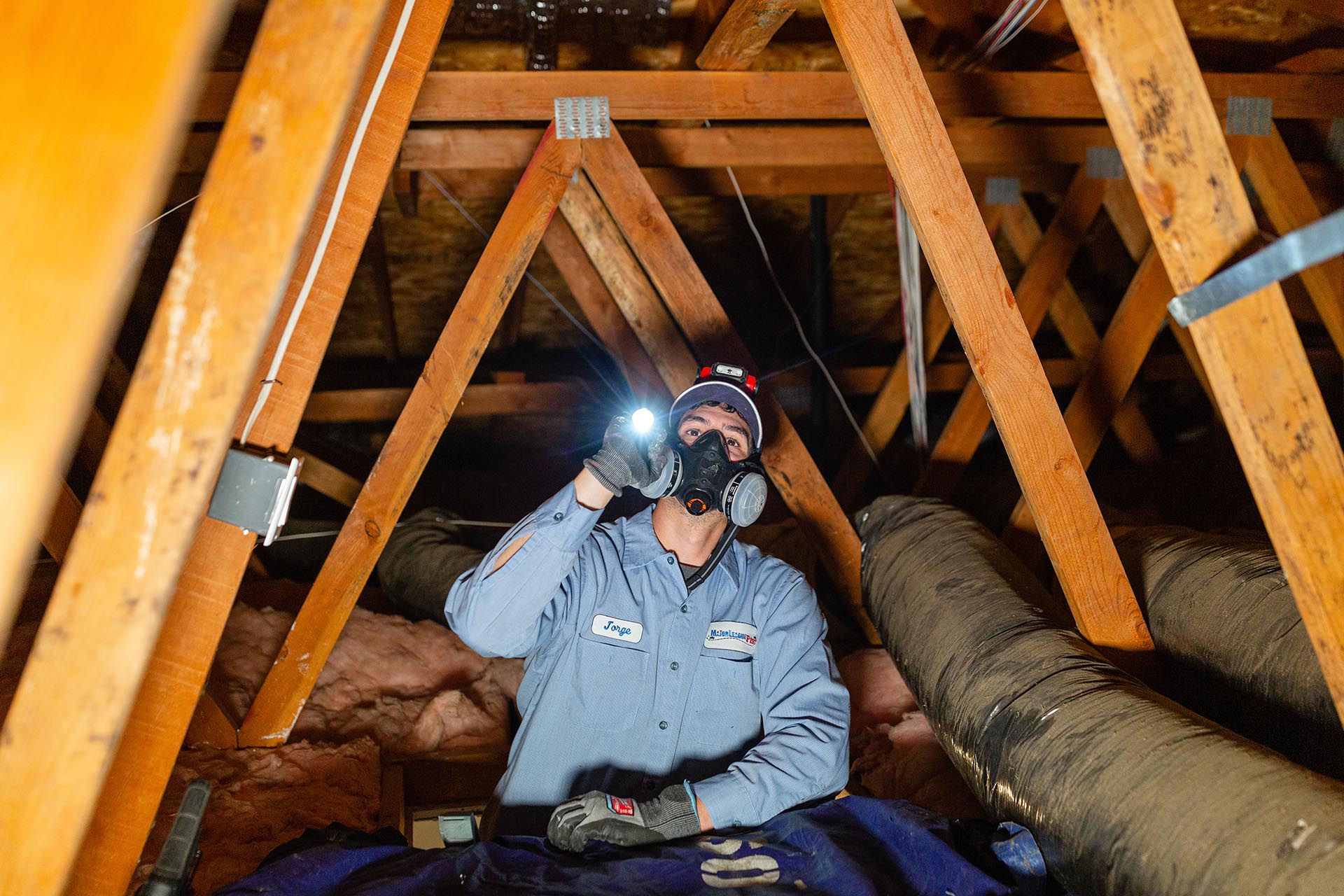
Drywood termites can work inside beams, leaving pellets or loose wings behind. That is when local exterminators read those clues, map the spread, then choose between focused service and fumigation.
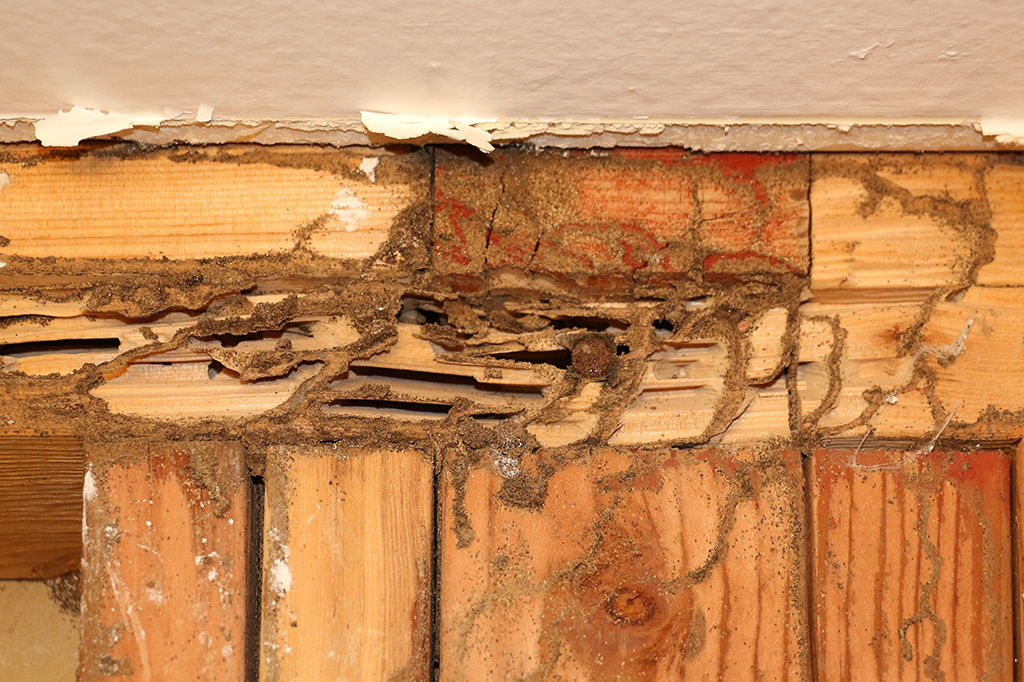
Mud tubes on concrete are a clue that subterranean termites have traveled up from the soil. Barriers block that route, while bait from stations travels back toward the colony itself.

Termites do not read property lines. One Miramar home may have pellets beneath a window, while the place next door has mud tubes climbing the slab. Those clues point to different species and hiding places. A termite expert uses that evidence, not a preset package, to choose the next move.
Yes, tenting is not the only possibility. A small, reachable pocket of termites may qualify for localized heat or another focused method. The catch is coverage: if insects have moved beyond the visible area or settled inside inaccessible wood, fumigation may still be the more reliable choice for the property.
Skip the longest service menu and pay attention to the inspection. Anyone browsing Miramar, CA, termite control companies should ask what was found, where it was found, and why the proposed fix fits. Solid answers mention termite species, damaged wood, access, repair needs, pricing, and what happens if problems return.
Baiting starts at ground level, where subterranean termites travel between the yard and their nest. Stations placed around the property give them something to carry back. Our crew checks the stations over time. It is a gradual option, best suited to yards where termites are moving through the soil below.
Finding the termites is only part of the job. Our crew checks how far the damage extends, addresses the termite activity, and identifies sections that need repair. When wood replacement is necessary, Major League Pest can handle the repair work too, so damaged areas are restored instead of being left for another contractor.
Picture a leak under a window or along a roofline. Wet wood stays soft, and that can attract dampwood termites while giving fungus and dry rot room to spread. Finding the leak matters as much as finding the insects. Otherwise, repaired wood may face the same moisture problem months later.
Yes. Termites can remain inside framing, trim, attics, and other concealed wood without leaving easy-to-spot clues. Pellets, wings, and mud tubes can reveal activity, but their absence does not rule it out. If wood sounds hollow, begins to blister, or shows unexplained damage, an inspection can determine whether termites are present and where they are active.
Yes. A termite inspection may turn up crumbling wood, fungal growth, or dry rot that was not visible indoors. Those findings can change a repair plan, especially before remodeling begins. Our state-licensed crew records what they see so homeowners know which concerns involve insects and which involve the structure itself.
Spotted pellets or mud tubes? Call our pest control exterminator for a complimentary inspection and answers without a sales pitch.