
Since 1992, our family-owned team has found and treated termites in Carlsbad homes, then repaired the damage they left. Near the coast, damp air adds dry rot, and our crew fixes that too.
Carlsbad homeowners call us after spotting pellets, blistered trim, or soft deck boards, or after a termite note turns up in an inspection report. The visit starts at the damaged wood and works outward. Our senior inspector has 50 years of experience, and our fumigation specialist has 20.
Every job starts with the inspection, and the findings decide which service your home needs. Weighing tenting against heat? Our termite treatments page covers both.

The report covers what state law lists, including the foundation, porches, attic, eaves, and fascia. It arrives within 10 business days.

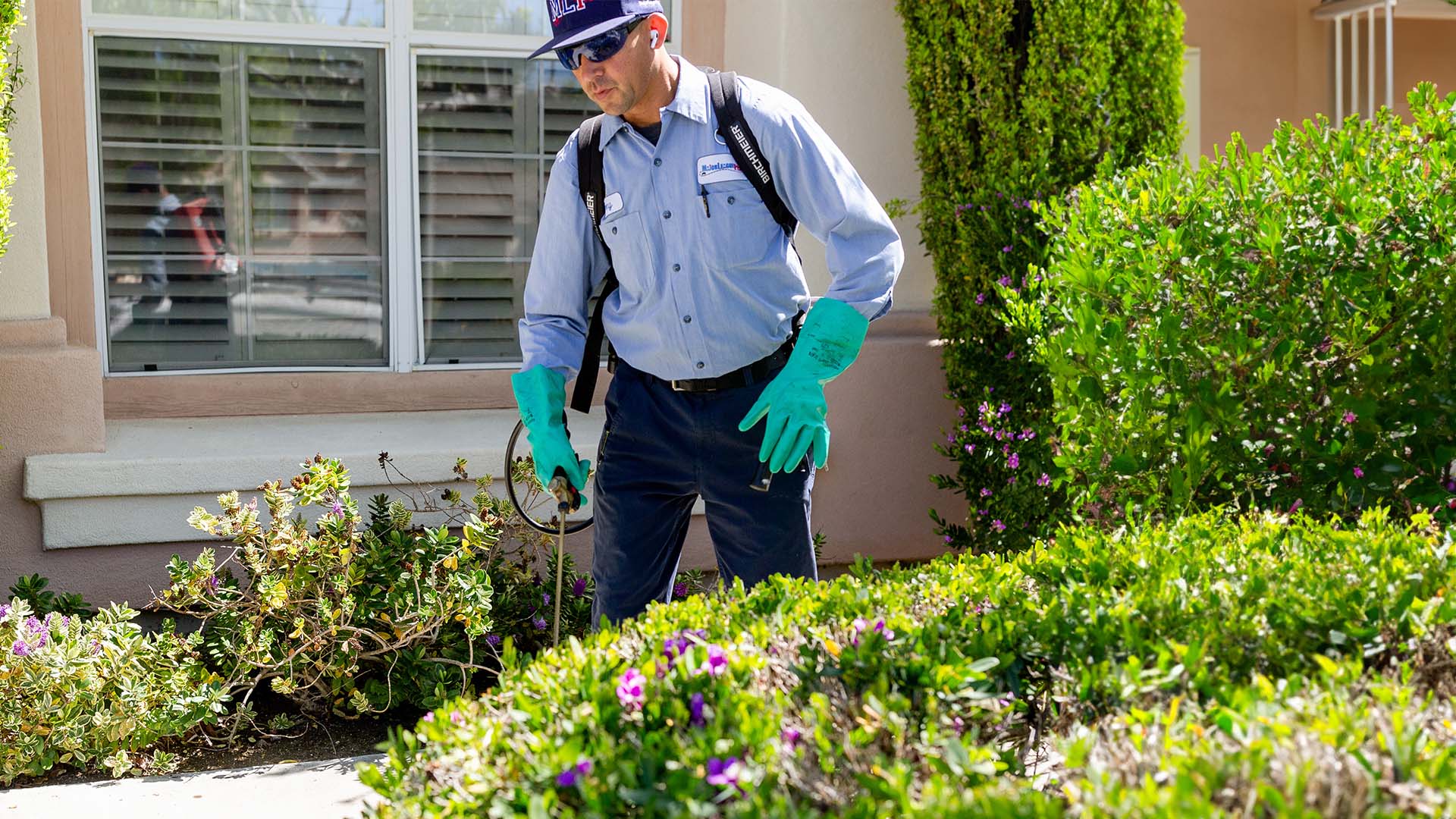
Termites confined to a few reachable spots can be treated in place, no tent needed, with injected products or heat from our own trailer.

When drywood termites spread through the walls and framing, fumigation with sulfuryl fluoride treats the whole house at once.

Subterranean termites come up from the soil, so a liquid barrier goes into the ground along the foundation to cut off their route.

Bait stations suit homes where trenching or drilling would disrupt too much. They can take months, so skip them if you need a fast result.

Treatment stops termites but doesn't replace the wood they ate. Our repair crew, with 25+ years in termite and dry rot work, handles that part.


Enrique, Alex and Daniel did an excellent job repairing the fascia and shade structure that were damaged by termites and dry rot.


So far, it's been a 5 star experience. Dan is extremely knowledgeable and friendly. I really feel like they focus on your needs and don't try to up sale on unnecessary service. I would highly recommend Major League Pest to anyone in the area.


I’ve had a fantastic experience with Major League Pest Control for years! My technician, Tony, is absolutely the best—professional, knowledgeable, and always goes above and beyond.


Working with Paul was a complete breath of fresh air. I completely trust him as he went above and beyond to show me exactly what was going on and not try to oversell me on any treatment.
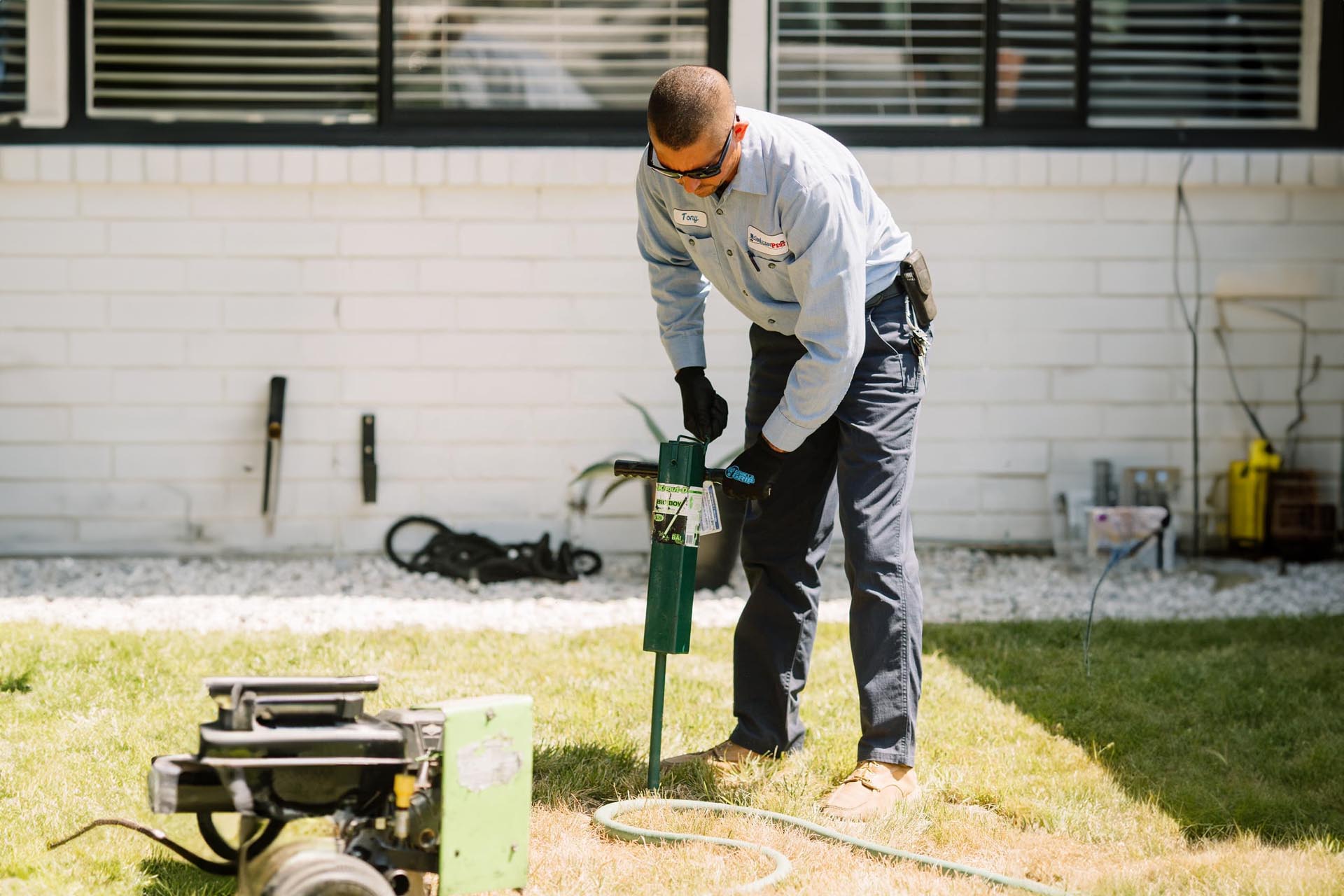
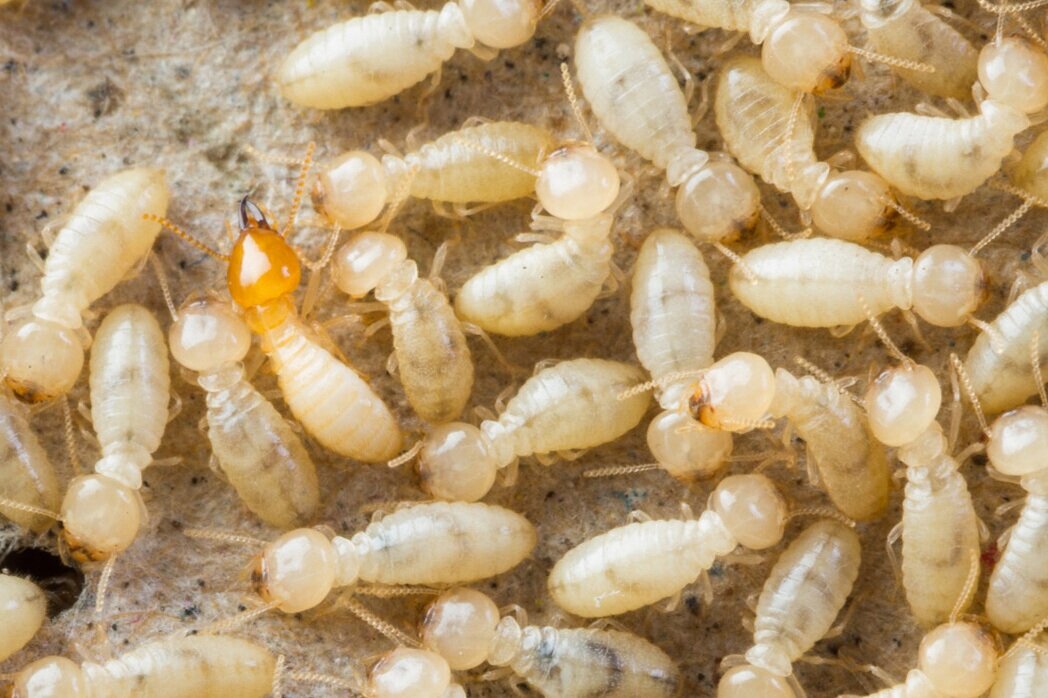
Termite evidence looks different from house to house: pellets inside trim, wings near a window, mud tubes on the foundation, or soft wood near a leak. Those signs point to different termites, and different termites need different plans. That’s why the inspection identifies the species before anyone talks price.
We don’t recommend tenting a house that doesn’t need it. If the inspector finds a few reachable colonies, you’ll hear about local treatment and heat first. Every recommendation ties back to what we found in your home.
California has three main types of termites that damage homes, and each one lives and spreads differently.

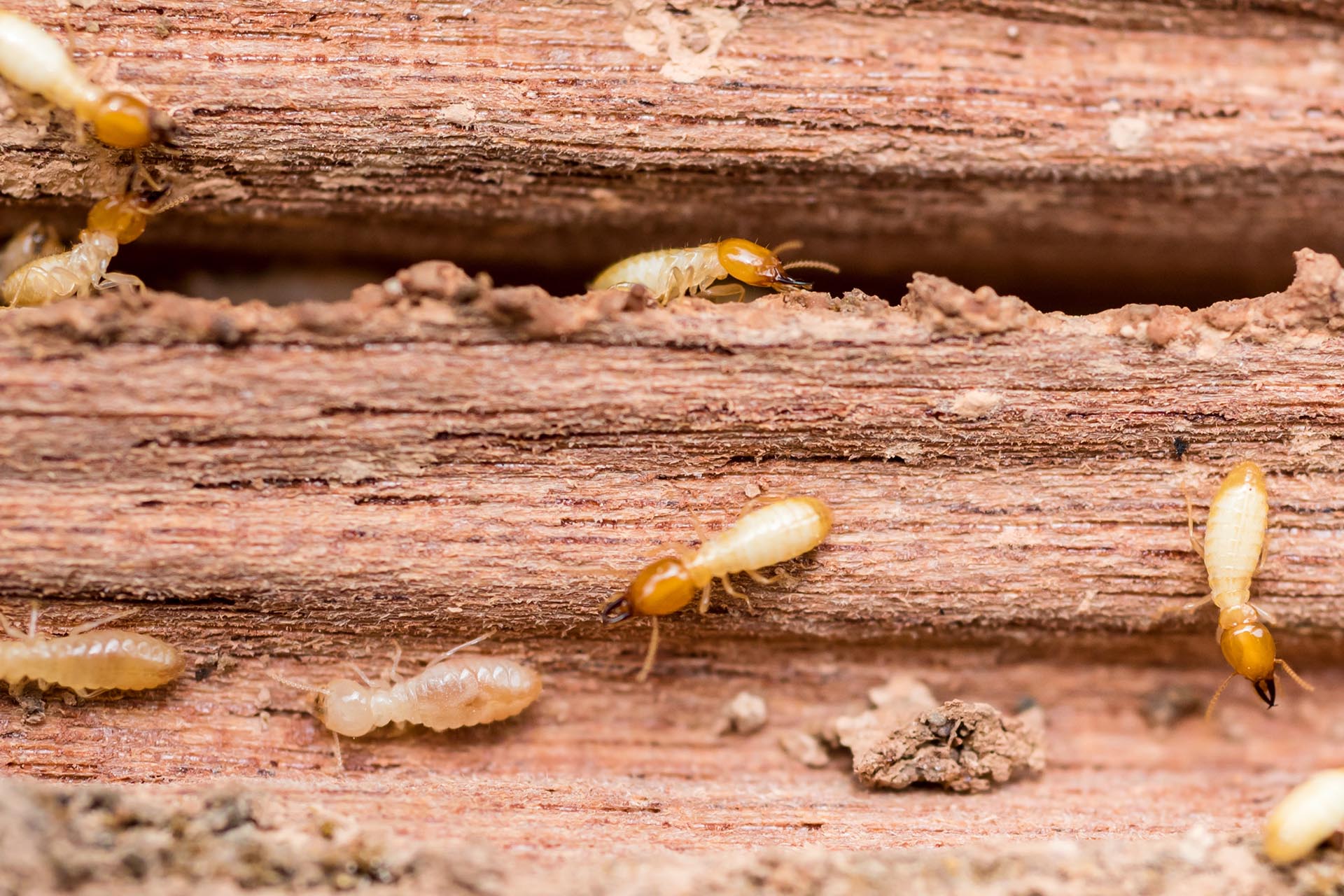
Dampwood termites live in decayed wood kept wet by soil contact or a leak. Finding them points to a moisture problem, so we track down the leak and the rot.
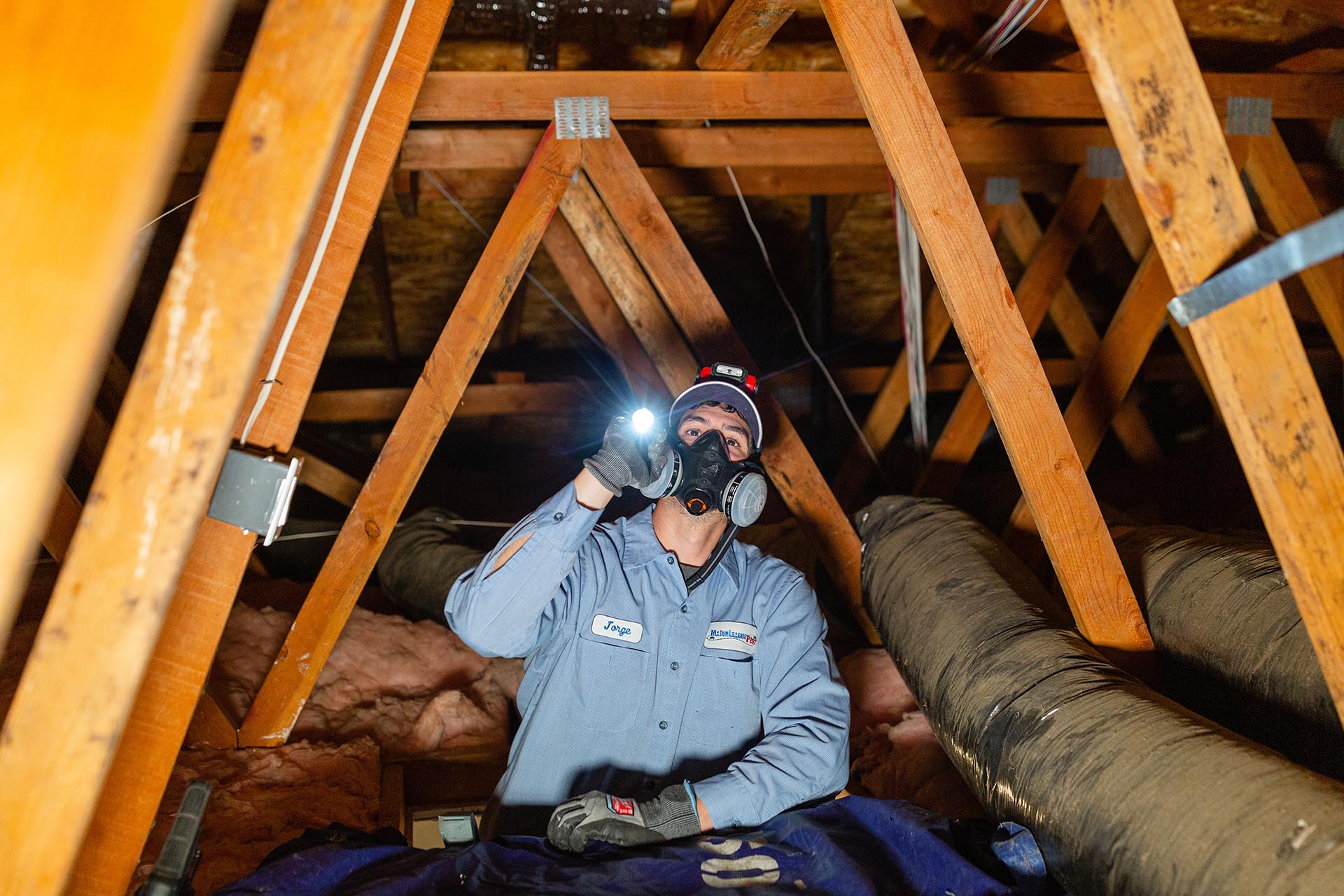
Western drywood termites nest inside trim, beams, and furniture, with no soil contact. Look for six-sided pellets below small holes and swarmers on summer and fall days.
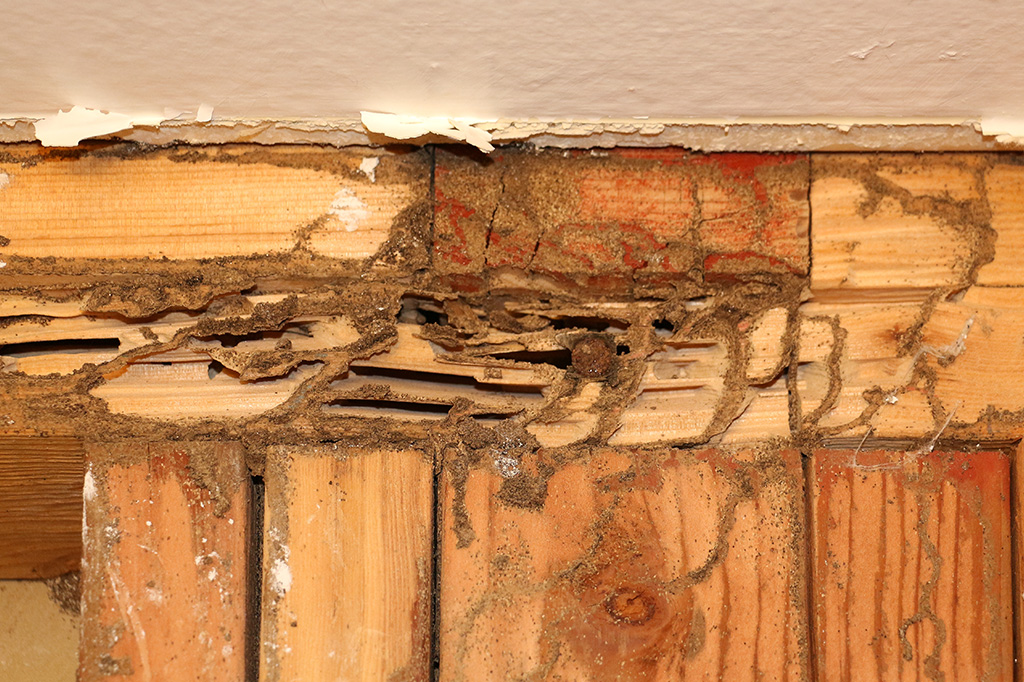
Subterranean termites travel up from the soil through hairline cracks, slab edges, and porch posts. They build mud tubes on the foundation and swarm in spring or fall after a soaking rain.
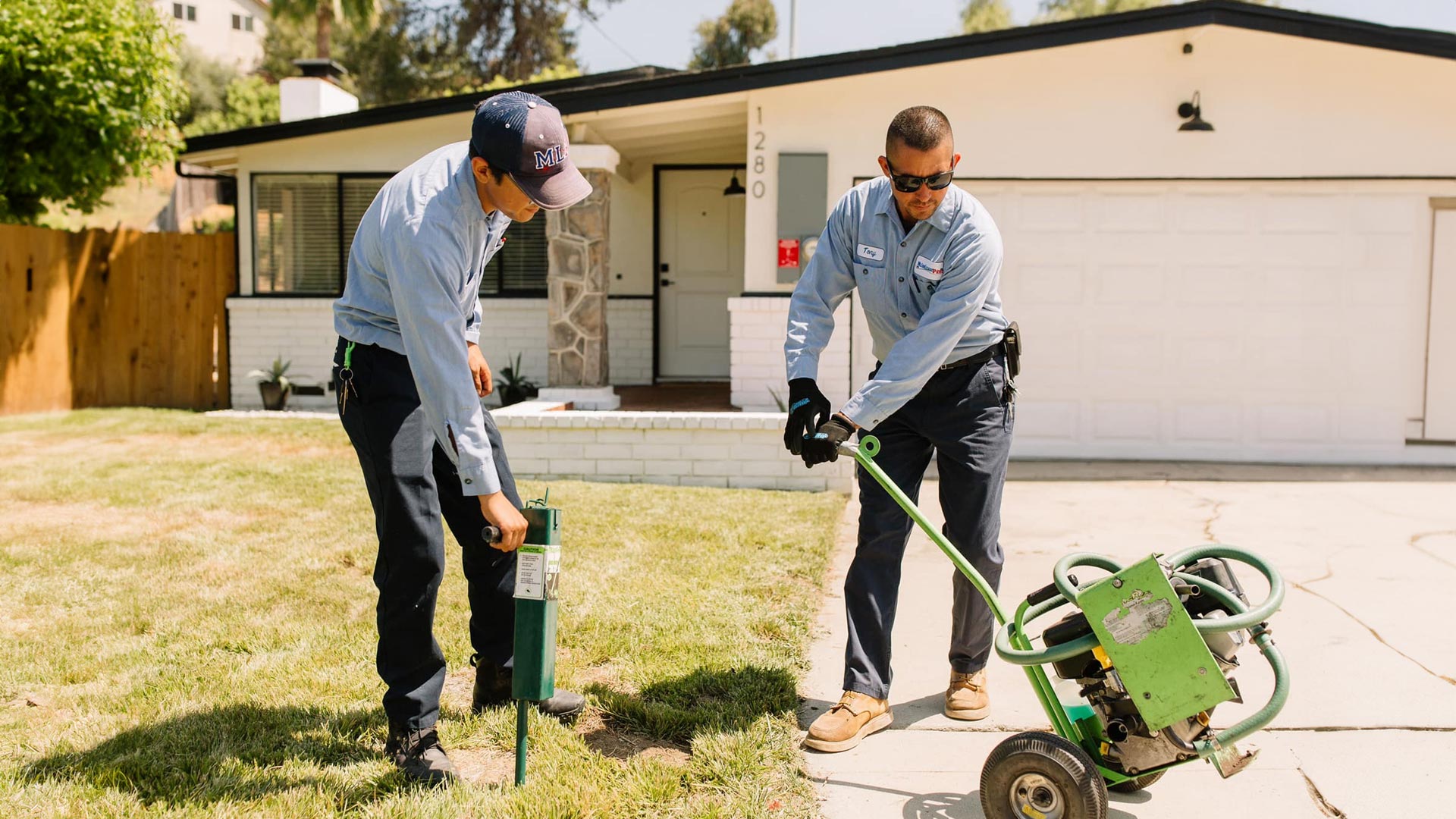
Right away if you see pellets, wings, mud tubes, or soft wood. Otherwise, book a routine inspection. Catching termites early usually keeps the repair smaller. Our termite FAQs cover the warning signs in more detail.
Yes. It often starts in damp fence posts, deck boards, pergolas, stumps, or stored lumber close to the soil. The inspector checks exterior wood, sprinkler overspray, and shaded corners, then traces any activity toward the house.
The inspector walks the structure inside and out, then checks decks, fences, and any wood touching soil. Your written report sorts findings into Section I, active termites or damage, and Section II, conditions likely to lead to them. We walk you through it in plain language.
Yes. Drywood termites nest in wood and need no soil contact, so summer and fall swarmers can start a colony in a new house. Subterranean termites come up from the soil, so stucco edges, decks, and fence lines near damp ground still need a look.
Local treatment needs clear access to the damaged wood. Fumigation takes more planning, and the whole household, pets included, moves out for a few days. We give you a prep list before the date.
Not always. Drywood pellets are six-sided and pile up below small kick-out holes, but a pile can be old or shaken loose from a window frame. The inspector confirms the colony is active before recommending any treatment.
Yes. Offices, restaurants, rentals, and HOAs can schedule inspections and treatment around access windows, deliveries, and tenant notices. Managers get a rundown of units, rooms, and prep needs ahead of time, so staff and residents know what to expect.
Treatment stops the termites, but the damage stays. Weak fascia, trim, and decking can keep failing after the colony is gone. We separate urgent repairs from wood you can watch, so you fix what matters first.
Call 760-737-6810 or request an inspection online. Mention any pellets, wings, or soft wood, and we’ll plan the visit around it. Need general pest control? See pest control in Carlsbad.