
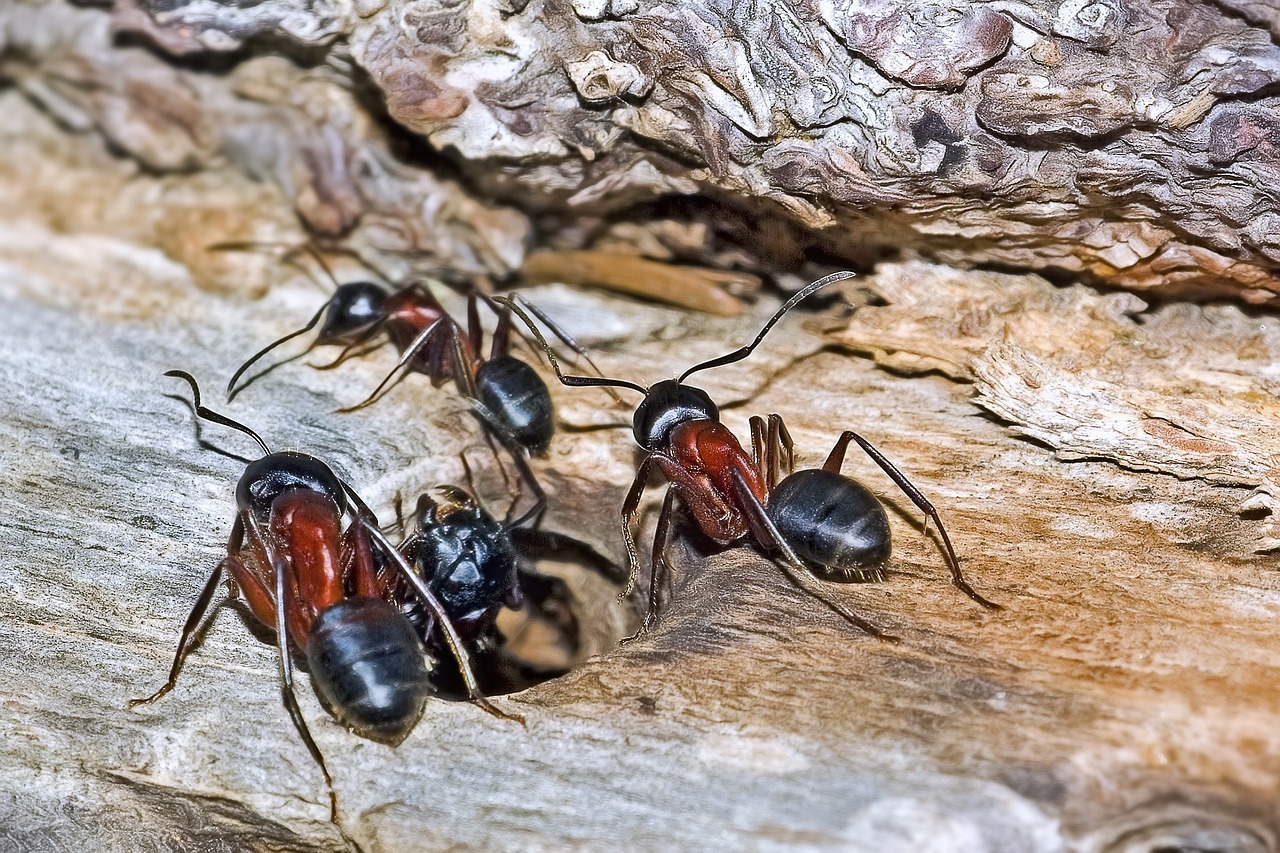
Spring is one of the most active seasons for ants. As temperatures rise and moisture levels increase, colonies shift into expansion mode, sending out workers to search for food and establish new nesting areas. What may begin as a few ants in the kitchen can quickly develop into a persistent issue if conditions are favorable.
From an expert perspective, ant prevention is far more effective than reacting after an infestation has formed. Pest control during spring focuses on understanding how ants behave, where they enter, and what attracts them in the first place. By addressing these factors early, it becomes possible to reduce activity before it escalates.
Knowing how to approach ant prevention in a structured way helps create a more stable environment throughout the season.
Why Ant Activity Increases in Spring
Ants respond quickly to seasonal changes. Spring provides the ideal conditions for colonies to grow and expand, making this the most critical time for prevention.
- Warmer temperatures. Increase movement and reproduction rates
- Moisture availability. Spring rains support nesting and survival
- Food sources. New plant growth and household crumbs attract foraging ants
- Colony expansion. Established colonies begin to spread into new areas
- Indoor migration. Ants enter homes seeking stable conditions
These factors create a surge in activity that can feel sudden. In reality, the colony has been preparing for this phase, and spring simply accelerates the process.
Recognizing this pattern allows homeowners to act early rather than waiting for visible signs of infestation.
Common Entry Points Ants Use to Get Inside
Ants are highly efficient at finding small openings that lead into homes. These entry points are often overlooked, allowing ants to establish consistent pathways indoors.
- Foundation cracks. Small gaps provide direct access
- Door and window frames. Improper seals create easy entry
- Utility lines. Openings around pipes and cables
- Rooflines and vents. Elevated entry points that connect to interior spaces
- Gaps in siding. Structural wear creates access points
Once ants find a reliable entry, they leave scent trails that guide other workers to the same location. This creates a steady flow of activity that can be difficult to stop without addressing the source.
Understanding these access points is a key part of effective ant prevention.
Practical Steps to Reduce Ant Attraction
Reducing what attracts ants is one of the most effective ways to support pest control efforts. While it may not eliminate all activity, it significantly lowers the chances of infestation.
- Keep surfaces clean. Remove food residue from counters and floors
- Store food properly. Use sealed containers to limit access
- Manage waste. Dispose of trash regularly and keep bins closed
- Fix moisture issues. Repair leaks and reduce humidity
- Maintain outdoor areas. Trim vegetation and remove debris near the home
These steps create an environment that is less appealing to ants. When combined with targeted pest control strategies, they contribute to more consistent results.
In our recent article on pest emergency signs, early warning indicators are discussed in more detail, helping identify when action is needed.
Why Prevention Alone May Not Be Enough
While preventative measures are important, they do not always address the full scope of ant activity. Colonies often exist outside the home, and their size can make them difficult to manage without a comprehensive approach.
Ants can travel long distances in search of food, and eliminating visible activity indoors does not affect the larger colony. Without targeting the source, new ants may continue to appear even after conditions are improved.
- External colonies. Nests may be located outside the home
- Large populations. Colonies can contain thousands of ants
- Multiple nesting sites. Satellite colonies may exist nearby
- Persistent trails. Established paths continue to attract ants
- Seasonal changes. Activity levels shift throughout the year
These factors explain why ant prevention requires more than basic steps. A broader pest control strategy is often necessary to achieve lasting results.
Consistency is also important. In our blog post on maintenance over time, the benefits of ongoing pest control are explored further.
How Professional Pest Control Strengthens Ant Prevention
Professional pest control provides a structured approach that complements preventative efforts. Instead of focusing only on visible ants, it addresses the entire system that supports the infestation.
The process begins with a detailed inspection to identify entry points, nesting areas, and environmental conditions. This information is used to develop a targeted plan that addresses both indoor and outdoor activities.
Treatments are applied with precision, focusing on areas where ants are most active. This ensures that the colony is affected rather than just the surface-level activity.
Another key advantage is ongoing monitoring. Ant behavior can change throughout the season, and regular assessments allow for adjustments that maintain control. This level of consistency is difficult to achieve with unstructured methods.
By combining prevention with targeted pest control, professional services create a more reliable solution that reduces the likelihood of recurring issues.
Where Prevention Turns Into Lasting Control
Ant activity in spring can escalate quickly, but the right approach keeps it manageable. Early action, combined with a structured pest control strategy, helps prevent small problems from becoming larger infestations.
For reliable ant prevention and effective pest control, contact Major League Pest and take the next step toward a more protected home.
