
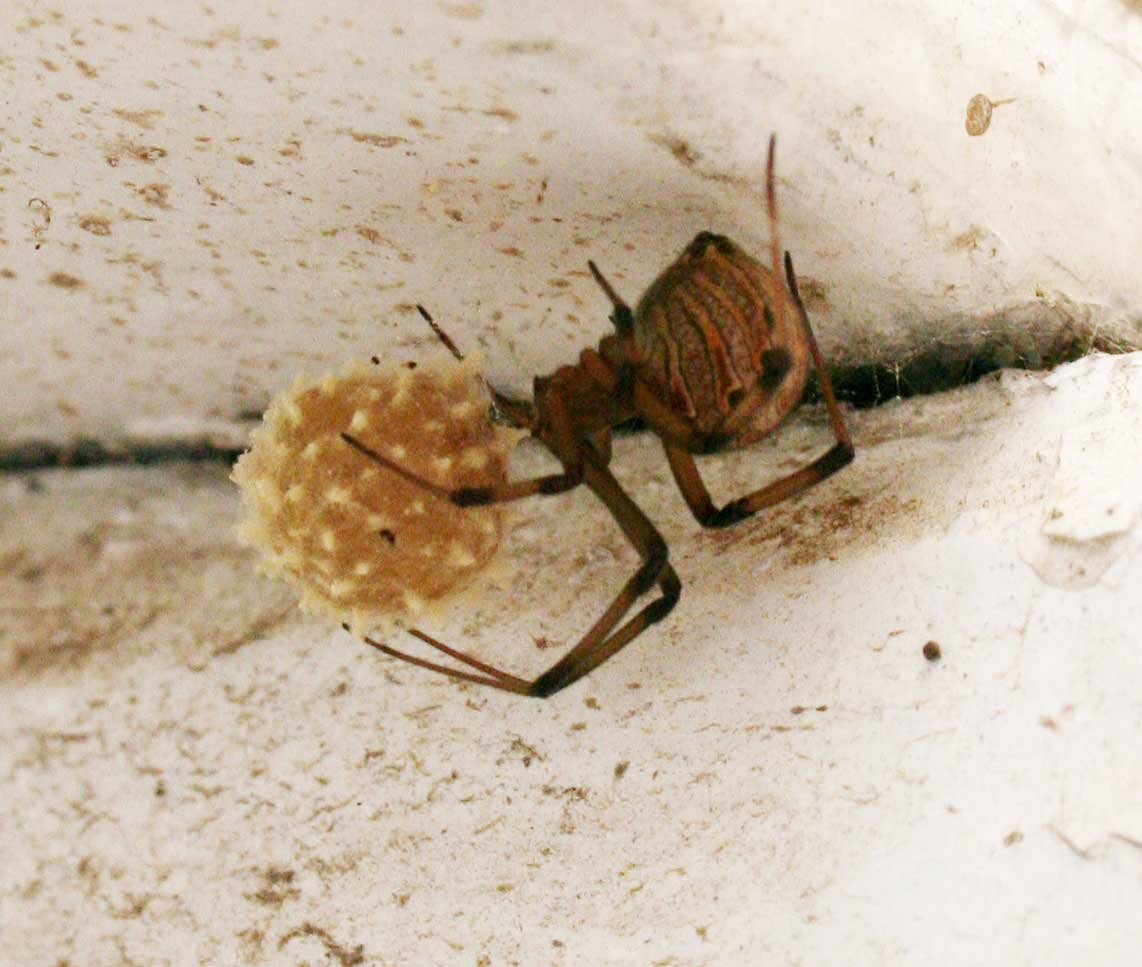
Spiders are a common concern in many homes, especially as seasons shift and indoor environments become more appealing for shelter. While they play a role in controlling other insects, their presence indoors is rarely welcome. This has led many property owners to explore eco-friendly spider control as a safer alternative to traditional treatments.
The question remains whether these methods are truly effective. A professional perspective reveals that eco-conscious approaches can work on spiders when applied with the right strategy, proper understanding of behavior, and a focus on long-term pest control outcomes.
Why Spiders Enter Homes in the First Place
Understanding spider behavior is the foundation of effective control. Spiders do not invade homes randomly. They are drawn by specific environmental conditions and available food sources.
Common reasons include:
- Presence of other pests. Spiders follow their food supply, often feeding on ants, flies, and other insects.
- Shelter and stability. Indoor spaces provide consistent temperature and protection from outdoor elements.
- Seasonal changes. Cooler months often push spiders indoors, which is explored further in our recent article on spiders in cooler months.
- Moisture and clutter. Basements, attics, and storage areas create ideal hiding conditions.
Because spiders rely on other pests for survival, any effective pest control approach must address the broader ecosystem inside and around the home.
How Eco-Friendly Spider Control Works
Eco-friendly spider control focuses on reducing environmental impact while still targeting pest activity. Rather than relying solely on harsh chemicals, these methods emphasize precision, prevention, and safer formulations.
Key components include:
- Targeted applications. Treatments are applied only where needed, minimizing unnecessary exposure.
- Low-toxicity products. Formulations are designed to be effective while reducing risks to people and pets.
- Habitat modification. Adjustments to the environment make it less attractive for spiders and their prey.
- Integrated strategies. Combining inspection, monitoring, and treatment improves overall effectiveness.
These approaches align with modern pest control standards, where long-term prevention is prioritized over short-term elimination. When properly implemented, eco-friendly spider control can disrupt spider activity without compromising safety.
Situations Where Eco-Friendly Methods Are Effective
Eco-conscious solutions perform well under certain conditions, particularly when infestations are addressed early and supported by consistent management.
They are most effective when:
- Spider activity is moderate. Early-stage infestations are easier to control with targeted methods.
- Access points are managed. Sealing entry points reduces reinfestation.
- Food sources are controlled. Reducing other insects limits spider survival.
- Regular monitoring is in place. Ongoing observation ensures treatments remain effective.
In these scenarios, eco-friendly spider control supports both immediate reduction and long-term prevention. The focus remains on controlling the environment as much as the pests themselves.
Where Eco-Friendly Approaches May Need Reinforcement
While effective, eco-friendly methods are not always standalone solutions. Certain conditions require a more comprehensive approach to achieve consistent results.
Challenges may include:
- Heavy infestations. Large spider populations may require more intensive strategies.
- Hidden nesting areas. Spiders often reside in difficult-to-reach spaces such as wall voids and crawl spaces.
- Recurring pest activity. If other pests remain active, spiders will continue to return.
- Structural vulnerabilities. Gaps, cracks, and openings can allow ongoing access.
Homes dealing with multiple pest types, such as ants, cockroaches, rodents, and occasional invaders, often require a broader pest control strategy. Addressing only spiders without managing these related issues may limit effectiveness.
Choosing the right approach involves understanding both the infestation level and the surrounding environment. Insights from our resource about choosing the best pest company can help clarify what to look for in a structured solution.
Building a Balanced and Effective Strategy
Successful spider control is rarely about a single method. It involves combining prevention, targeted treatment, and ongoing management to maintain consistent results.
A balanced strategy typically includes:
- Inspection and identification. Understanding spider species and behavior guides treatment decisions.
- Environmental adjustments. Reducing clutter, moisture, and insect activity limits attraction.
- Strategic treatment placement. Applying solutions where spiders live and travel improves effectiveness.
- Routine follow-up. Monitoring ensures that activity remains under control over time.
Eco-friendly spider control fits naturally into this framework. It supports safer practices while still addressing the root causes of infestations. However, achieving reliable outcomes often depends on proper execution and a clear understanding of pest behavior.
A Smarter Way to Manage Spider Activity
Spiders may be part of the natural environment, but they do not need to become a permanent presence indoors. With the right combination of eco-conscious methods and professional insight, it is possible to maintain a more comfortable and controlled space.
For those looking to take a more effective and structured approach, it is worth connecting with experienced professionals who understand both safety and results. Reach out to Major League Pest to learn how eco-friendly solutions can be tailored to your property.
