

A sudden flea infestation can feel overwhelming. One day, everything seems normal, and the next, bites appear, pets become restless, and small jumping insects seem to surface in unexpected places. Fleas are persistent pests that reproduce quickly, which is why early awareness and a structured response are essential.
Fleas do not simply stay on pets. They spread into carpets, upholstery, bedding, and even cracks in flooring. Once established, they move through multiple life stages that allow them to remain hidden while continuing to develop. Understanding how flea infestations behave is the first step toward addressing them effectively.
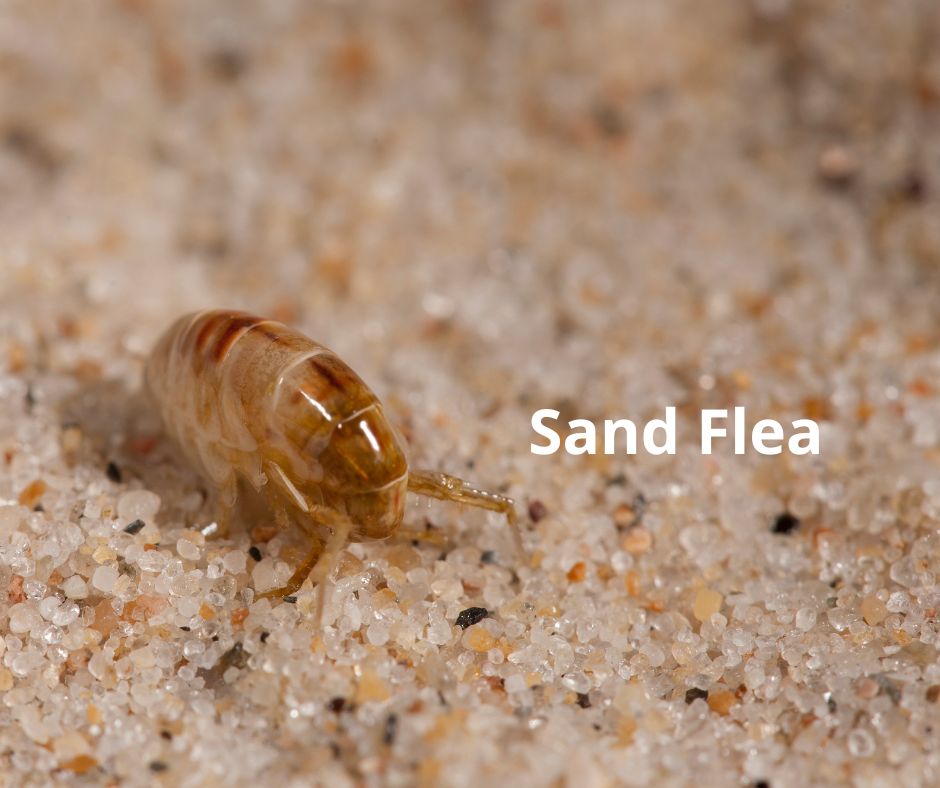
How Flea Infestations Begin and Spread
Fleas often enter a home quietly. A pet, a visitor, or even wildlife passing through a yard can introduce them without immediate notice. Once inside, they begin to multiply rapidly under favorable conditions.
- Adult fleas lay eggs that fall into carpets, furniture, and floor gaps
- Eggs hatch into larvae that remain hidden in dark, undisturbed areas
- Pupae develop protective casings that allow them to survive for extended periods
- New adults emerge when triggered by movement, heat, or vibration
This cycle explains why a flea infestation can appear sudden. In many cases, the population has been developing unnoticed before becoming visible.
Outdoor conditions can also contribute to indoor problems. Fleas often thrive in shaded, moist areas, which is why understanding spring garden pest risks can help explain how infestations begin near the home.
Signs That You Are Dealing With a Flea Infestation
Recognizing the early indicators of a flea infestation can help prevent it from becoming more widespread. While bites are often the first noticeable symptom, there are several other signs to watch for.
- Pets scratching, biting, or grooming excessively
- Small black specks, often called flea dirt, on pet bedding or furniture
- Red, itchy bites that appear around ankles or lower legs
- Fleas visible jumping on carpets, rugs, or upholstery
These signs often appear together, but they may develop gradually. By the time fleas are easily seen, multiple life stages are usually already present within the environment.
Because fleas remain hidden during much of their lifecycle, visible activity often represents only a portion of the infestation.
Why Fleas Are Difficult to Eliminate
Fleas are resilient pests that are well-adapted to indoor environments. Their ability to survive in multiple stages makes them particularly challenging to control without a comprehensive approach.
- Eggs and larvae are often hidden deep within fabrics or floor gaps
- Pupae can remain dormant until conditions are favorable, delaying visible activity
- Adult fleas can move quickly between hosts and surfaces
- Environmental conditions such as warmth and humidity support ongoing development
This complexity means that addressing only visible fleas does not resolve the underlying problem. Each stage of the lifecycle must be considered to prevent reinfestation.
In addition, safety is an important factor when dealing with fleas, especially in homes with pets or children. This is discussed further in this resource on pet-safe pest care, where treatment considerations play a key role in effective management.
How Infestations Impact Homes and Pets
A flea infestation affects more than comfort. It can disrupt daily routines, impact pets, and create ongoing concerns within the home environment.
- Pets may experience skin irritation, discomfort, and stress from constant scratching
- Flea bites can cause itching and irritation for household members
- Infestations can spread across multiple rooms as fleas move through the home
- Persistent activity can make it difficult to maintain a clean and comfortable living space
Because fleas reproduce quickly, these effects can intensify within a short period. What begins as a localized issue can expand into a broader problem if not addressed thoroughly.
Understanding the scope of the infestation is essential for determining the next steps.
Why Professional Flea Control Makes a Difference
Effective flea control requires more than surface-level action. It involves addressing the full lifecycle of the pest while also considering the environment in which it thrives.
Professionals approach flea infestations with a structured process. This includes identifying where fleas are most active, targeting areas where eggs and larvae develop, and applying treatments that align with the conditions of the home.
Timing also plays a critical role. Because fleas develop in stages, follow-up treatments and monitoring are often necessary to ensure that newly emerging fleas are addressed before they can reproduce.
In addition, professional methods take into account safety considerations for both pets and people. This ensures that treatments are applied in a way that is both effective and appropriate for the household.
A comprehensive approach not only addresses the current infestation but also reduces the likelihood of future outbreaks.
When Fleas Take Over Faster Than Expected
Flea infestations often seem to appear suddenly, but their development begins earlier and progresses quietly. Recognizing this pattern helps explain why prompt action is so important.
Small delays can allow populations to grow and spread, making the issue more difficult to manage over time.
Take Back Comfort In Your Home
When a flea infestation begins to disrupt your home, a focused approach can help restore balance. Reach out to Major League Pest for solutions designed to manage flea infestations effectively.
