
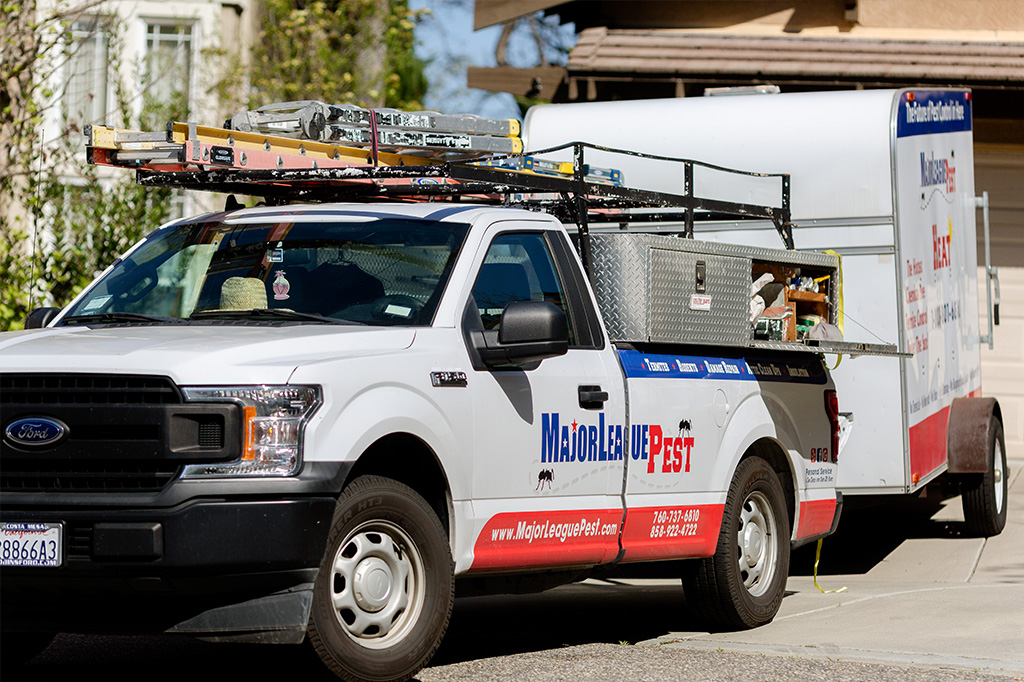
Spring is one of the most rewarding seasons for gardeners. Warmer temperatures encourage plant growth, flowers bloom, and vegetable beds begin to flourish. At the same time, the same conditions that help plants thrive also attract a wide range of pests. Insects, rodents, and other unwanted visitors become more active as temperatures rise and food sources become available.
For gardens located near homes or residential communities, pest activity can escalate quickly if conditions allow insects and rodents to settle into the landscape. Early spring pest control planning helps reduce the likelihood of infestations before they affect plants, soil quality, or nearby structures. A well-managed approach focuses on prevention, monitoring, and responsible treatment methods that protect gardens without disrupting the surrounding environment.
Understanding which pests commonly appear in spring and how professionals address them helps gardeners maintain healthier outdoor spaces throughout the season.
Why spring is the peak season for garden pest activity
As winter conditions fade, pests begin emerging from dormancy or hidden nesting areas. Warmer soil temperatures allow insects to reproduce more rapidly, while rodents and other animals search for fresh vegetation as a food source. Gardens provide ideal conditions because they combine moisture, plant material, and shelter.
Common spring pests that affect gardens and nearby residential areas include ants, spiders, cockroaches, rodents, fleas, ticks, bed bugs, termites, and wasps. While some of these pests target plant environments directly, others move between outdoor spaces and homes when food and shelter become available.
Several environmental factors contribute to increased pest activity during spring:
- Rising temperatures accelerate breeding cycles for many insects
- New plant growth creates fresh food sources for pests
- Moist soil conditions support termites and other insects that thrive in damp environments
- Sheltered garden structures, such as mulch beds, sheds, or wood borders, offer hiding places
Because many pests multiply quickly during spring, professional spring pest control strategies often focus on early detection and preventative treatments before populations grow larger.
Signs that pests are beginning to affect your garden
Identifying early warning signs helps prevent minor pest activity from becoming a larger infestation. Some pests leave visible damage to plants, while others remain hidden in soil, under rocks, or within nearby structures.
Gardeners should watch for several indicators that pests may be present:
- Irregular holes or chewing patterns on leaves and stems
- Soil disturbances or tunnel openings that may signal rodent activity
- Small insect trails along garden borders or foundation areas
- Plant wilting or weakening without clear environmental causes
- Visible nests or colonies forming around outdoor structures
Certain pests, such as gophers and ground squirrels, create underground tunnels that damage root systems and irrigation lines. Their activity can quickly disrupt vegetable beds or landscaped areas. Understanding how professionals manage these animals can provide helpful insight into protecting outdoor spaces, as explained in the article about gopher and squirrel control.
Early recognition of these warning signs allows pest management professionals to evaluate conditions and determine the most appropriate response before damage spreads.
Preventive steps that reduce spring garden infestations
Effective spring pest control begins with prevention. Garden environments that are well-maintained and carefully monitored are less attractive to insects and rodents seeking food or shelter.
Professionals often recommend several preventative strategies that support a healthier garden environment:
- Maintaining proper soil drainage to reduce moisture levels that attract insects
- Trimming overgrown vegetation where pests may hide or nest
- Keeping garden borders clean by removing fallen leaves or debris
- Inspecting wood structures and fencing for termite activity or hidden entry points
- Monitoring irrigation systems to prevent excess moisture accumulation
These preventive measures improve garden health and reduce conditions that encourage pests to settle nearby. However, many infestations originate from surrounding properties or nearby natural areas, which makes professional monitoring important for long-term pest management.
Responsible treatment methods used in spring pest control
When pest activity becomes noticeable, responsible treatment methods help address the issue while protecting the garden environment. Professional pest management focuses on targeted solutions that address specific pests rather than broad chemical applications.
Several treatment strategies are commonly used to control garden-related pests:
- Targeted baiting systems that address ants or rodents while limiting exposure to non-target areas
- Monitoring stations that help track pest activity and determine the scale of infestations
- Selective treatments applied only where pests are active
- Habitat modification techniques that remove conditions attracting pests
- Professional inspections that identify hidden nesting areas beneath soil or structures
Responsible pest management also considers the safety of families, pets, and beneficial insects that contribute to garden health. Professionals carefully select treatment products and application methods designed to balance effectiveness with environmental responsibility.
Homeowners who want to understand how professionals approach safety considerations can review the guidance in the article about safe pest treatment methods.
This careful approach allows pest problems to be addressed without disrupting the broader garden ecosystem.
Why professional support strengthens garden pest protection
While many gardeners attempt to handle pest activity independently, spring infestations often involve multiple pest species and hidden nesting locations. Without a thorough inspection, treatments may address visible pests while leaving underlying problems unresolved.
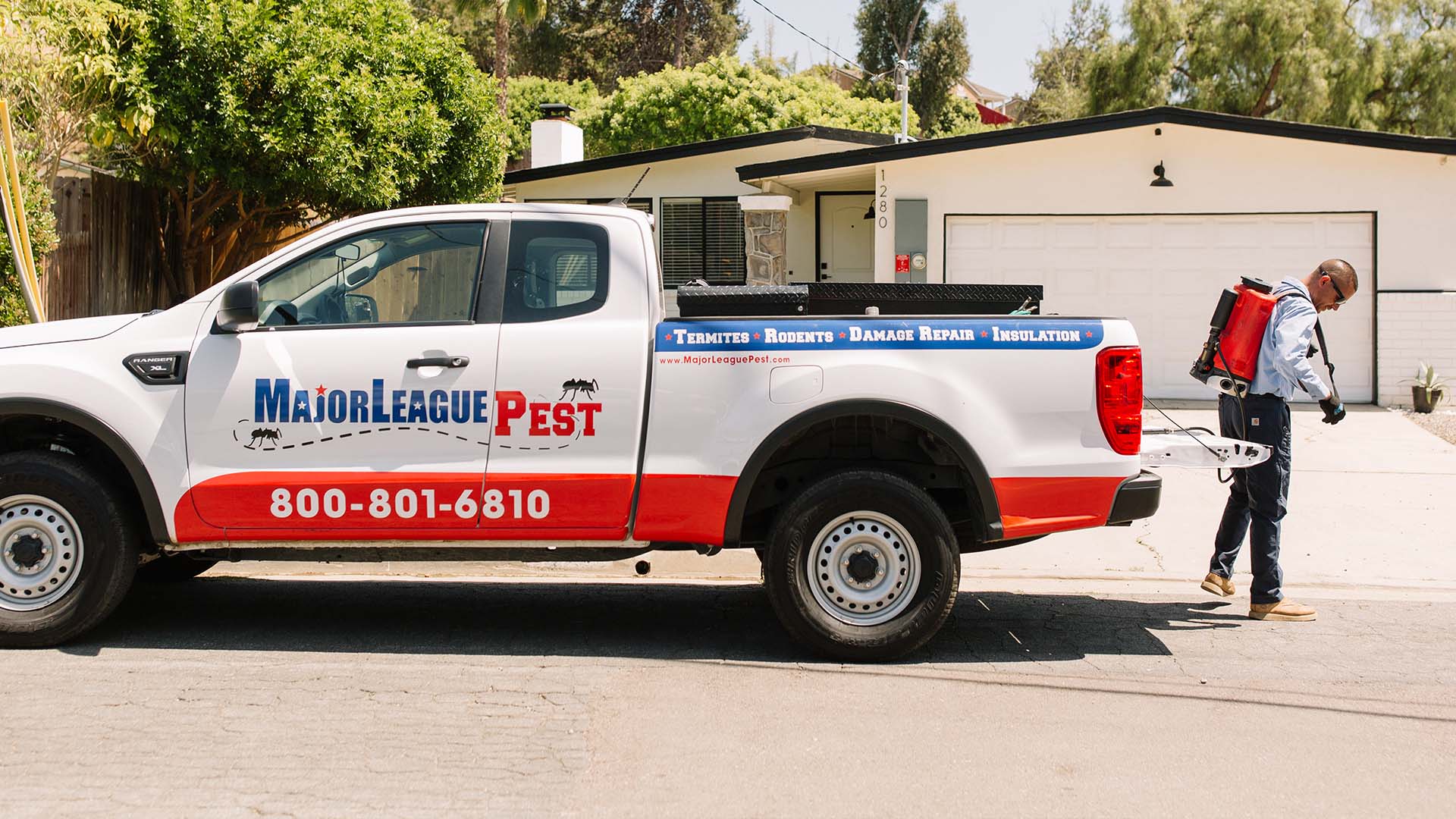
Professional pest control services provide a more comprehensive approach that includes inspection, identification, treatment planning, and follow-up monitoring. Technicians understand how pests behave during seasonal transitions and can identify activity patterns that may not be obvious during routine garden maintenance.
Professional spring pest control services often provide advantages such as:
- Detailed property inspections that reveal hidden pest entry points
- Identification of pest species and their breeding patterns
- Treatment strategies designed specifically for the environment
- Monitoring programs that detect activity early in the season
- Prevention plans that protect gardens throughout the year
This combination of expertise and targeted solutions helps ensure that pests are managed efficiently while protecting the long term health of the garden.
Let Your Garden Thrive Without Unwanted Visitors
Spring gardens deserve protection from pests that can damage plants and disrupt outdoor spaces. When pest activity begins to appear, professional evaluation can help determine the most effective and responsible solution.
For experienced pest management support, contact Major League Pest. Professional guidance can help protect your garden while keeping your outdoor environment healthy and well-balanced.
