
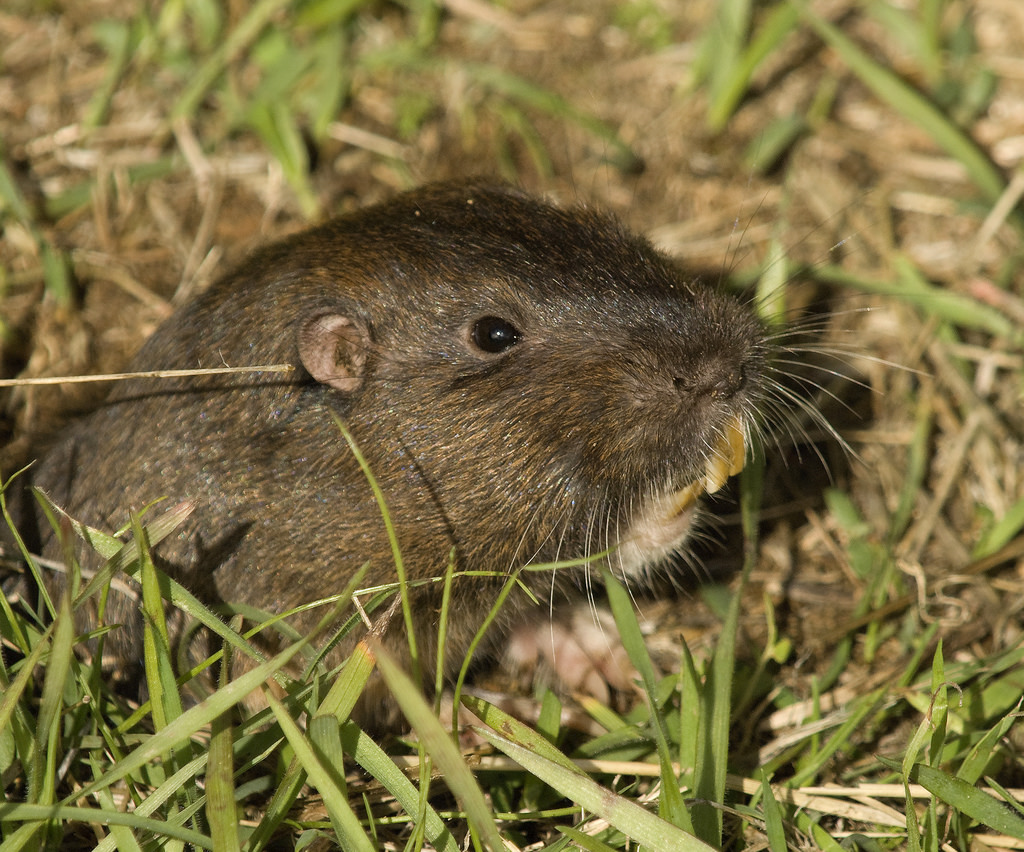
Southern California yards face a unique set of underground challenges. Warm weather, irrigated landscapes, and nutrient-rich soil create ideal conditions for burrowing pests to thrive year-round. Among the most destructive are gophers and ground squirrels, both capable of reshaping lawns and damaging structural elements beneath the surface.
From an expert standpoint, long-term control requires more than surface-level fixes. Effective gopher control and squirrel removal depend on understanding behavior, soil conditions, seasonal movement, and the broader pest ecosystem. When these factors are properly evaluated, results become more consistent and sustainable.
Understanding the Burrowing Threat Beneath Your Landscape
Gophers and ground squirrels may appear similar at a glance, but their behaviors differ in ways that directly influence control strategies.
Gophers are solitary, territorial burrowers. They spend nearly all their time underground, feeding on roots and vegetation from below. Their tunnel systems are extensive and often undetected until visible mounds appear.
Ground squirrels are more social and frequently seen above ground. They dig complex burrows with multiple entrances and are known to forage across open lawns, gardens, and hardscape areas.
Both species:
- undermine turf, irrigation lines, and plant root systems
- create tripping hazards through soil collapse
- damage underground utilities and landscape features
- attract secondary predators into residential areas
In Southern California, the climate allows these pests to remain active through much of the year. That means damage can accumulate steadily unless addressed through a strategic, professionally guided plan.
Why Gopher Activity Escalates in Southern California
Southern California’s irrigated landscapes provide a steady food source. Lawns, ornamental plants, and vegetable gardens become feeding grounds for subterranean pests.
Several factors contribute to escalating infestations:
- mild winters that do not significantly slow breeding cycles
- consistent irrigation that keeps soil workable and attractive
- dense residential landscaping that offers food and shelter
- adjacent open spaces that serve as source populations
Gophers reproduce quickly, and a single animal can create significant destruction in a short period. Tunnels may extend beneath patios, driveways, and even foundations. Surface mounds are often only a small indication of the broader network below.
Professional gopher control focuses on identifying active tunnel systems, assessing population density, and applying targeted techniques that address both current activity and reinfestation risks. Superficial treatments rarely account for the full burrow structure.
Seasonal shifts can also influence how rodents and other pests move closer to homes, especially as temperatures fluctuate. If you want a broader look at how this transition affects pest pressure, see winter rodent control and how timing can shape prevention strategies.
Ground Squirrels and Structural Risk
Ground squirrels present a different but equally serious concern. Their burrows can extend several feet deep and are often built near:
- foundations
- retaining walls
- pool decks
- walkways and patios
- fence lines
Over time, soil displacement compromises structural integrity. In sloped Southern California properties, this may contribute to erosion or instability.
Ground squirrels are also known carriers of diseases and parasites that may affect pets and humans. While sightings above ground are common, the extent of underground excavation is typically underestimated.
Squirrel removal requires an understanding of colony behavior. Eliminating visible individuals without addressing the broader network often results in reoccupation. Proper removal strategies involve coordinated measures that reduce both active populations and future attraction factors.
Signs That Professional Intervention Is Necessary
Many property owners attempt to monitor burrowing activity independently. However, by the time surface damage becomes obvious, tunnel systems are often well established.
Indicators that professional assistance is warranted include:
- repeated mound formation within days of removal
- collapsing soil around walkways or irrigation zones
- visible ground squirrel entrances along foundations
- dead or dying plants with intact above-ground foliage
- sudden increases in predator activity in the yard
Professionals assess not just visible signs but also soil composition, moisture levels, and landscape design. These variables directly influence pest movement patterns.
For example, sandy soils common in parts of Southern California allow faster tunneling. Properties adjacent to open land may experience continual reinvasion without perimeter-focused strategies.
It also helps to recognize how quickly “small” pest issues turn expensive when ignored. This overview of early infestation costs explains why waiting can expand damage, complicate removal, and raise restoration needs.
Long-Term Yard Protection Strategies
Sustainable control in Southern California demands a broader view of the property ecosystem. Quick fixes may temporarily reduce visible signs, but lasting protection requires:
- mapping and treating active tunnel systems
- monitoring reinfestation pressure from surrounding areas
- adjusting irrigation practices where feasible
- reinforcing vulnerable structural zones
- ongoing evaluation during peak breeding seasons
Professional programs are designed around regional pest biology. Timing matters. Soil moisture, plant growth cycles, and seasonal behavior shifts all influence treatment success rates.
Ground squirrels may expand colony networks during warmer months, while gophers can intensify root feeding during active growth seasons. Coordinated intervention reduces the likelihood of recurring damage.
The goal is not simply removal but stabilization of the yard environment so that future activity becomes less likely. This level of precision typically exceeds what can be achieved through casual or reactive measures.
Southern California’s year-round growing season means landscapes require year-round awareness. Without structured oversight, burrowing populations can rebound quickly, especially in well-maintained, irrigated properties.
Take the Next Step Toward a Stable Yard
If gopher or ground squirrel activity is affecting your Southern California property, a professional assessment can clarify the extent of the issue and outline a strategic plan.
For expert guidance and comprehensive solutions, contact Major League Pest to discuss your specific yard conditions and protection goals.
