
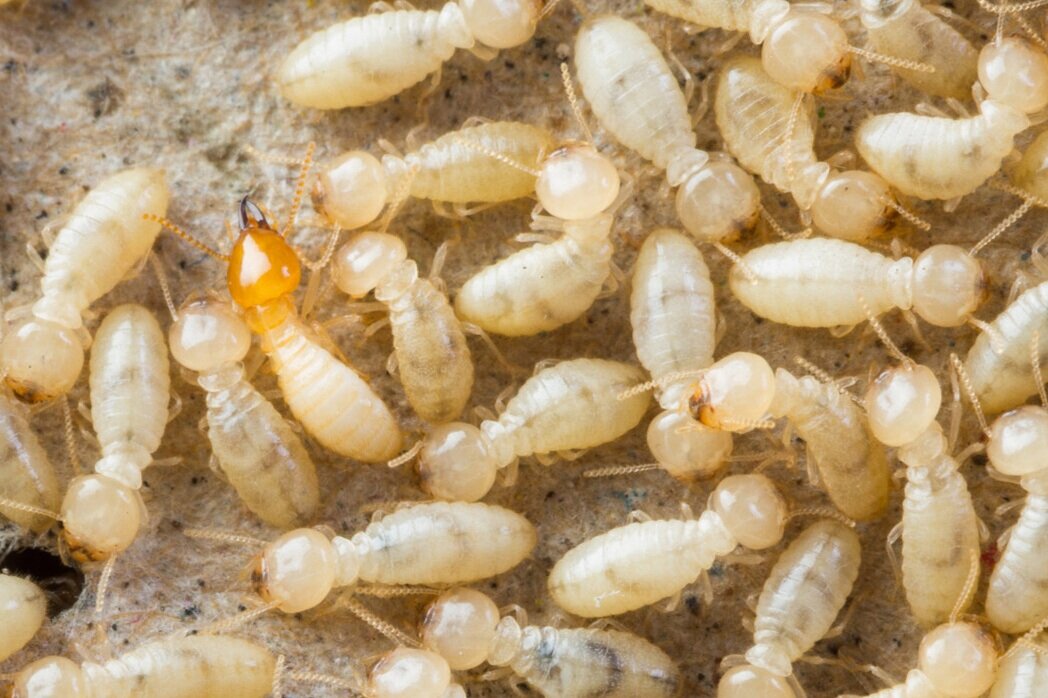
Wood is one of the most important structural components of a home. When it weakens, the integrity of the entire structure can be affected. Two of the most common threats to wooden framing are dry rot and termite damage. While they are different problems, they often develop under similar conditions and can intensify each other.
From a professional perspective, understanding how these issues overlap is essential for homeowners who want to protect their property. Moisture, hidden structural vulnerabilities, and delayed inspections are often at the center of both concerns.
Understanding the Difference Between Dry Rot and Termite Damage
Dry rot is a form of fungal decay that occurs when wood remains damp for extended periods. The fungus breaks down cellulose in the wood, weakening its internal structure. Termite damage, on the other hand, results from wood-destroying insects feeding on structural components.
Although the causes differ, the outcomes can look similar. Both can leave wood brittle, cracked, or hollow. In some cases, homeowners assume that weakened wood is solely due to moisture when insects are also involved.
Common distinctions include:
- Dry rot often causes wood to crumble in cubes or crack along the grain
- Termite damage typically leaves hollowed galleries inside the wood
- Fungal decay may present visible discoloration
- Termite activity may include mud tubes or discarded wings
The challenge is that these issues frequently occur in the same environment. Moisture problems that lead to fungal decay also create conditions that attract termites.
Why Moisture Is the Common Denominator
Moisture is the critical link between dry rot and termite damage. Subterranean termites rely on moisture to survive. Wood that has been softened by damp conditions becomes easier for termites to penetrate.
Areas most at risk include:
- Crawl spaces with poor ventilation
- Leaking roof or plumbing areas
- Wood in direct contact with soil
- Exterior siding exposed to irrigation spray
When moisture persists, wood fibers break down. This structural weakening can make it easier for termites to establish colonies within framing members. Conversely, termite tunneling can expose interior wood to additional moisture, accelerating fungal growth.
Recognizing early warning signs is essential. As outlined in guidance about early termite warning signs, subtle indicators such as hollow-sounding wood or small mud tubes should never be ignored.
Moisture control alone is not always enough. If termites are already present, structural decay can progress even after leaks are repaired.
Structural Areas Where Both Problems Overlap
Certain parts of a home are especially vulnerable to both dry rot and termite damage. These areas often combine moisture exposure with limited visibility.
High-risk zones commonly include:
- Wooden support beams beneath flooring
- Window frames exposed to rain
- Deck posts and stair stringers
- Garage framing near slab edges
In many cases, dry rot begins externally and spreads inward. Termites may then exploit weakened areas to expand their feeding galleries. Alternatively, termite damage may go unnoticed until fungal decay becomes visible on the surface.
This overlapping damage complicates repairs. Replacing wood without addressing the underlying infestation can result in repeated structural issues. Professional inspection helps determine whether both conditions are present and how extensively they have spread.
Homes with older construction materials may be especially susceptible. Aging wood combined with years of minor moisture exposure creates ideal conditions for both decay and insect activity.
The Cost of Delayed Intervention
Waiting to address moisture problems or suspected termite damage can significantly increase repair costs. Structural beams, floor joists, and framing members provide critical support. When compromised, they may require full replacement rather than localized repair.
Potential consequences of delay include:
- Sagging floors or uneven surfaces
- Warped door frames and windows
- Increased repair labor and material expenses
- Reduced property value during resale
Termite damage often progresses quietly behind walls. Dry rot can advance within hidden cavities. By the time visible symptoms appear, internal deterioration may be advanced.
Routine inspections are one of the most effective preventive measures. As discussed in insights about routine pest maintenance, consistent monitoring identifies vulnerabilities before structural integrity is compromised.
Proactive maintenance does not simply eliminate active pests. It also helps detect moisture-related conditions that may attract future infestations.
Why Professional Assessment Is Essential
Distinguishing between dry rot and termite damage requires trained evaluation. While both weaken wood, treatment approaches differ. Fungal decay requires moisture correction and structural repair. Termite infestations require targeted pest control measures.
Professional assessment typically includes:
- Inspecting crawl spaces and attics
- Evaluating moisture levels in structural wood
- Identifying mud tubes or insect galleries
- Recommending corrective repairs
Accurate identification prevents misdirected repairs. Treating fungal decay without addressing termites leaves colonies active. Conversely, eliminating termites without correcting moisture allows decay to continue.
Homes are long-term investments. Structural stability affects not only safety but also resale value and insurance considerations. Coordinated treatment plans ensure that both insect activity and environmental conditions are corrected.
Dry rot and termite damage often go hand in hand because they share the same enabling conditions. Addressing one without evaluating the other leaves a home vulnerable.
Protect Your Home From Hidden Structural Threats
If you suspect moisture issues or termite damage in your home, do not wait for visible collapse or costly repairs. Contact Major League Pest to schedule a professional inspection and protect your property’s structural integrity.
